Artwork
Port la Dunăre
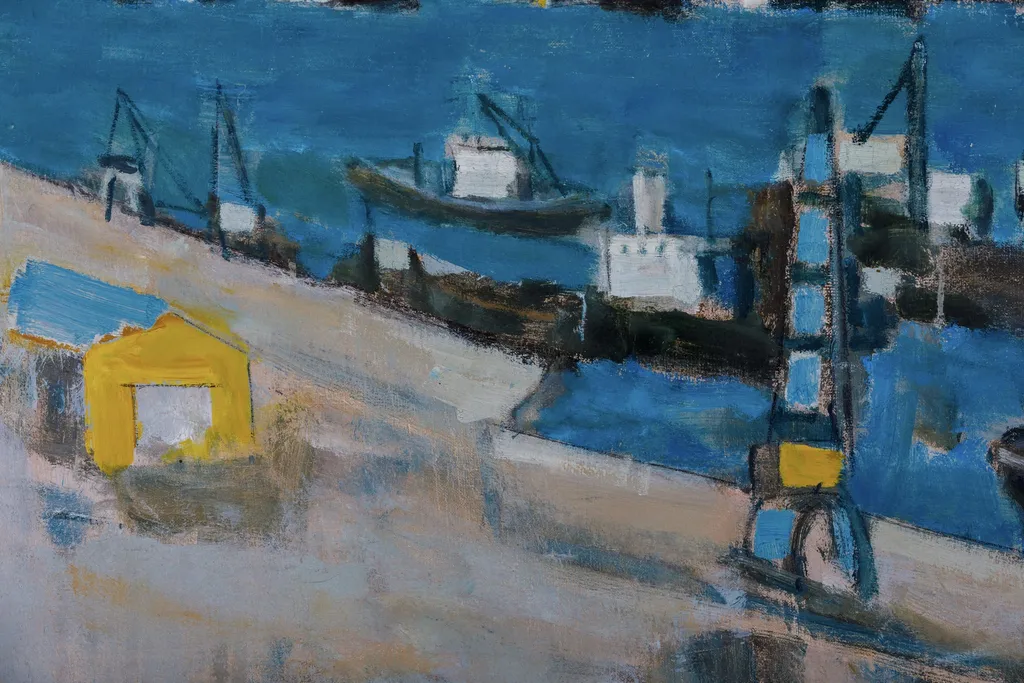
Port la Dunăre is a print by Ion Pacea. It dates from 1961 and is held in the collection of the Moldova National Museum Complex.
About this work
Overview
The painting’s emphasis is on atmosphere and movement rather than precise detail, reflecting a direct engagement with the port’s daily rhythm.
Painted around 1961 by Ion Pacea, Port la Dunăre depicts a working harbor along the Danube. The composition centers on a cluster of vessels with tall masts and white hulls, set against a deep blue expanse of water. Sparse land structures, including a small building with a yellow roof, anchor the scene. The painting’s emphasis is on atmosphere and movement rather than precise detail, reflecting a direct engagement with the port’s daily rhythm.
Subject & Meaning
The scene captures the quiet activity of a river port, not as a grand spectacle but as an ordinary working space. Boats of varying sizes suggest different functions—fishing, transport, or local trade. The absence of human figures shifts focus to the structures and vessels themselves, implying the enduring presence of labor and commerce along the Danube. The painting conveys a sense of quiet resilience rather than narrative drama.
Technique & Style
Pacea employs thick, textured brushwork, using impasto to build surface depth and convey the weight of materials—wood, canvas, water. Colors are limited to blues, whites, and a single accent of yellow, creating a restrained palette that enhances the scene’s atmospheric clarity. The rough application of paint gives the water and hulls a tactile quality, emphasizing materiality over illusionistic realism.
History & Provenance
Created in the early 1960s, the work emerged during a period of state-supported artistic production in Romania. While subject matter was often expected to align with socialist realism, Pacea’s focus on the unadorned reality of the port suggests a quieter, more personal approach. The painting remained in private or institutional collections within Romania, with limited public exposure until later scholarly interest in postwar regional artists.
Context
In early 1960s Romania, artistic expression was constrained by political expectations, yet many painters found ways to explore local landscapes and labor without overt ideology. Port la Dunăre fits within this subtle tradition—depicting a familiar, functional space without heroism or propaganda. Its focus on the Danube reflects a broader cultural connection to the river as a lifeline for communities and commerce.
Legacy
The painting is now recognized as an example of Romanian modernism that resisted grand narratives in favor of intimate observation. Its restrained palette and tactile technique influenced later generations of artists interested in materiality and regional identity. Though not widely exhibited internationally, it remains a significant reference in studies of postwar Romanian painting and its quiet resistance to stylistic dogma.
Artist & collection
Artist
Ion Pacea’s small prints and drawings show quiet corners of the Danube Delta—houses along the shore, river landings, and marshy light.
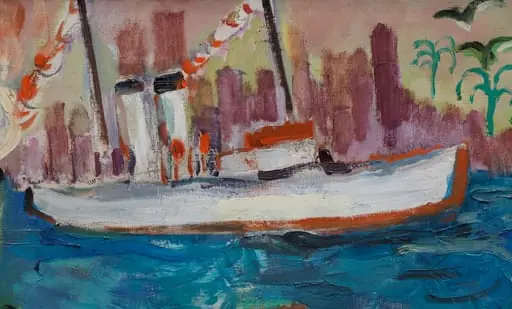 Peisaj marin
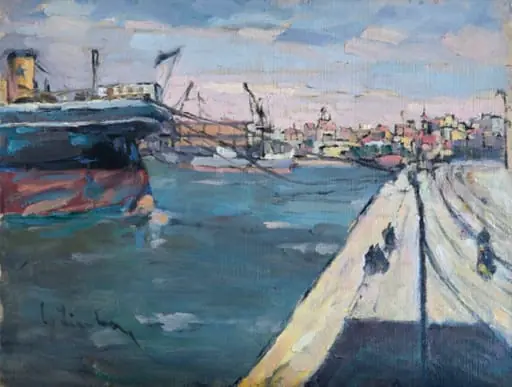 Portul Constanța
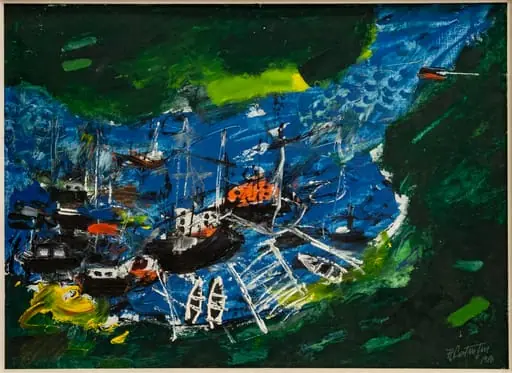 Ambarcațiuni pe Dunăre
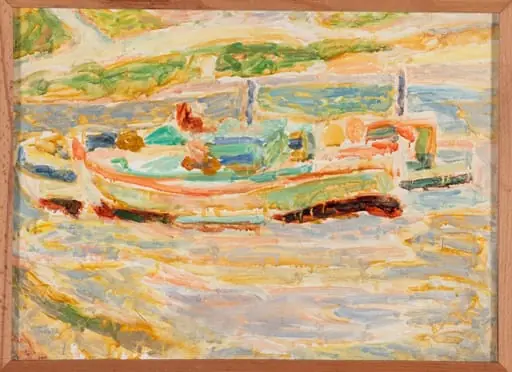 Outdoor study
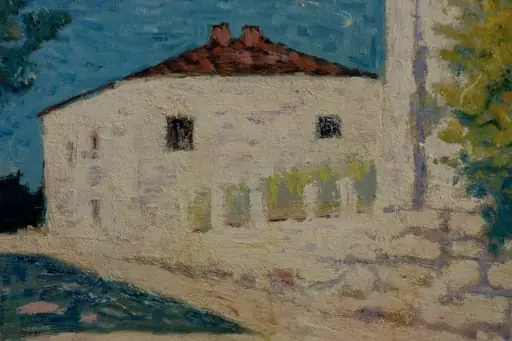 Peisaj cu casă albă
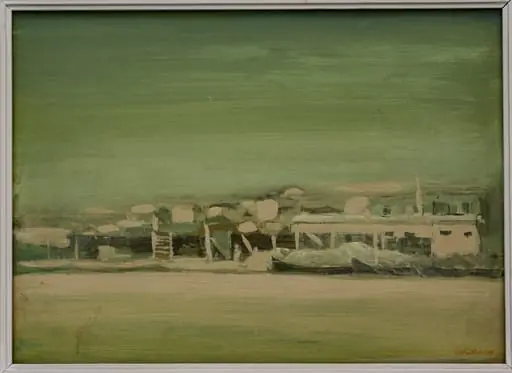 Cherhana
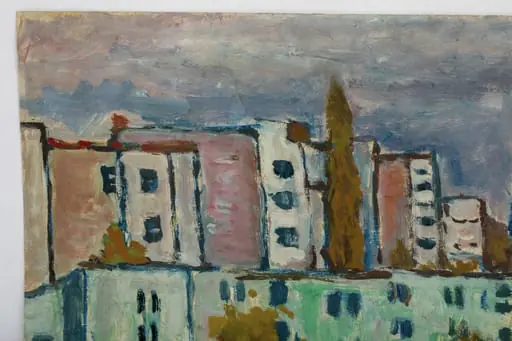 Peisaj urban cu blocuri. În prim-plan, un grup de copaci verde-ocru, urmați de un bloc gri, jos, iar în spatele său se aliniază un șir de blocuri înalte. În dreapta lucrării, copaci înalți. Cerul plumburiu. Semnat și datat dreapta jos, cu negru: Craiu (19)72.
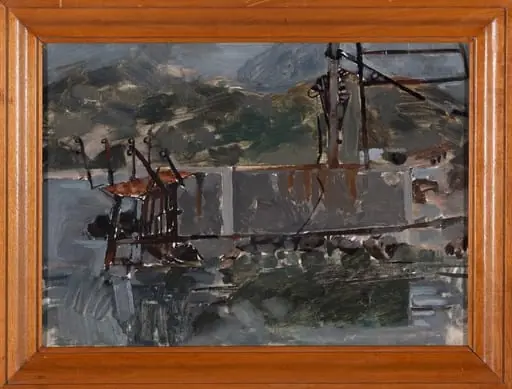 Outdoor study
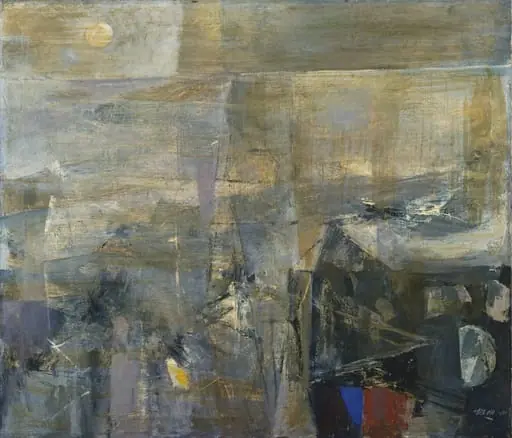 Untitled
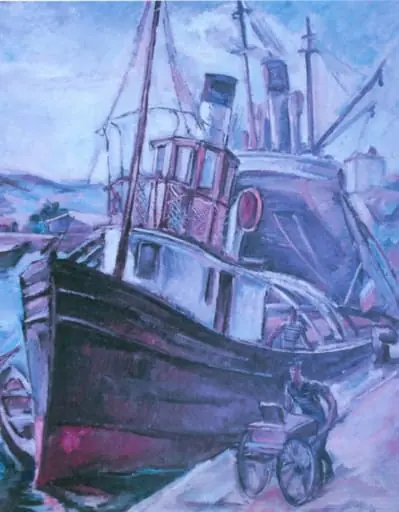 Muncă în port
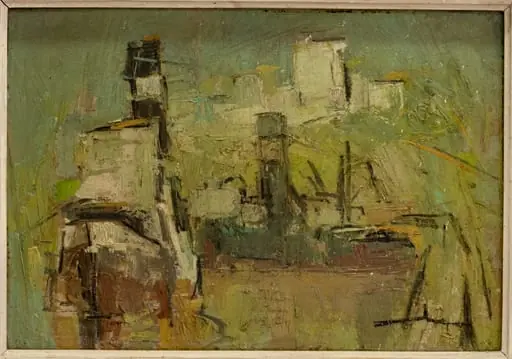 Remorchere la Tulcea
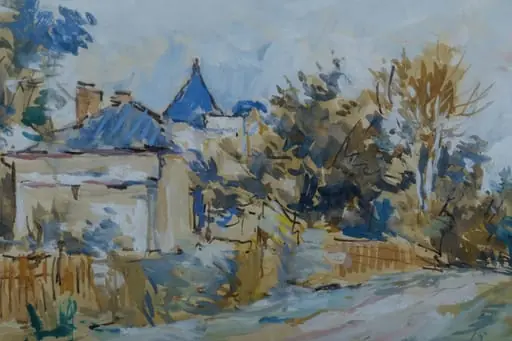 Strada G. Coșbuc Iași