Artwork
Vizitația
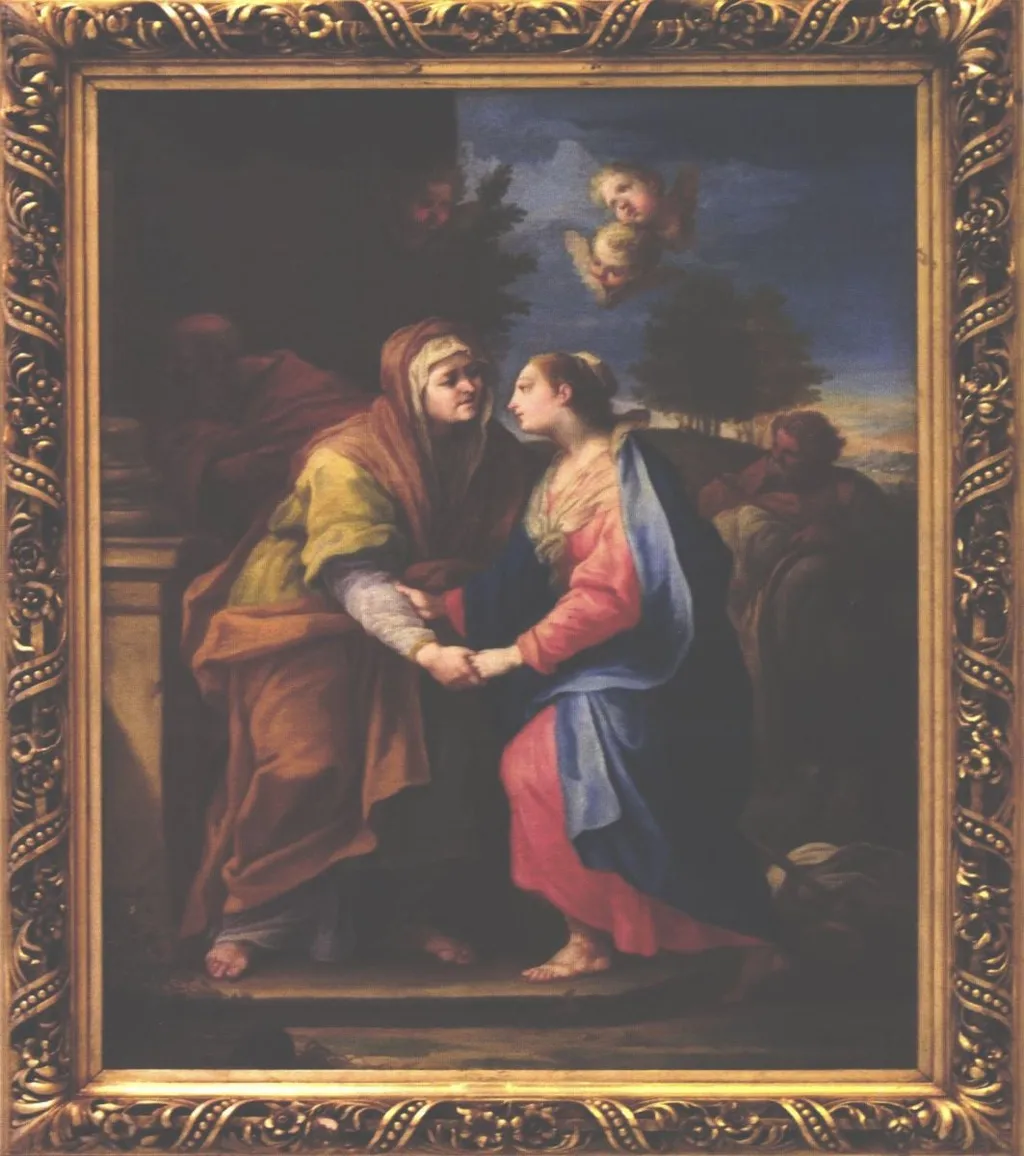
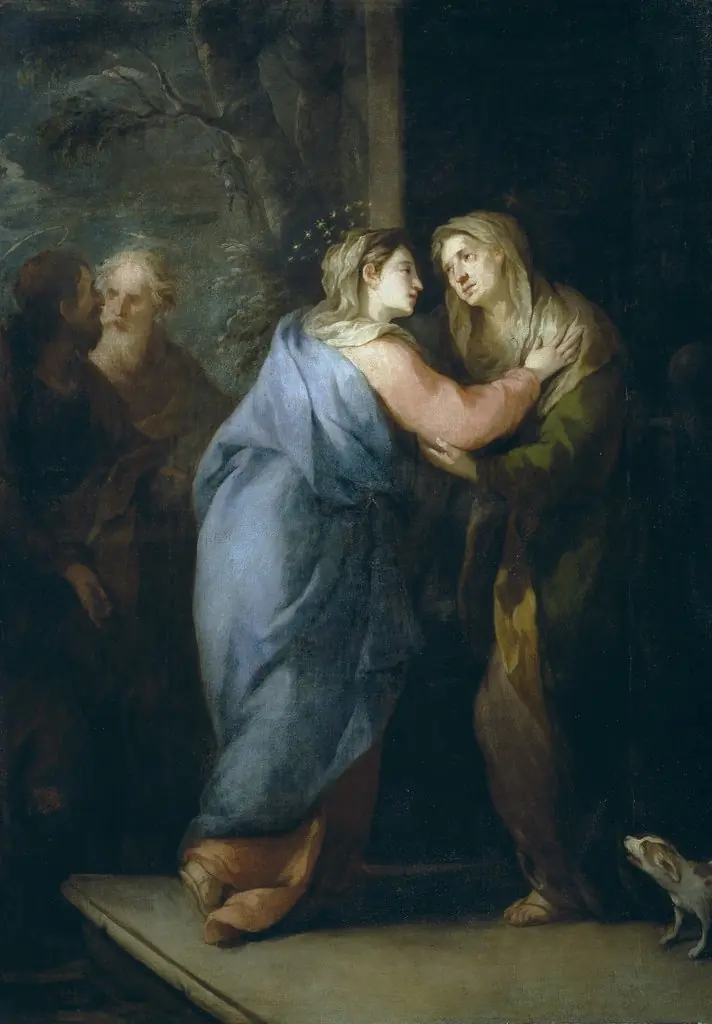
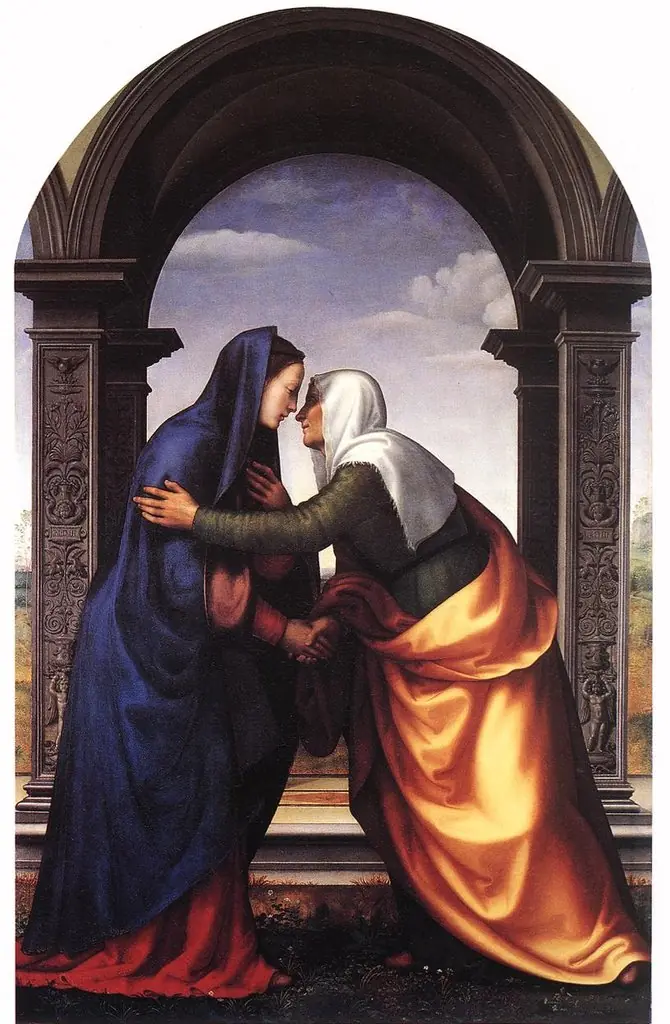
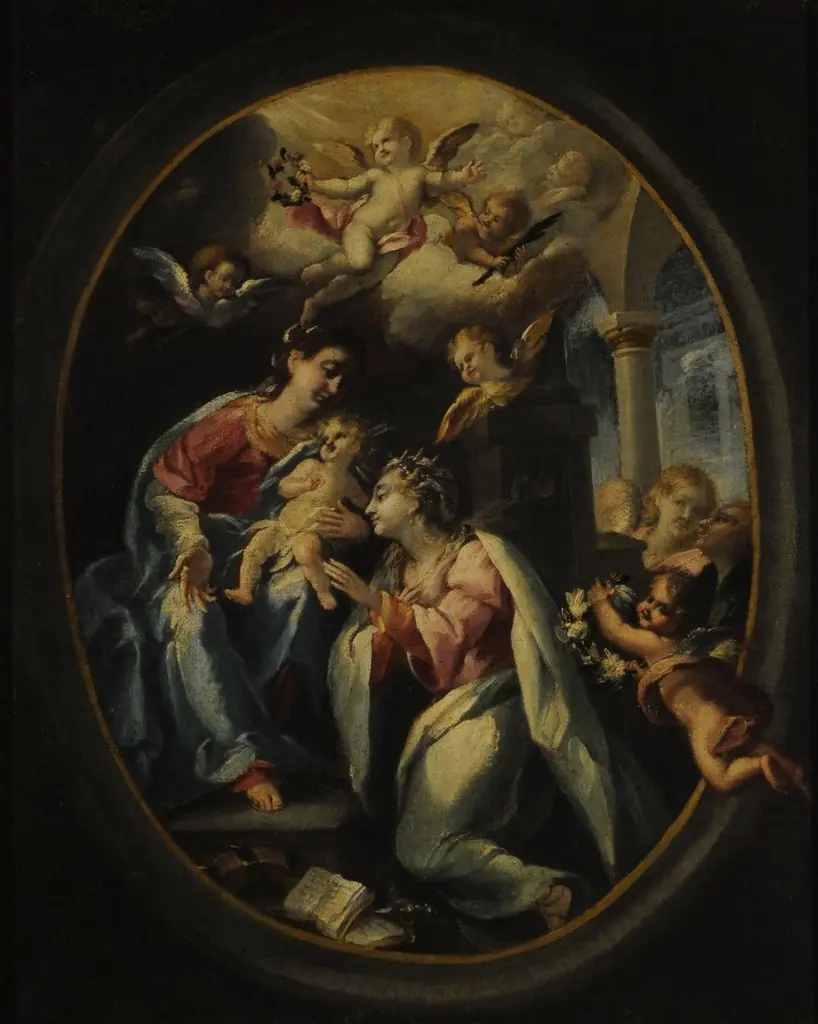
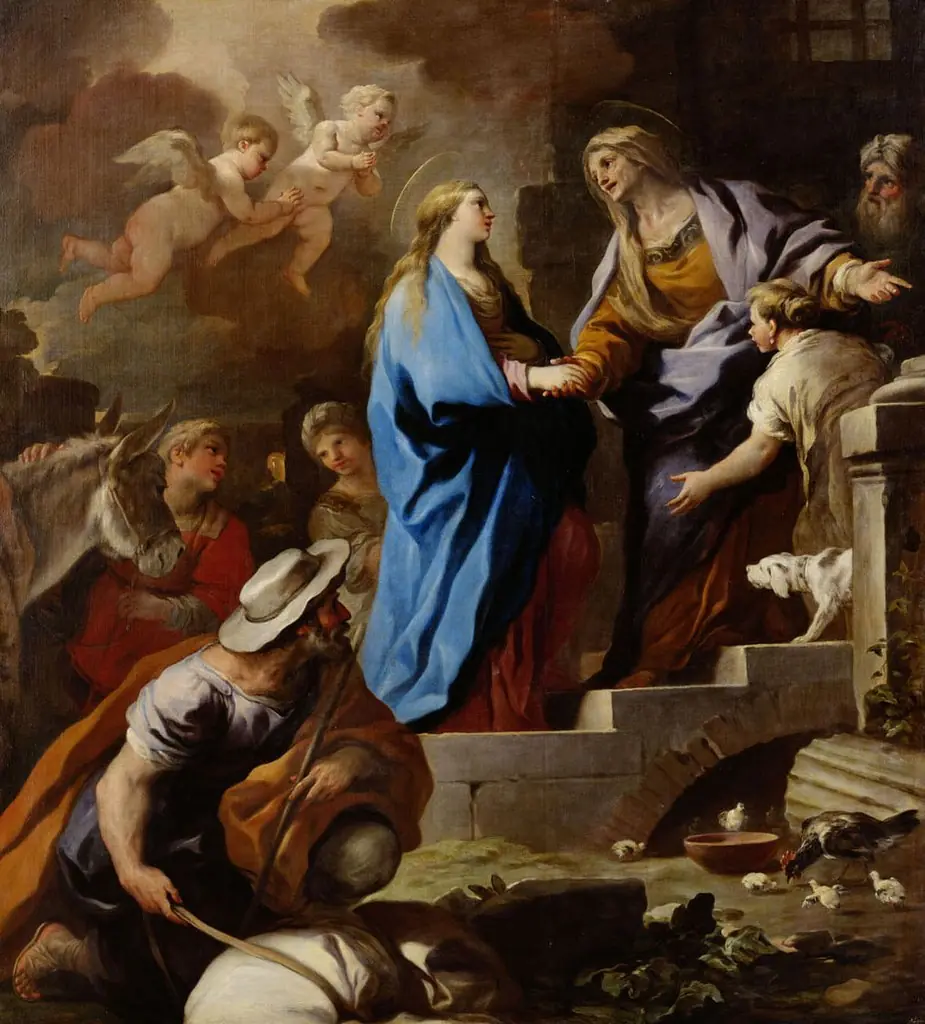
Vizitația is a print by Litterio Palladini. It is held in the collection of the National Museum of Art of Romania. This image depicts two women in intimate proximity, their hands joined in a gesture of quiet connection.
About this work
Overview
The composition draws focus to the figures through stark tonal separation, enhancing their emotional stillness without narrative clarity.
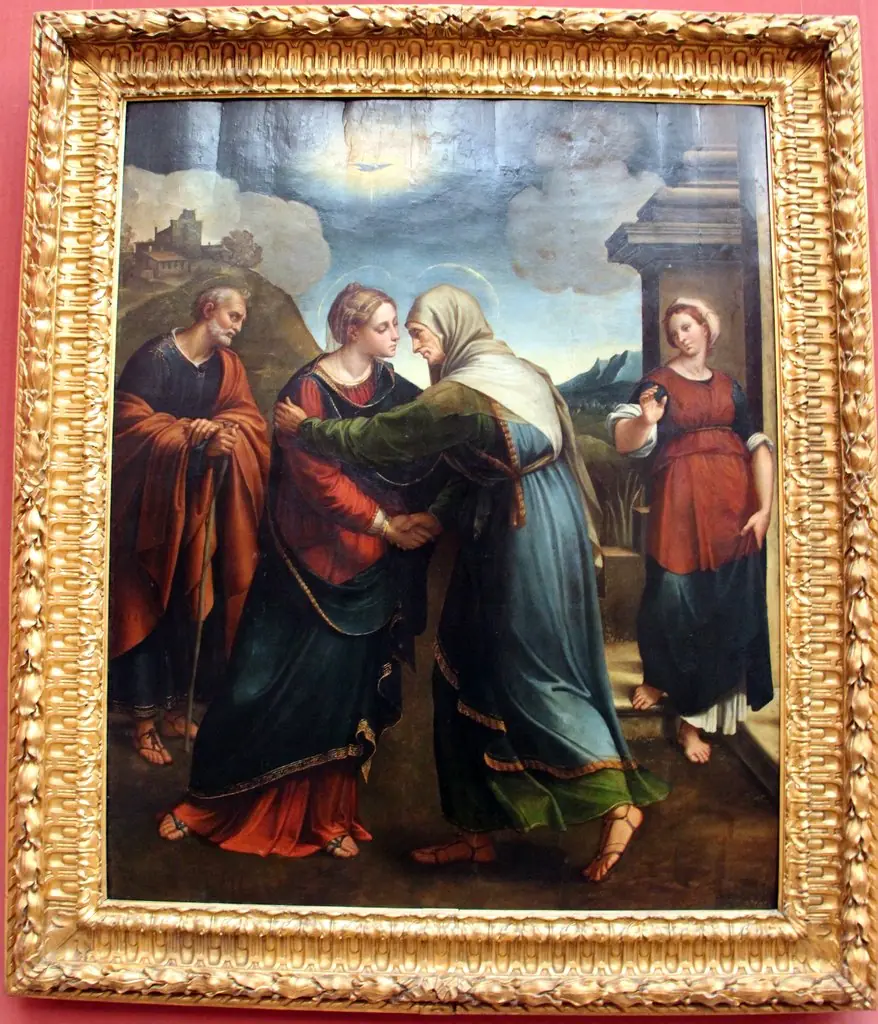
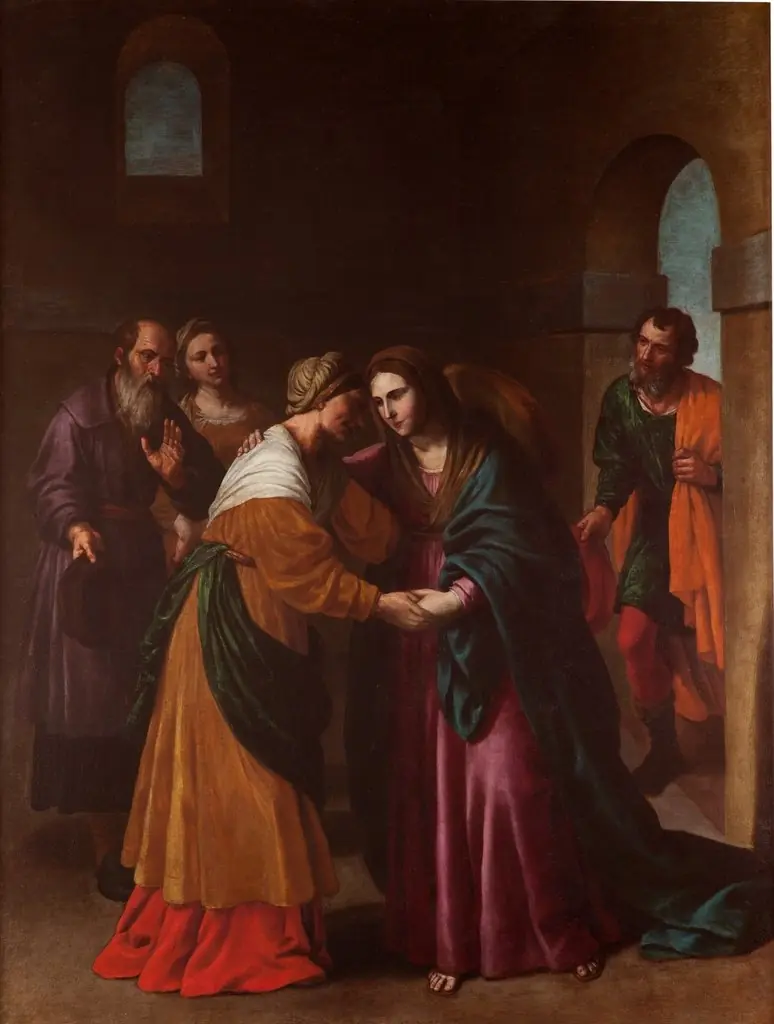
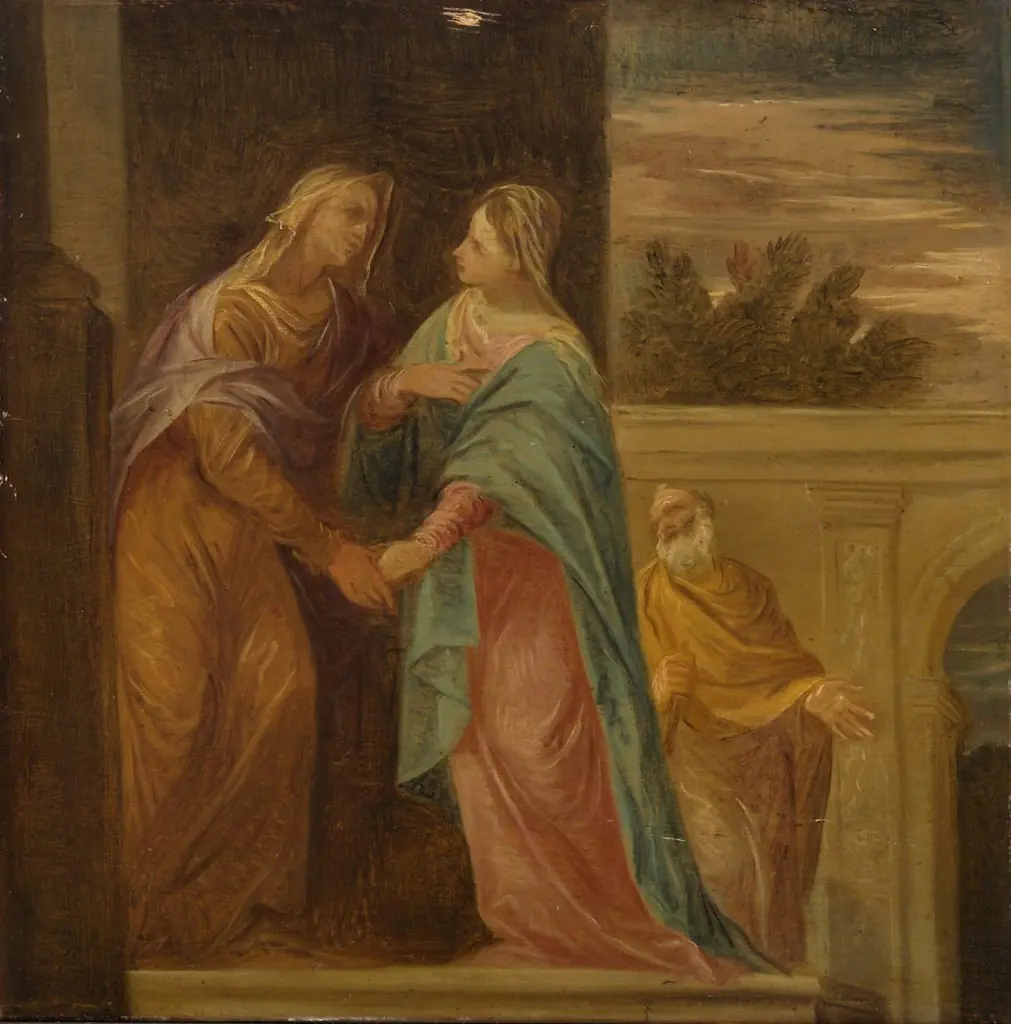
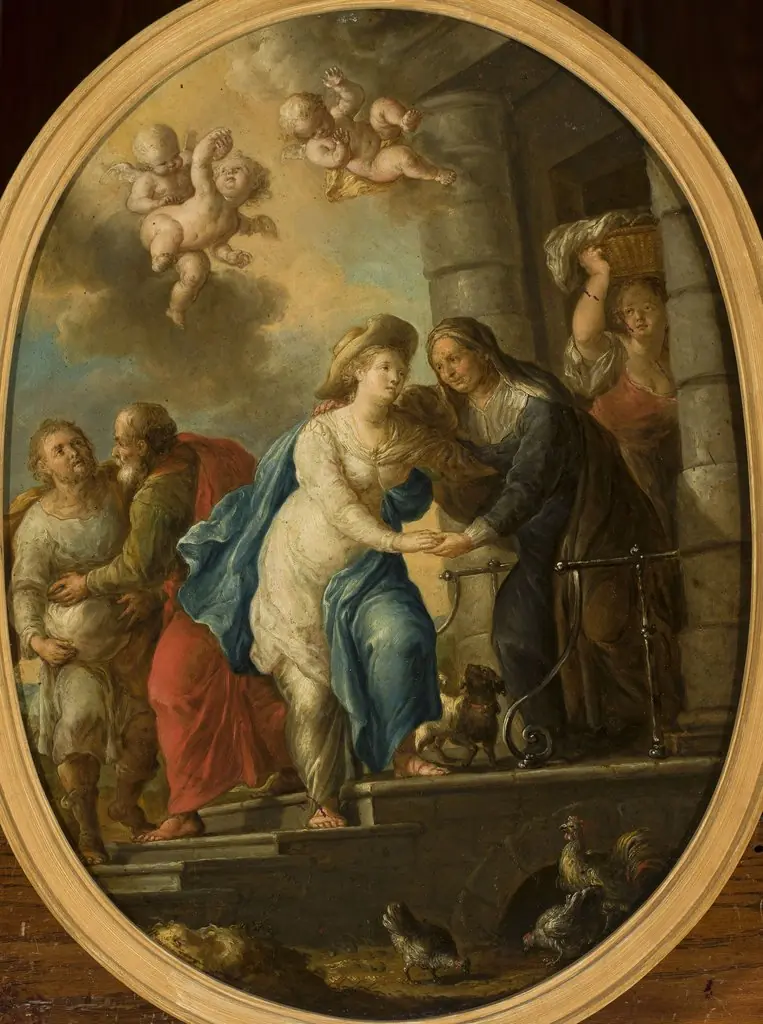
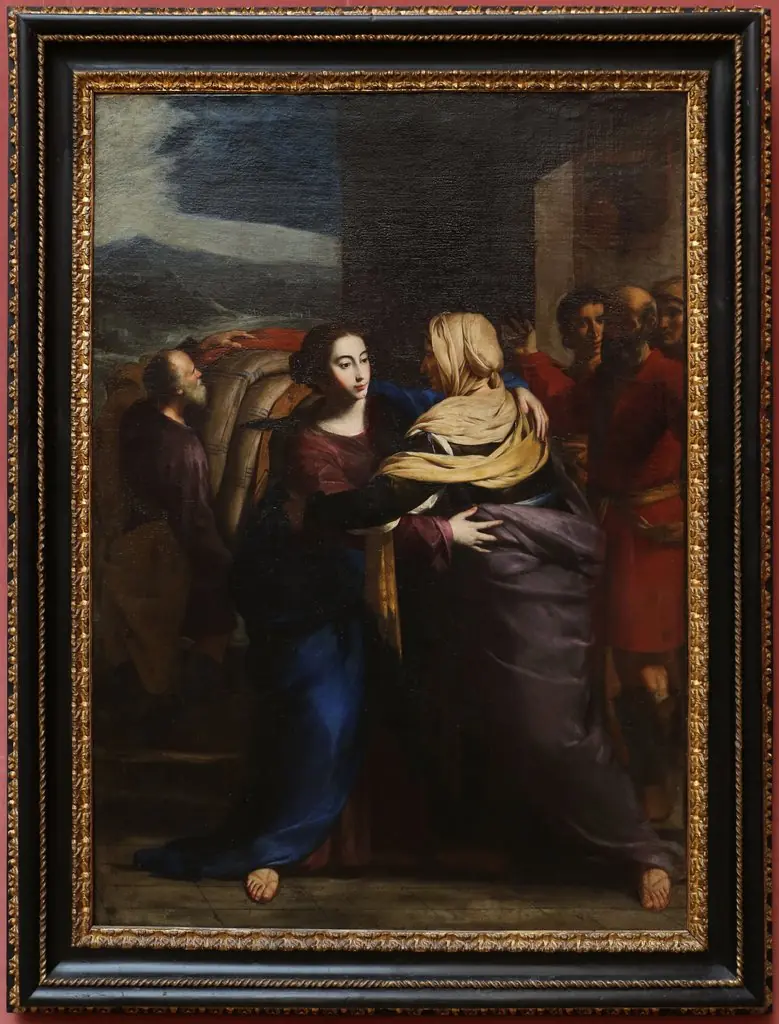
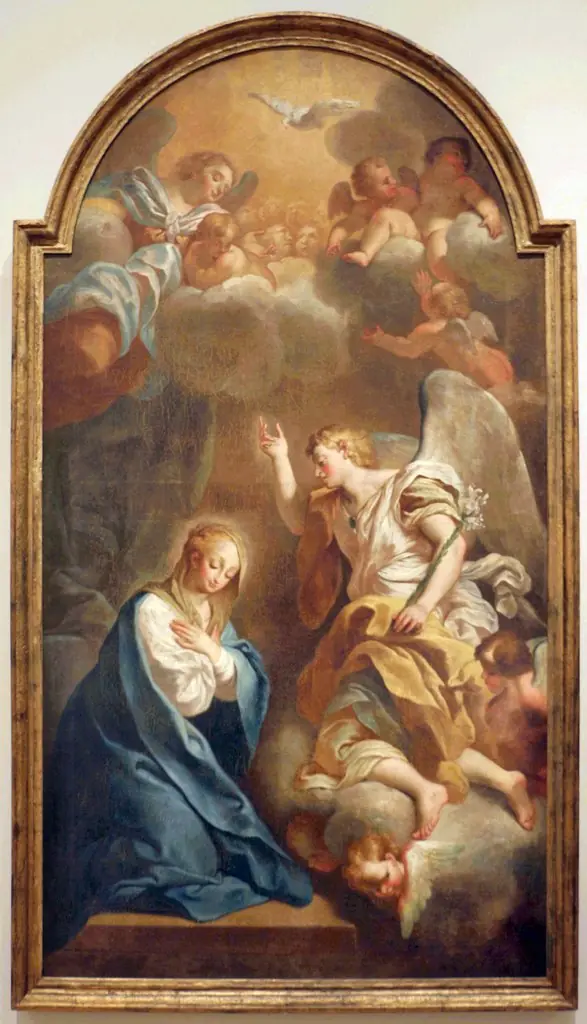
This image depicts two women in intimate proximity, their hands joined in a gesture of quiet connection. The figures are illuminated by a soft, directional light that contrasts with a deep, undefined background. A faintly rendered angel hovers above them, its presence subtle yet distinct. The composition draws focus to the figures through stark tonal separation, enhancing their emotional stillness without narrative clarity.
Subject & Meaning
The two women, distinguished by their contrasting garments—a warm brown cloak and red headscarf, a blue dress with pink sleeves—appear to share a moment of private solidarity. The inclusion of a celestial figure suggests spiritual significance, possibly referencing religious themes of divine witness or blessing. Yet the absence of explicit symbols leaves interpretation open, emphasizing emotional resonance over doctrinal clarity.
Technique & Style
The artist employs chiaroscuro to define form and mood, using strong contrasts between light and shadow to isolate the figures against a near-black background. Delicate modeling of faces and hands conveys tenderness, while the angel’s translucent wings and the faint outlines of distant figures add layers of ambiguity. The rendering is restrained, avoiding ornamental excess in favor of atmospheric depth.
History & Provenance
The work’s origins remain undocumented, with no known artist, date, or early ownership record. The ornate gold frame suggests it was once part of a devotional or domestic setting, possibly intended for private contemplation. Its survival as a standalone image, without contextual documentation, limits precise historical placement but preserves its visual impact.
Context
The composition aligns with late medieval or early Renaissance devotional imagery, where intimate human interactions were often framed by celestial elements to signify divine presence. Unlike public altarpieces, this piece’s scale and focus imply a personal or familial context, perhaps used in private prayer or as a memento of kinship under spiritual watchfulness.
Legacy
Though unattributed and rarely cited in scholarly literature, the image endures as an example of quiet, emotionally charged figural composition. Its use of light to elevate ordinary human connection into a sacred moment continues to resonate with viewers, offering a quiet counterpoint to more dramatic religious narratives of its era.
Artist & collection
Artist