Artwork
Christ and the Samaritan Woman
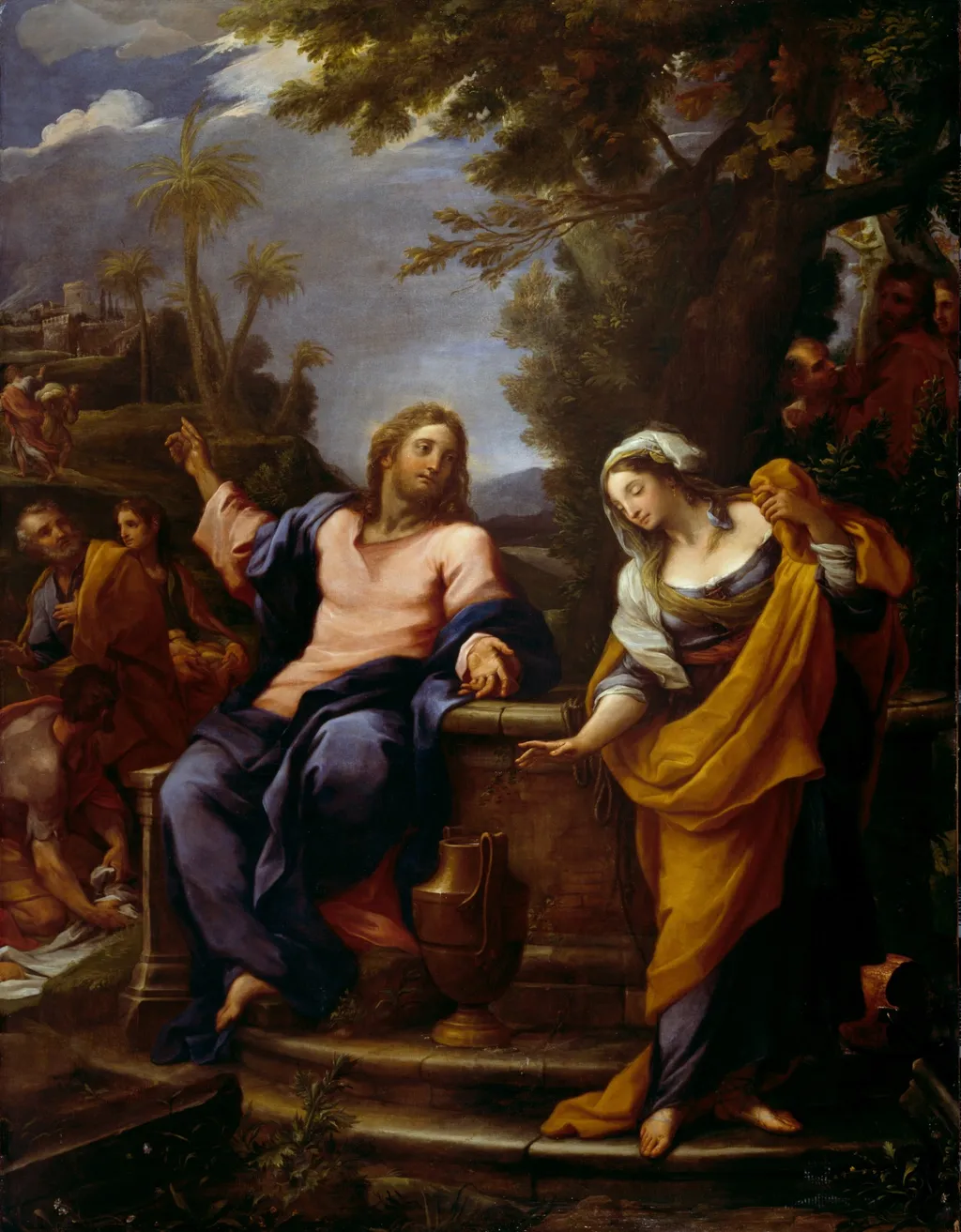
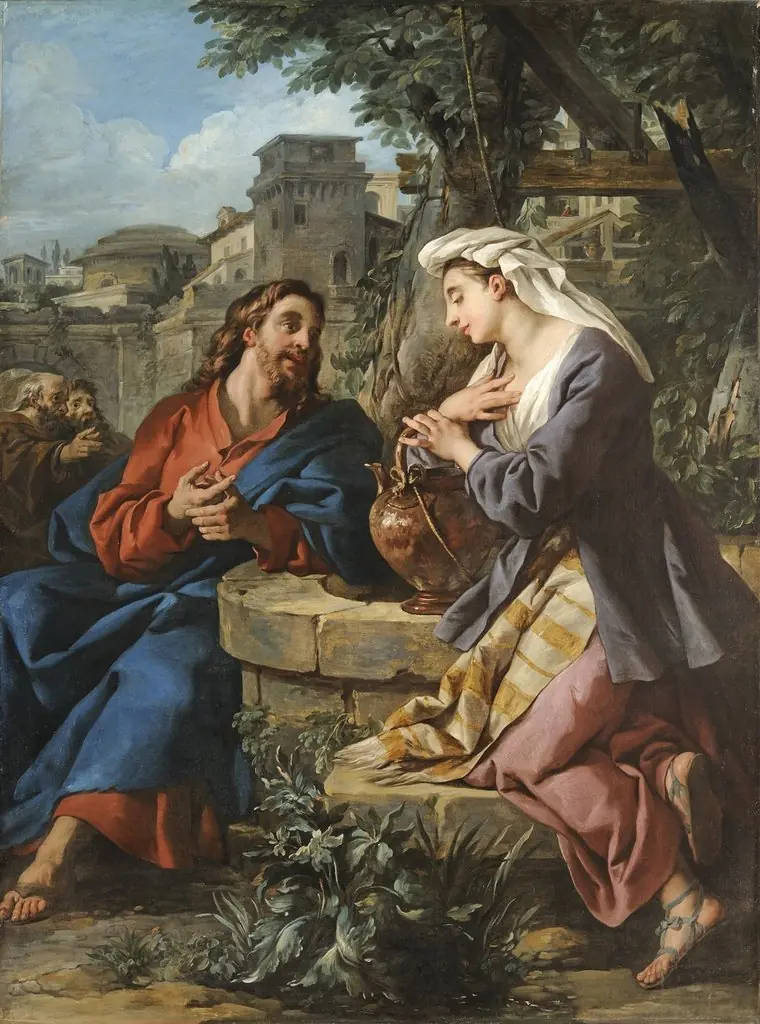
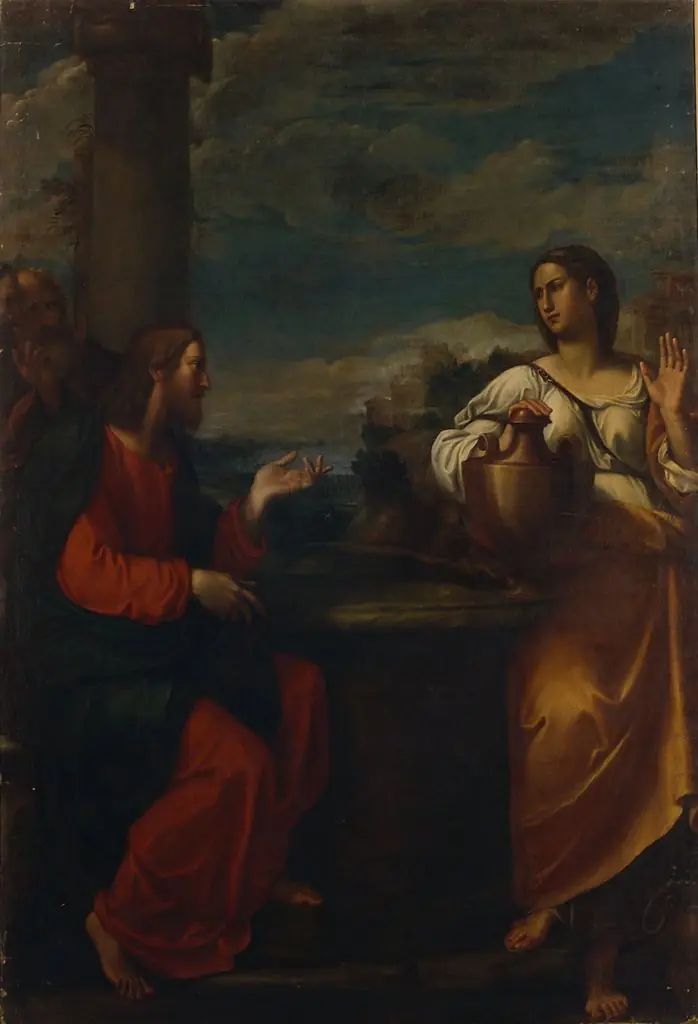
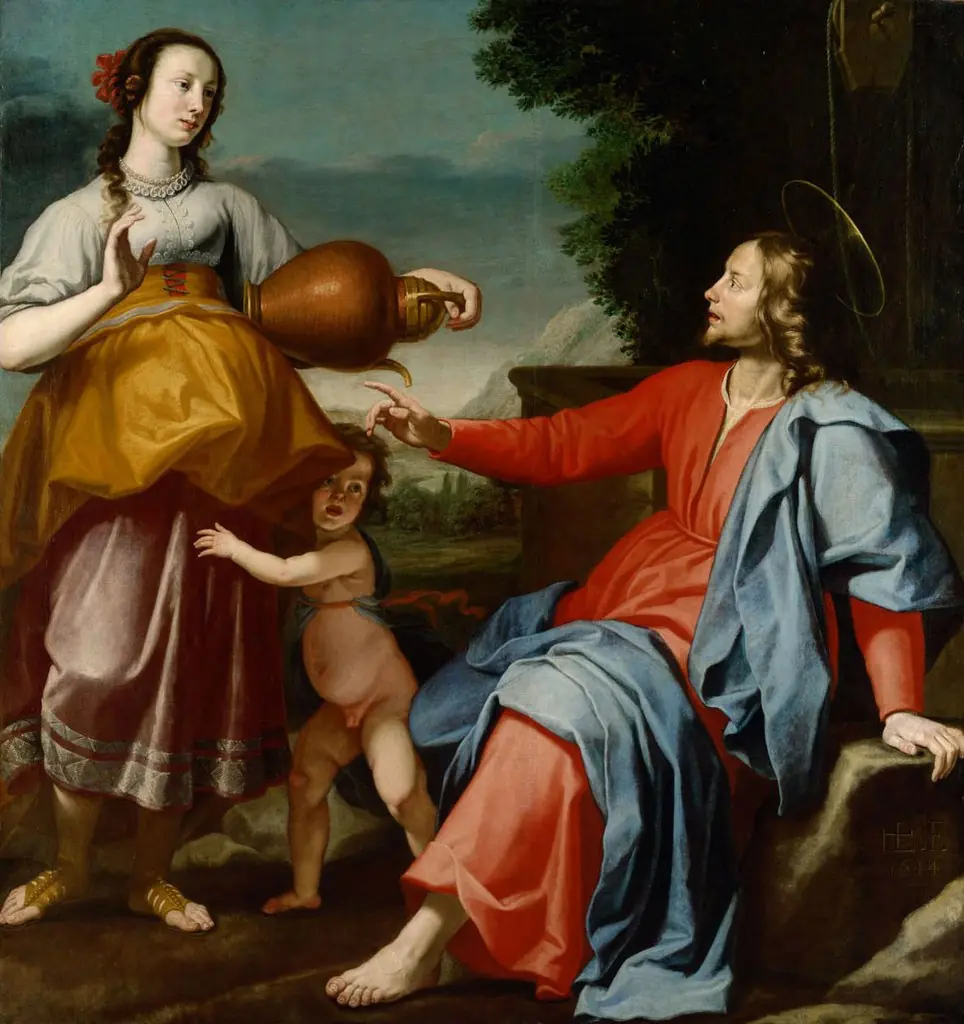
Christ and the Samaritan Woman is an oil painting by the Early Baroque Italian artist Giuseppe Bartolomeo Chiari. It dates from 1700 and is held in the collection of the Museum of Fine Arts, Houston.
About this work
Overview
Painted around 1700 by the Roman artist Giuseppe Bartolomeo Chiari, this oil-on-canvas work illustrates a biblical encounter from the Gospel of John.
Painted around 1700 by the Roman artist Giuseppe Bartolomeo Chiari, this oil-on-canvas work illustrates a biblical encounter from the Gospel of John. Executed in the late Baroque style, it reflects the period’s emphasis on emotional immediacy and narrative clarity. The painting is part of the permanent collection at the Museum of Fine Arts, Houston, where it remains a quiet example of early 18th-century Italian religious art.
Subject & Meaning
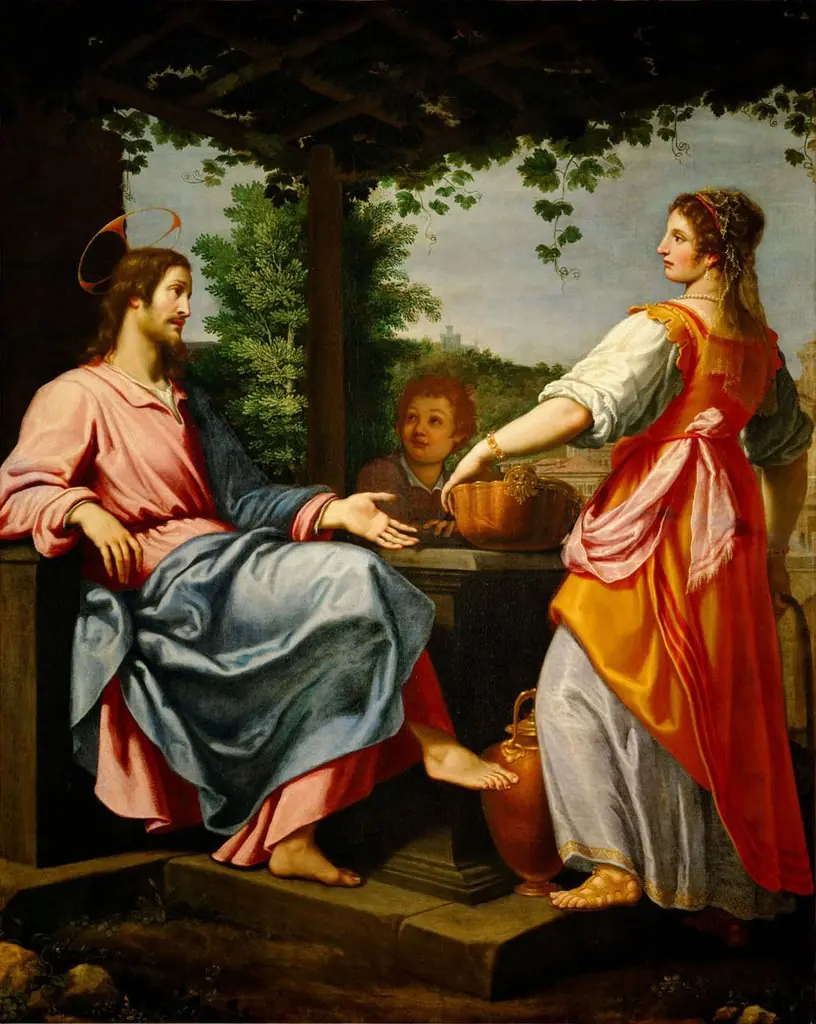
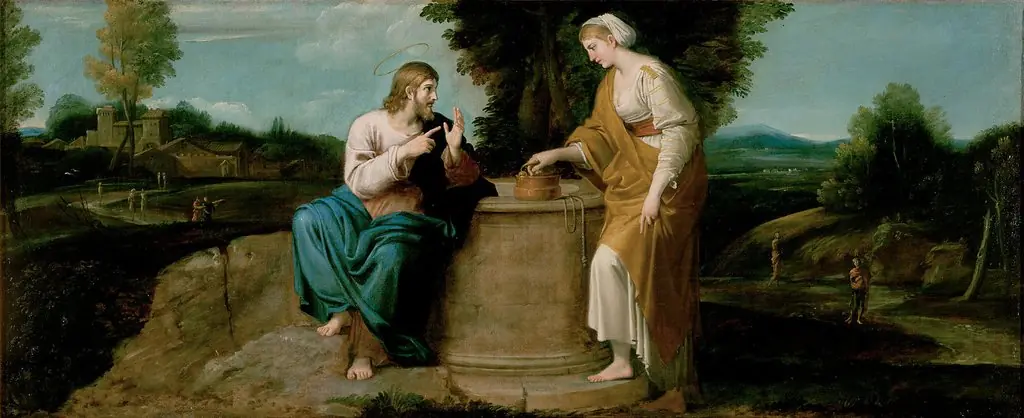
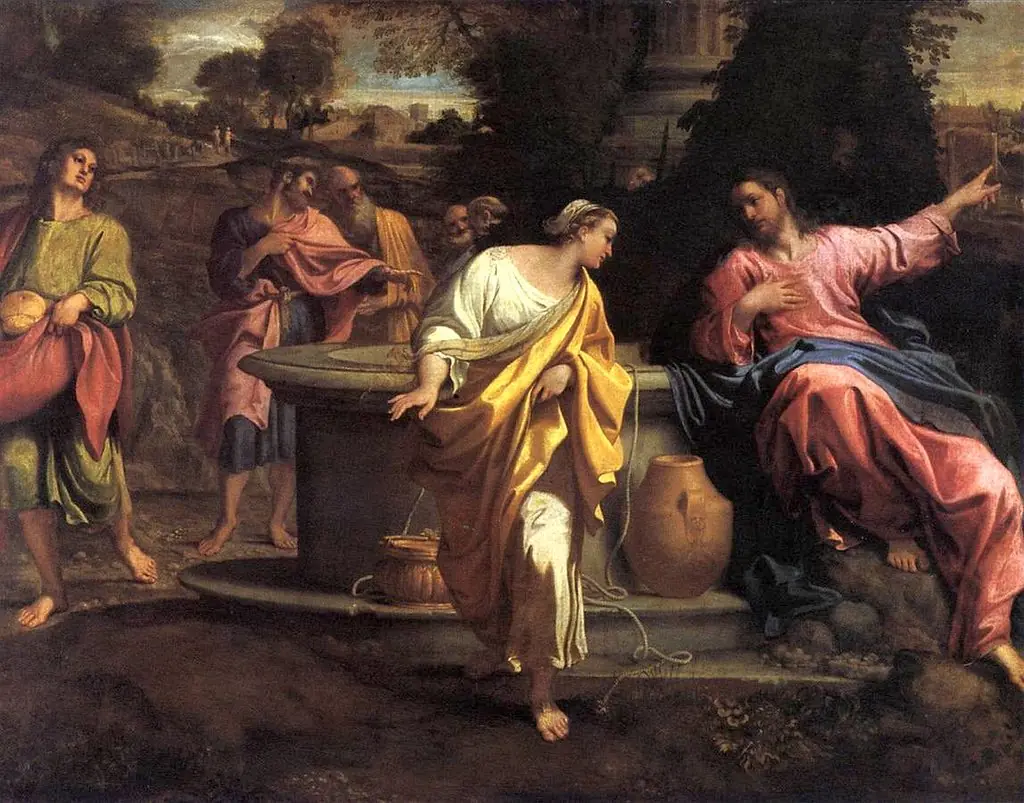
The scene captures Jesus speaking with a Samaritan woman at Jacob’s Well, an event notable for its challenge to social and religious boundaries. Jesus, seated on a stone wall, gestures toward her as she holds a water jug, symbolizing both physical thirst and spiritual longing. The surrounding figures observe in quiet attention, underscoring the significance of this moment of dialogue across cultural divides.
Technique & Style
Chiari employs rich, layered pigments to render textures of fabric, stone, and foliage with careful attention to detail. Soft modeling of light defines the figures’ forms, while the warm palette—pinks, blues, and golds—creates a harmonious yet grounded atmosphere. The composition directs the viewer’s gaze toward the central interaction, balancing naturalism with the ceremonial stillness typical of Baroque religious painting.
History & Provenance
The painting was likely commissioned for a private or ecclesiastical setting in Rome during Chiari’s active years. It entered the Museum of Fine Arts, Houston’s collection in the 20th century, though its earlier ownership history remains undocumented. Its preservation reflects its status as a representative work of a lesser-known but skilled Roman painter of the era.
Context
Created during a time when Roman artists were refining religious narratives for both public devotion and private contemplation, the work aligns with broader Counter-Reformation ideals emphasizing accessible biblical scenes. Chiari, trained in the tradition of Pietro da Cortona, adapted classical composition to convey spiritual intimacy, avoiding theatricality in favor of restrained emotional resonance.
Legacy
Though not widely exhibited outside institutional collections, the painting contributes to understanding the diversity of late Baroque religious imagery beyond major masters. Chiari’s approach—calm, detailed, and psychologically subtle—offers a counterpoint to the more dramatic styles of his contemporaries, preserving a quieter strand of 18th-century Italian devotional art.
Own this work as a print
Artist & collection
Artist
Giuseppe Bartolomeo Chiari (10 March 1654 – 8 September 1727), also known as simply Giuseppe Chiari, was an Italian painter of the late-Baroque period, active mostly in Rome.

 Christ and the Samaritan Woman
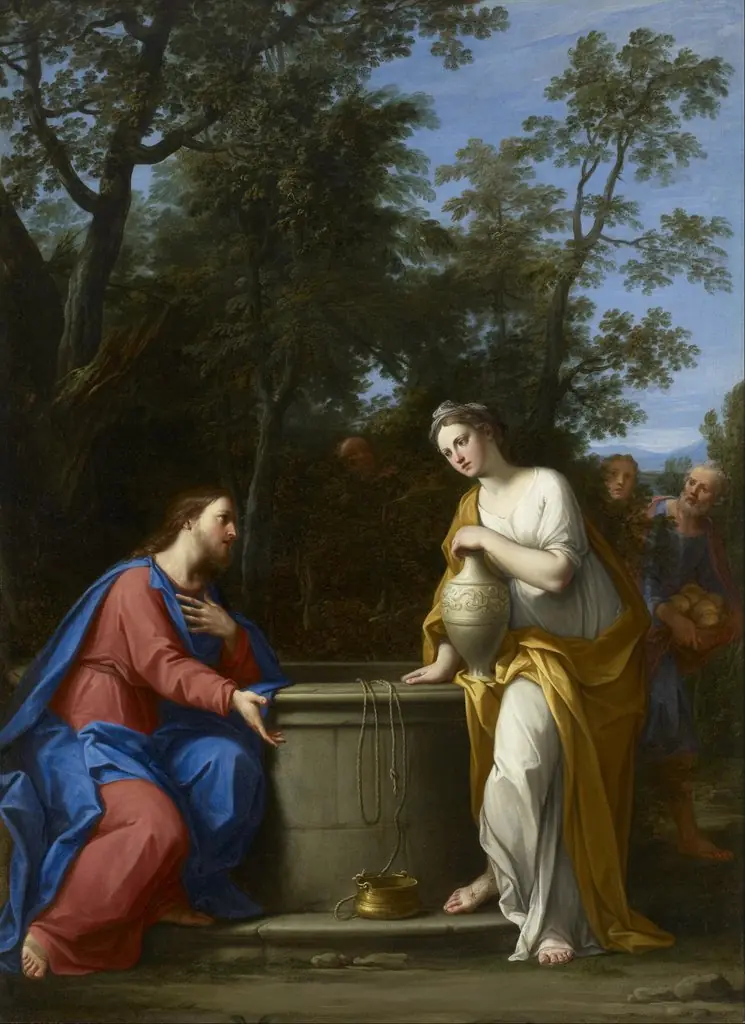 Christ and the Woman of Samaria
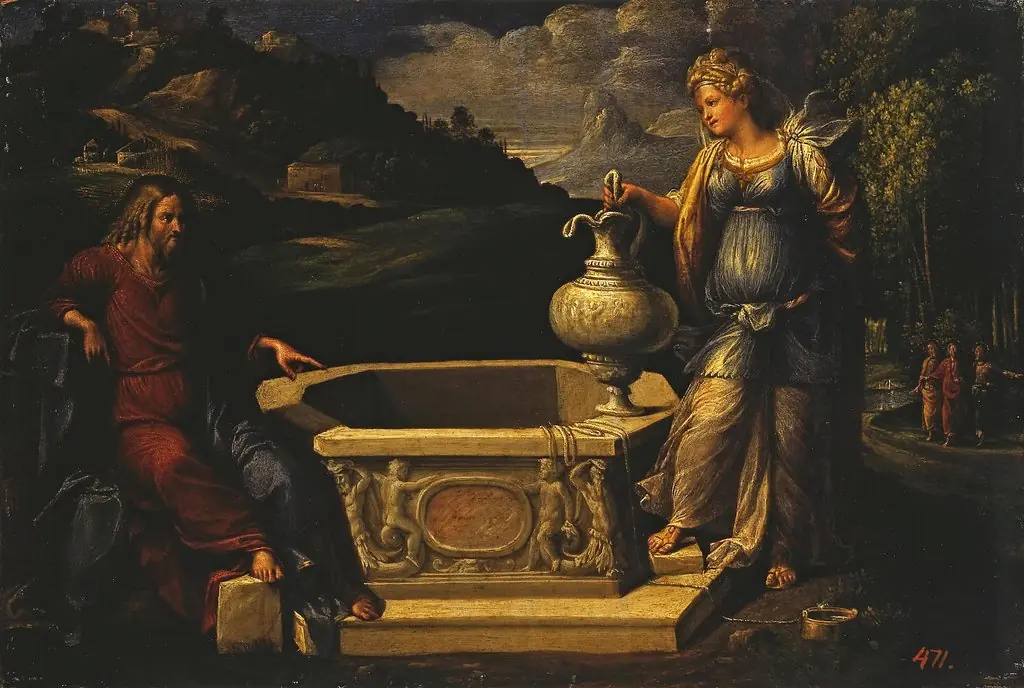 Christ and the Samaritan Woman
 Christ and the Woman of Samaria
 Christ and the Woman of Samaria
 Christ and the Woman of Samaria
 Christ and the Woman of Samaria
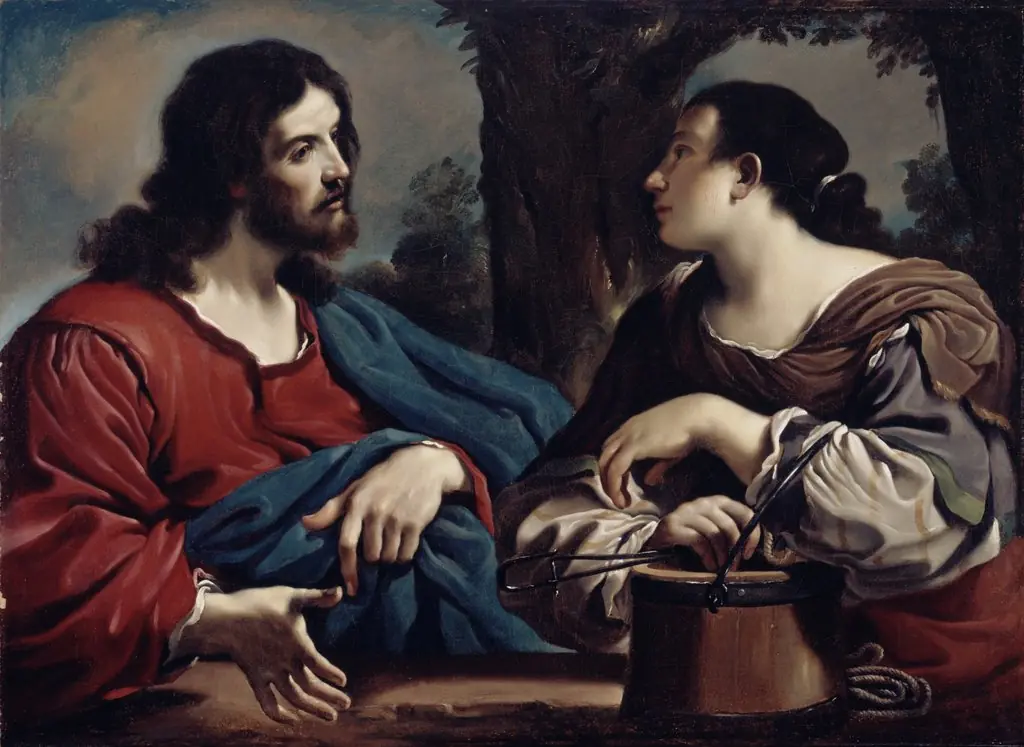 Christ and the Woman of Samaria
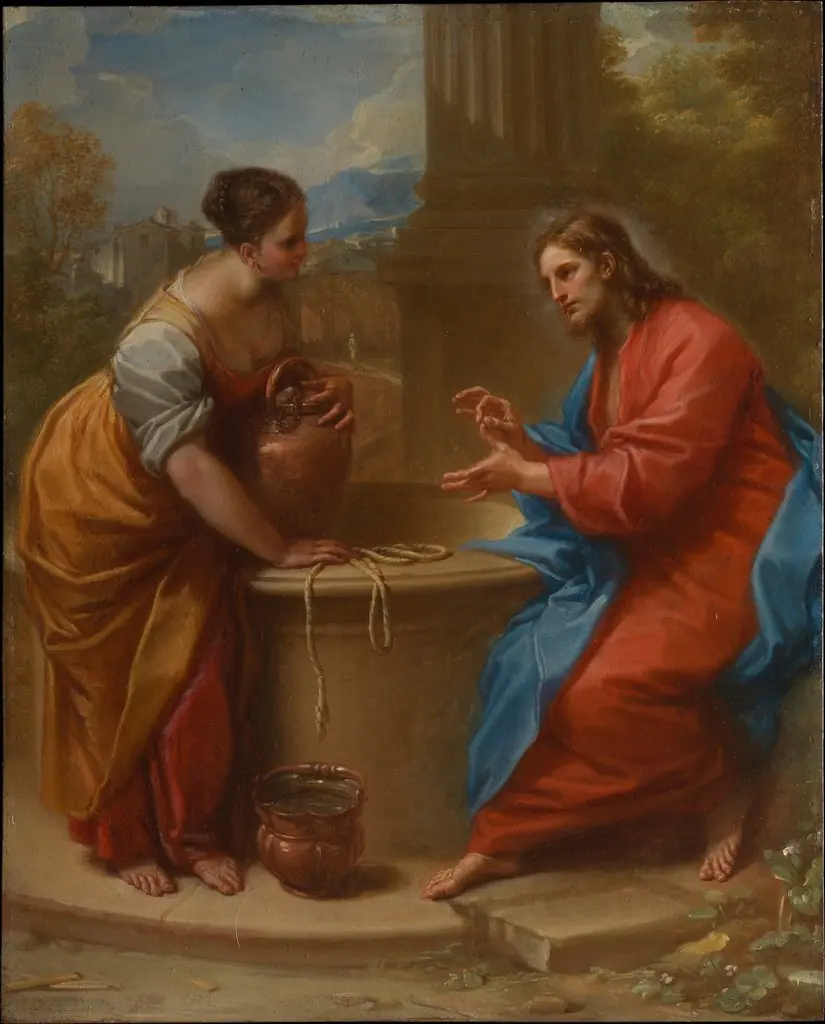 Christ and the Woman of Samaria
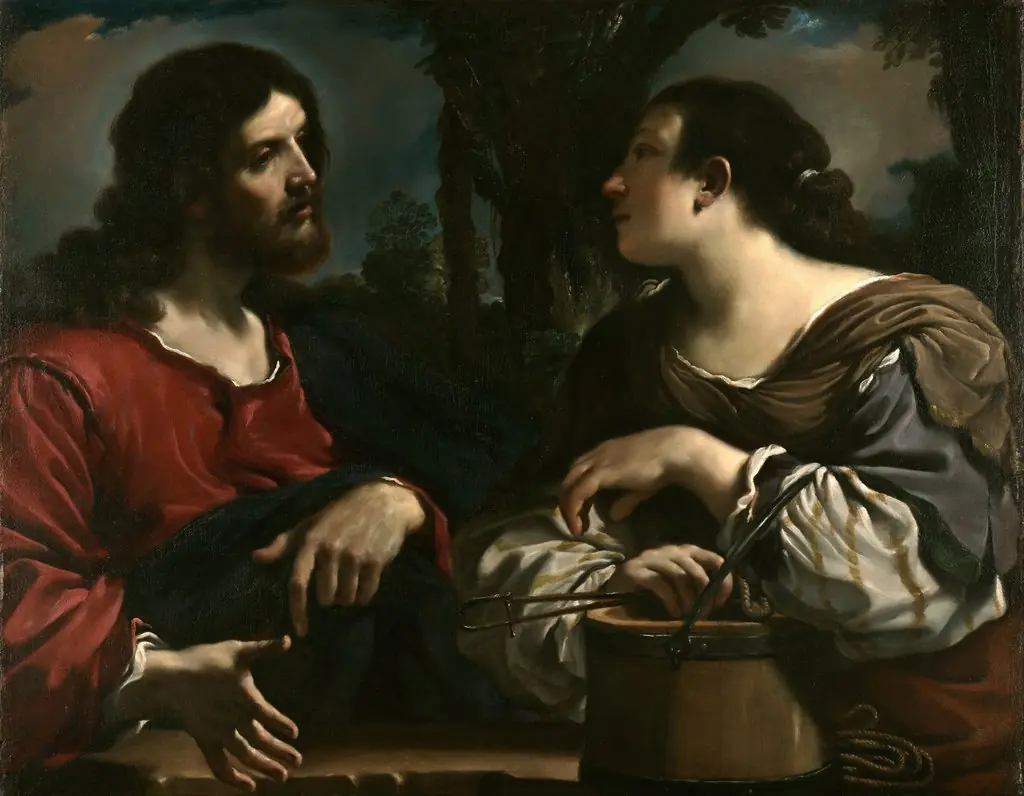 Christ and the Woman of Samaria
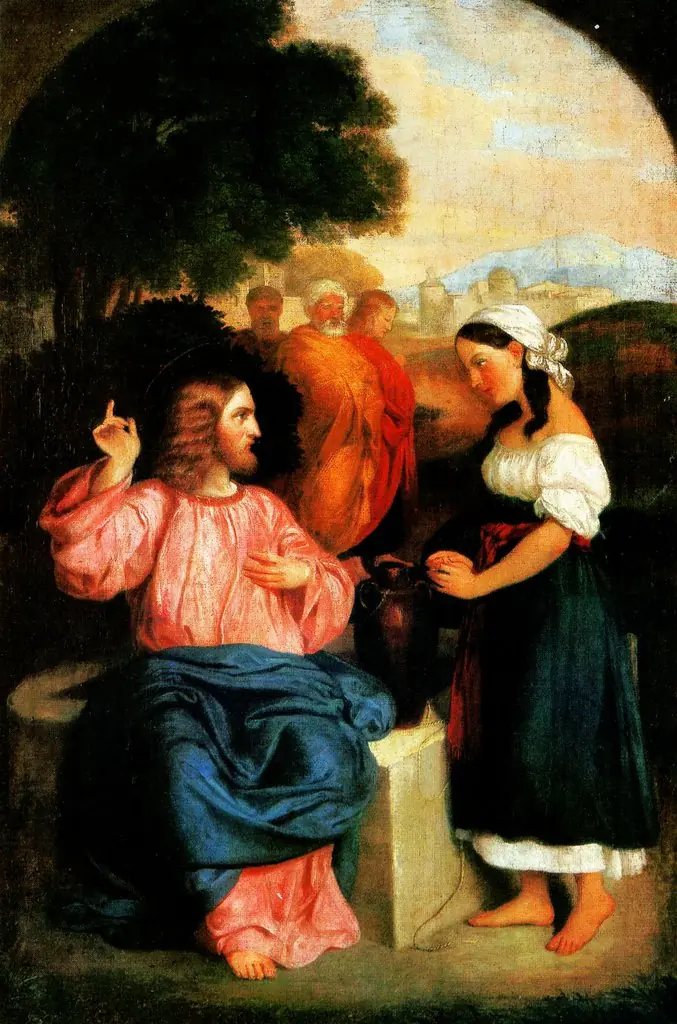 Christ and the Samaritan woman
 Christ and the Woman of Samaria