Artwork
Autoportret
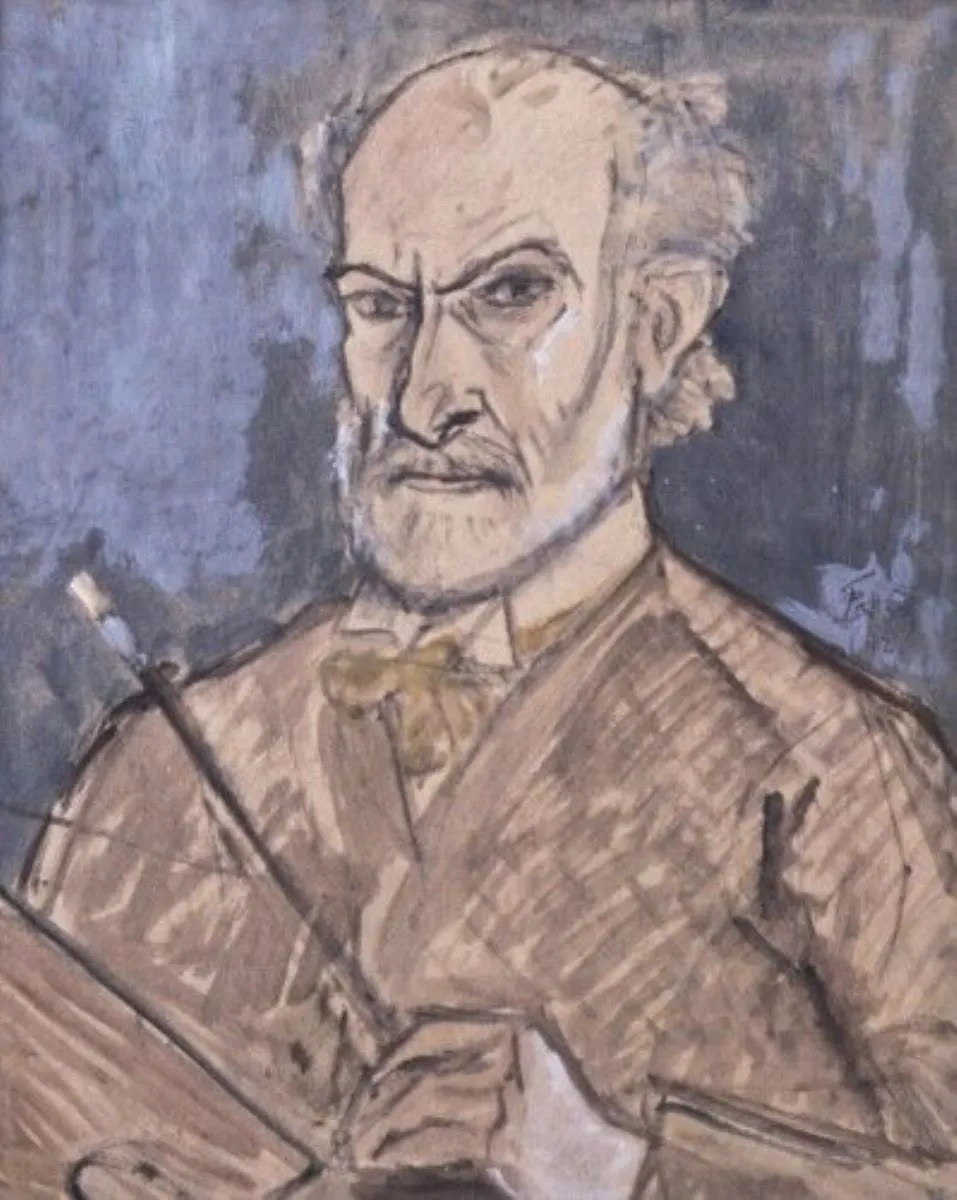
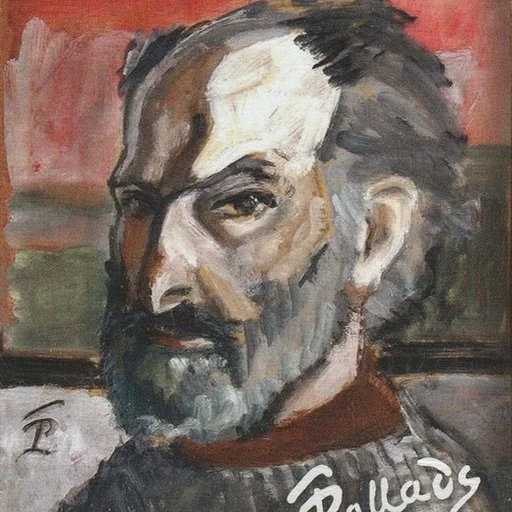
Autoportret is an unspecified painting by Theodor Pallady. It dates from 1942 and is held in the collection of the National Museum of Art of Romania.
About this work
Overview
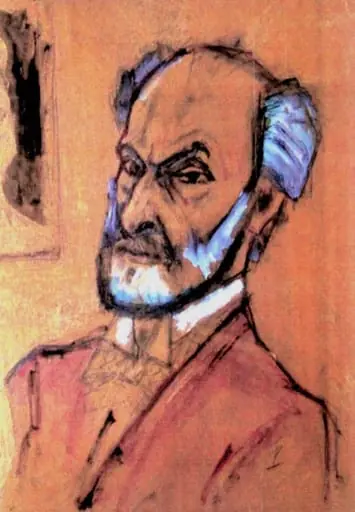
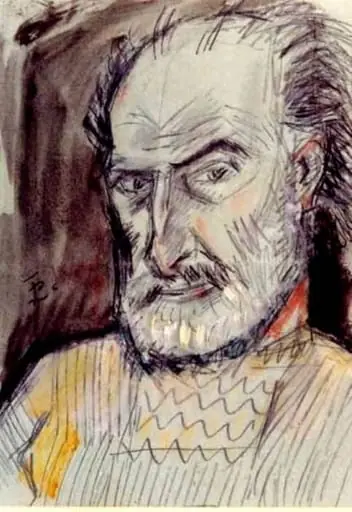
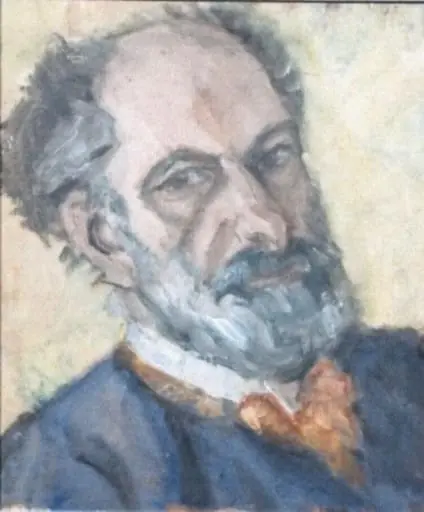
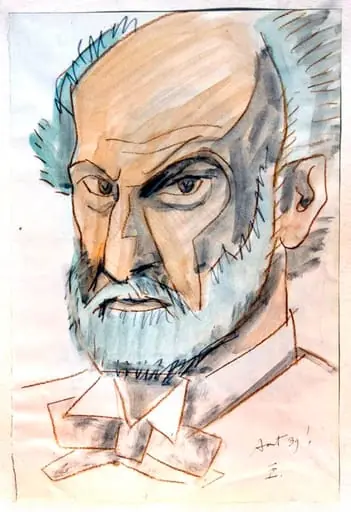
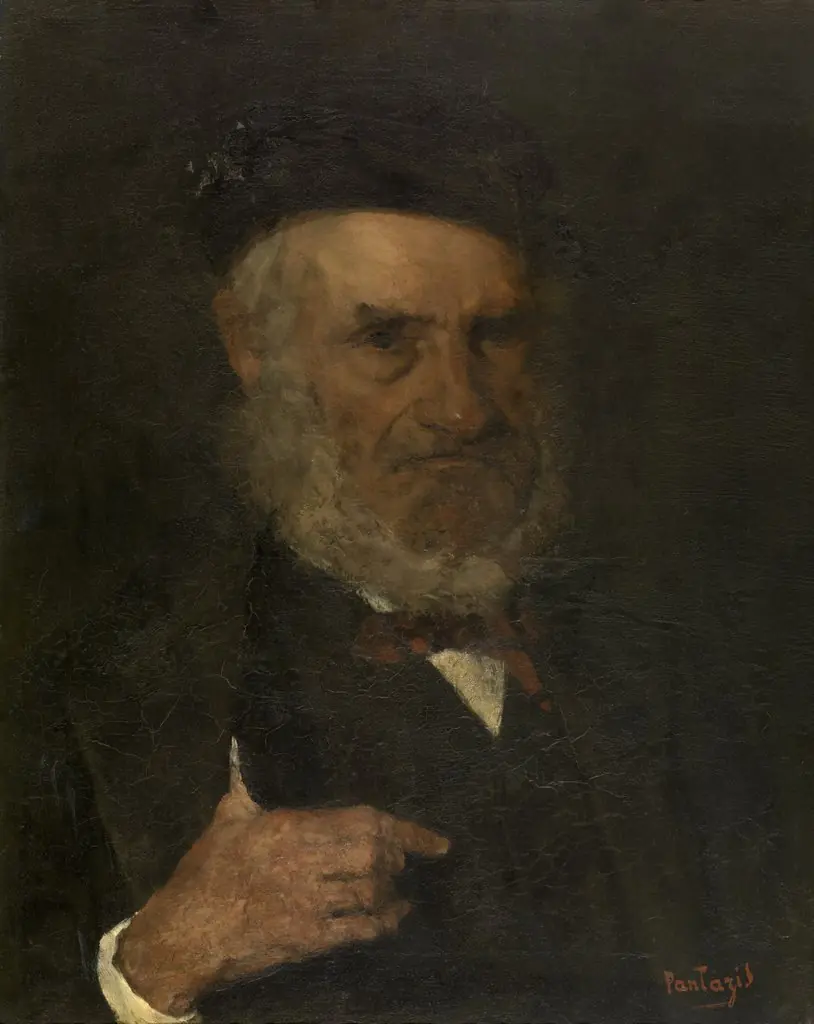
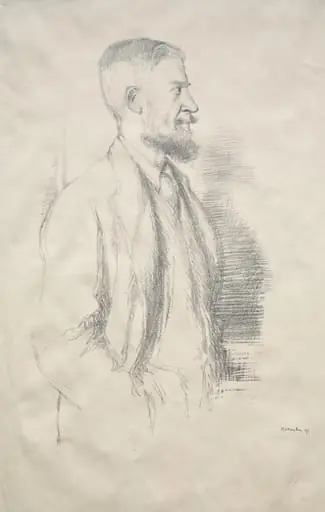
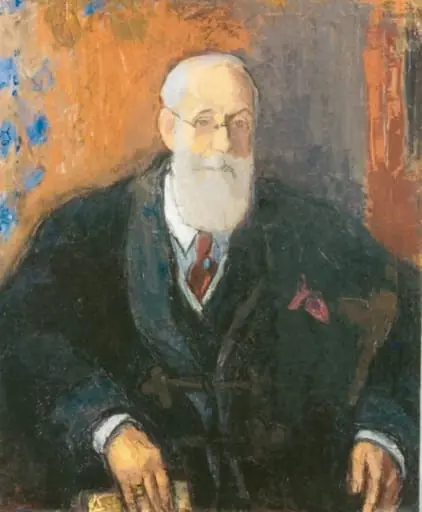
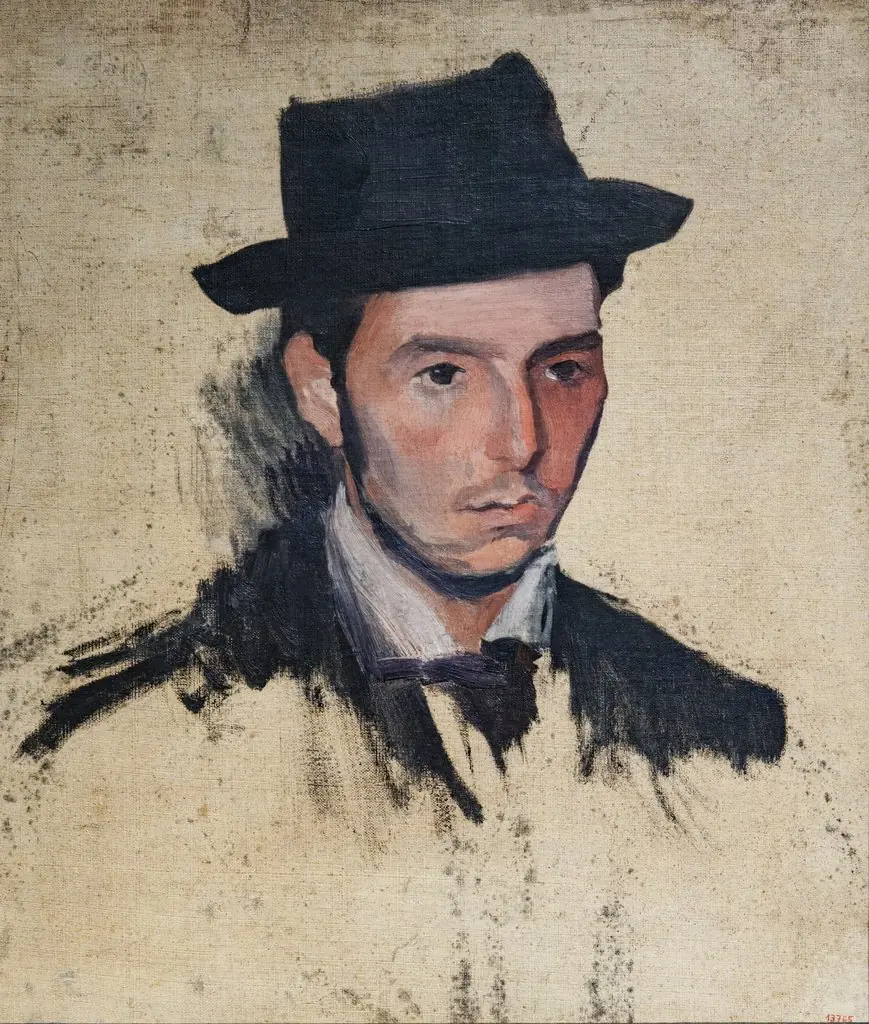
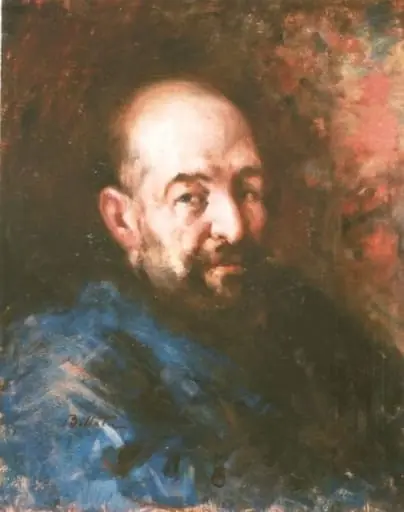
Painted in 1942, Autoportret is a self-portrait by Romanian artist Theodor Pallady. It presents a tightly framed view of the artist in later life, emphasizing his facial features against a deep, unadorned background. The composition strips away distraction, centering attention on expression and texture, with no indication of setting or context beyond the figure.
Subject & Meaning
The portrait captures Pallady in old age, his white hair, full beard, and mustache rendered with quiet dignity. His serious gaze and still posture suggest introspection rather than performance. The absence of external symbols or props implies a focus on inner presence, as if the painting is less an assertion of identity and more an observation of it.
Technique & Style
Pallady employed loose, tactile brushwork that conveys texture without polish—hair, fabric, and skin are suggested through layered strokes rather than smooth blending. Strong chiaroscuro defines the planes of his face, with light carving out cheekbones and brow while shadows recede into the dark ground. The contrast enhances volume without artificial realism.
History & Provenance
Created during World War II, the painting reflects a period of personal and national upheaval in Romania. Though little is documented about its immediate reception, it remained within Pallady’s circle and was later acquired by Romanian state collections. Its survival through wartime conditions underscores its personal significance to the artist.
Context
Pallady, trained in Paris and influenced by Impressionism and Post-Impressionism, maintained a restrained approach in his later years. Autoportret aligns with his tendency toward psychological depth over decorative flourish. The work stands apart from his earlier, more colorful landscapes, revealing a shift toward introspective realism during his final decades.
Legacy
The painting is recognized as one of Pallady’s most direct self-representations, valued for its emotional restraint and technical honesty. It contributes to the broader understanding of Romanian modernism, illustrating how artists of his generation used portraiture to confront aging and identity without theatricality.
Artist & collection