Artwork
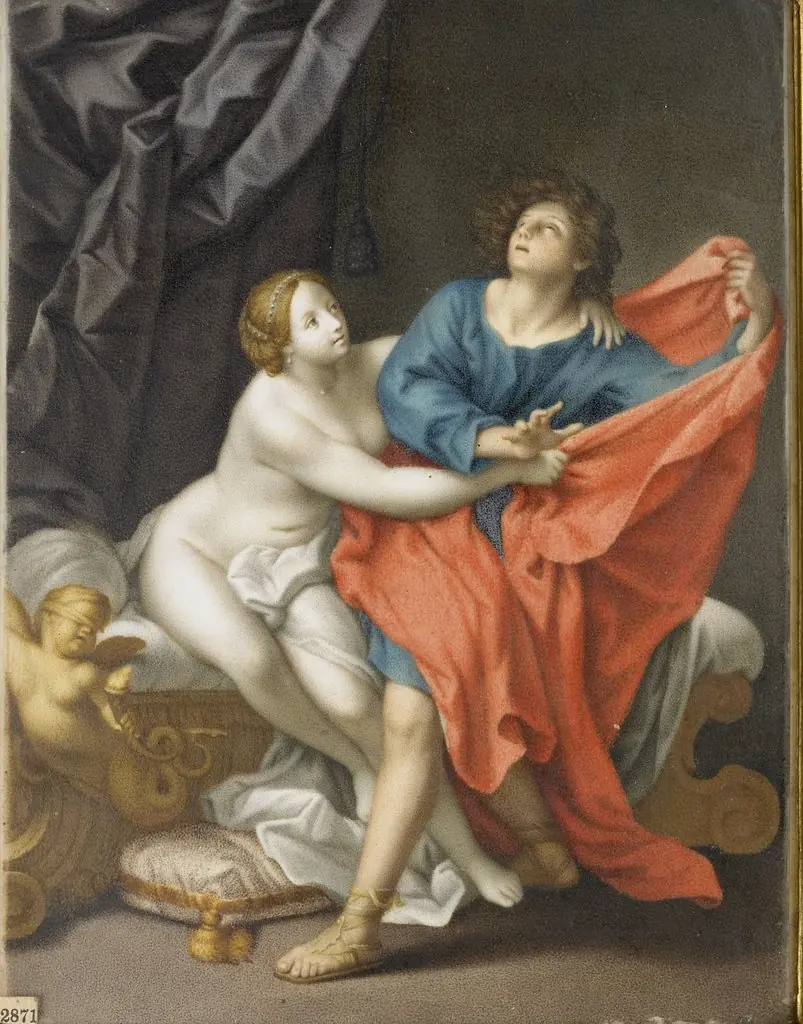
Joseph and Potiphar's Wife
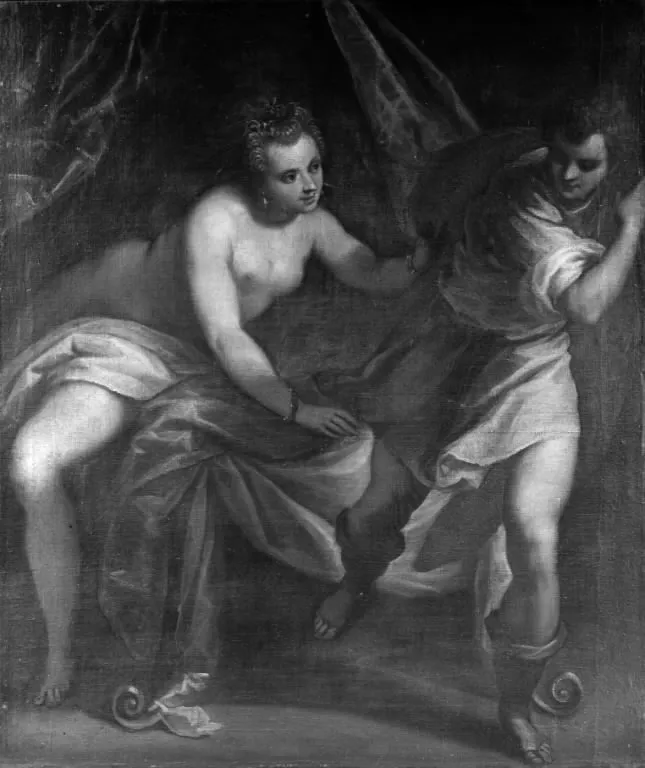
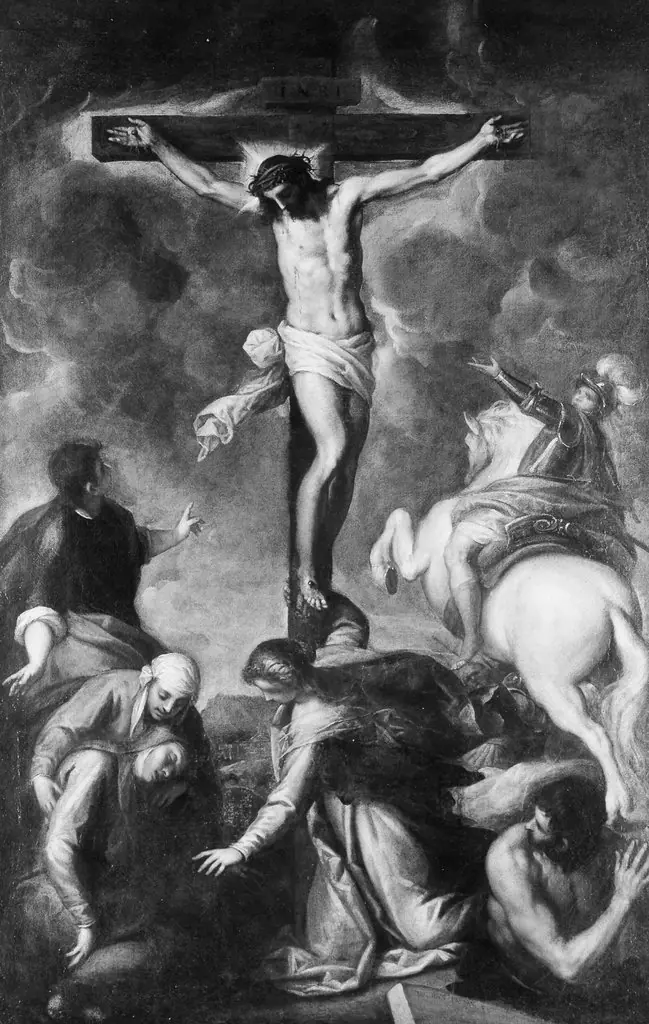
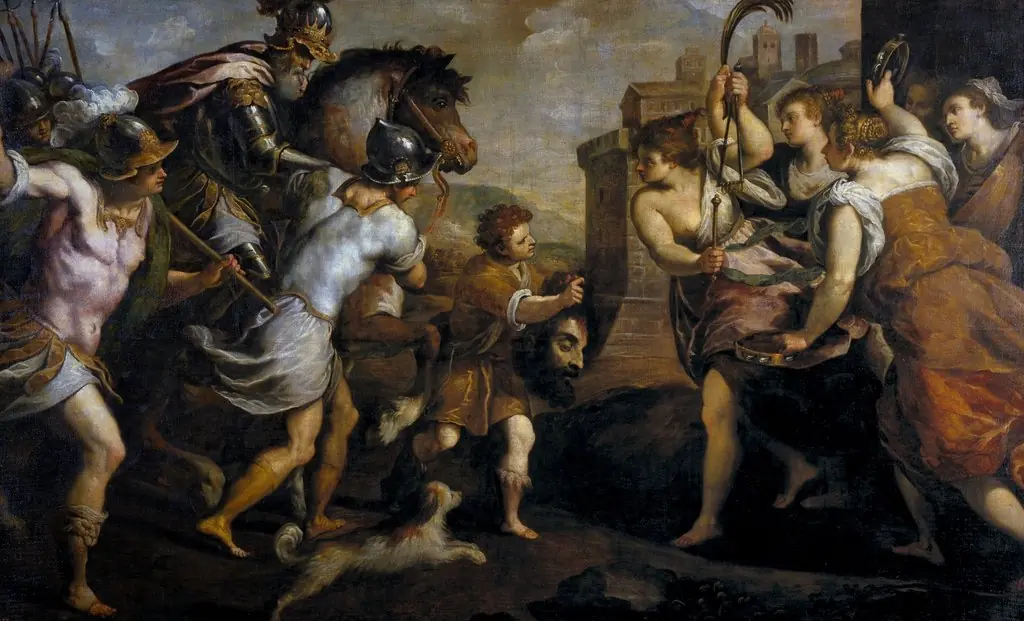
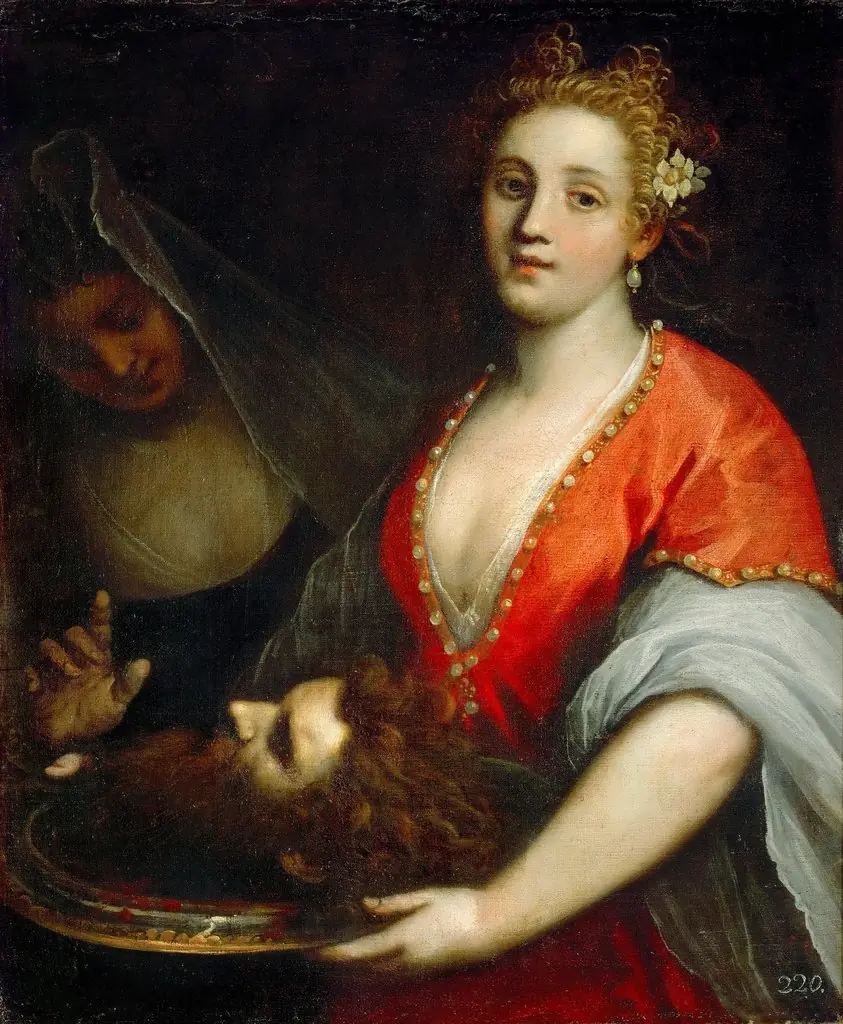
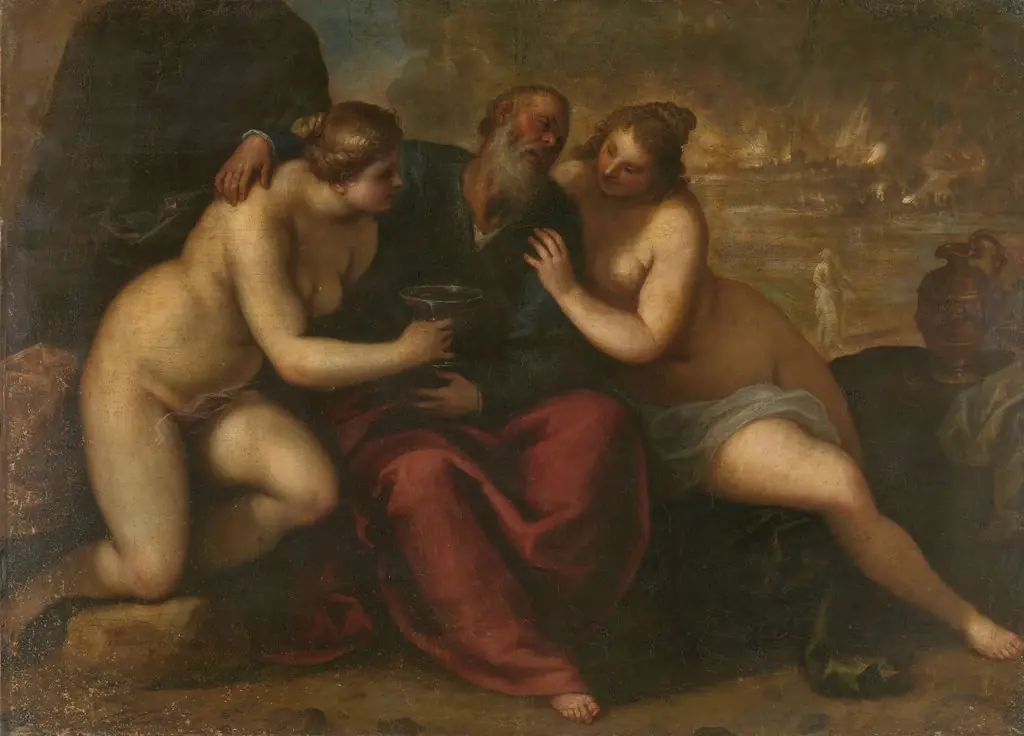
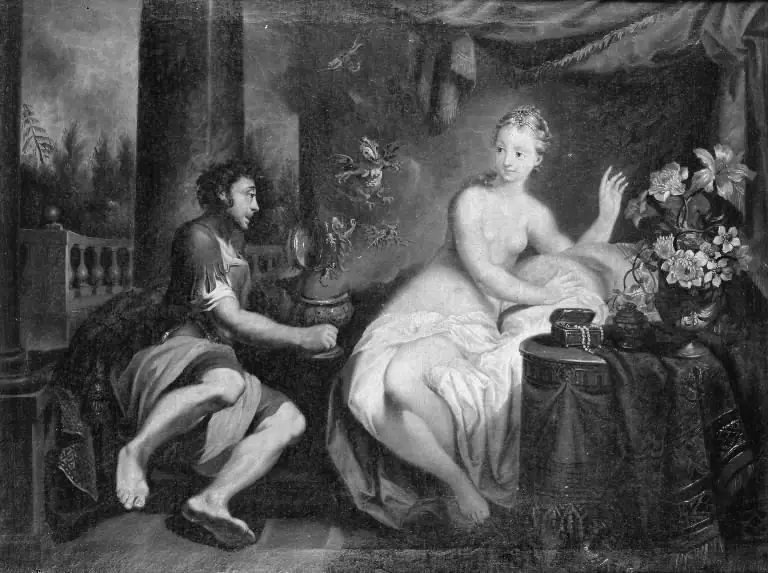
Joseph and Potiphar's Wife is an oil painting by the Mannerist artist Palma il Giovane. It dates from 1594 and is held in the collection of the Statens Museum for Kunst.
About this work
Overview
Created circa 1594 by the Venetian painter Palma il Giovane, this oil on canvas portrays the biblical episode in which Joseph resists the seductive overtures of Potiphar’s wife. Executed in the late‑Mannerist idiom, the work now belongs to the collection of the Statens Museum for Kunst in Copenhagen.
Subject & Meaning
The composition captures the moment of moral tension: Joseph, depicted seated and modestly clothed, is confronted by the wife of his Egyptian master, who reaches toward him while holding a piece of fabric. The narrative underscores themes of virtue and temptation drawn from the Book of Genesis, a common moral exemplar in Counter‑Reformation art.
Technique & Style
Palma employs a restrained chiaroscuro, allowing a soft light to illuminate the figures against a deep, shadowed backdrop. The contrast accentuates the textures of skin and drapery, giving the scene a three‑dimensional presence. The elongated poses and elegant gestures reflect the Mannerist preference for stylized anatomy and sophisticated composition.
History & Provenance
Following the death of Tintoretto in 1594, Palma il Giovane assumed a leading role in Venice’s artistic scene, inheriting and adapting his predecessor’s dynamic approach. The painting entered the Statens Museum for Kunst’s holdings in the 20th century, where it remains on public display as part of the museum’s European Baroque collection.
Artist & collection
Artist
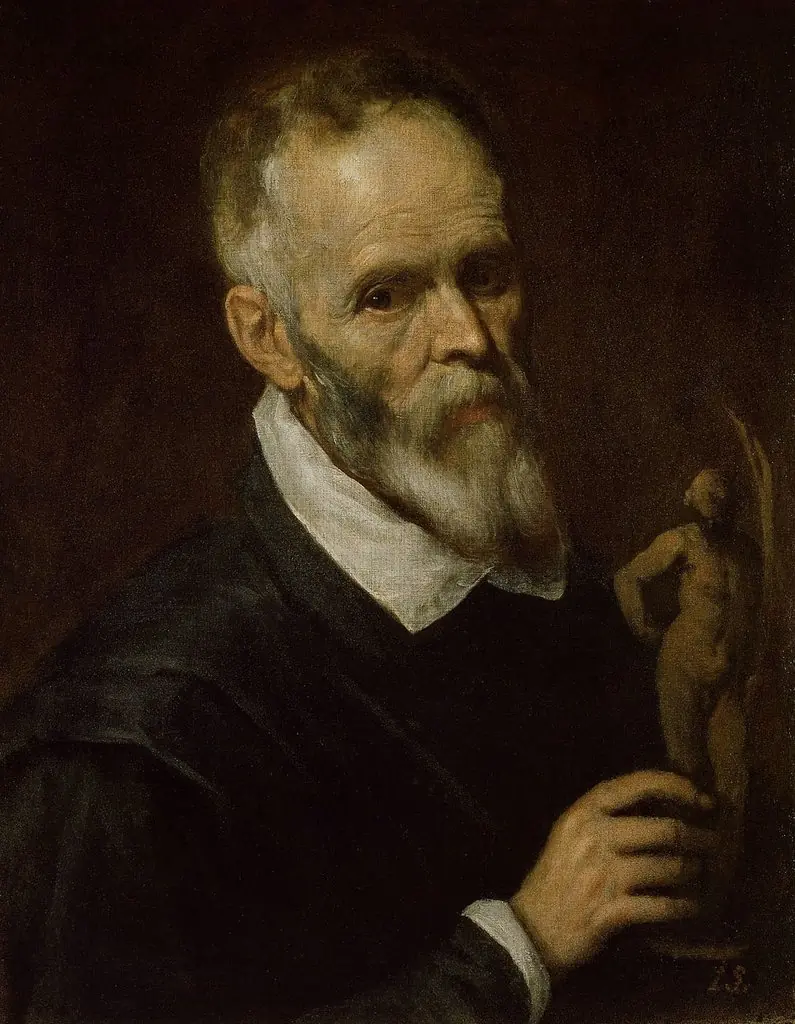
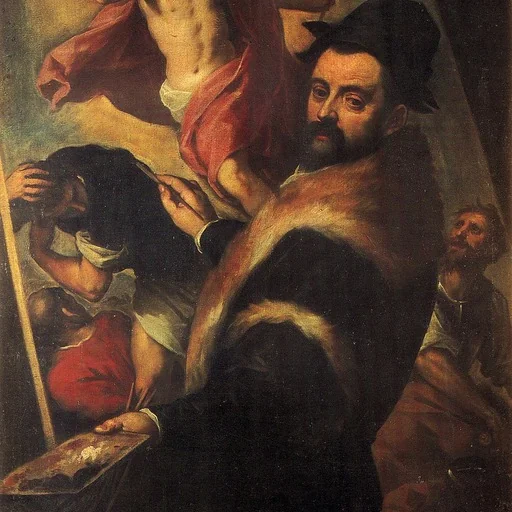
Iacopo Negretti (1548/50 – 14 October 1628), best known as Jacopo or Giacomo Palma il Giovane or simply Palma Giovane ('Young Palma'), was an Italian painter from Venice and a notable exponent of the Venetian school.