Artwork
Jozef en de vrouw van Potifar
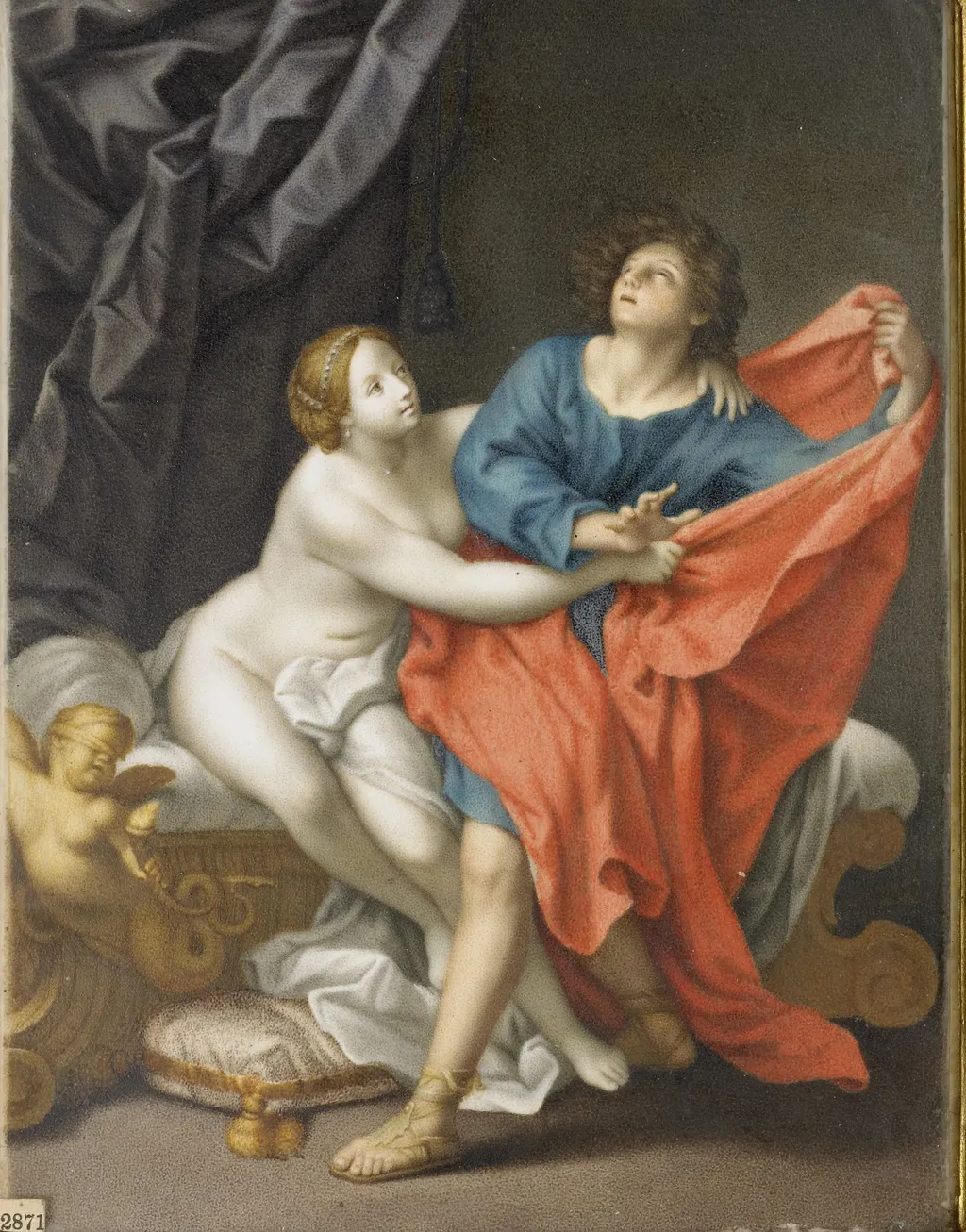
Jozef en de vrouw van Potifar is an ivory painting by the Rococo painting artist Giovanni Felice Ramelli. It dates from 1726 and is held in the collection of the Rijksmuseum.
About this work
Overview
Giovanni Felice Ramelli, an Italian painter and Augustinian abbot active in early 18th‑century Rome, executed a small ivory painting in 1726 that is now part of the Rijksmuseum’s collection. The work belongs to the Rococo period and portrays a moment from the biblical narrative of Joseph and Potiphar’s wife.
Subject & Meaning
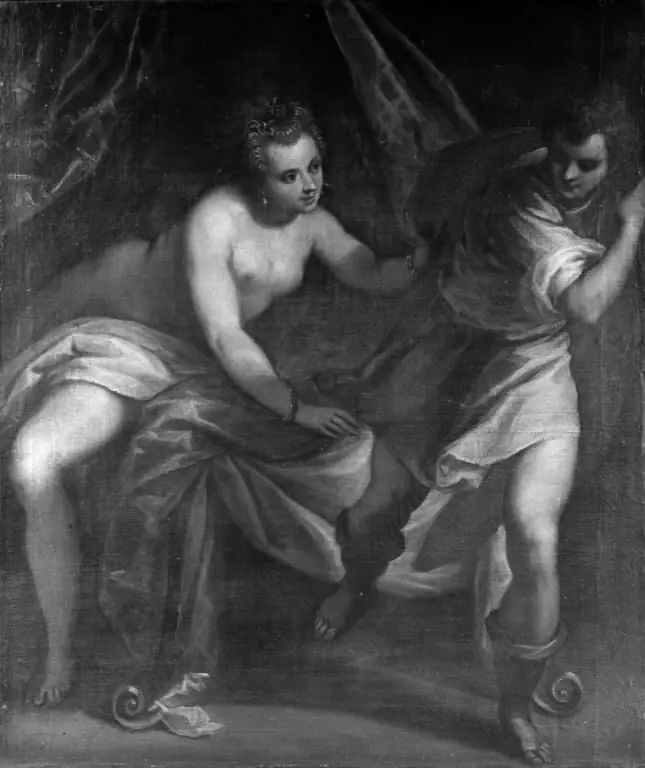
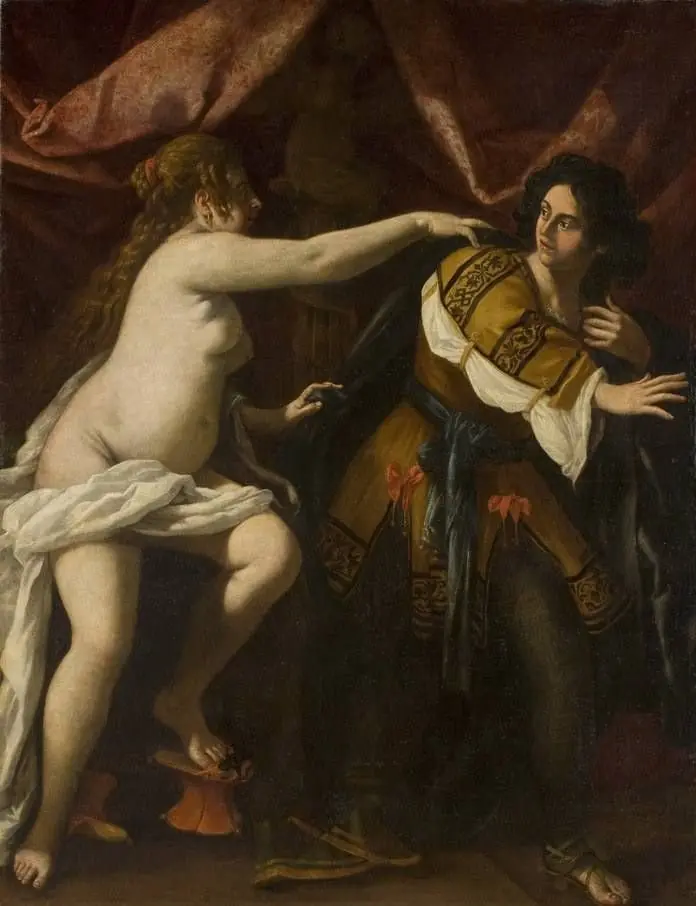
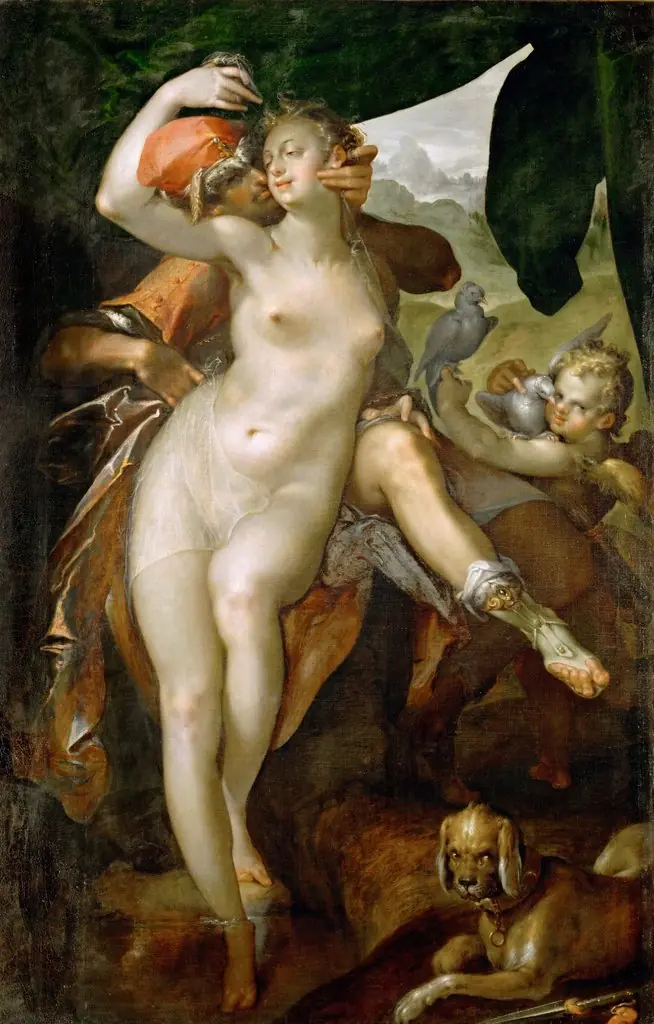
The composition illustrates the encounter between Joseph and Potiphar’s wife, identified here as Zulaikha. The female figure is shown nude, embracing the male figure, a visual cue to the attempted seduction that leads to Joseph’s false accusation.
Technique & Style
Rendered on ivory, the piece employs the delicate brushwork and pastel tonalities characteristic of Rococo art. Ramelli’s handling of light creates a subtle chiaroscuro effect, highlighting the figures against a darker, muted background while a small golden cherub adds a decorative flourish.
History & Provenance
Created in 1726, the painting entered the Rijksmuseum’s holdings at an unspecified date, where it remains on display as part of the museum’s European Baroque collection. Its provenance reflects the broader interest in biblical subjects among Italian court and ecclesiastical patrons of the period.
Artist & collection
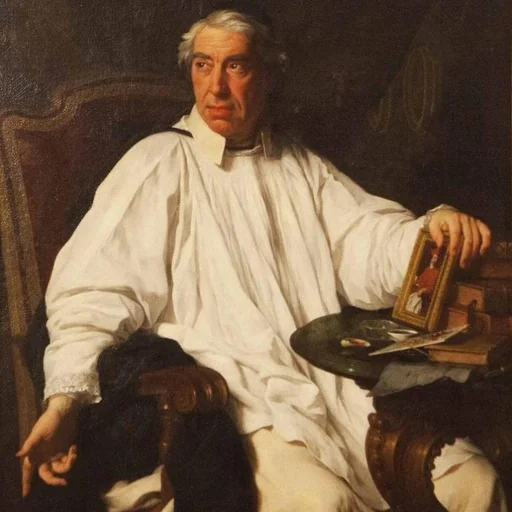
Artist
Giovanni Felice Ramelli (1666–1740) was an Italian painter of the Baroque period, active mainly in Rome. He also became an abbot of the Augustinian order of Canons Regular of the Lateran.