Artwork
Jupiter, Juno, Cybele and Neptune
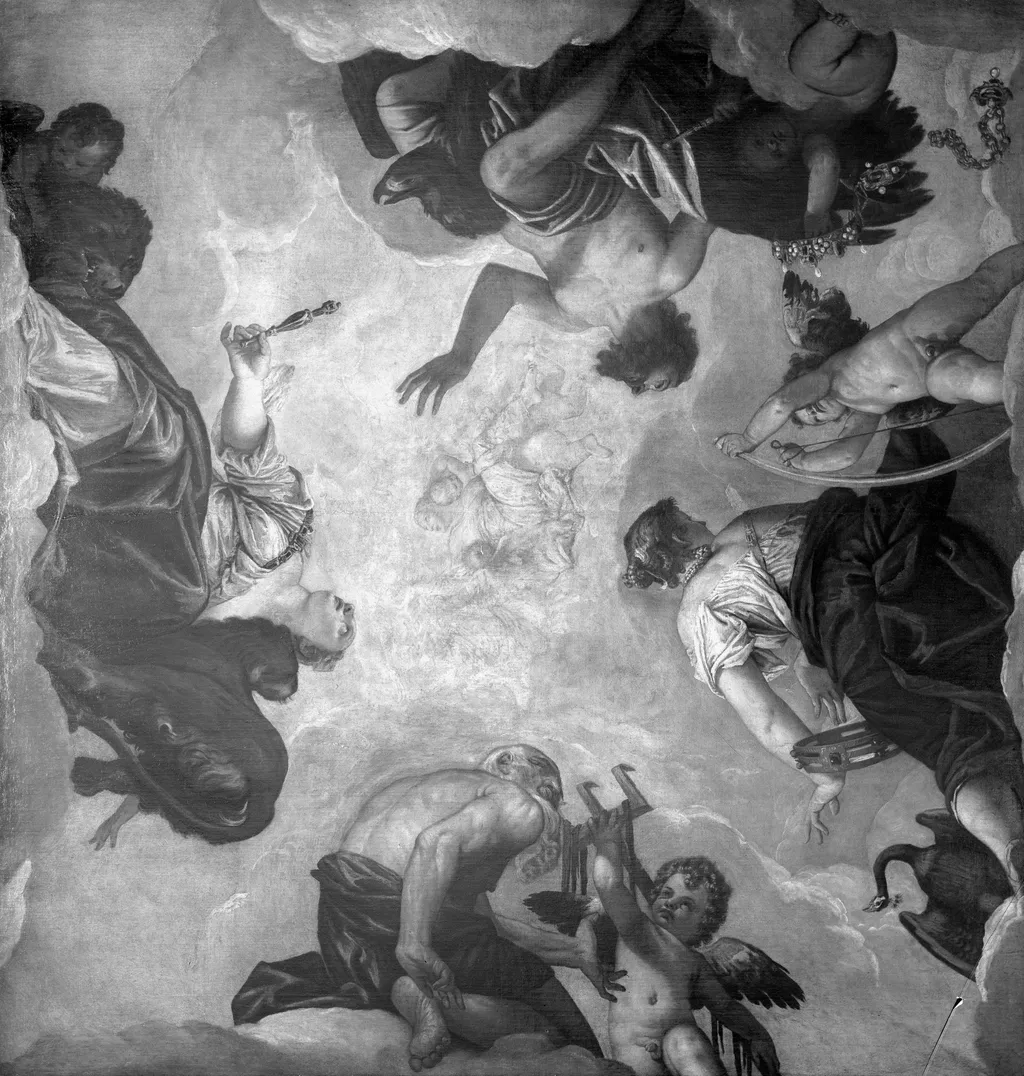
Jupiter, Juno, Cybele and Neptune is a paint painting by the Mannerist artist Paolino Caliari. It dates from 1565 and is held in the collection of the Gemäldegalerie Berlin.
About this work
Overview
Painted in 1565 by Paolino Caliari, this work depicts four major deities from classical mythology arranged in a celestial composition. Executed in oil on panel, it is part of the collection at the Gemäldegalerie in Berlin. The figures are positioned diagonally across a cloud-filled sky, their gestures and attributes suggesting a moment of divine interaction rather than narrative action.
Subject & Meaning
The painting brings together Jupiter, ruler of the gods; Juno, his queen; Cybele, the mother goddess of Anatolia; and Neptune, god of the sea. Each figure is identified by traditional iconography: scepter, bow, torch, and trident. Their mutual gaze implies a council or alignment of powers, possibly symbolizing cosmic order or the harmony of natural forces under divine authority.
Technique & Style
Caliari employs rich pigments and fine brushwork to render the figures with precision, emphasizing fabric textures, metallic accents, and anatomical detail. The cloudy backdrop is rendered with soft gradients, enhancing the sense of depth. The figures are arranged in a balanced yet dynamic composition, with flowing drapery and varied poses that guide the viewer’s eye across the panel.
History & Provenance
The painting entered the Gemäldegalerie Berlin’s collection in the 19th century, likely acquired through the broader European consolidation of Renaissance and Mannerist works. Its attribution to Paolino Caliari, son of the more famous Paolo Veronese, reflects the artist’s role within a prominent Venetian workshop tradition, though his independent oeuvre remains less documented.
Context
Created during the height of Mannerism, the work aligns with Venetian tendencies toward mythological subjects and elaborate figural arrangements. While not tied to a specific literary source, its grouping of deities reflects contemporary interest in syncretic classical iconography, often used to convey political or philosophical ideals through allegory in aristocratic collections.
Legacy
Though not widely reproduced or studied compared to works by his father, Caliari’s painting offers insight into the transmission of Venetian style beyond its most celebrated masters. Its preservation in Berlin underscores the 19th-century European fascination with mythological painting as a vehicle for cultural continuity and artistic refinement.
Own this work as a print
Artist & collection

 The Apotheosis of Hercules
 Allegorie der Malerei
 The Three Graces
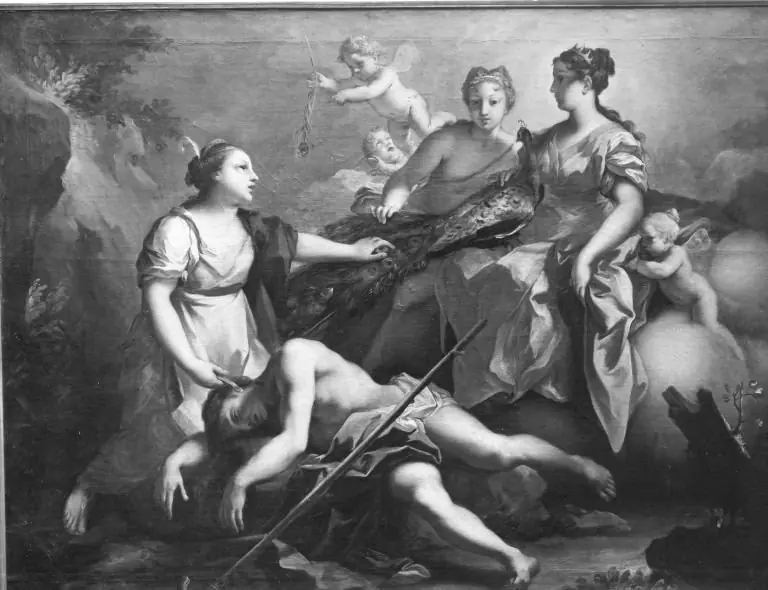 Die Argusaugen
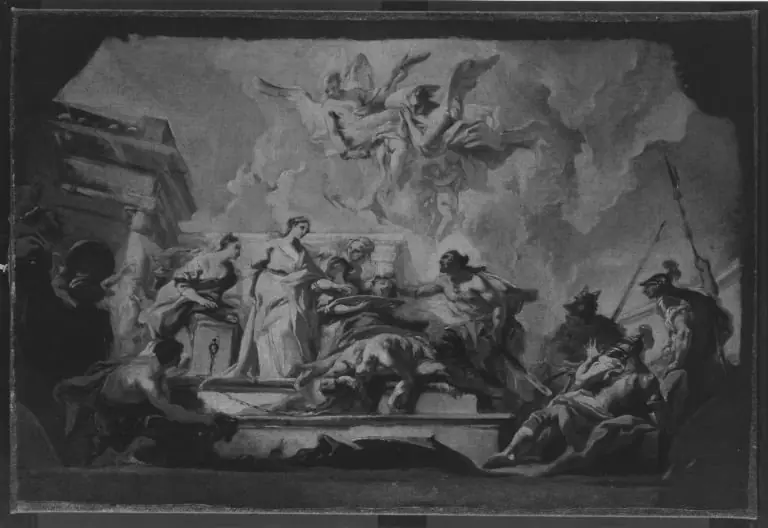 Enthauptung Johannes des Täufers
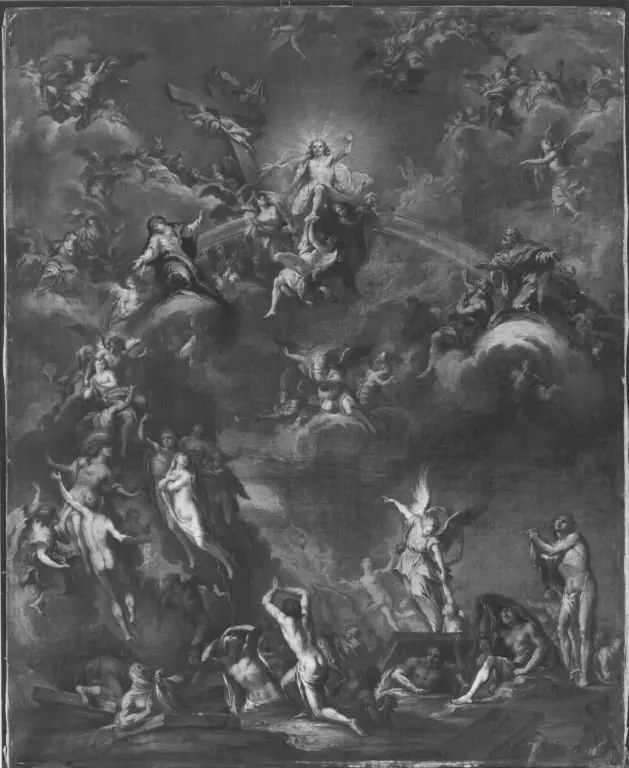 Jüngstes Gericht
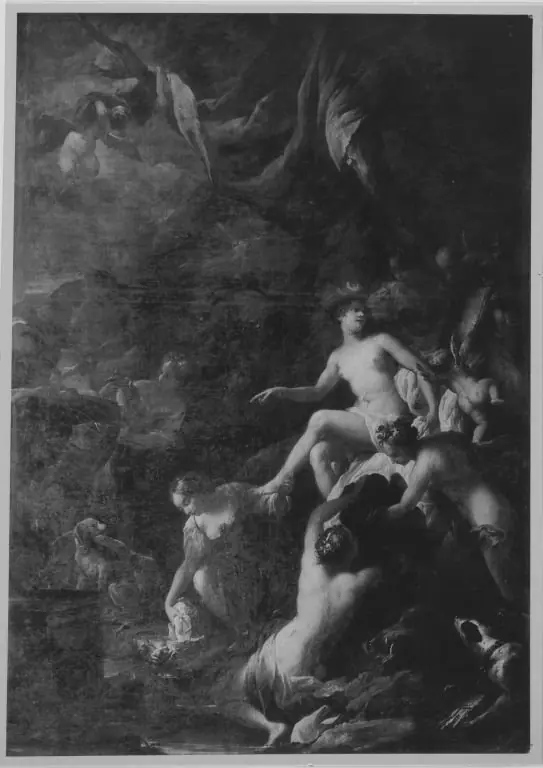 Das Bad der Diana
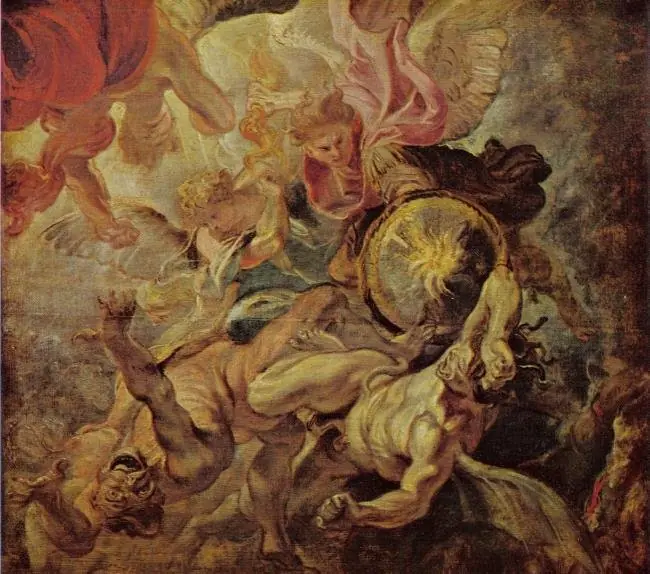 The archangel Michael defeats Satan and the rebellious angels (Revelations 12:7-9), 1620
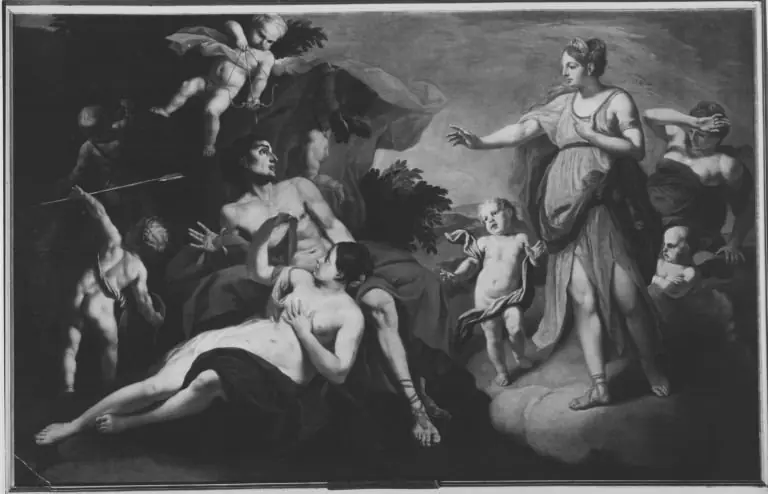 Fehltritt der Kallisto
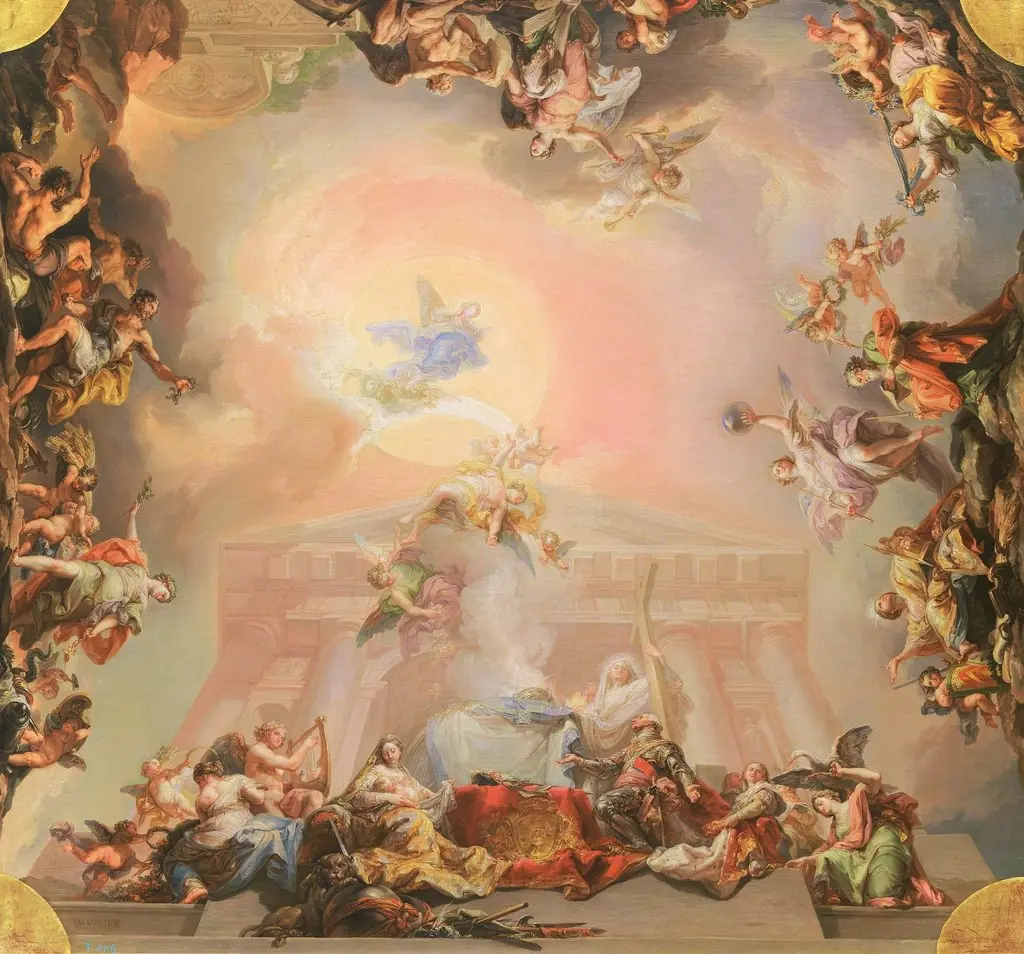 Sketch for Allegory of the Institution of the Order of Charles III
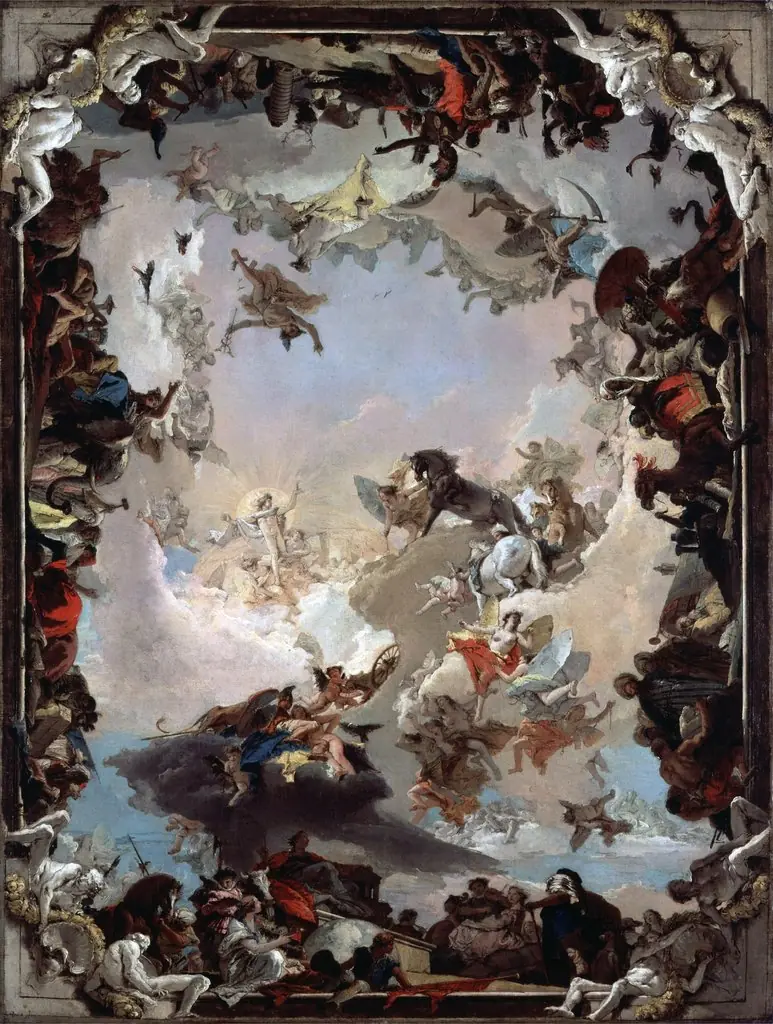 Allegory of the Planets and Continents
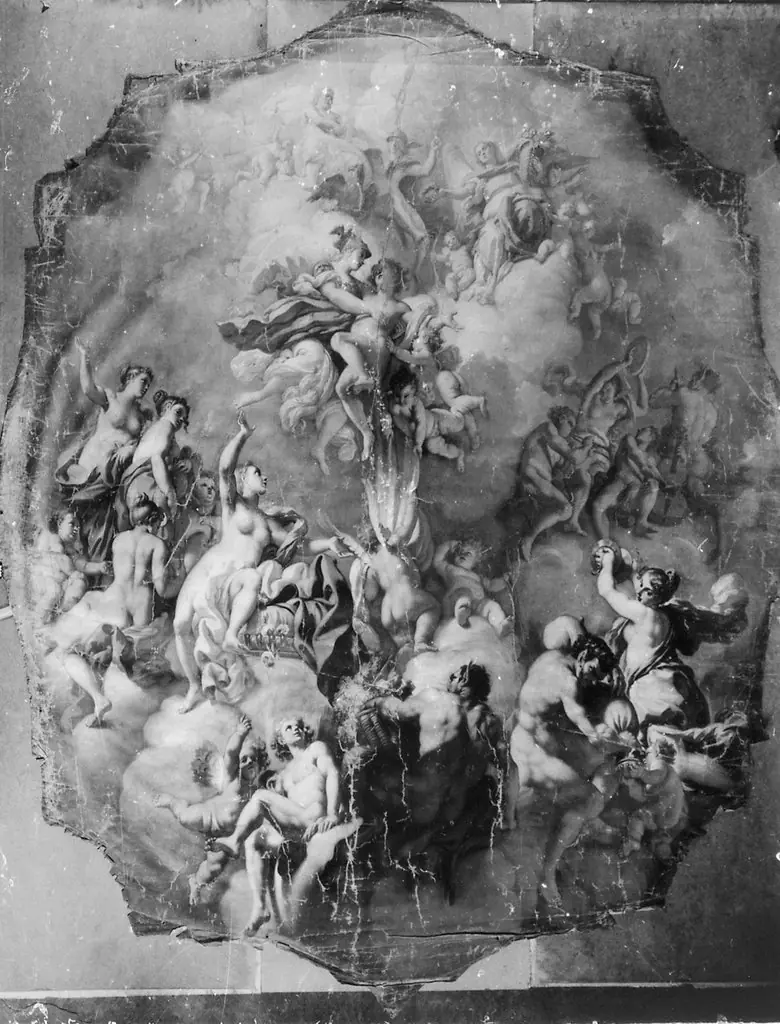 Pallas entführt Juventus aus den Armen der Venus