Artwork
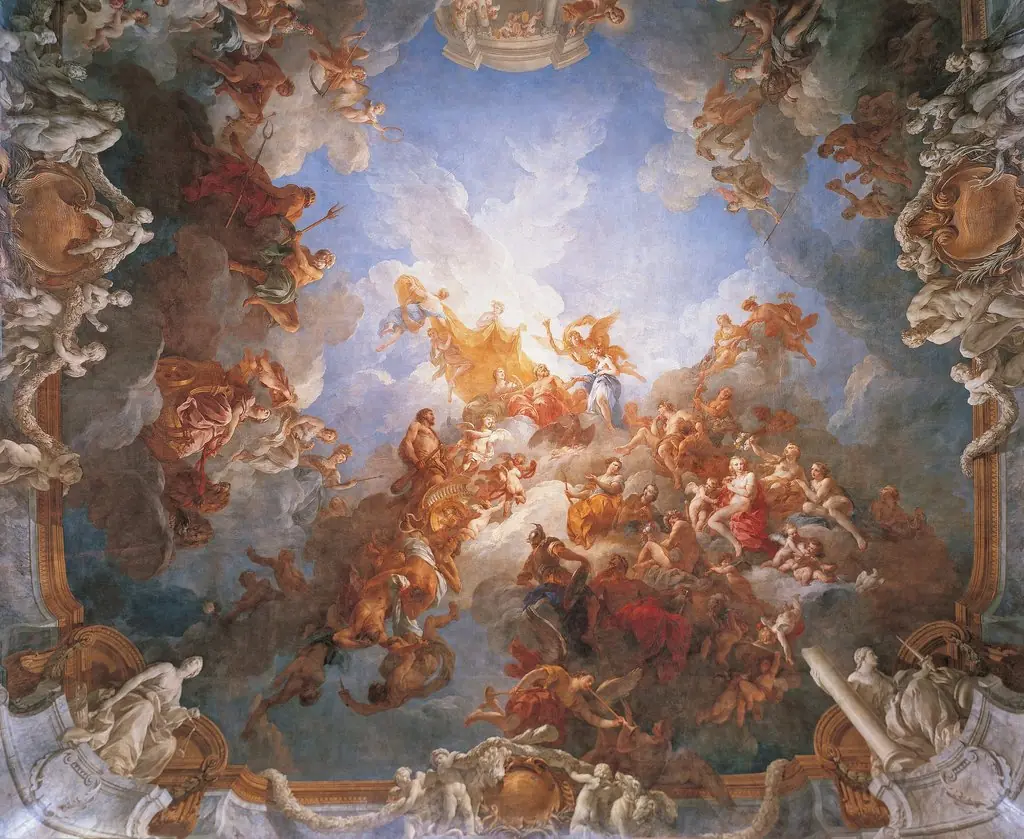
The Apotheosis of Hercules
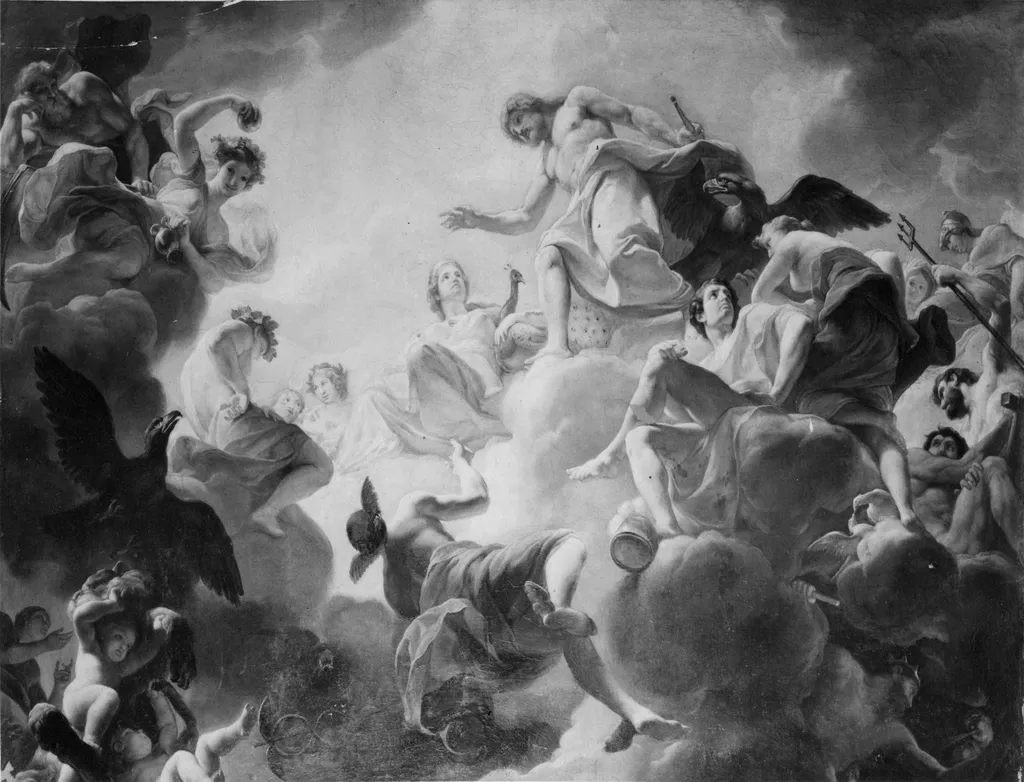
The Apotheosis of Hercules is an oil painting by the Rococo painting artist Cristoforo Unterperger. It dates from 1792 and is held in the collection of the Walters Art Museum.
About this work
Overview
The Apotheosis of Hercules is a mythological oil painting created by Cristoforo Unterperger in 1792, characterized by dynamic movement and energy. Executed in the early Neoclassical style with Rococo influences, the work showcases the artist's Italian training.
Subject & Meaning
The painting centers on Hercules, depicted in a white toga with his club, surrounded by multiple figures, including winged beings and those in downward motion. An eagle in the bottom left corner symbolically associates with the hero, underscoring his mythological significance.
Technique & Style
Unterperger employed chiaroscuro to achieve strong light-dark contrasts, adding depth and drama. The overlapping figures and varied interactions reflect the artist's blend of early Neoclassical rigor with lingering Rococo sensibility for movement.
History & Provenance
Created in 1792 by Cristoforo Unterperger (1732-1798), the painting is now part of the Walters Art Museum's collection, reflecting the artist's focus on historical and mythological themes during his active years in Italy.
Context
The work embodies the transitional artistic climate of the late 18th century, with Unterperger's Italian education influencing his adoption of early Neoclassical elements while retaining some Rococo characteristics.
Legacy
While specific lasting impacts of *The Apotheosis of Hercules* on the broader art historical canon are not prominently documented, it remains a notable example of Unterperger's output and the stylistic transitions of its time.
Own this work as a print
Artist & collection

Artist
Christopher Unterberger, also Christoph or Cristoforo (27 May 1732 – 25 January 1798) was an Italian painter of the early-Neoclassical period.

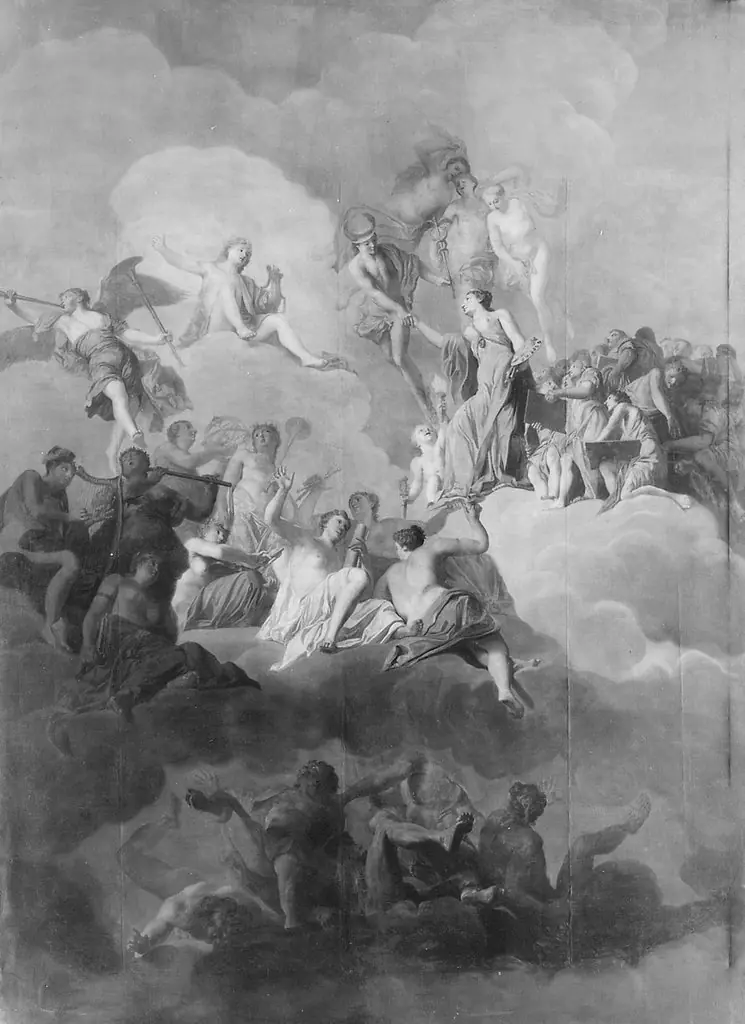 Allegorie der Malerei
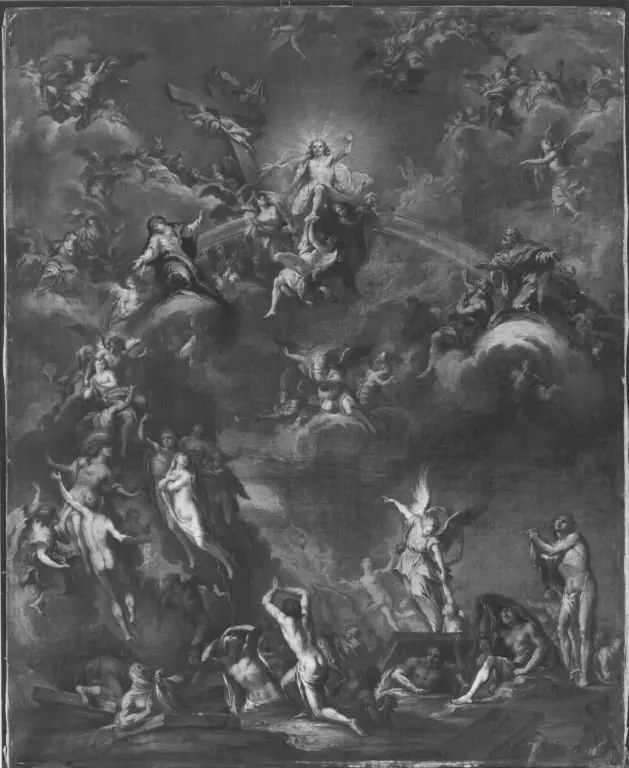 Jüngstes Gericht
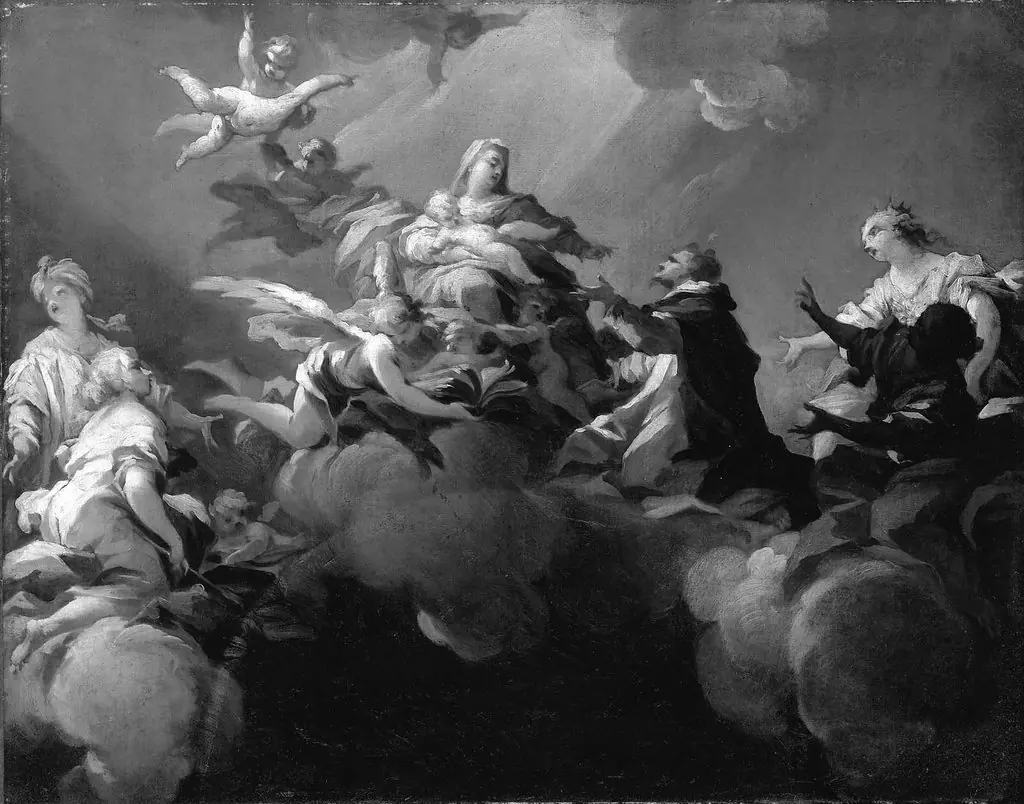 The Glory of Saint Dominic
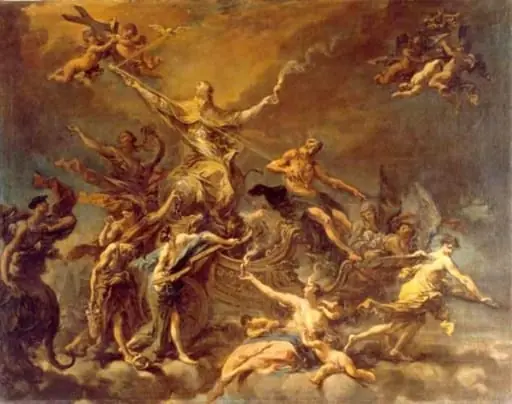 Triumful credinței
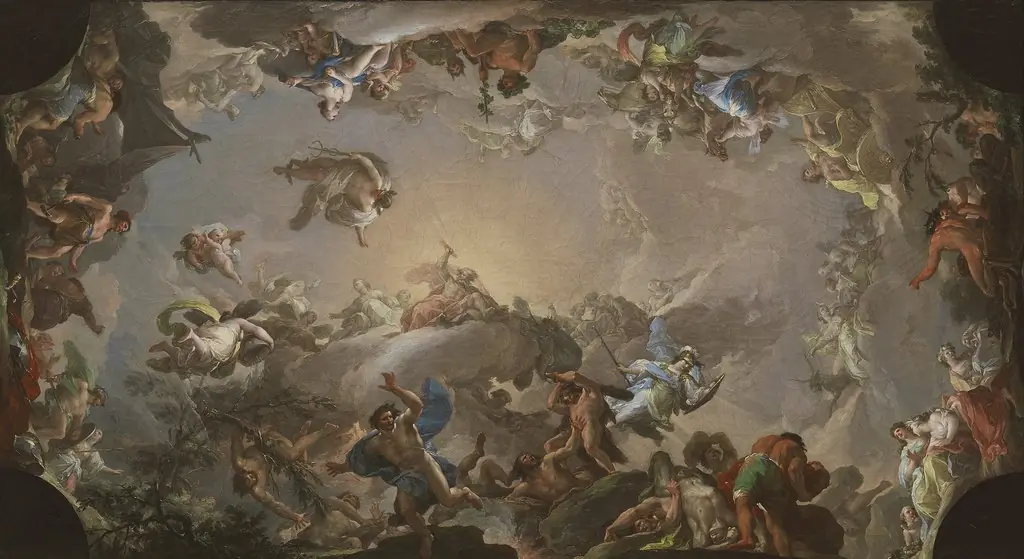 Olympus: The Fall of the Giants
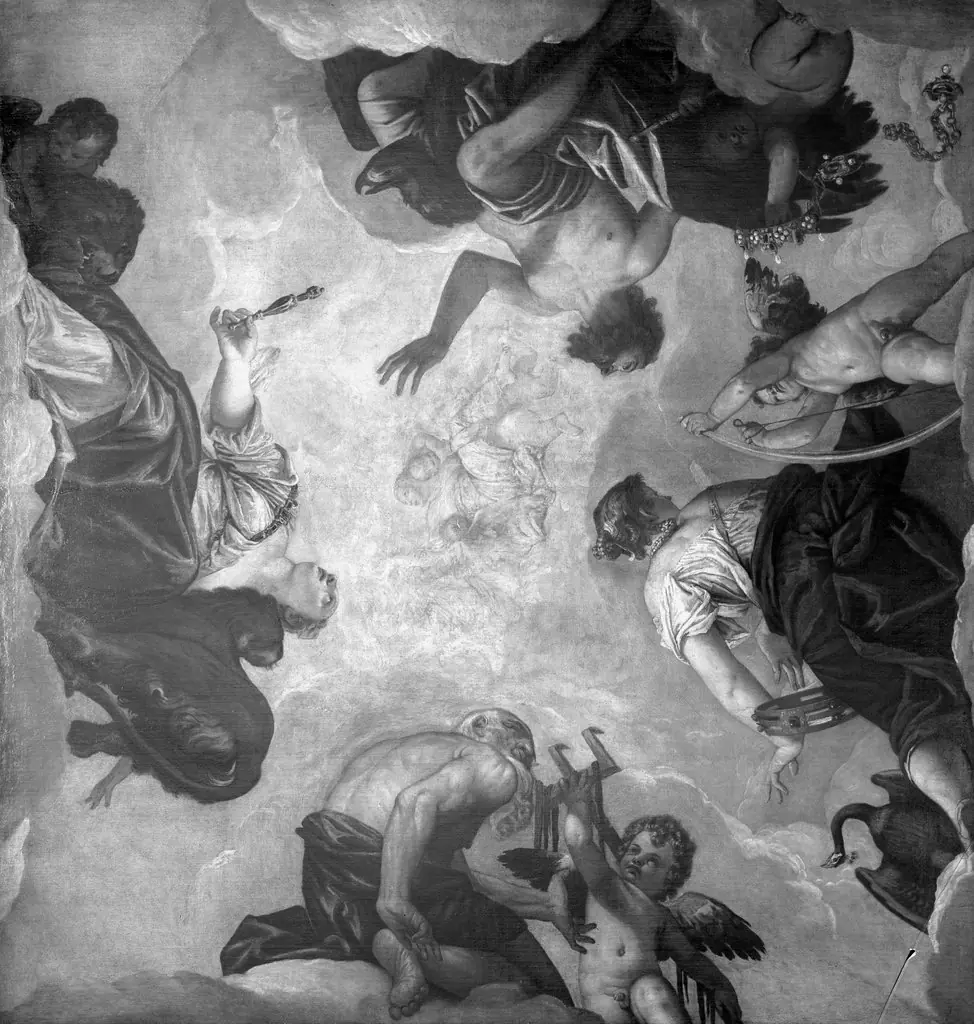 Jupiter, Juno, Cybele and Neptune
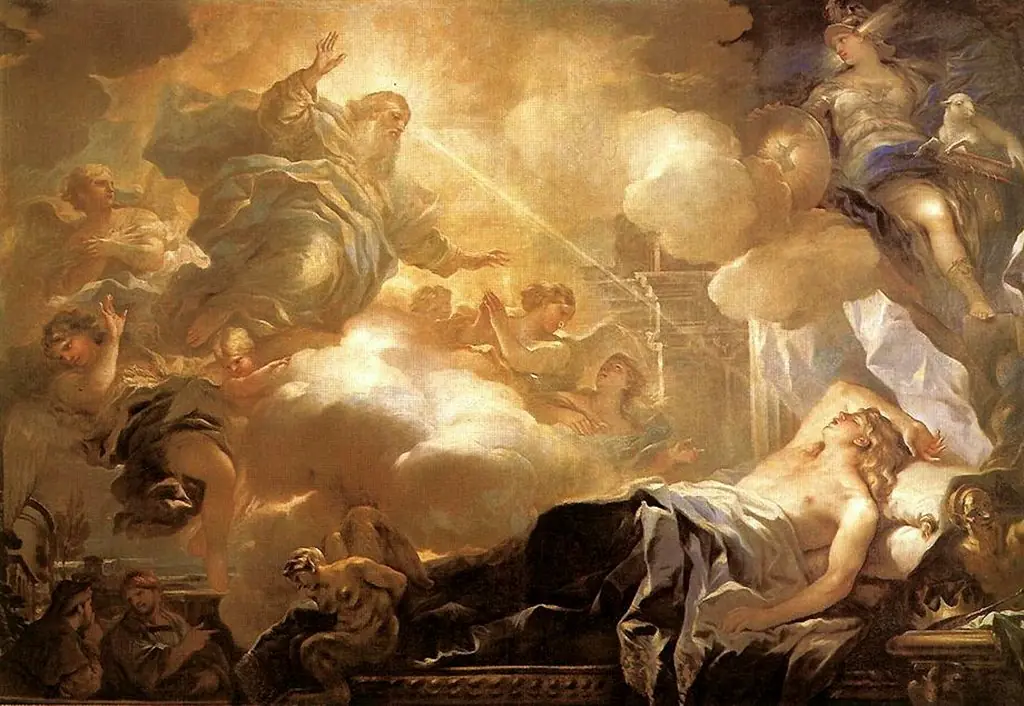 Dream of Solomon
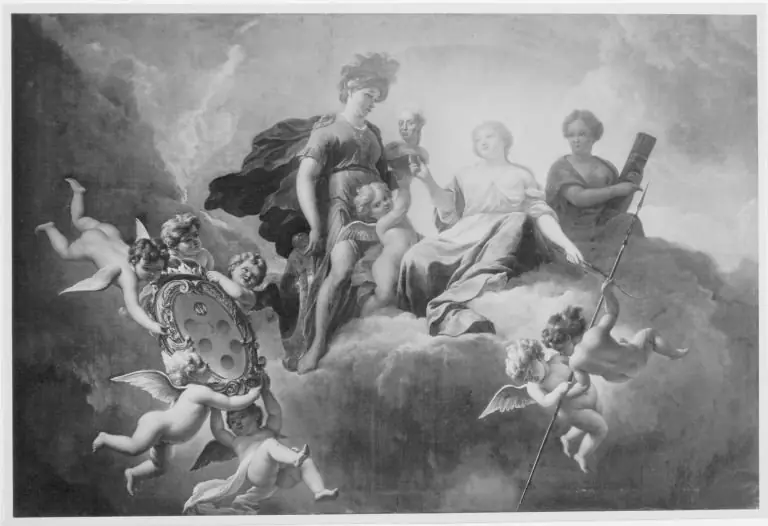 Apotheose der Maria Anna Luisa de' Medici
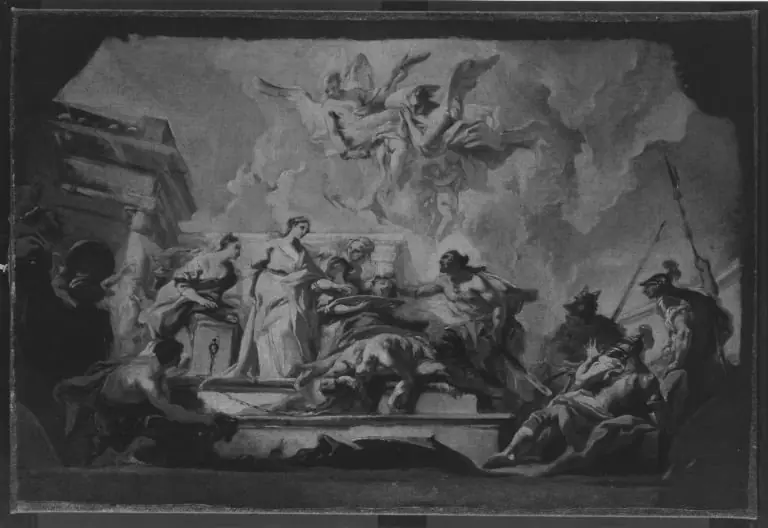 Enthauptung Johannes des Täufers
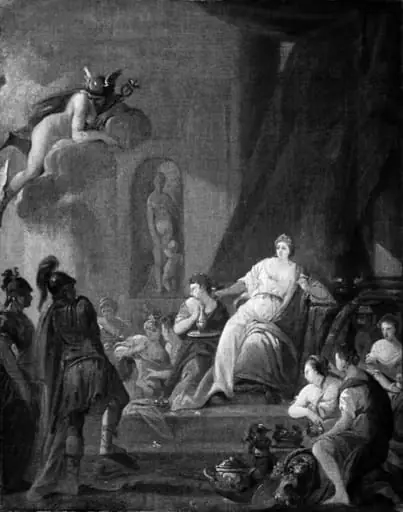 Hermes befaler Kalypso at frigive Odysseus
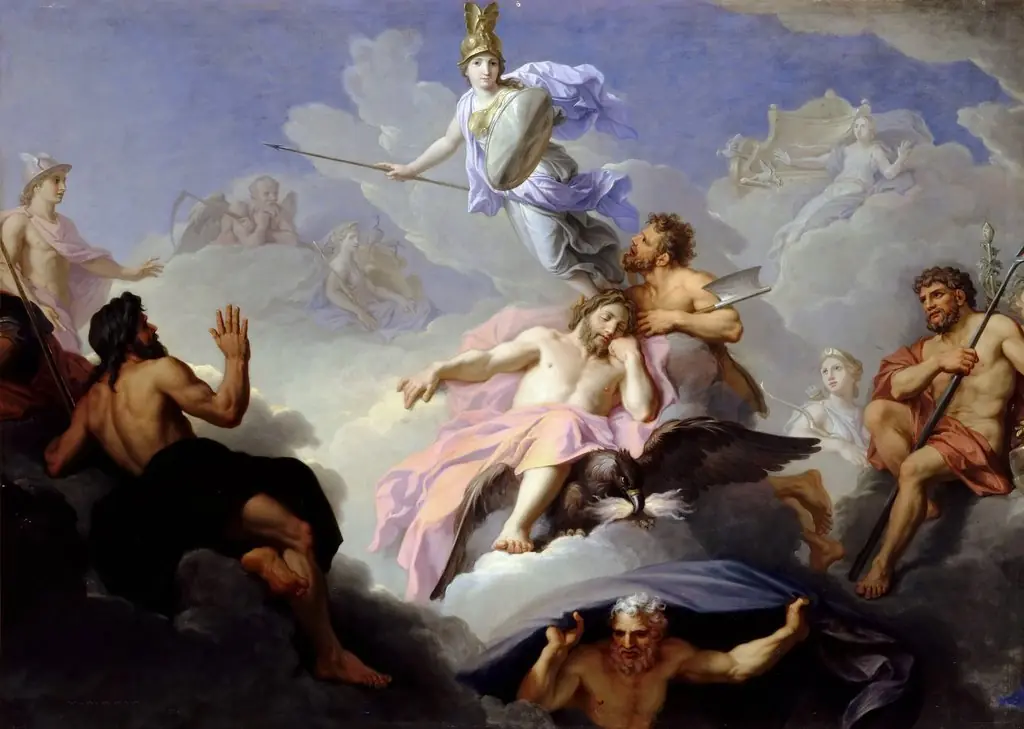 The Birth of Minerva
 The Apotheosis of Hercules