Artwork
The Adoration of the Magi
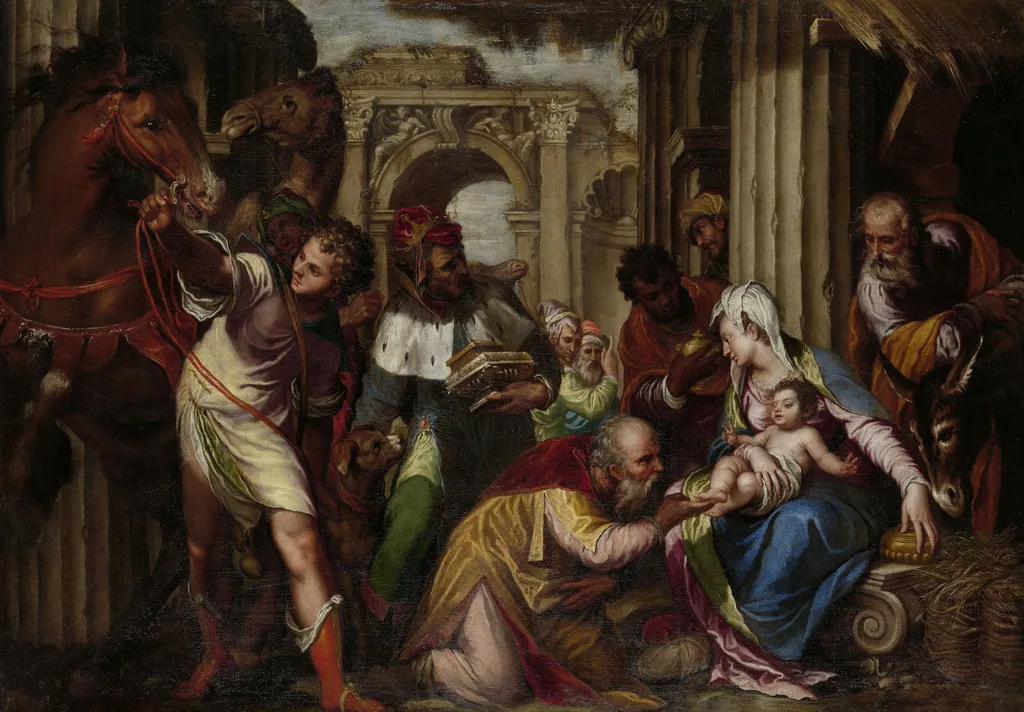
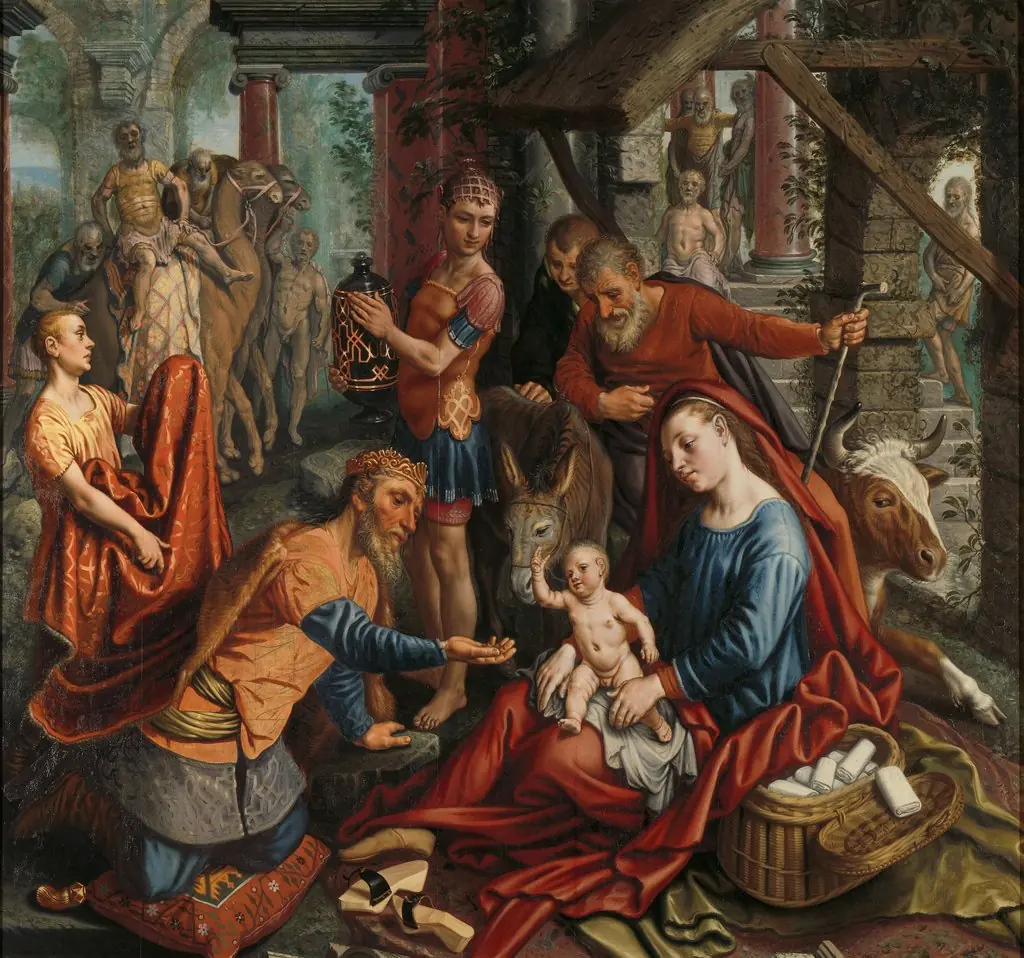
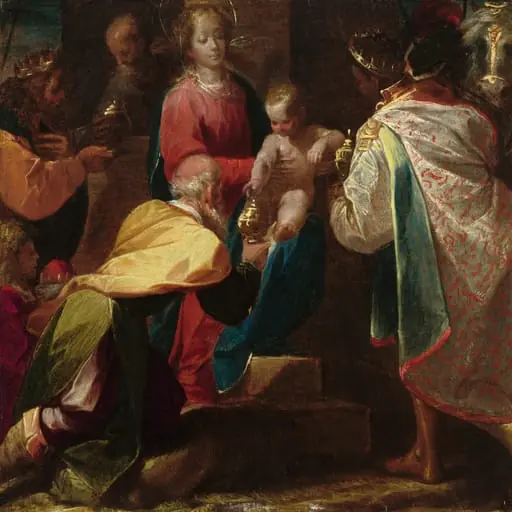
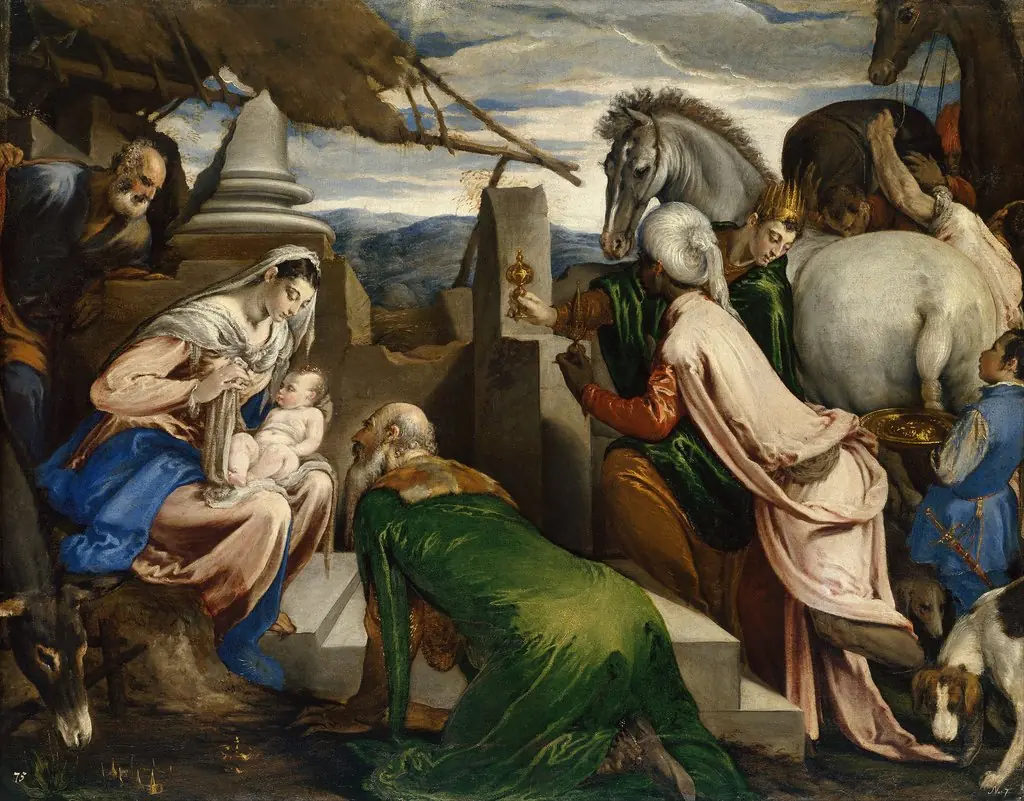
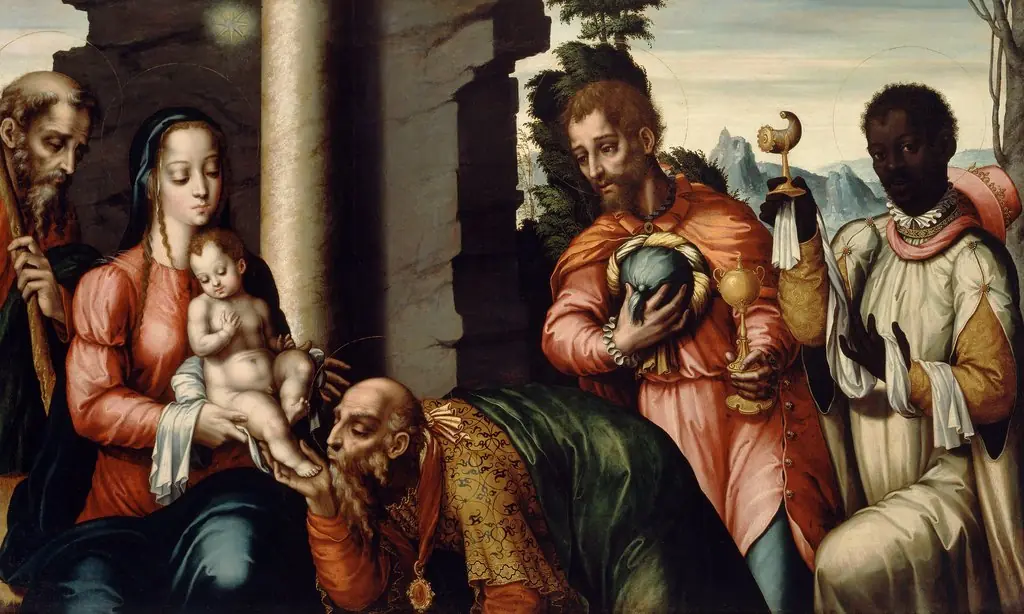
The Adoration of the Magi is an oil painting by the Mannerist artist Paolo Farinati. It dates from 1593 and is held in the collection of the Mauritshuis.
About this work
Overview
This work depicts the biblical narrative of the three wise men presenting their offerings to the infant Christ, accompanied by the Virgin Mary.
Paolo Farinati, an Italian Mannerist painter, completed "The Adoration of the Magi" in 1593 using oil paint. This work depicts the biblical narrative of the three wise men presenting their offerings to the infant Christ, accompanied by the Virgin Mary. Farinati, active in the late 16th century, was associated with the Mannerist style, which favored sophisticated compositions and refined forms over strict naturalism. The painting is part of the Rijksmuseum collection.
Subject & Meaning
The painting illustrates the New Testament account of the Magi's visit to Bethlehem. Central to the composition, the Christ Child sits on Mary's lap, receiving homage from a kneeling king who touches his foot. Other figures, including additional wise men and their retinue, surround them, bearing gifts. The presence of a horse and donkey further grounds the scene in the traditional Nativity narrative, set against a classical architectural backdrop.
Technique & Style
Executed in oil paint, Farinati's work displays a rich palette, featuring prominent reds, blues, and yellows. The figures are rendered in elaborate robes and headwear, characteristic of the period's fashion. As a practitioner of Mannerism, Farinati employed an aesthetic that prioritized elegance and a degree of artificiality in pose and drapery, distinguishing it from the High Renaissance's emphasis on idealized naturalism. This approach is evident in the dynamic grouping and detailed rendering of the scene.
Context
Paolo Farinati was a notable figure in late 16th-century Italian art, primarily working in cities such as Verona, Mantua, and Venice. His artistic career coincided with that of contemporaries like Paolo Veronese, and he contributed to the Mannerist movement. This style emerged as a reaction to the harmonious ideals of the High Renaissance, instead exploring more complex compositions, elongated forms, and a heightened sense of drama and sophistication.
Own this work as a print
Artist & collection
Artist
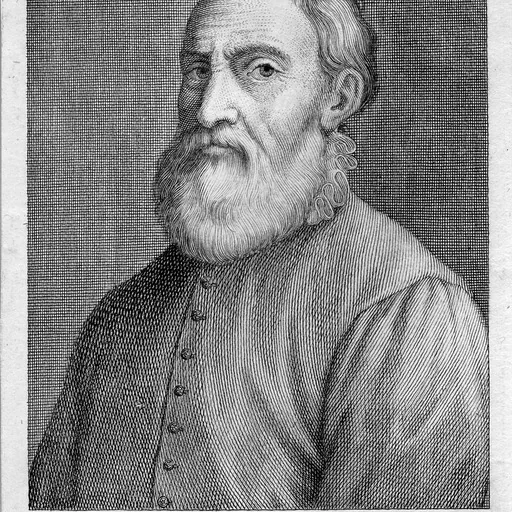
Paolo Farinati (also known as Farinato or Farinato degli Uberti; c. 1524 – c. 1606) was an Italian painter of the Mannerist style, active mainly in his native Verona, but also in Mantua and Venice. He may have ancestors…