Artwork
Der Selbstmord der Kleopatra
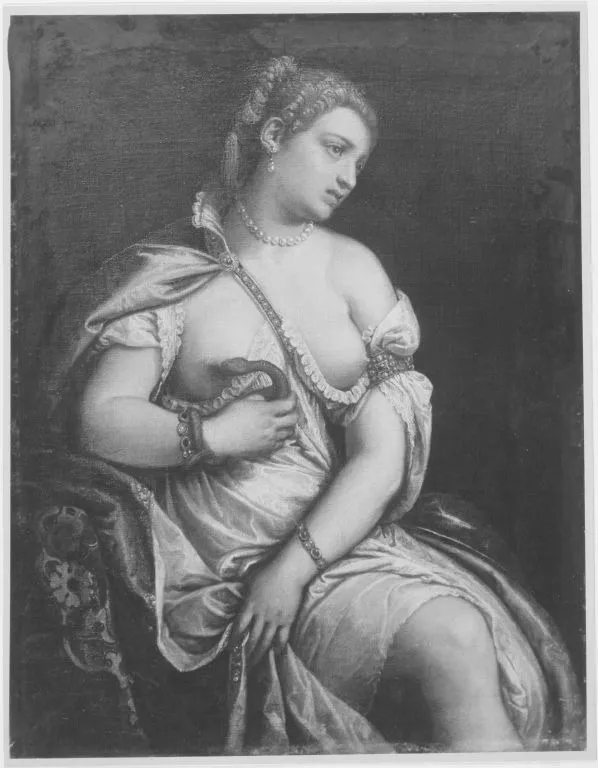
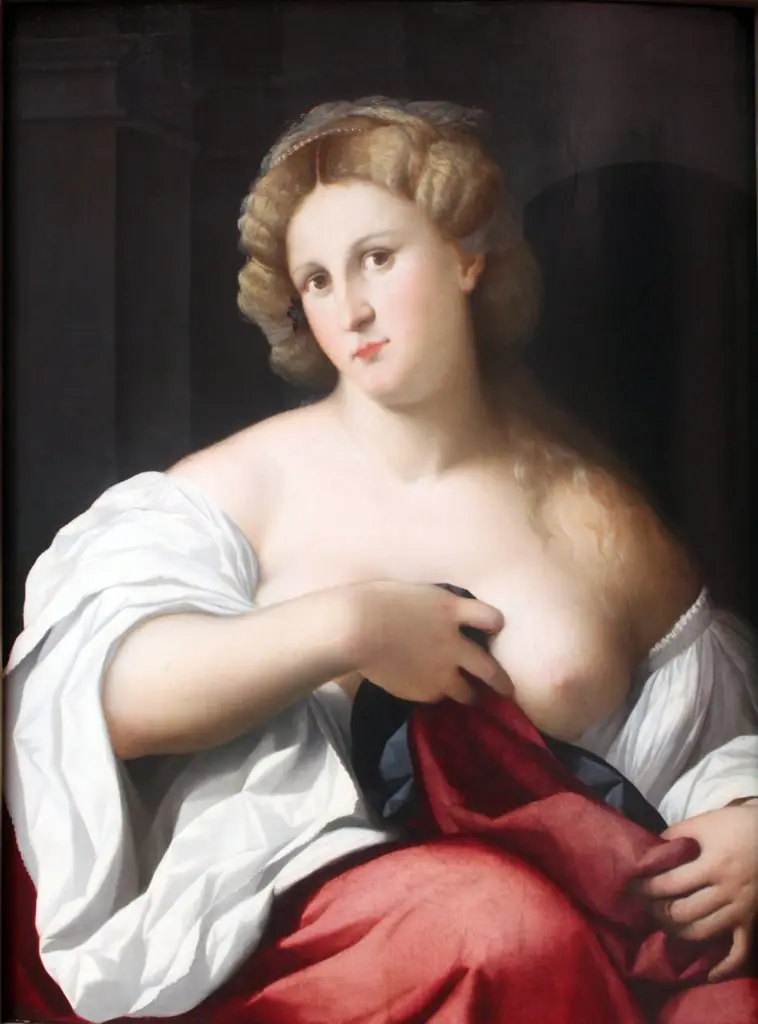
Der Selbstmord der Kleopatra is an unspecified painting by the Mannerist artist Paolo Veronese. It dates from 1558 and is held in the collection of the Bavarian State Painting Collections.
About this work
Overview
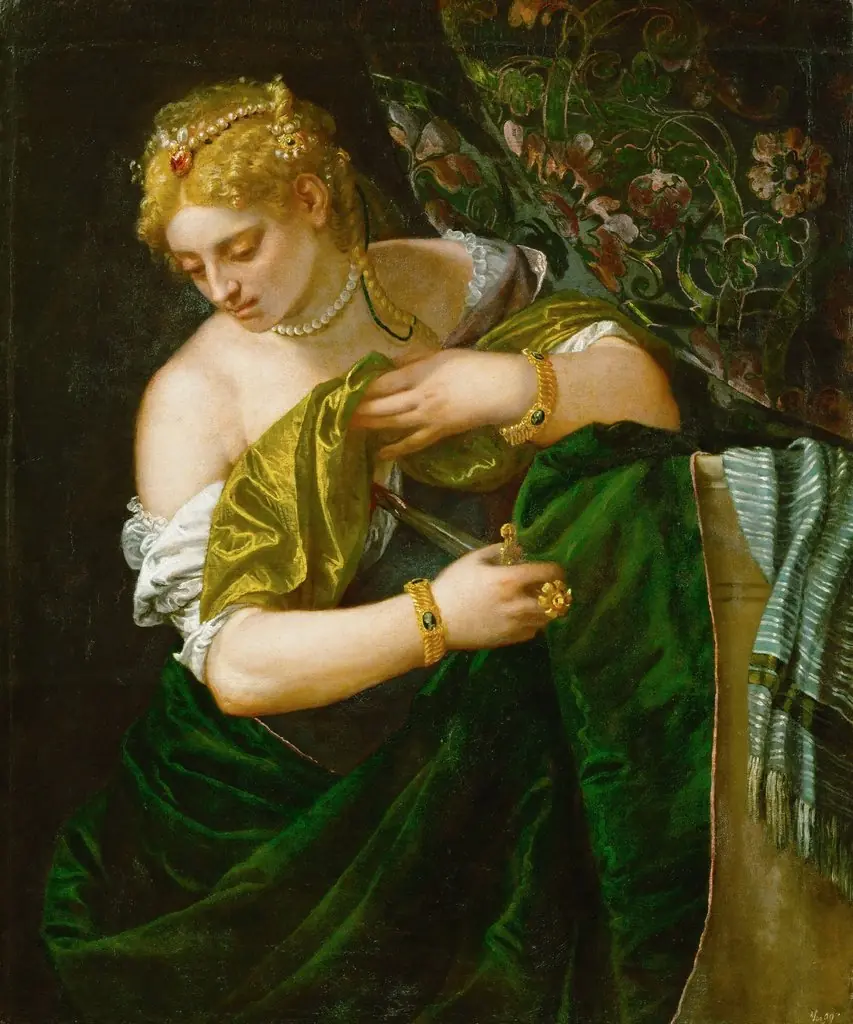
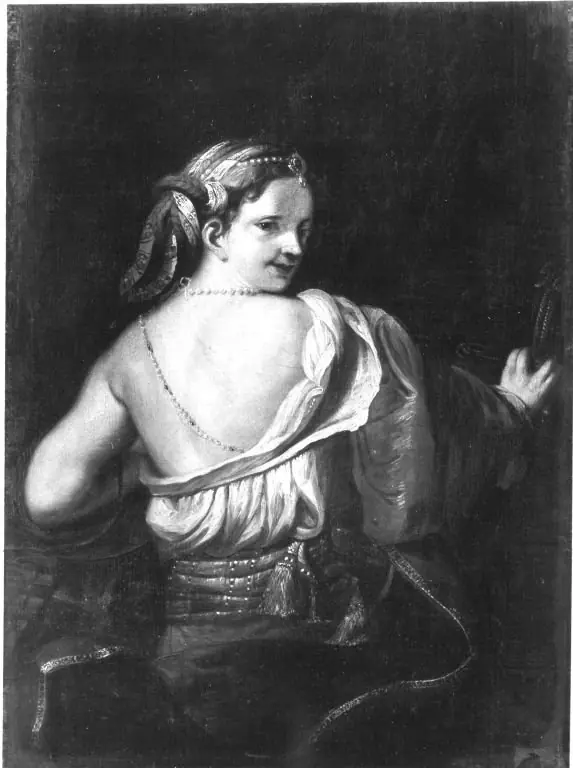
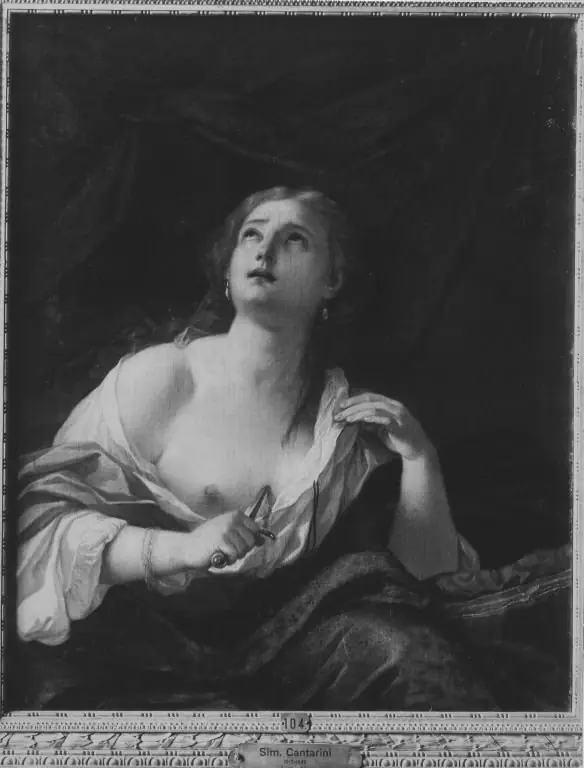
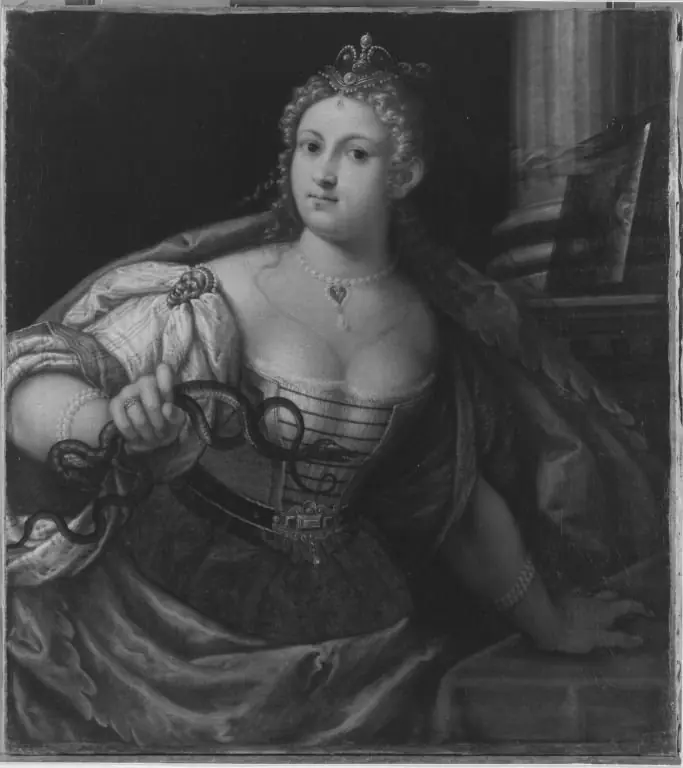
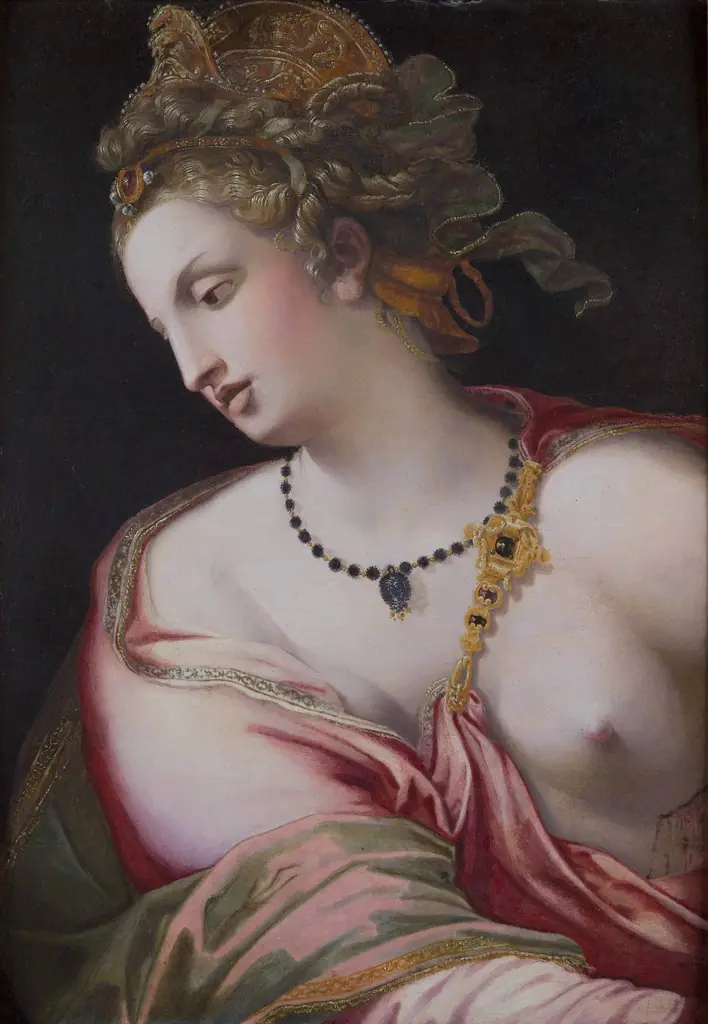
Paolo Veronese’s 1558 canvas, titled *Der Selbstmord der Kleopatra*, presents a solitary female figure seated on a chair, her gaze lowered and expression composed. She holds a hand‑mirror in her left hand, while a light‑toned gown with a low neckline and a shawl draped over her right shoulder frame her form. The darkened backdrop isolates the scene, lending a tranquil yet solemn ambience.
Subject & Meaning
The work interprets the legendary death of the Egyptian queen Cleopatra, traditionally associated with a self‑inflicted poison. Veronese’s rendition, however, omits overt symbols of suicide, focusing instead on the queen’s poised demeanor and reflective object, perhaps suggesting introspection or the fleeting nature of beauty at the moment of demise.
Technique & Style
The delicate rendering of jewelry and the smooth modeling of flesh demonstrate his skill in creating tactile surfaces within a composed, artificial space.
Executed in the Mannerist idiom, the painting features elongated proportions and a stylized pose that heightens drama. Veronese’s handling of color showcases his renowned Venetian palette, with luminous fabrics contrasting against the deep shadows. The delicate rendering of jewelry and the smooth modeling of flesh demonstrate his skill in creating tactile surfaces within a composed, artificial space.
History & Provenance
Created in 1558, the piece belongs to the later phase of Veronese’s career, when he was already esteemed alongside Titian and Tintoretto. While the original patron remains unidentified, the work later entered private collections before being acquired by a European museum in the early twentieth century, where it has been displayed as part of the artist’s historical series.
Context
During the mid‑sixteenth century, Venetian artists frequently revisited classical and biblical narratives, adapting them to contemporary tastes. Veronese’s choice of Cleopatra aligns with the period’s fascination with exotic, tragic heroines, while his Mannerist approach reflects a shift from High Renaissance balance toward more expressive, theatrical compositions.
Artist & collection
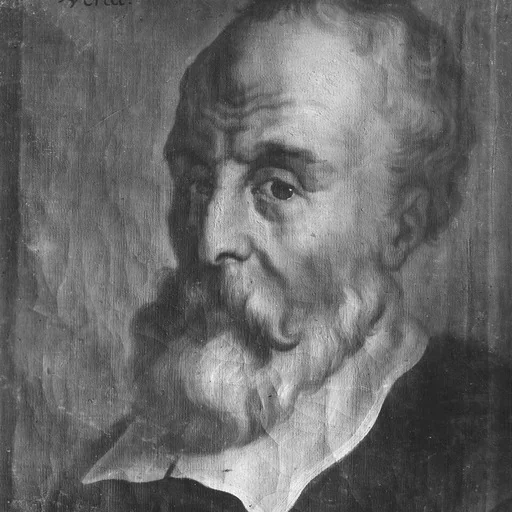
Artist
Paolo Caliari (1528 – 19 April 1588), known as Paolo Veronese ( VERR-ə-NAY-zay, -zee, US also -see; Italian: ), was an Italian Renaissance painter based in Venice, known for extremely large history paintings of…