Artwork
The Finding of Moses
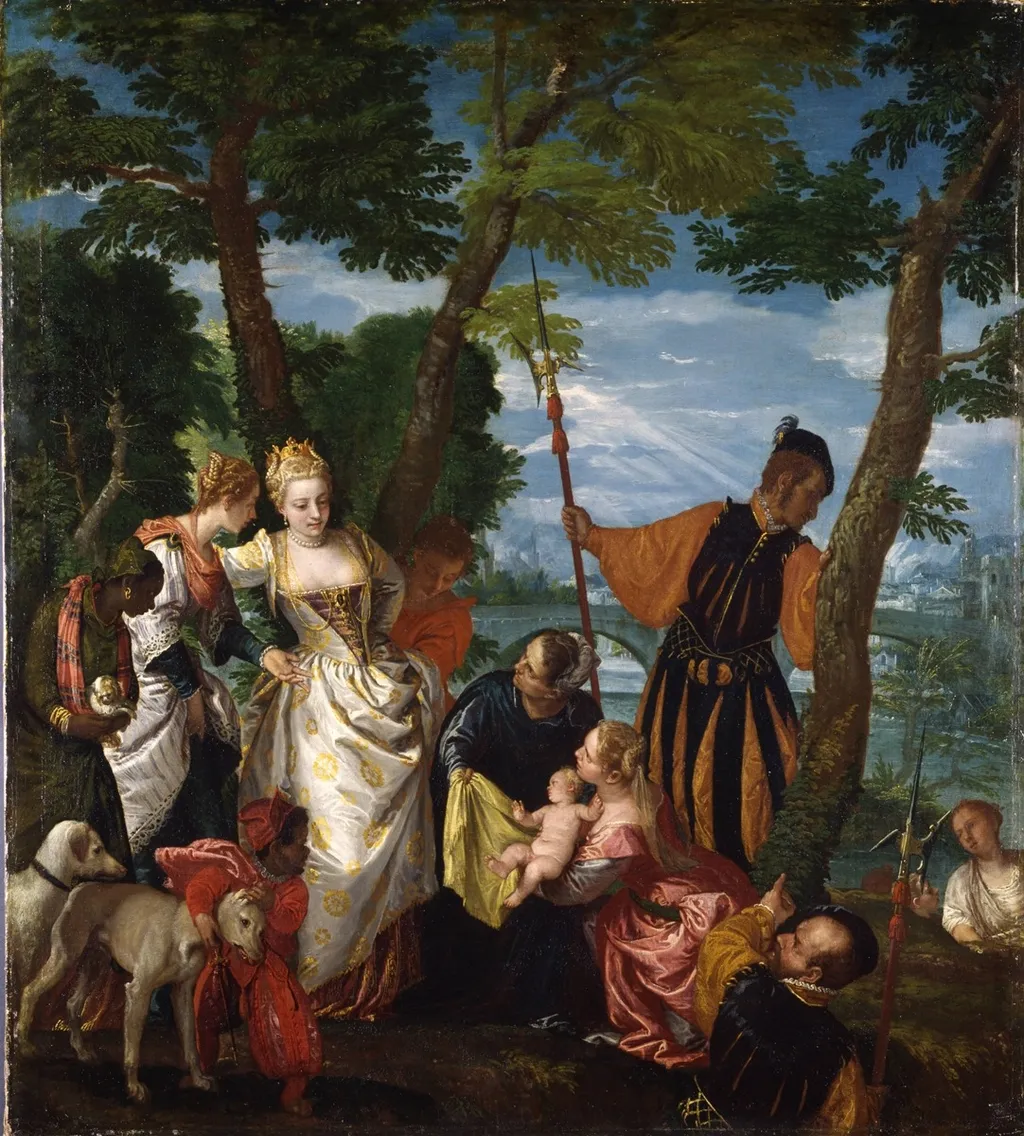
The Finding of Moses is an oil painting by the Mannerist artist Paolo Veronese. It dates from 1550 and is held in the collection of the Museum of Fine Arts of Lyon.
About this work
Paolo Veronese painted *The Finding of Moses* in oil around 1550. It shows the moment a royal princess finds a baby hidden on the riverbank.
Art historians think this small canvas might be the first try for a bigger version in Dresden. That’s how artists worked back then—sketching ideas before the final piece.
Next, look up the Museum of Fine Arts of Lyon.
Overview
The Finding of Moses is an oil-on-canvas painting by Paolo Veronese, created around 1581. It measures 119 by 115 cm and depicts the biblical scene of a royal princess discovering a baby on a riverbank.
Subject & Meaning
The painting illustrates the moment of discovery of the infant Moses, a pivotal scene from the biblical narrative. Veronese's representation captures the dramatic encounter between the princess and the hidden child.
Technique & Style
This work is one of at least eight treatments of the subject by Veronese and his studio, and is considered by art historians to be a preparatory sketch for a larger variant in Dresden.
History & Provenance
The painting was acquired by Louis XIV in 1685 and initially hung at the Palace of Versailles. It was later moved to various locations, including the Louvre and the Palais du Luxembourg, before being sent to its current location, the Museum of Fine Arts of Lyon, by the French state in 1803.
Artist & collection
Artist
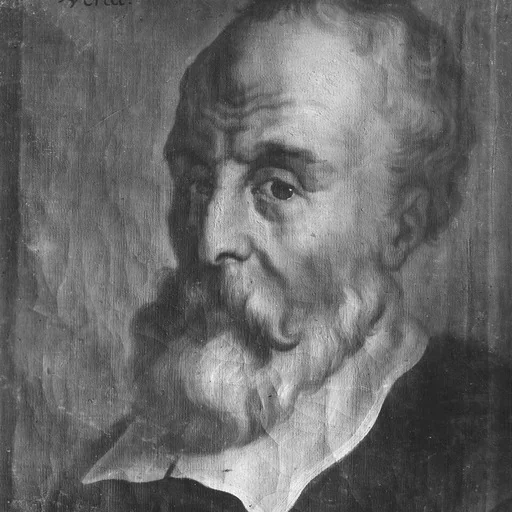
Paolo Caliari (1528 – 19 April 1588), known as Paolo Veronese ( VERR-ə-NAY-zay, -zee, US also -see; Italian: ), was an Italian Renaissance painter based in Venice, known for extremely large history paintings of…

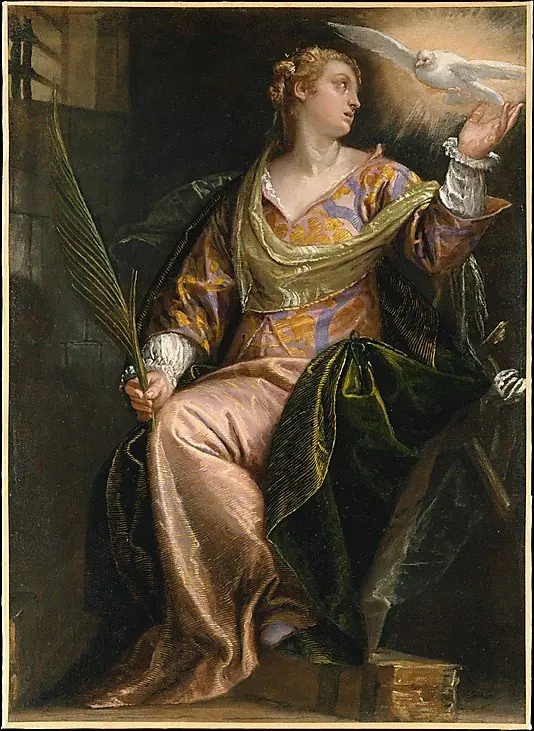
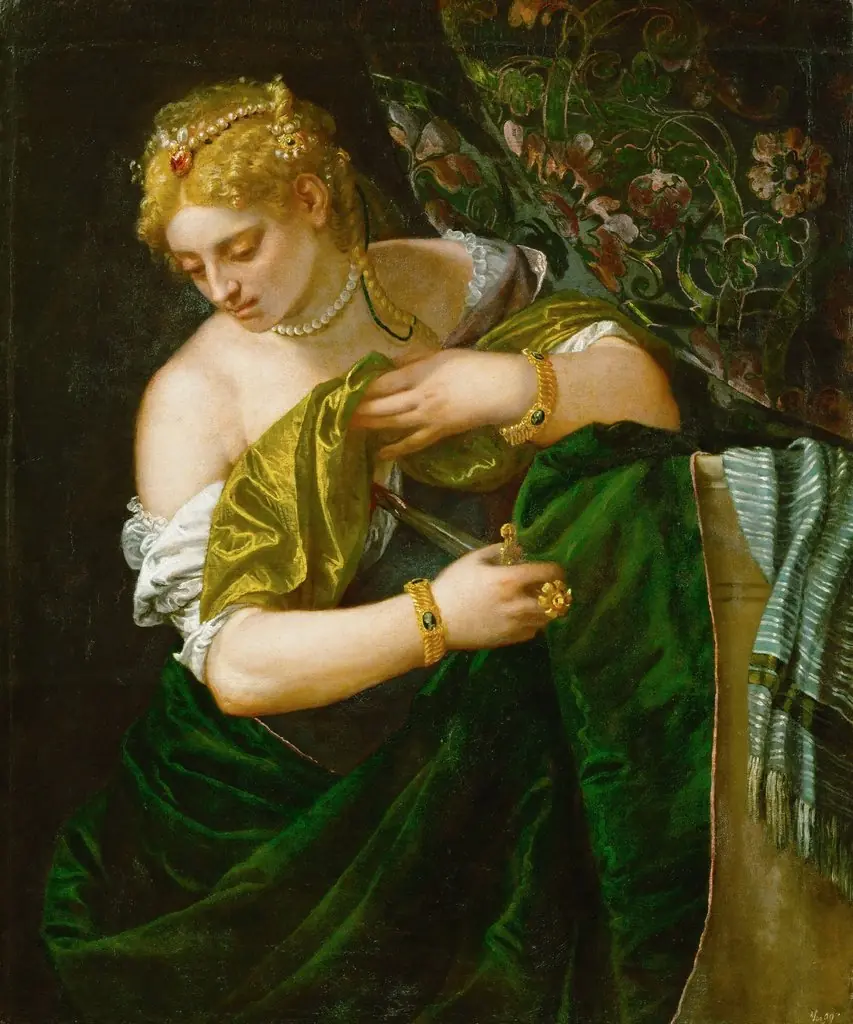
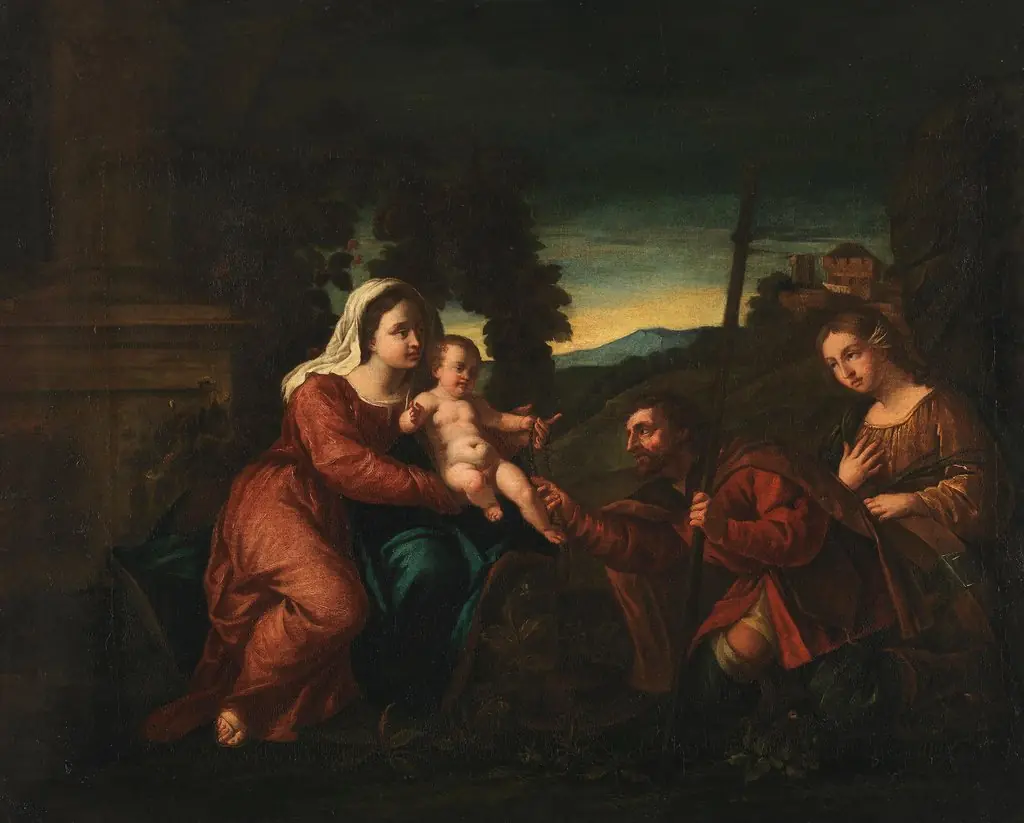 Madonna and Child with Saints Roche and Mary Magdalene
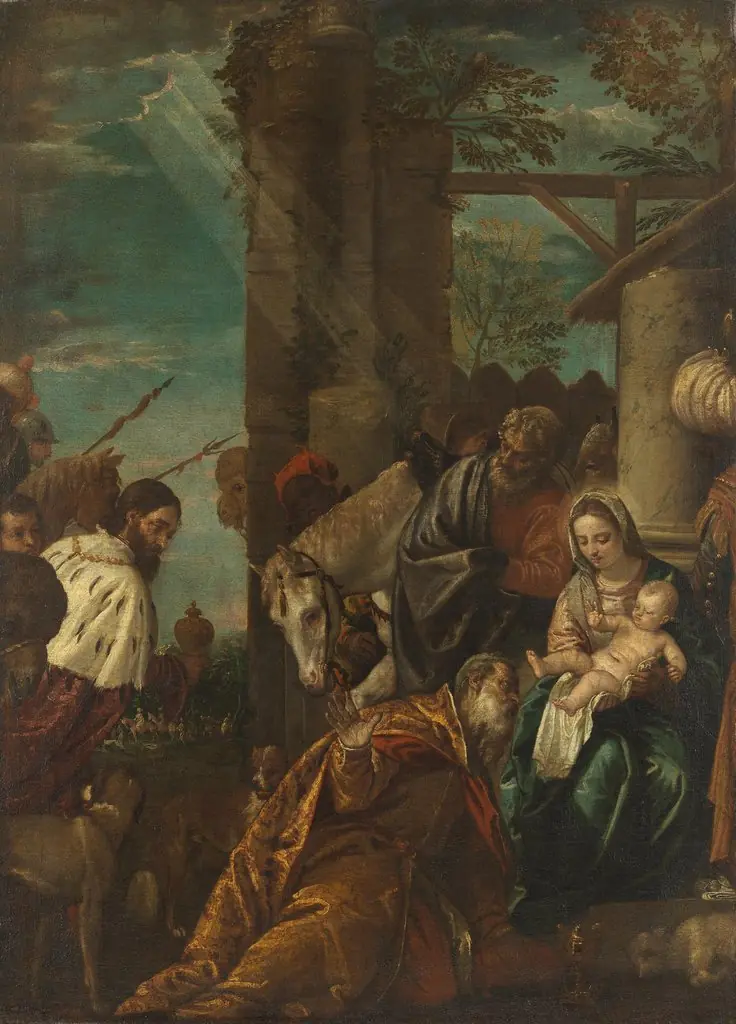 Die Anbetung der Könige
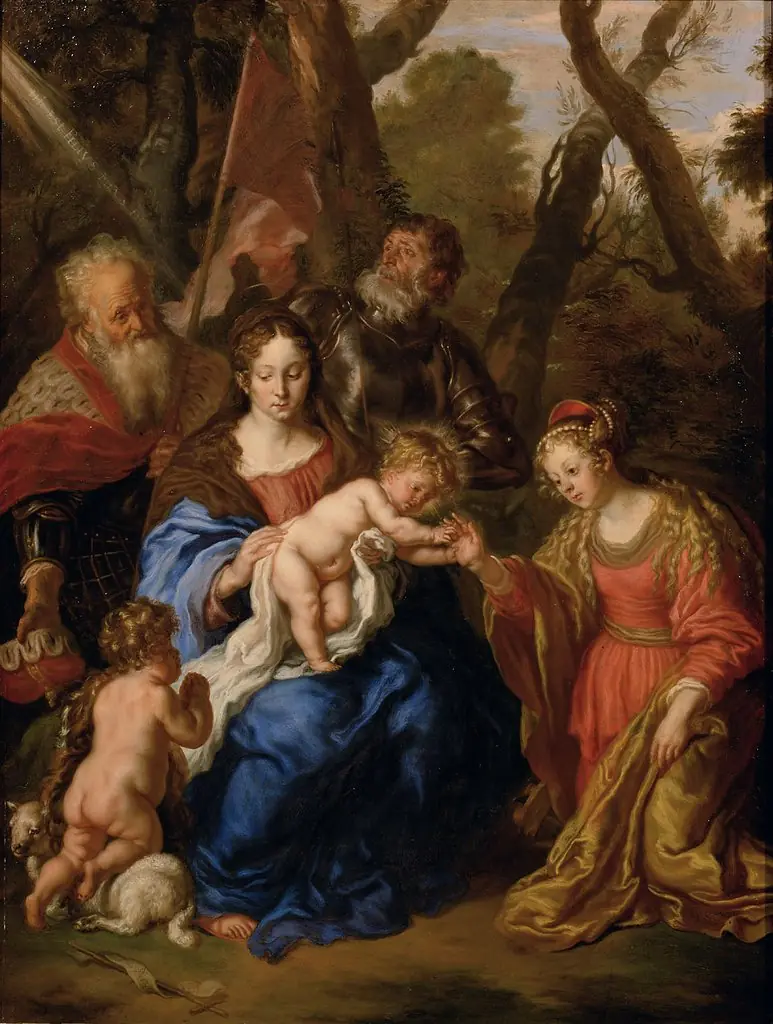 The Mystic Marriage of Saint Catherine of Alexandria with Saints Leopold and William
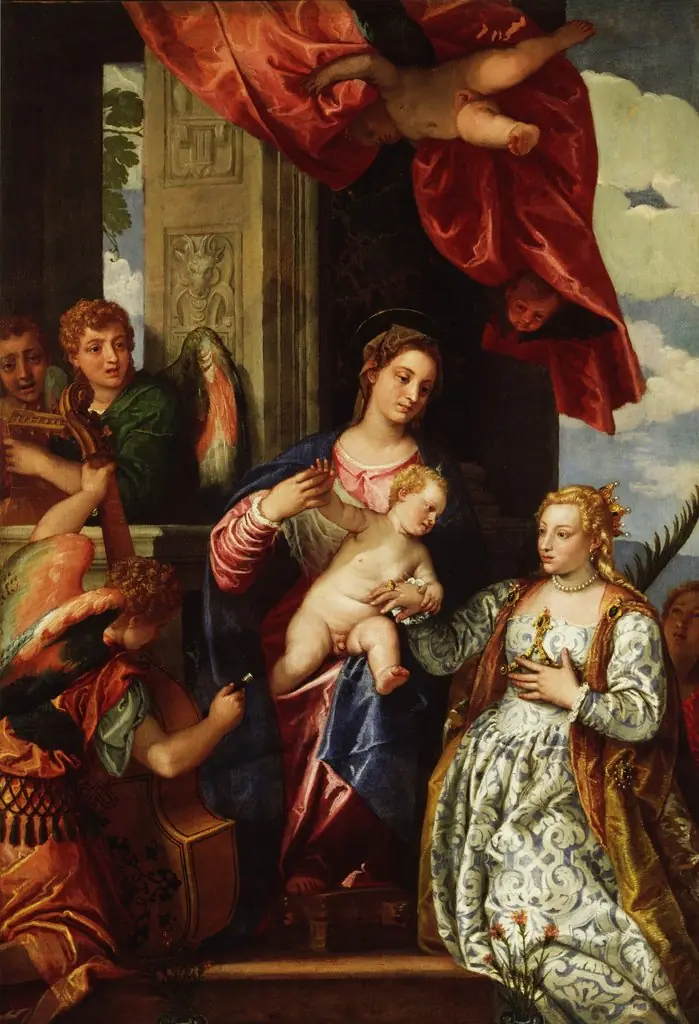 The Mystic Marriage of St. Catherine
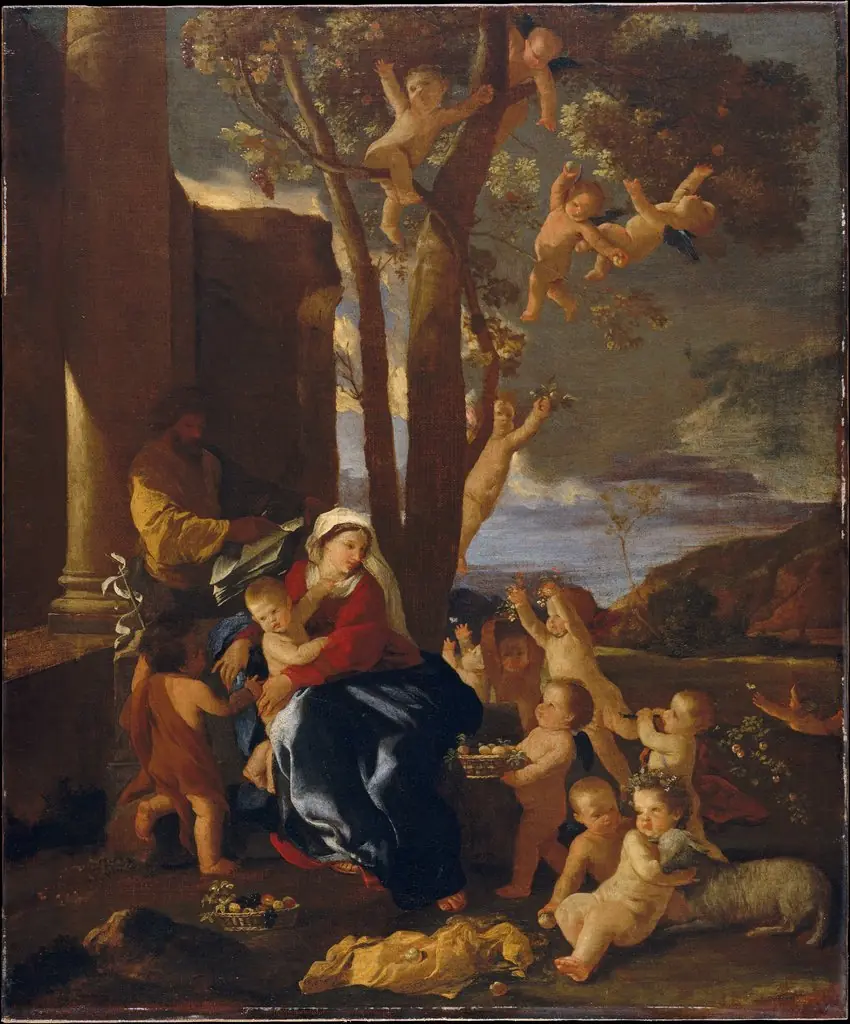 The Rest on the Flight into Egypt
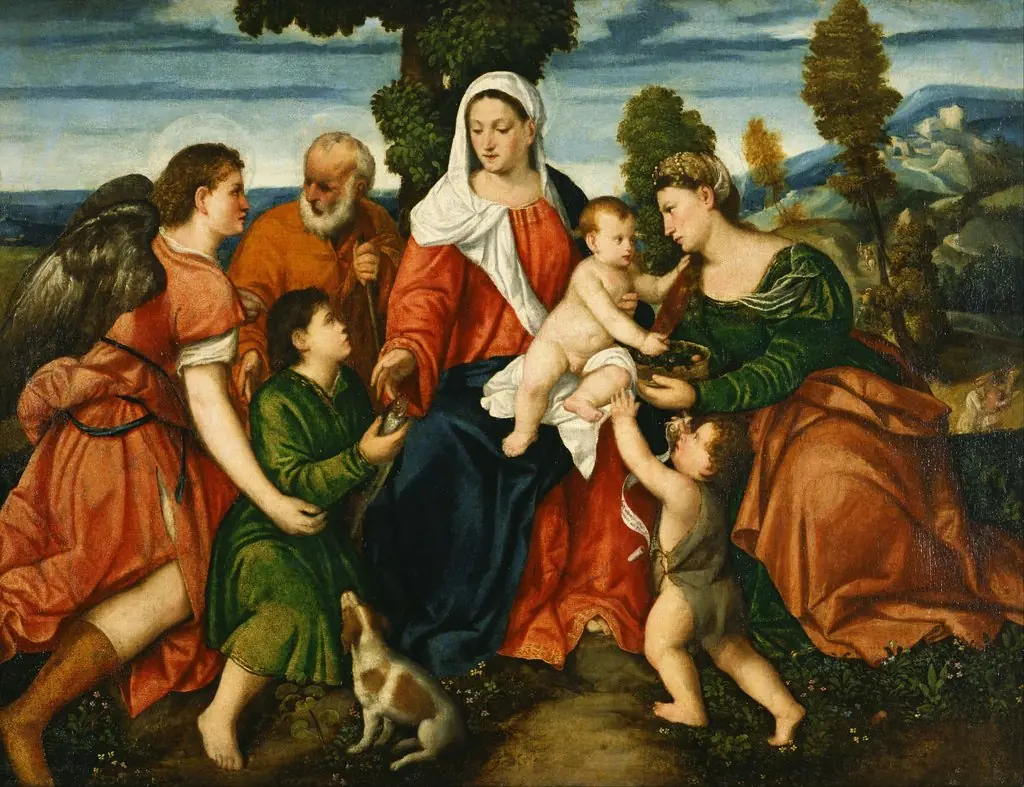 The Holy Family with Tobias and the Angel, Saint Dorothy, Giovannino, and the Miracle of the Corn beyond
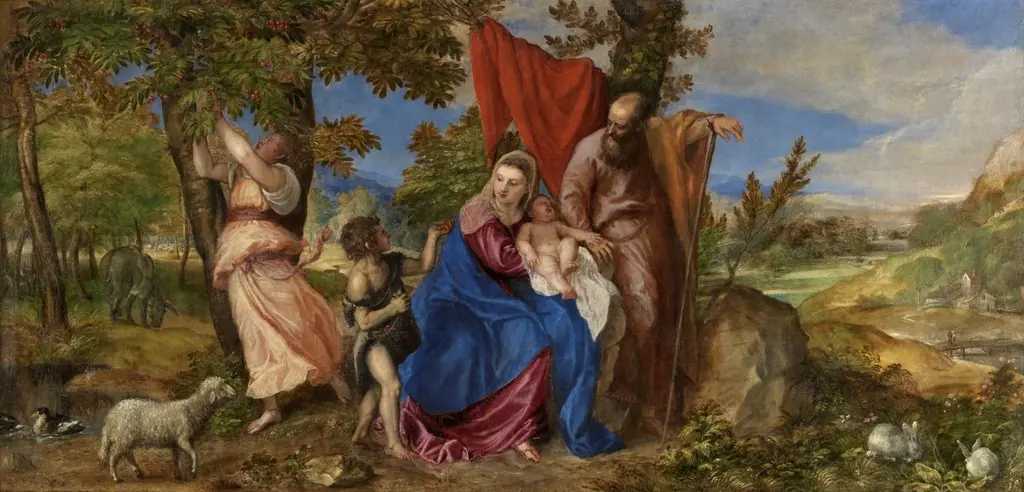 Rest on the Flight into Egypt
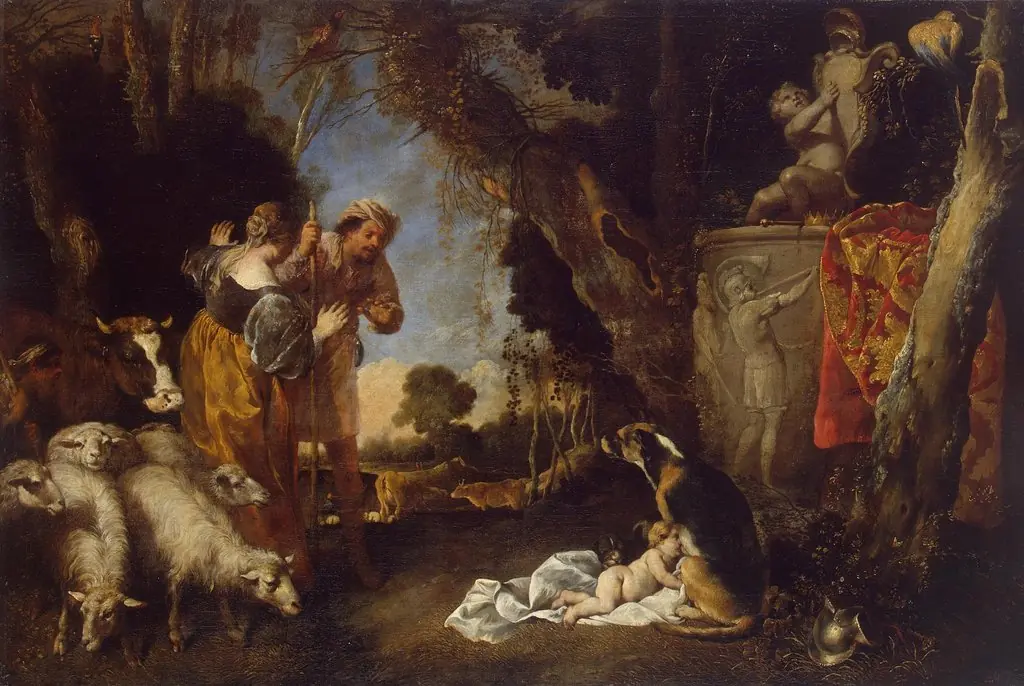 Childhood of King Cyrus