Artwork
Portrait of a woman
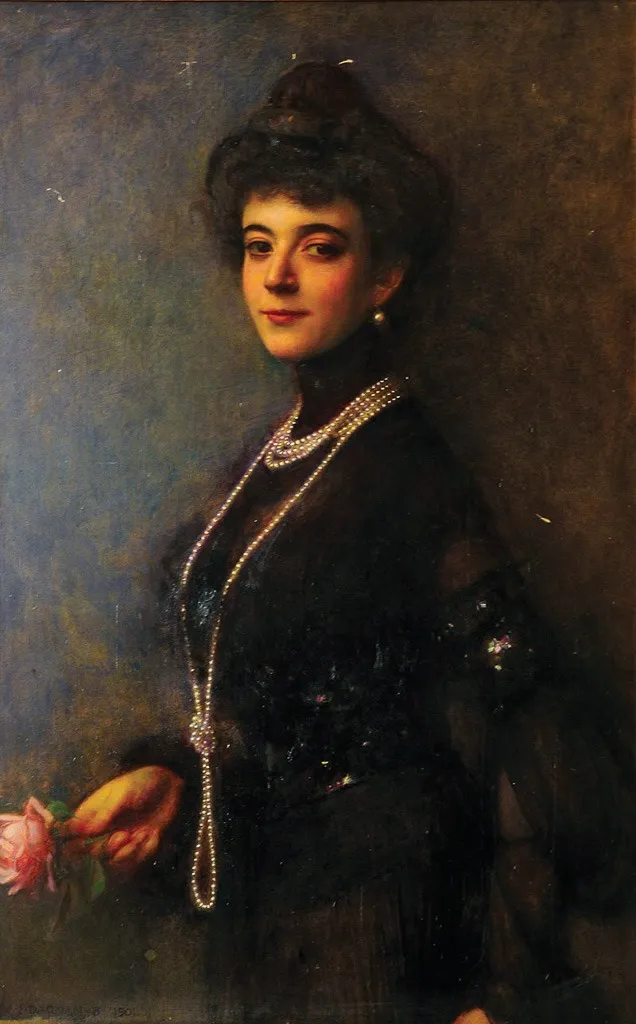
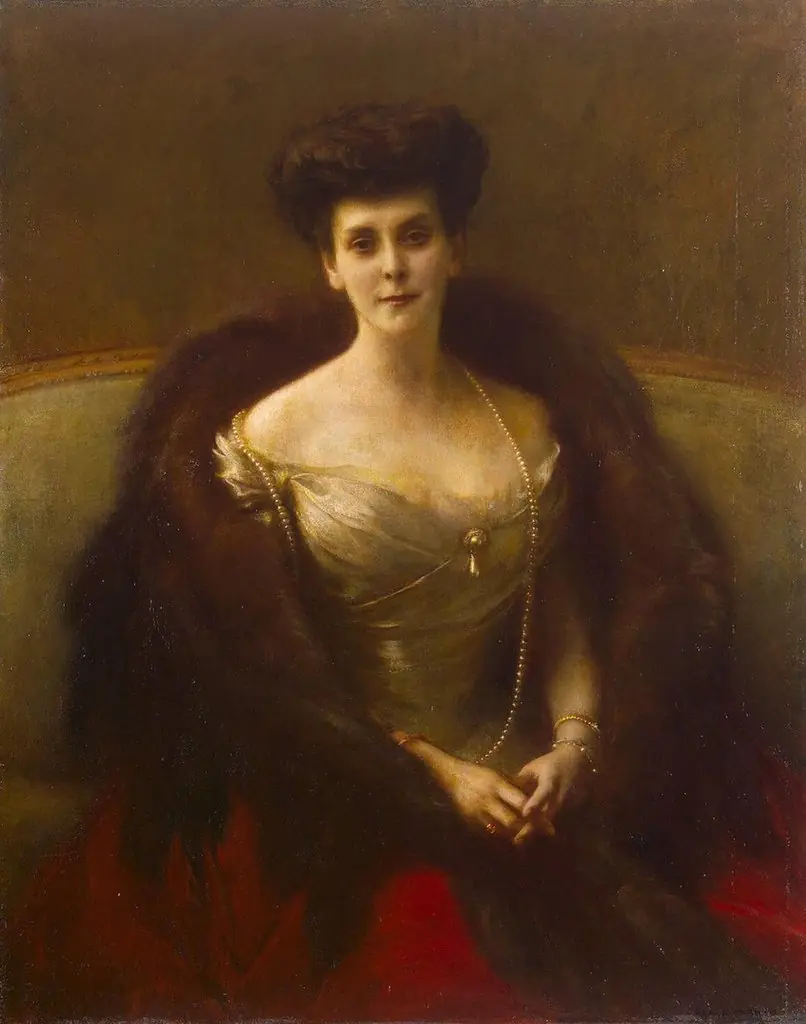
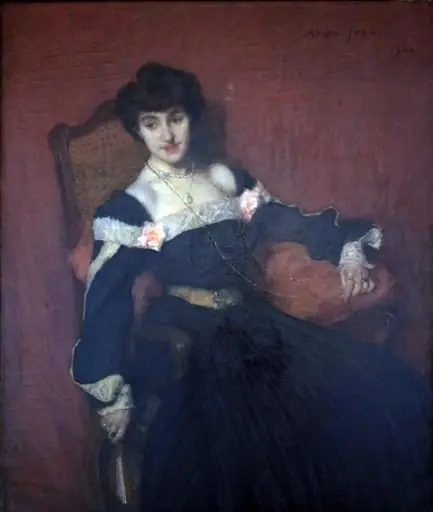
Portrait of a woman is an oil painting by the Post-Impressionist artist Pascal Dagnan-Bouveret. It dates from 1901 and is held in the collection of the National Art Museum of Azerbaijan.
About this work
The artist's attention to detail and use of chiaroscuro create a sense of depth and dimensionality in the portrait.
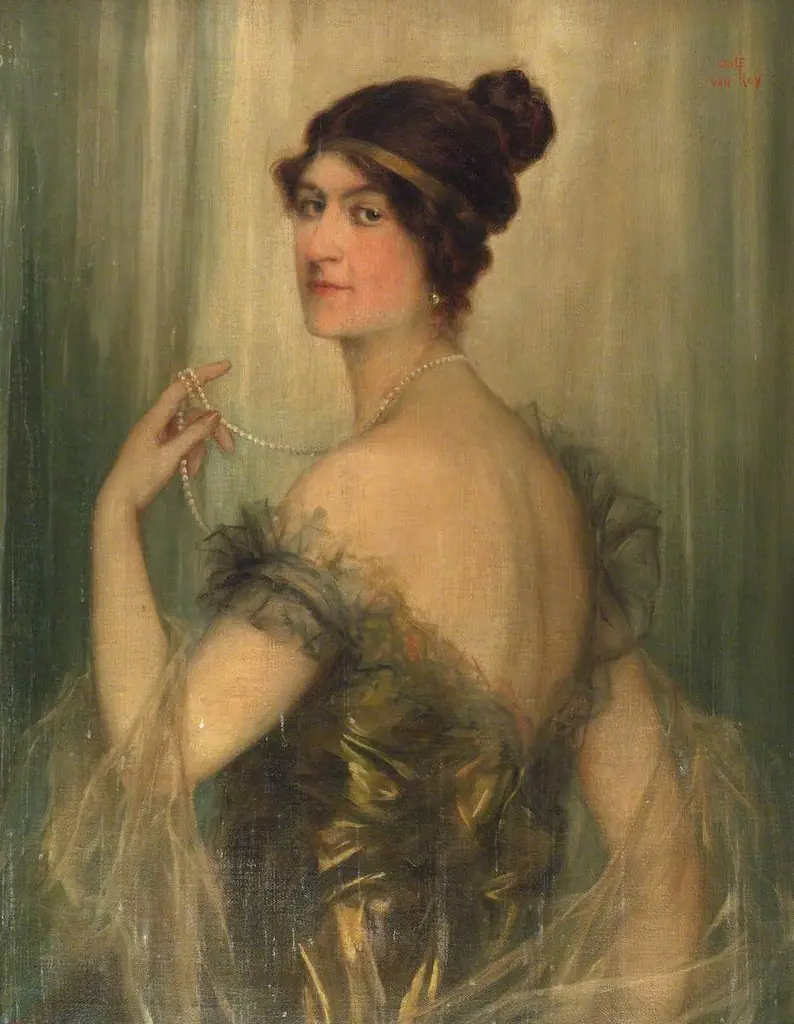
This portrait shows a woman in a black dress, adorned with pearls and holding a pink rose. Her dark hair is styled in an updo, and she wears pearl earrings. The background is a muted blue-gray color.
The woman's attire and hairstyle suggest a formal or elegant setting, possibly from the early 20th century. The use of oil paint gives the portrait a rich, textured quality.
The artist's attention to detail and use of chiaroscuro create a sense of depth and dimensionality in the portrait. For more information on the artist's techniques, you can explore the work of Pascal Dagnan-Bouveret.
Overview
Painted in 1901 by French artist Pascal Dagnan-Bouveret, this oil portrait captures a woman in formal attire against a subdued blue-gray background. The work reflects the artist’s engagement with naturalism, emphasizing observed reality over idealization. Though often linked to post-impressionist tendencies, its focus on texture and light aligns more closely with late 19th-century academic traditions. The painting is part of the National Art Museum of Azerbaijan’s collection.
Subject & Meaning
The subject is a woman dressed in a black gown, adorned with pearl jewelry and holding a single pink rose. Her composed expression and elegant coiffure suggest a moment of quiet dignity, possibly within a private or ceremonial context. The rose may imply themes of beauty or transience, though no explicit narrative is given. The portrait prioritizes presence over storytelling, inviting contemplation rather than interpretation.
Technique & Style
Dagnan-Bouveret employed oil paint to achieve subtle gradations of tone and rich surface detail. Chiaroscuro modeling defines the contours of the face and dress, lending volume and realism. The texture of the fabric, the sheen of pearls, and the delicate petals of the rose are rendered with precision. The muted background isolates the figure, enhancing the focus on her form and the tactile qualities of the materials.
History & Provenance
The painting was completed in 1901 during a period when Dagnan-Bouveret was refining his naturalist approach. It entered the collection of the National Art Museum of Azerbaijan at an unspecified date, likely through acquisition or donation in the 20th century. Its presence in Baku reflects broader cultural exchanges between Europe and the Caucasus during the Soviet era, though its specific path to Azerbaijan remains undocumented.
Context
Created at the turn of the century, the portrait emerges amid shifting artistic currents in Europe. While impressionism had loosened formal conventions, Dagnan-Bouveret maintained a commitment to detailed observation, rooted in academic training. The woman’s attire and jewelry reflect upper-middle-class aesthetics of the time, aligning the work with contemporary portraiture that valued social nuance over spectacle.
Legacy
Though not among Dagnan-Bouveret’s most widely exhibited works, the portrait exemplifies his consistent dedication to naturalism and technical precision. It contributes to a broader understanding of early 20th-century portraiture beyond the avant-garde, highlighting the endurance of figurative traditions in regional collections. Its preservation in Azerbaijan underscores the global reach of European academic art in the modern era.
Artist & collection
Artist
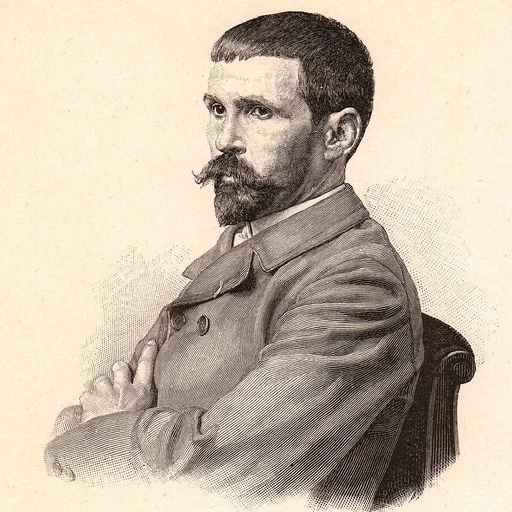
Pascal-Adolphe-Jean Dagnan-Bouveret (7 January 1852 – 3 July 1929) was a French painter, one of the leading members of the naturalist school.

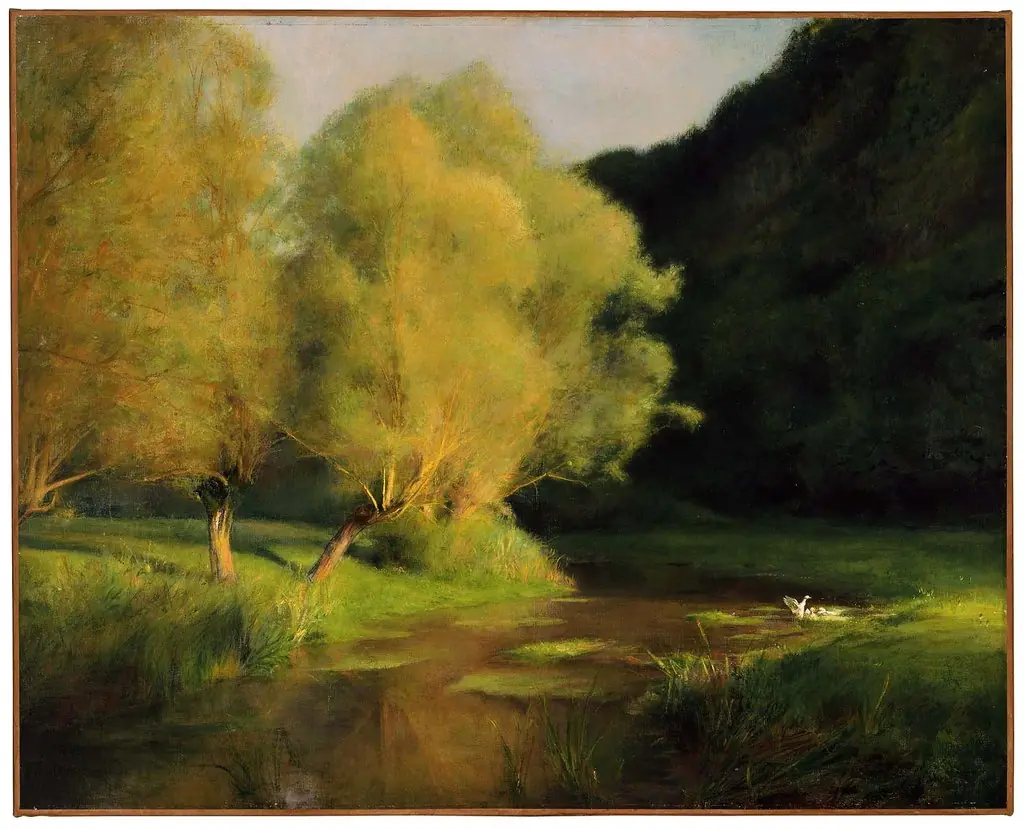
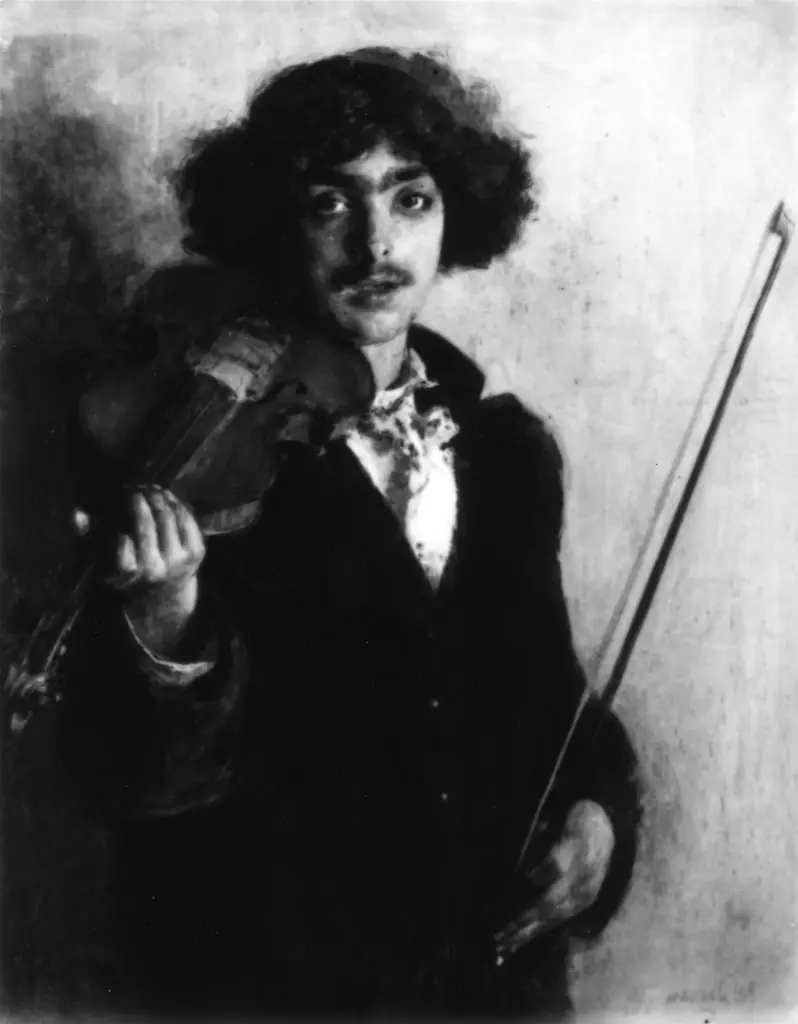
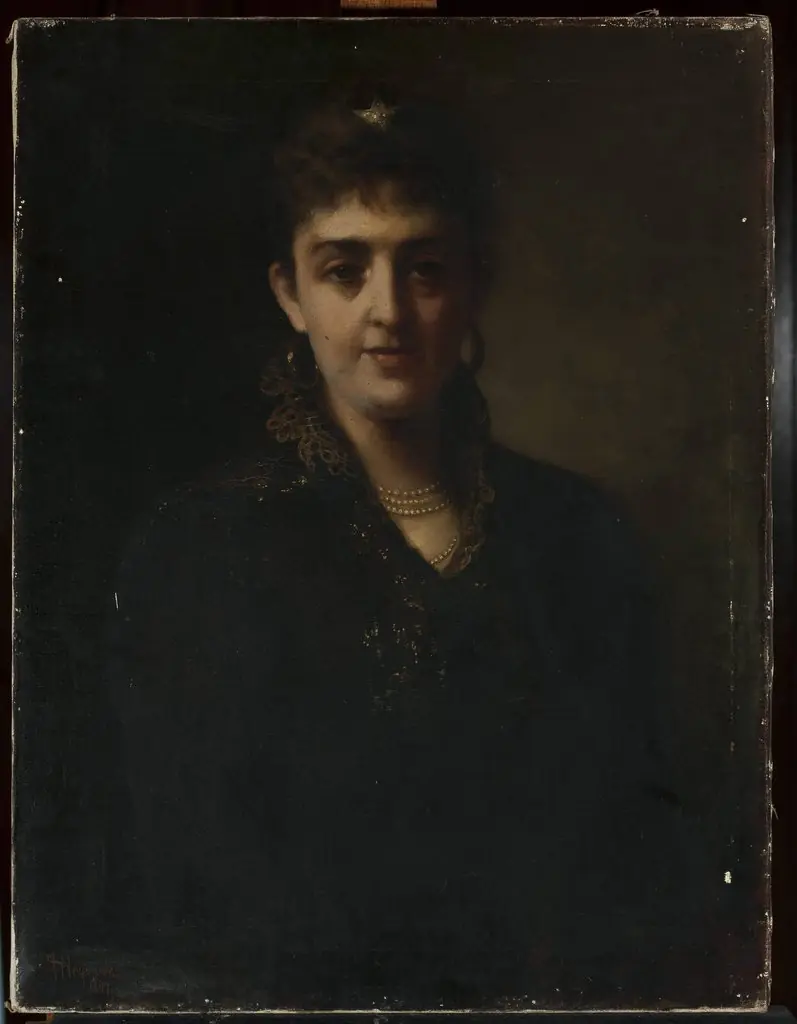 Portrait of a woman
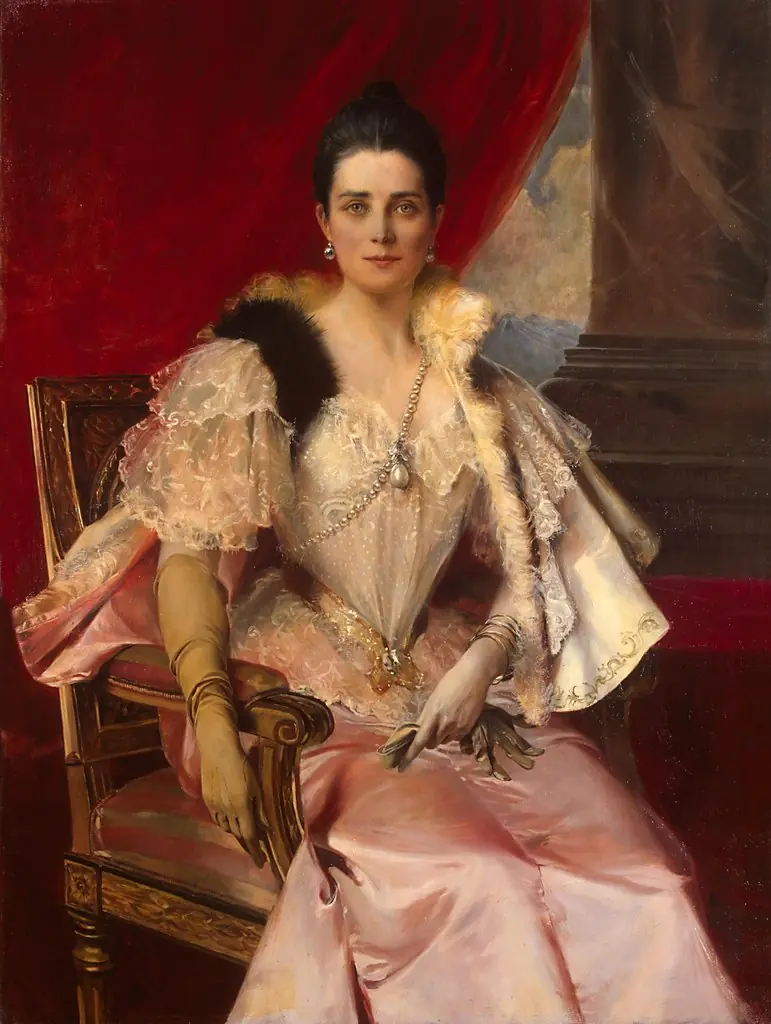 Portrait of Princess Z. N. Yusupova
 Portretul Doamnei Grant
 Portrait de Elisabeth Feodorovna Romanova
 Portrait of Augusta Victoria of Schleswig-Holstein (1858–1921), Wife of Wilhelm II (1859–1941), King of Prussia and Emperor
 Portrait of Marina Derviz
 Portret Antoniny Hoffmanowej
 Portrait of Princess Zinaida Nikolayevna Yusupova
 Mrs. Charles Warren-Cram (Ella Brooks Carter, 1846–1896)
 Mrs. Charles E. Inches (Louise Pomeroy)
 Isobelle Humphreys-Owen