Artwork
Oak Wood
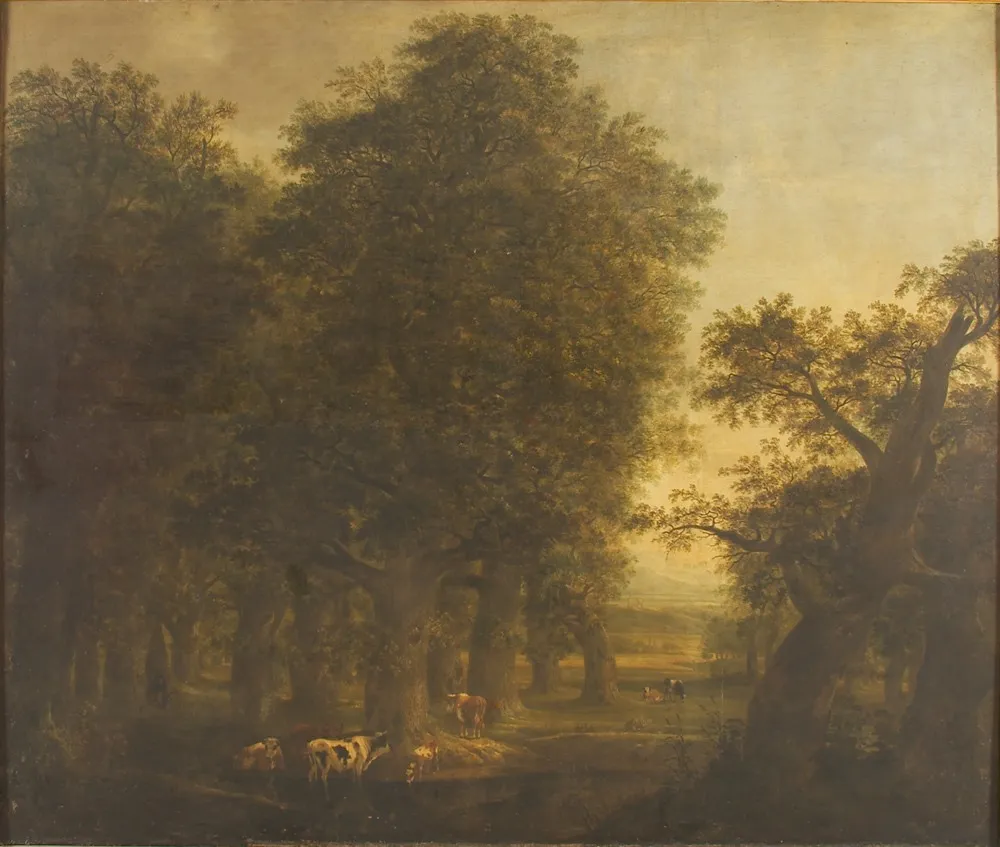
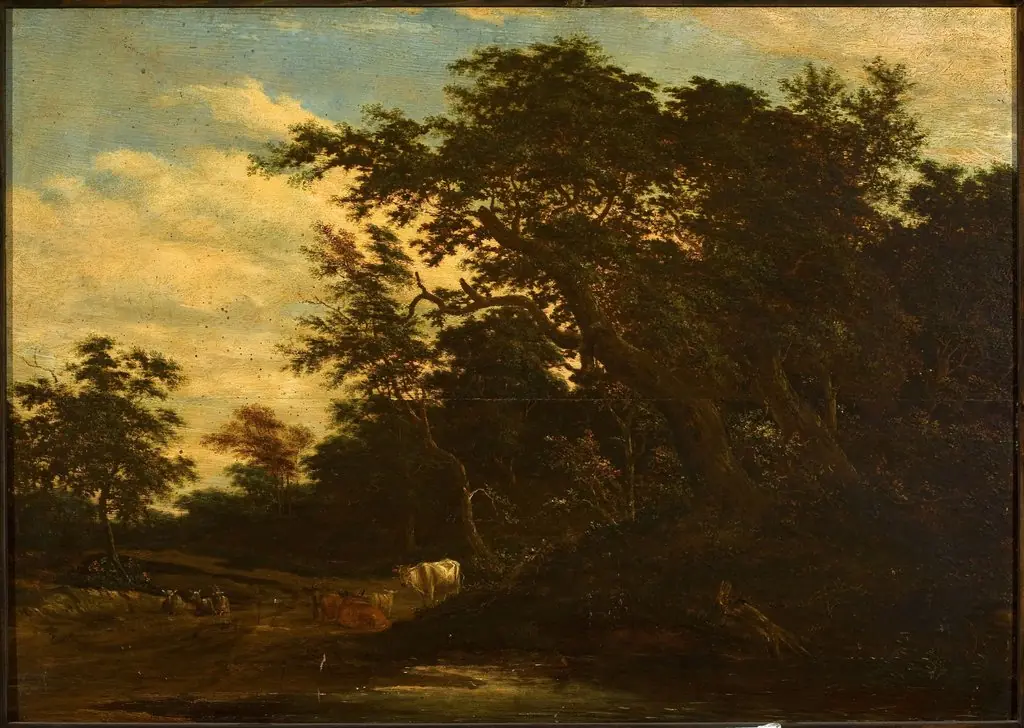
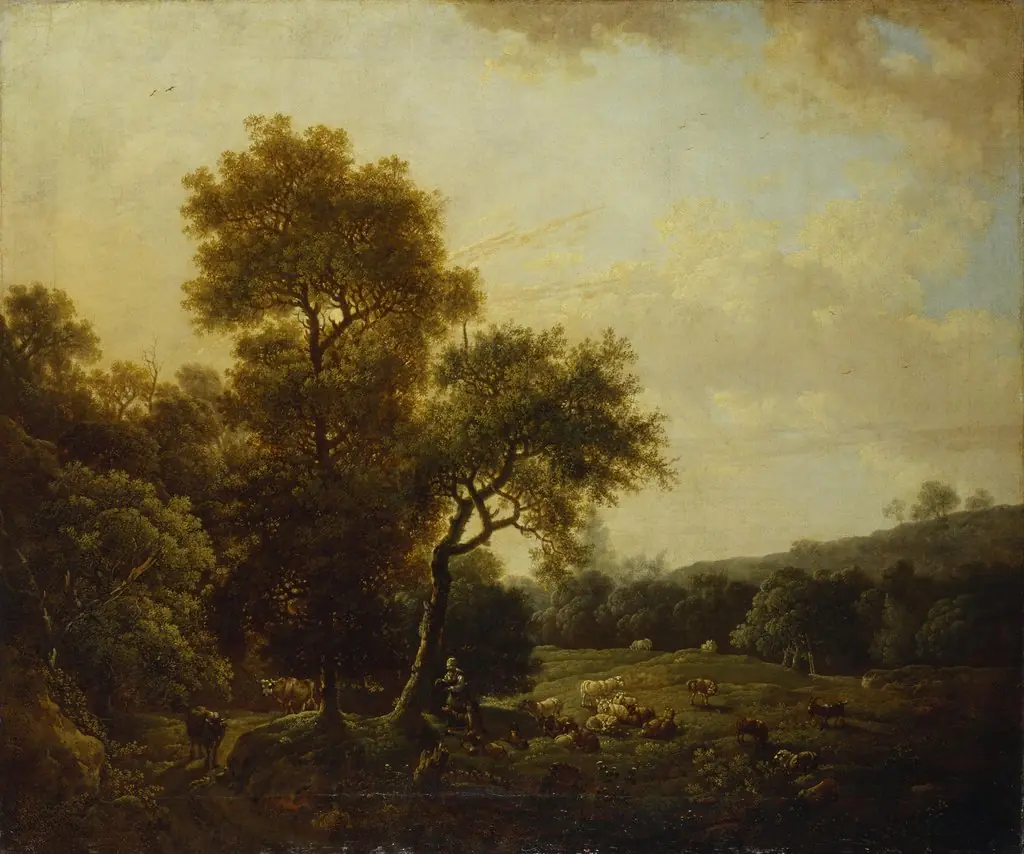
Oak Wood is an oil painting by the Rococo painting artist Pascha Johann Friedrich Weitsch. It dates from 1794 and is held in the collection of the Statens Museum for Kunst.
About this work
Overview
Painted in 1794 by German artist Johann Friedrich Weitsch, *Oak Wood* is an oil-on-canvas landscape that captures a quiet woodland scene.
Painted in 1794 by German artist Johann Friedrich Weitsch, *Oak Wood* is an oil-on-canvas landscape that captures a quiet woodland scene. Weitsch, active during the late 18th century, focused on naturalistic depictions of rural environments. The work is part of the permanent collection at Statens Museum for Kunst in Copenhagen, reflecting its significance in Northern European landscape traditions of the period.
Subject & Meaning
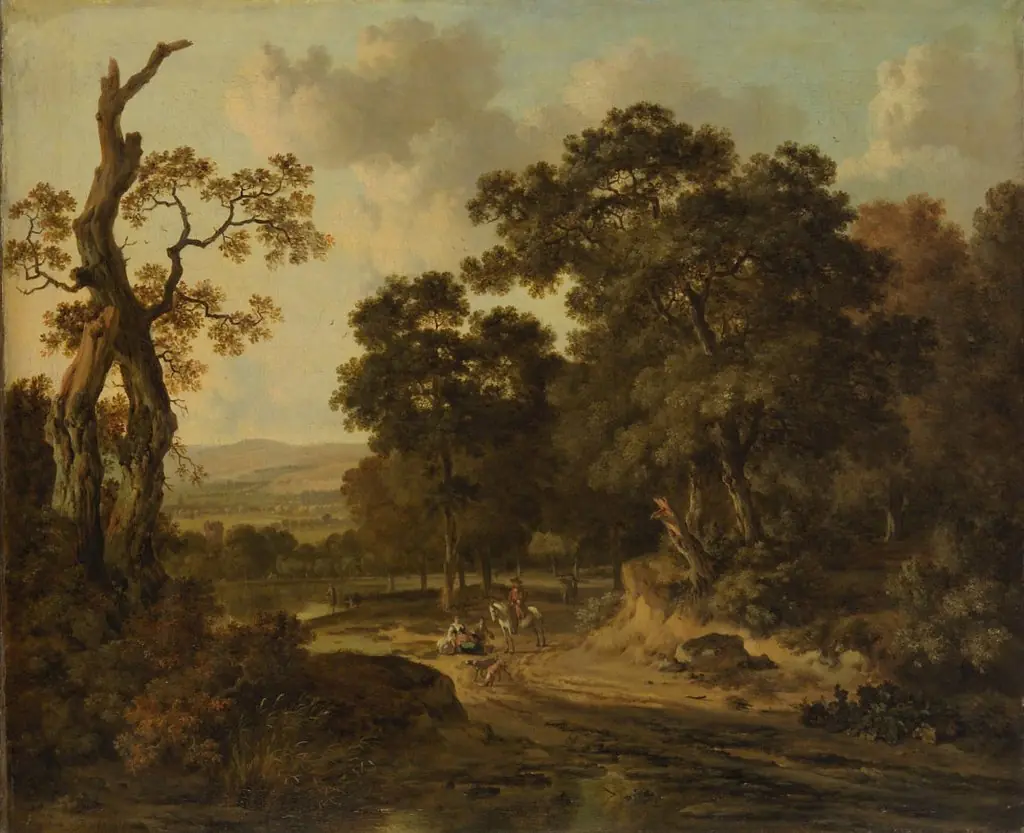
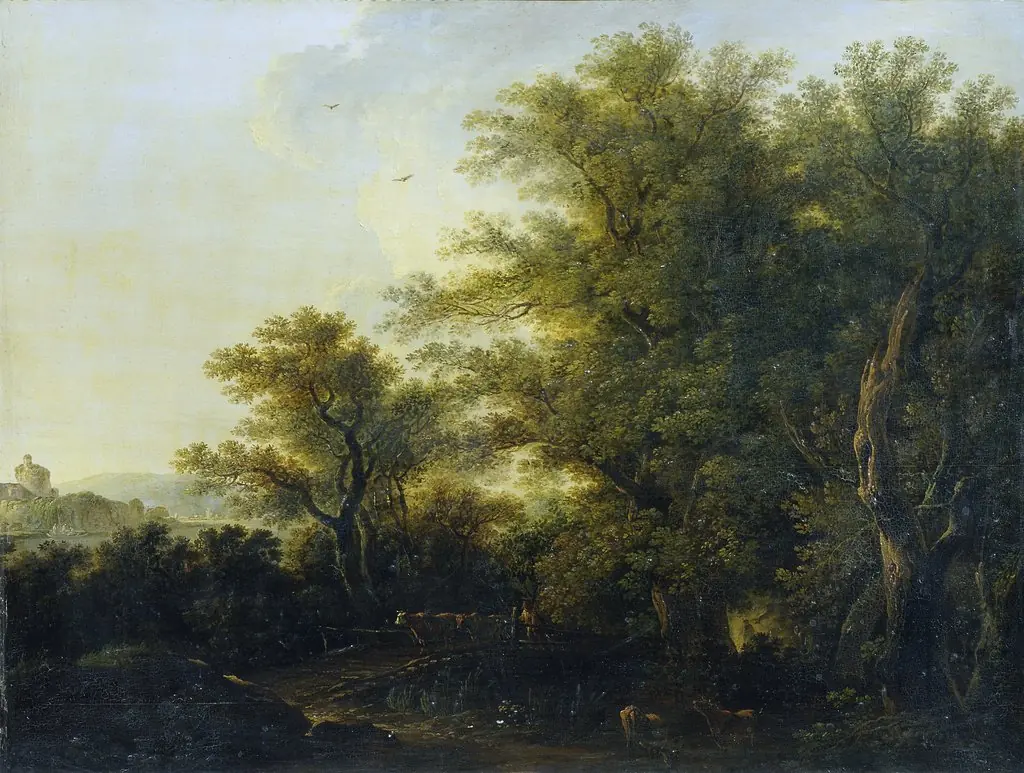
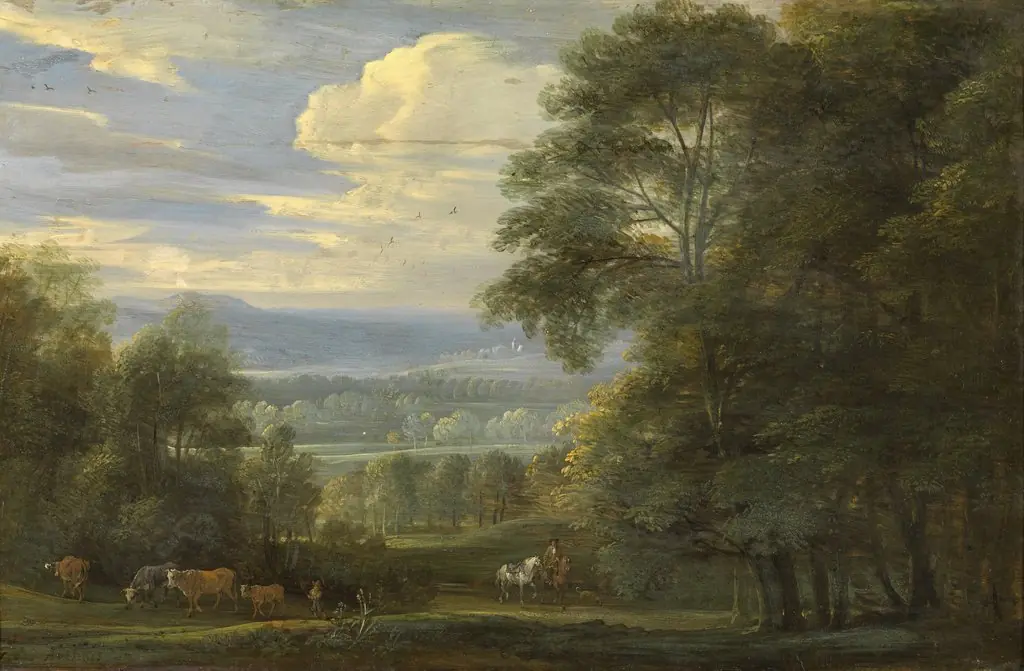
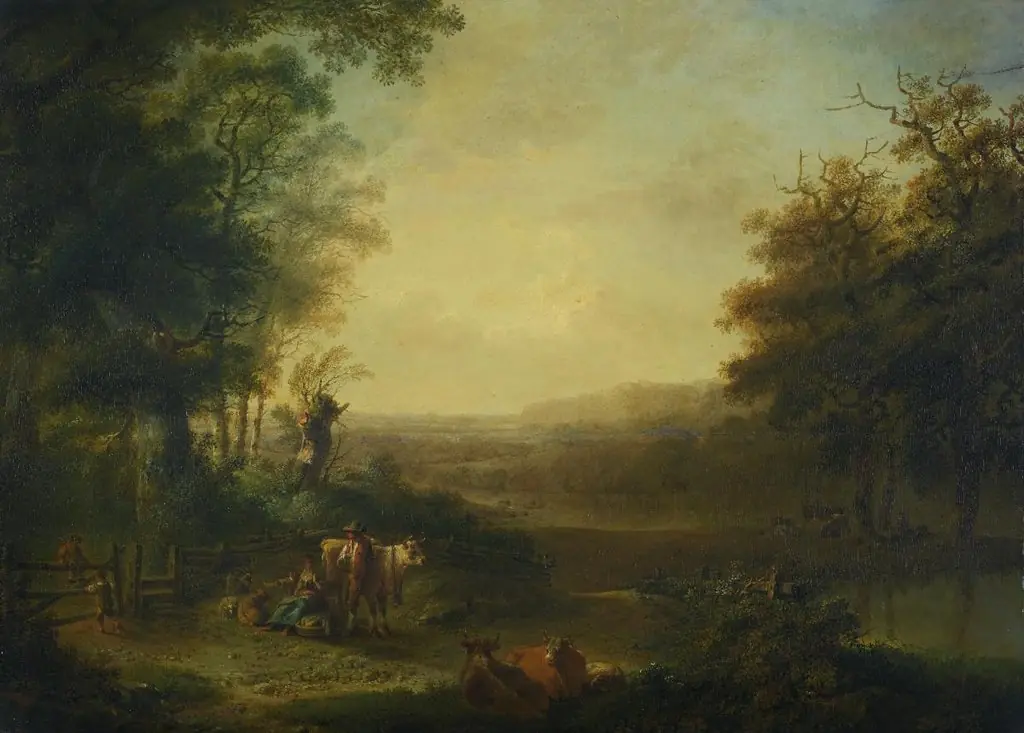
The painting centers on a massive oak tree, its form anchoring a composition of smaller trees, underbrush, and distant figures. A herd of cows rests near its roots, while human figures appear faintly in the background, suggesting quiet rural life. The scene conveys no narrative drama but instead evokes stillness and harmony between animals, people, and the natural world, aligning with Enlightenment-era ideals of nature as orderly and serene.
Technique & Style
Weitsch employed layered oil paint to build texture in bark, foliage, and grass, using varied brushwork to distinguish surfaces without excessive detail. Warm browns and ochres define the tree trunks, while cooler greens and blues suggest depth and shadow. The brushstrokes are deliberate and rhythmic, creating movement through the undergrowth without resorting to dramatic contrasts or theatrical lighting, distinguishing it from more stylized rococo approaches.
History & Provenance
Created in 1794, *Oak Wood* entered the collection of Statens Museum for Kunst in Denmark, where it remains today. While little is documented about its early ownership, its presence in a national museum suggests it was acquired during the 19th century as part of broader efforts to preserve German and Nordic landscape art. The painting’s survival and preservation reflect its recognition as a representative work of its time.
Context
Weitsch worked during a transitional period between rococo ornamentation and emerging Romantic sensibilities. While his style retains the precision of earlier naturalism, *Oak Wood* anticipates later interest in unidealized nature. Unlike grand historical scenes, this work elevates the ordinary rural landscape, aligning with growing cultural appreciation for the countryside as a site of moral and aesthetic value in late 18th-century Germany.
Legacy
Though not widely reproduced, *Oak Wood* contributes to the understanding of German landscape painting beyond the dominant Romantic tradition. Weitsch’s restrained approach—focused on observation rather than emotion—offers a counterpoint to later dramatic interpretations of nature. The painting remains a quiet example of how everyday woodland scenes were valued as subjects worthy of artistic attention in the Enlightenment era.
Artist & collection
Artist
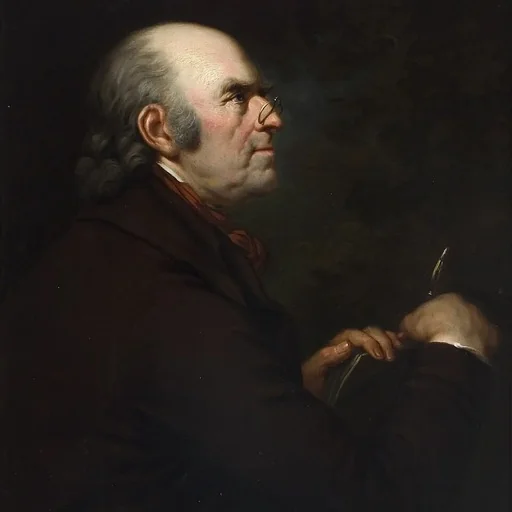
Pascha Johann Friedrich Weitsch
Pascha Johann Friedrich Weitsch (16 October 1723, Hessendamm, between Hesse and Mattierzoll – 6 August 1803, Salzdahlum) was a German landscape painter and illustrator.