Artwork
Landscape with a Cottage and Figures
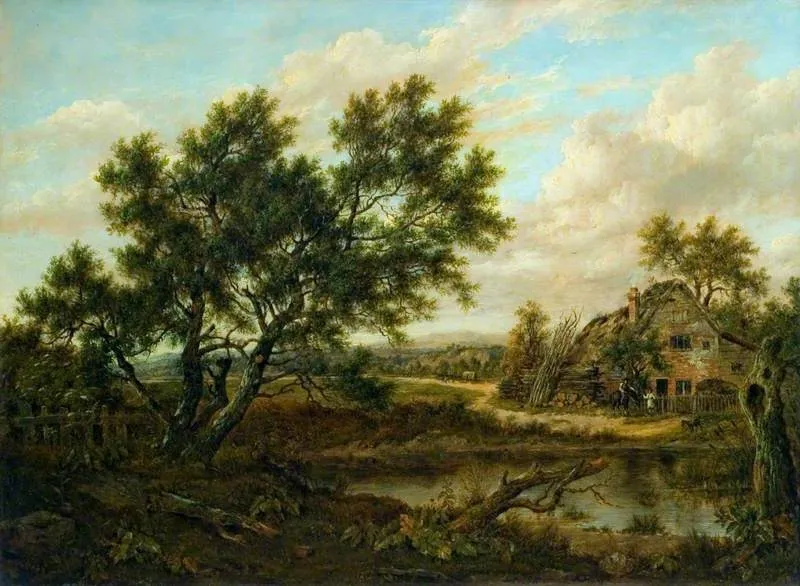
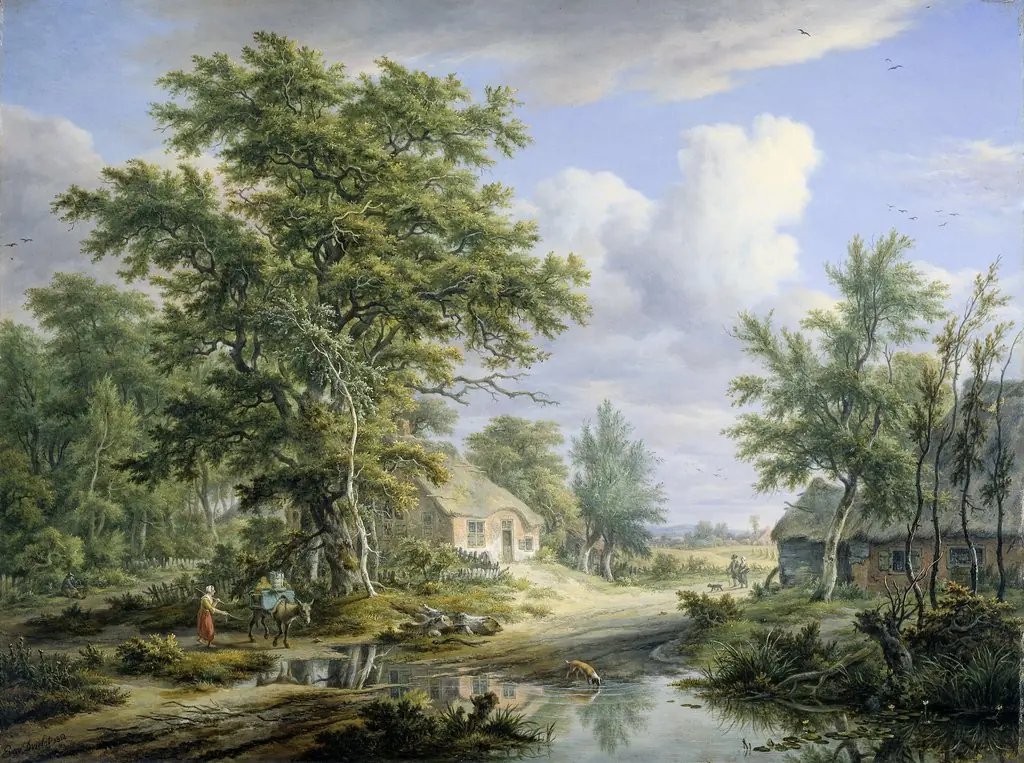
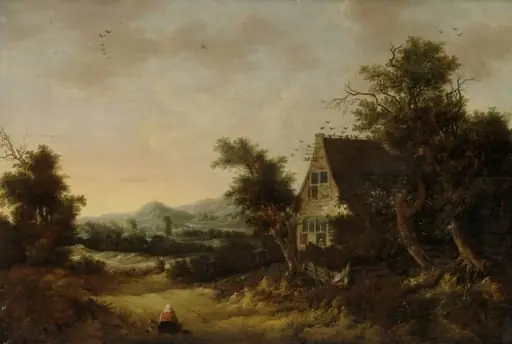
Landscape with a Cottage and Figures is an oil painting by the British Romanticist artist Patrick Nasmyth. It dates from 1831 and is held in the collection of the Victoria and Albert Museum. Created in 1831, this oil on canvas presents a tranquil rural tableau centered on a modest cottage.
About this work
Overview
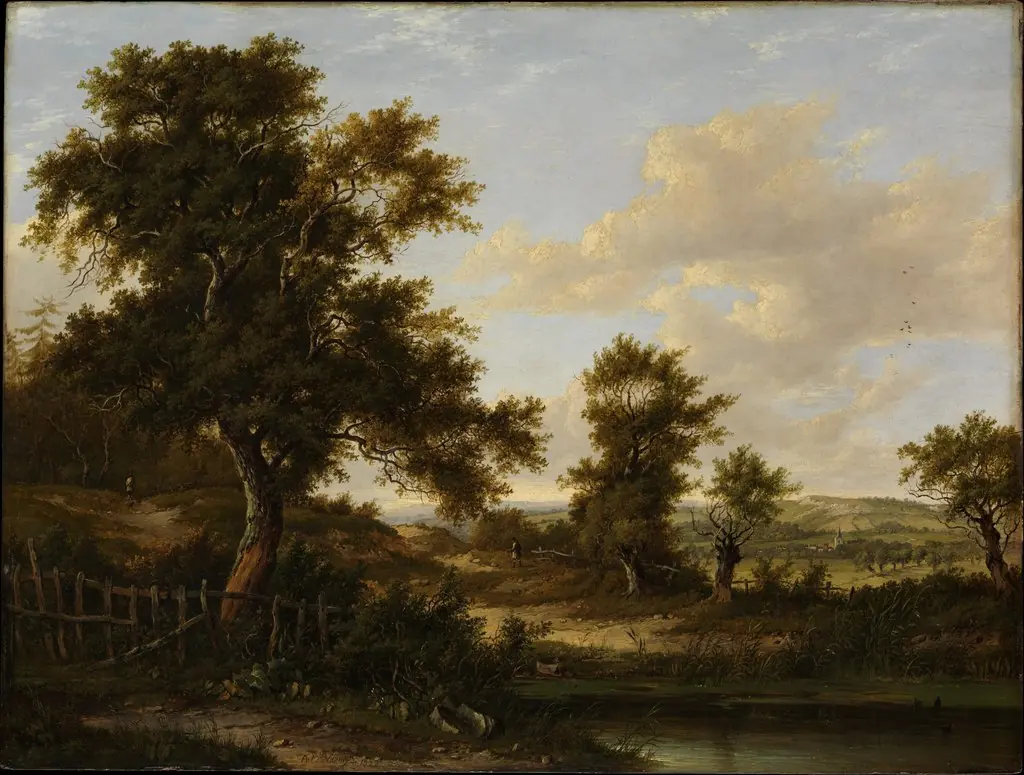
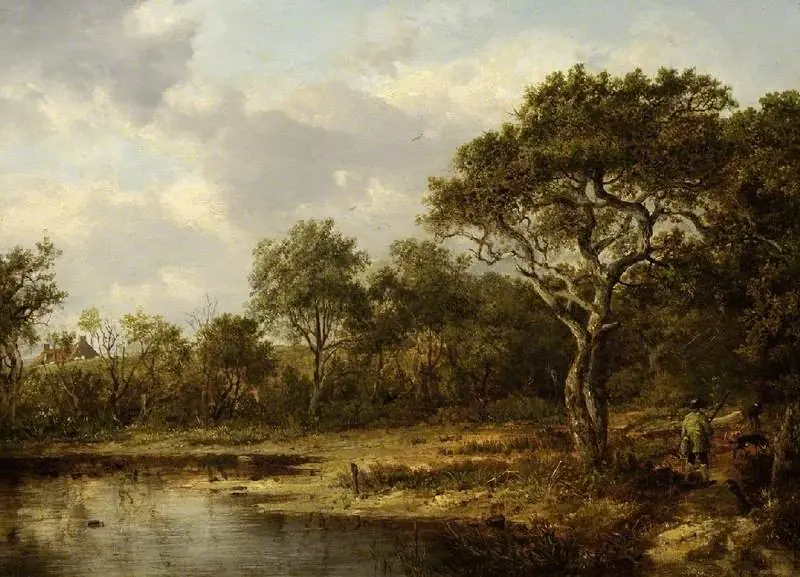
A mature tree dominates the foreground, its branches extending over a reflective pool that mirrors the muted sky.
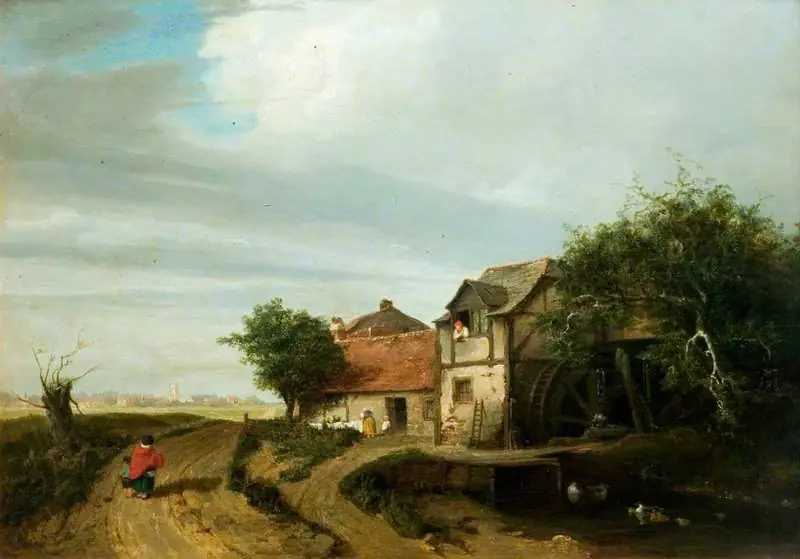
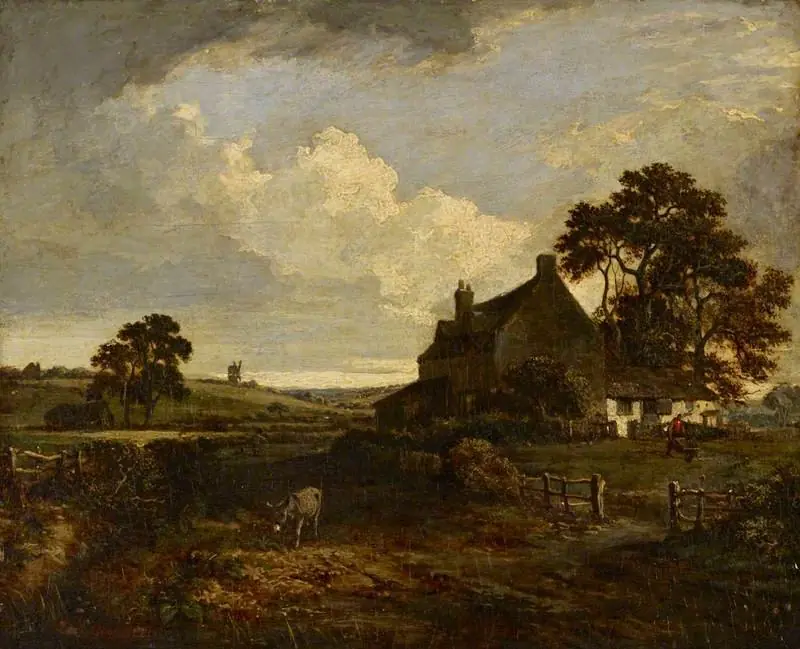
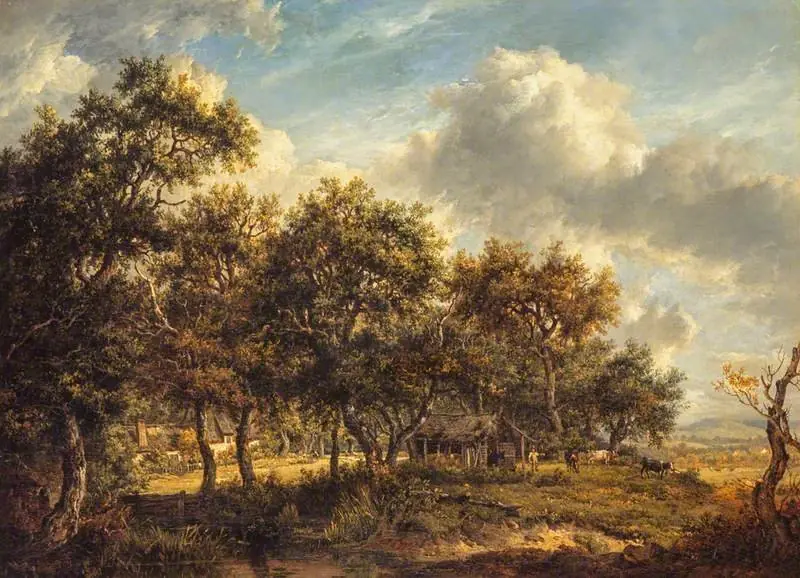
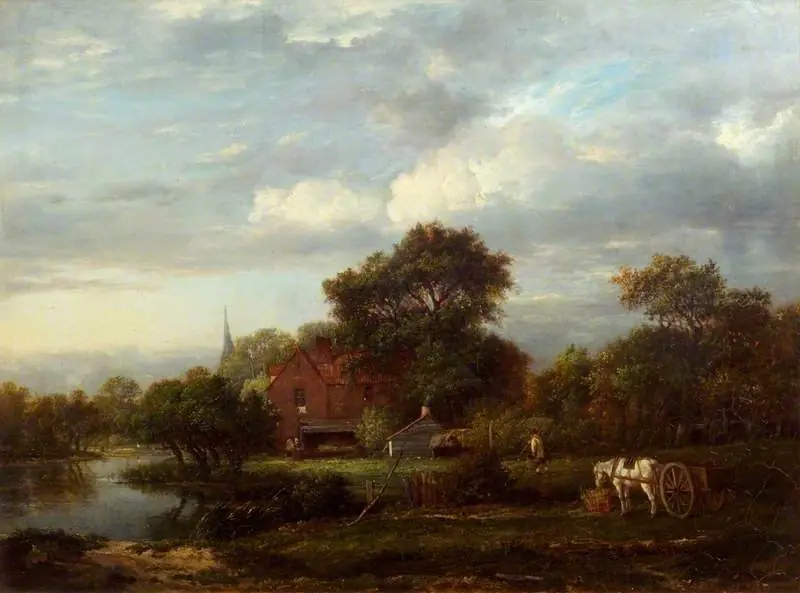
Created in 1831, this oil on canvas presents a tranquil rural tableau centered on a modest cottage. A mature tree dominates the foreground, its branches extending over a reflective pool that mirrors the muted sky. A few figures are positioned near the dwelling, adding a human element to the otherwise natural setting. The composition balances land, water, and architecture within a calm, atmospheric space.
Subject & Meaning
The work captures an idealized vision of countryside life, emphasizing harmony between people and their environment. The cottage serves as a focal point of domesticity, while the surrounding foliage and water suggest a timeless, unspoiled landscape. The presence of solitary figures hints at everyday activity without narrative drama, aligning with Romantic sensibilities that celebrate the serene beauty of the natural world.
Technique & Style
Executed in oil, the painting employs layered glazing to achieve depth and subtle tonal transitions. Light falls softly across the scene, generating delicate shadows that model the tree trunk and the water's surface. The muted palette of greens, browns, and blues reinforces the subdued mood, while careful handling of atmospheric perspective creates a sense of distance and spaciousness typical of early‑19th‑century British landscape painting.
History & Provenance
The canvas was completed in the final year of the artist's life, marking the culmination of his lifelong focus on landscape subjects. As the eldest son of the noted Scottish painter Alexander Nasmyth, the artist worked within a family tradition that significantly shaped Scottish visual culture. The painting has remained in private collections since its creation, with its provenance documented through family inventories and early exhibition records.
Context
Emerging during the height of British Romanticism, the piece reflects contemporary interest in depicting the pastoral idyll as a counterpoint to industrialization. The artist's Scottish heritage and training under his father informed his preference for domestic, low‑land scenery rather than dramatic Highland vistas. This approach aligns with a broader movement among early‑19th‑century painters who sought to evoke emotional resonance through tranquil, everyday landscapes.
Artist & collection
Artist
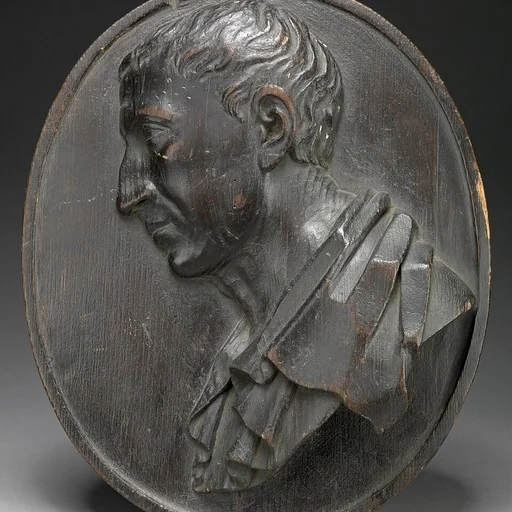
Patrick Nasmyth, (7 January 1787 – 17 August 1831), was a Scottish landscape painter. He was the eldest son of the artist Alexander Nasmyth.