Artwork
Fantastic Landscape
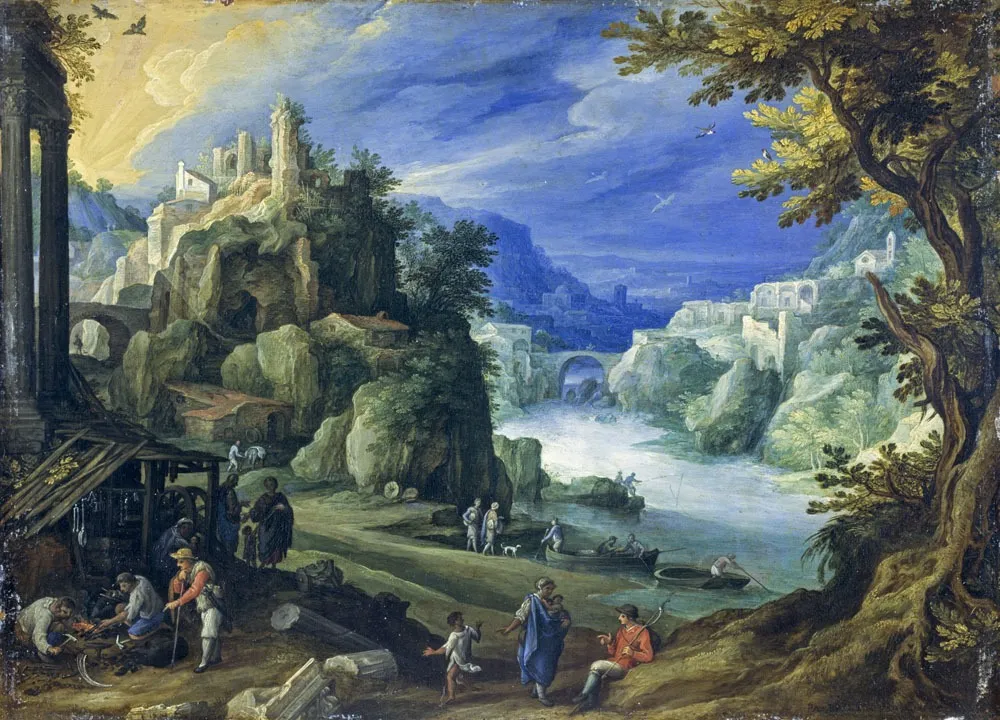
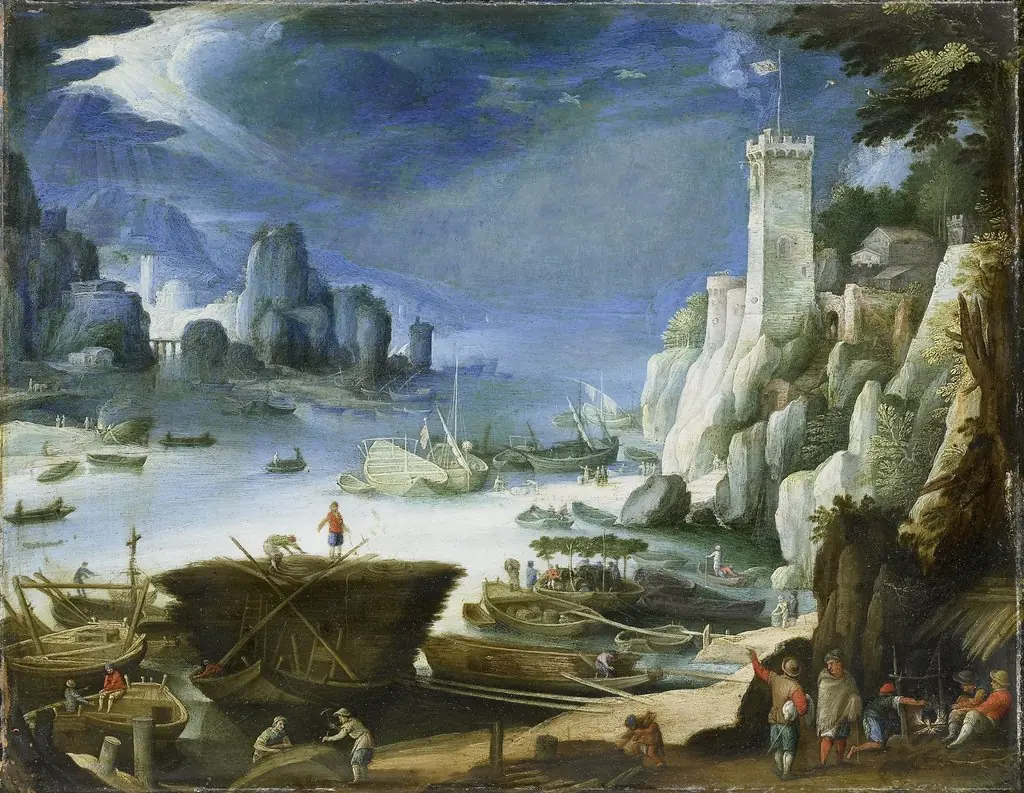
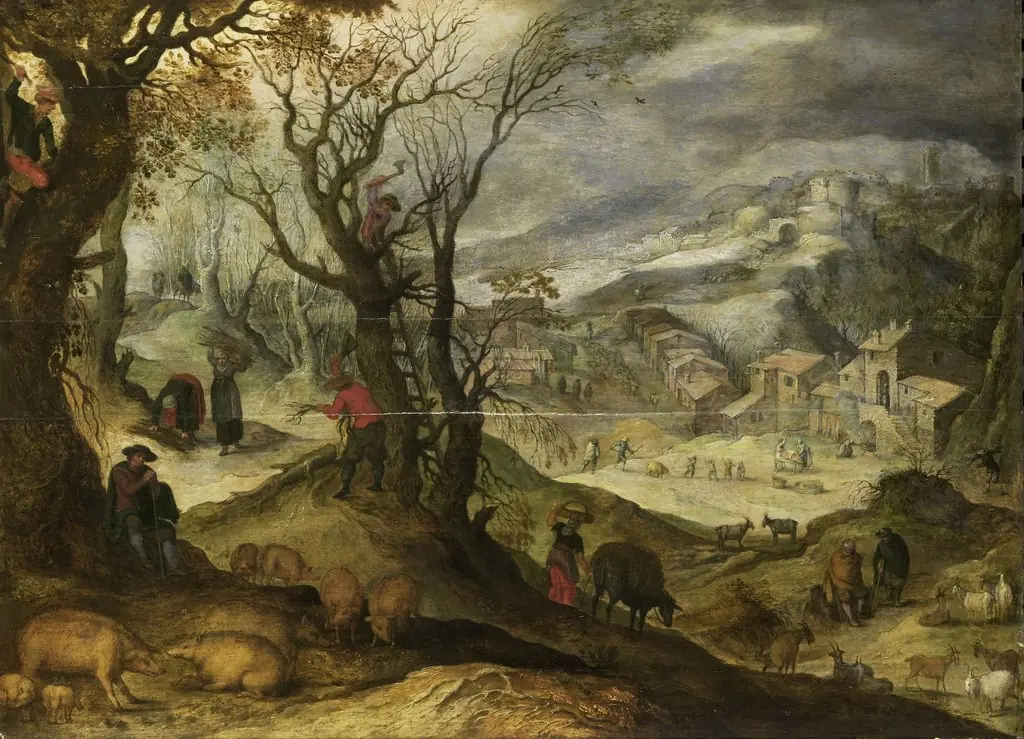
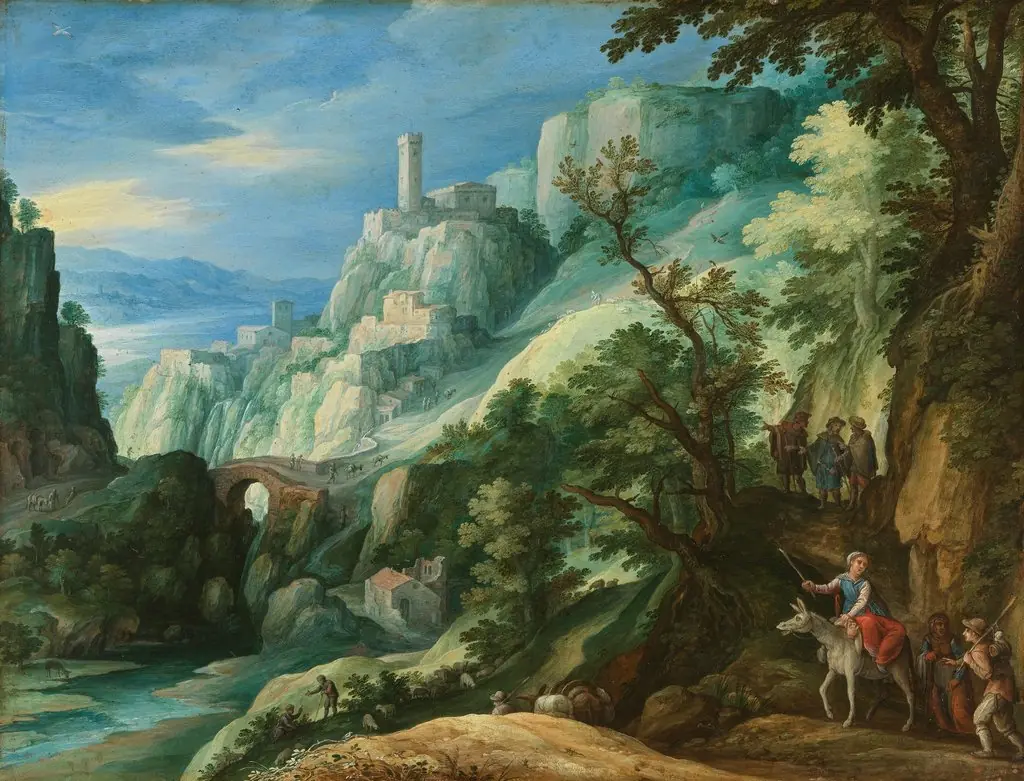
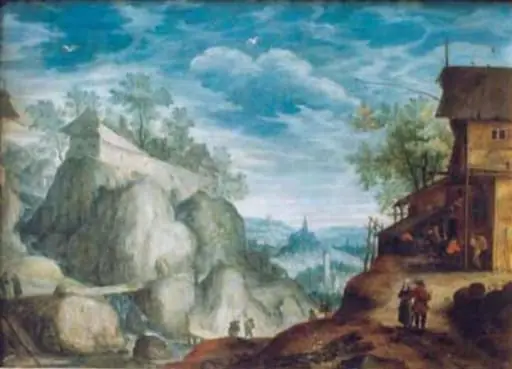
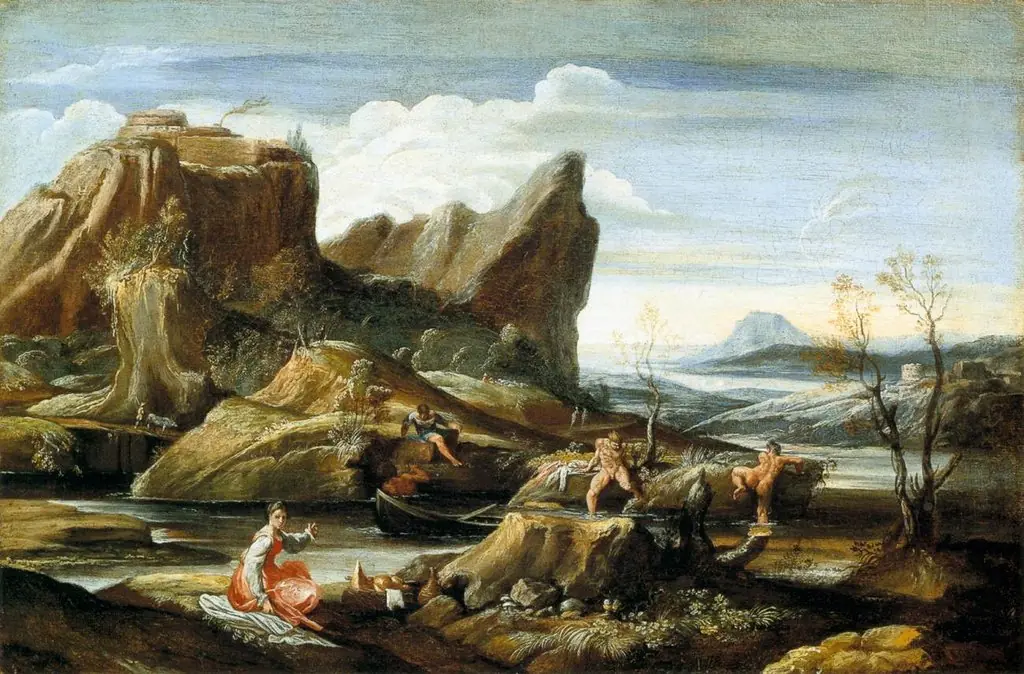
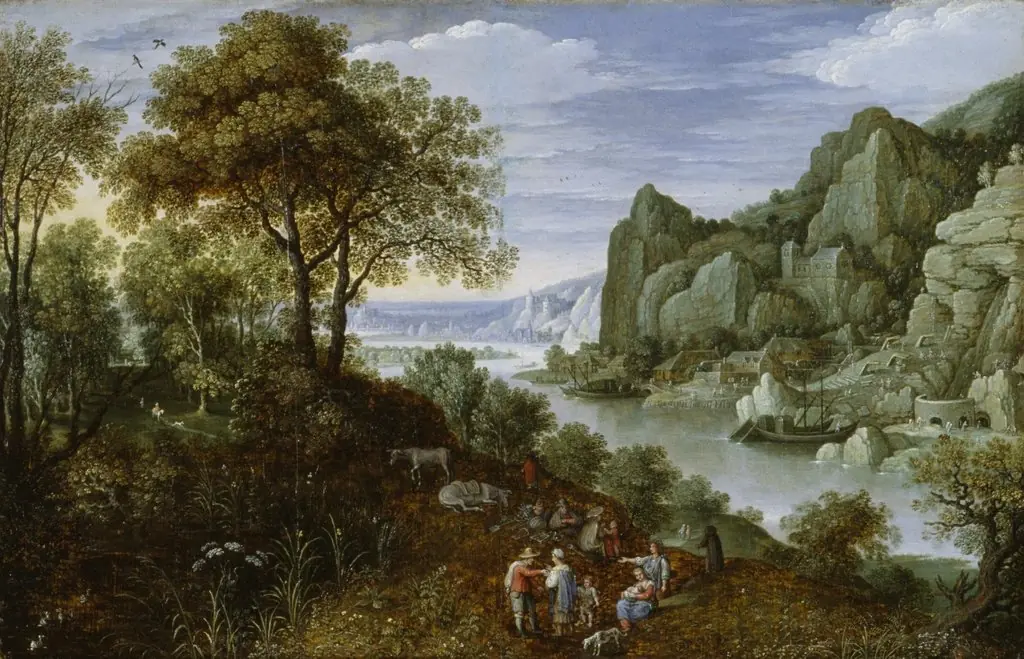
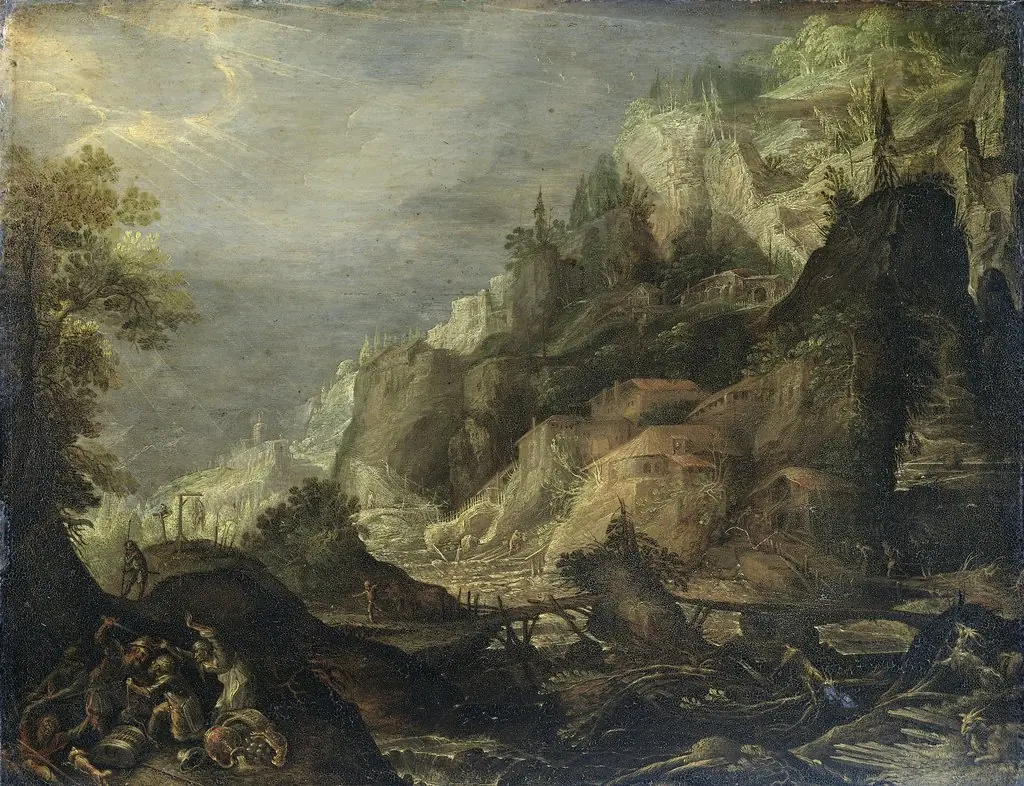
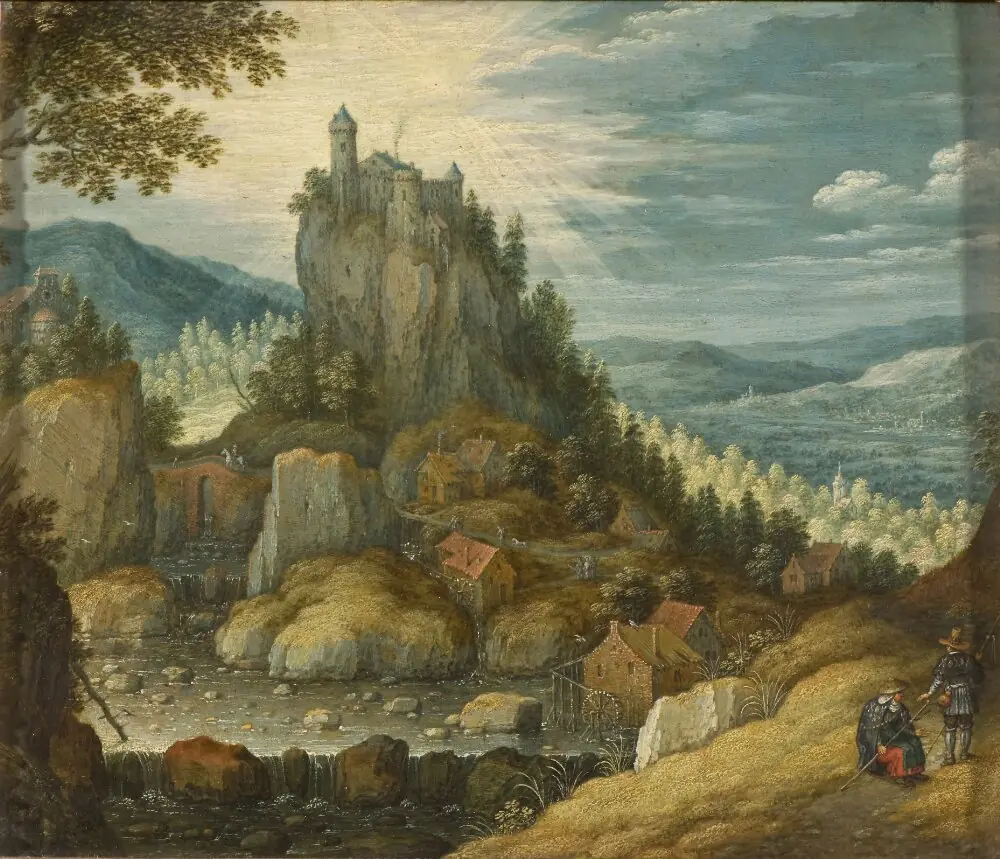
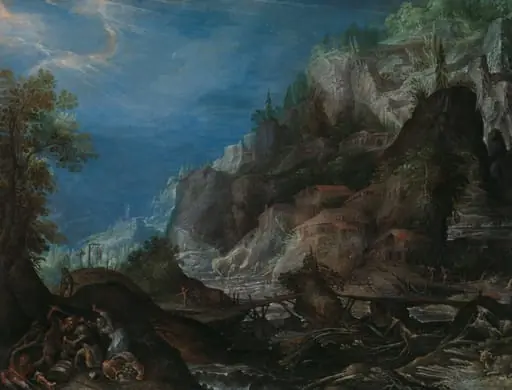
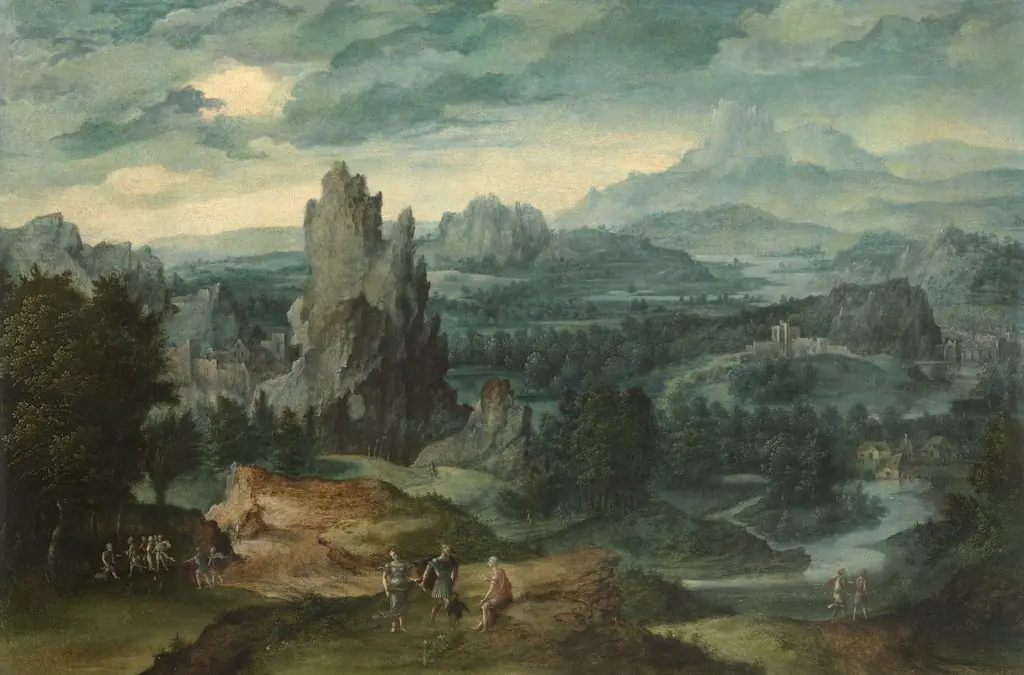
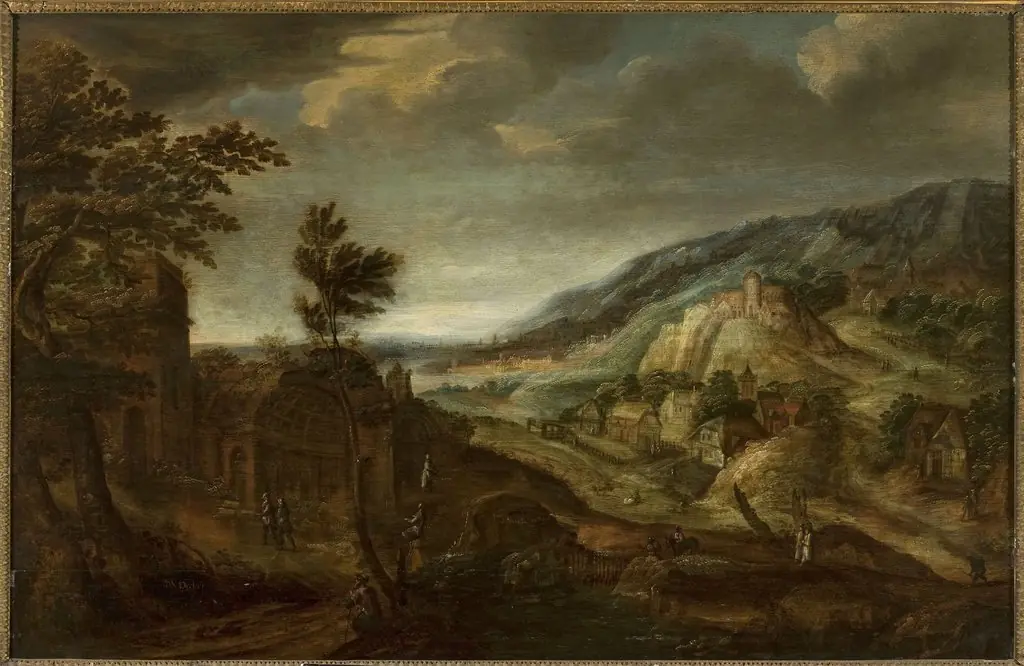
Fantastic Landscape is an oil painting by the Flemish Baroque painting artist Paul Bril. It dates from 1600 and is held in the collection of the National Galleries Scotland.
About this work
Overview
It belongs to a tradition of Northern European landscape painting that prioritizes atmospheric effect over topographical accuracy.
Paul Bril's Fantastic Landscape, painted around 1600 on copper, is a small-scale work that blends observed natural elements with imaginative architecture and topography. It belongs to a tradition of Northern European landscape painting that prioritizes atmospheric effect over topographical accuracy. The piece is part of the collection at the Scottish National Gallery, where it has remained since the 19th century.
Subject & Meaning
The scene presents an idealized, non-specific environment where human activity unfolds amid rivers, cliffs, and stylized structures. Figures engage in fishing, walking, and resting, their presence suggesting harmony with nature rather than dominance over it. The composition avoids narrative clarity, instead inviting contemplation of tranquil, timeless interaction between people and landscape.
Technique & Style
Bril employed copper as a support for its smooth, non-porous surface, allowing fine detail and luminous color transitions. His brushwork is precise yet fluid, with delicate layering to suggest atmospheric perspective. The sky, rendered in soft blues and muted clouds, recedes gently behind foreground elements, enhancing spatial depth. The palette is restrained, favoring earth tones and cool greens to unify the composition.
History & Provenance
The painting was likely created during Bril’s time in Rome, where he worked for decades and influenced Italian landscape traditions. It entered the Scottish National Gallery’s collection in the 1880s as part of a broader acquisition of Northern Renaissance works. Its copper support and intimate scale suggest it was intended for private, rather than public, display.
Context
Bril’s work emerged in a period when landscape painting was gaining status as an independent genre, separate from religious or mythological themes. His style, rooted in Flemish traditions but shaped by Italian light and topography, bridged Northern and Southern European approaches. This painting reflects the growing interest in nature as a subject worthy of aesthetic attention, even when idealized.
Legacy
Bril’s landscapes, including this one, helped establish conventions later adopted by artists such as Claude Lorrain and the Dutch Golden Age painters. His use of atmospheric depth, balanced composition, and subtle tonal gradations became foundational to European landscape painting. Though less celebrated today, his influence persisted through generations of artists who sought to evoke mood through natural settings.
Artist & collection

Artist
Paul Bril was a Flemish painter and printmaker principally known for his landscapes. He spent most of his active career in Rome. His Italianate landscapes had a major influence on landscape painting in Italy and Northern Europe.