Artwork
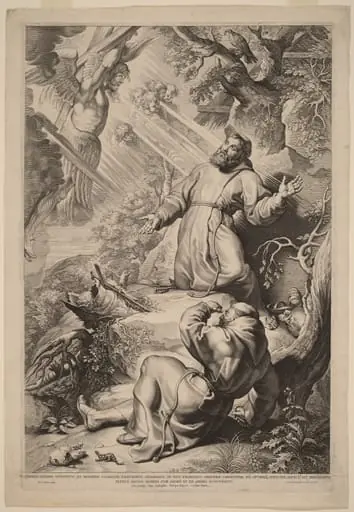
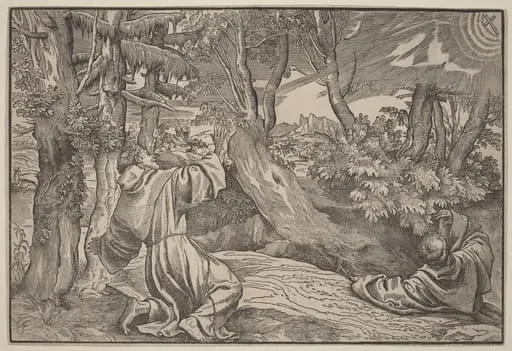
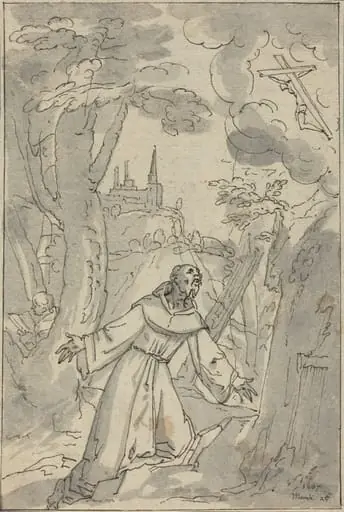
Saint Francis of Assisi Receiving the Stigmata
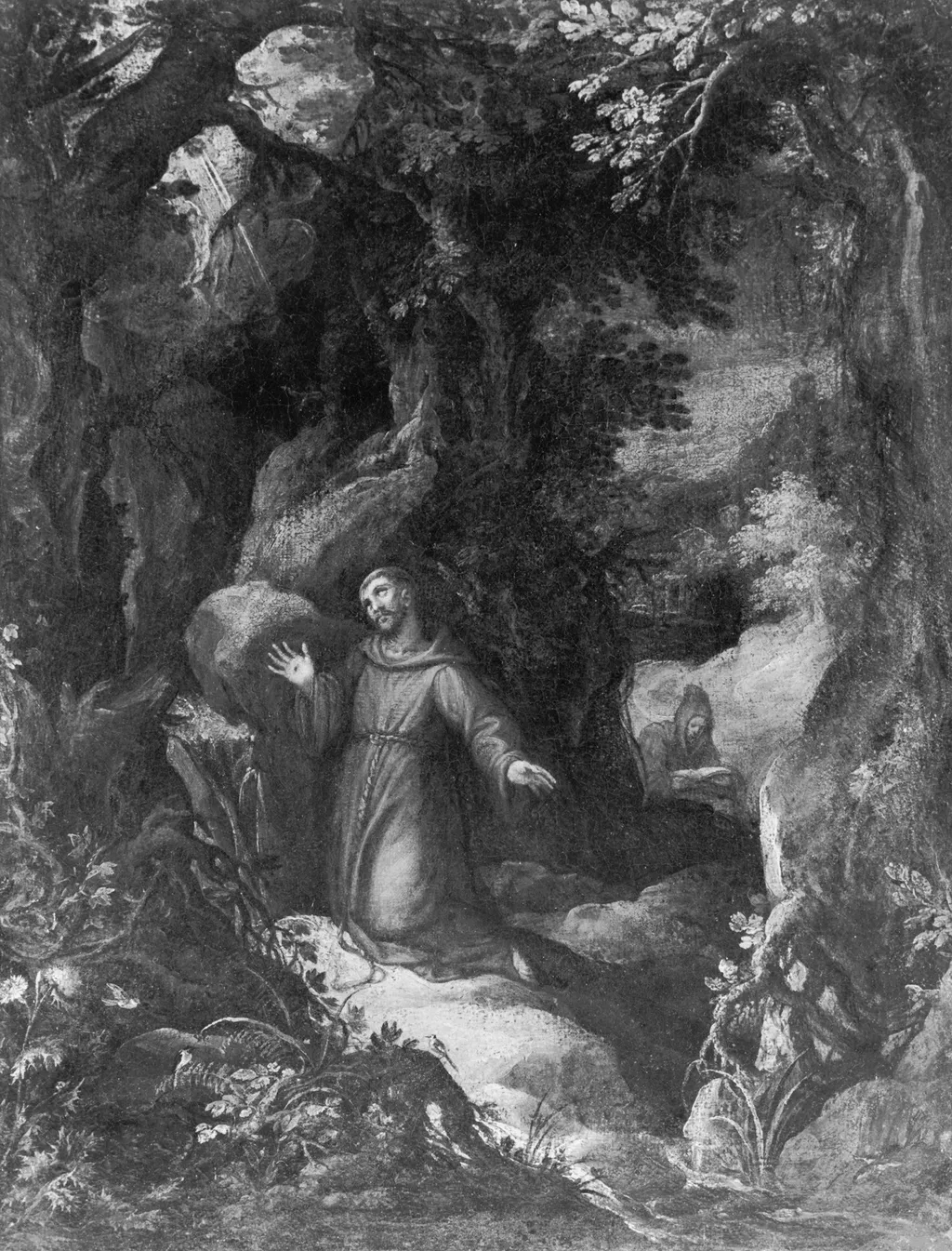
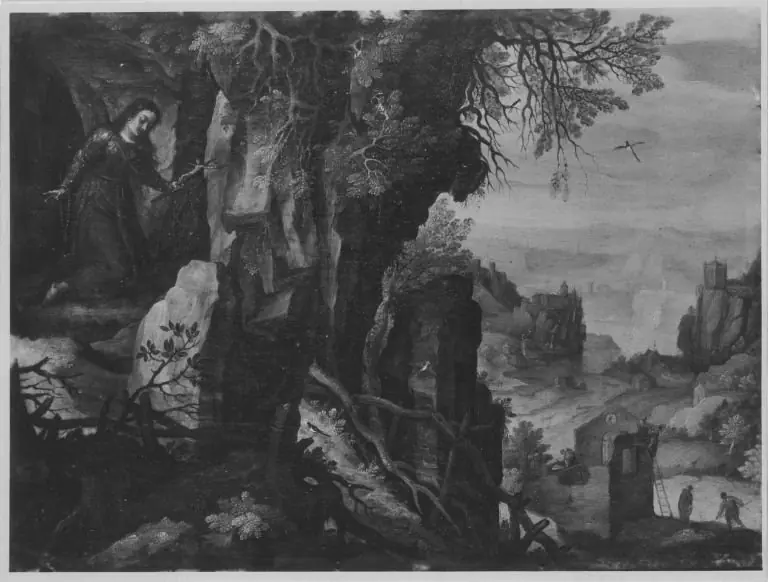
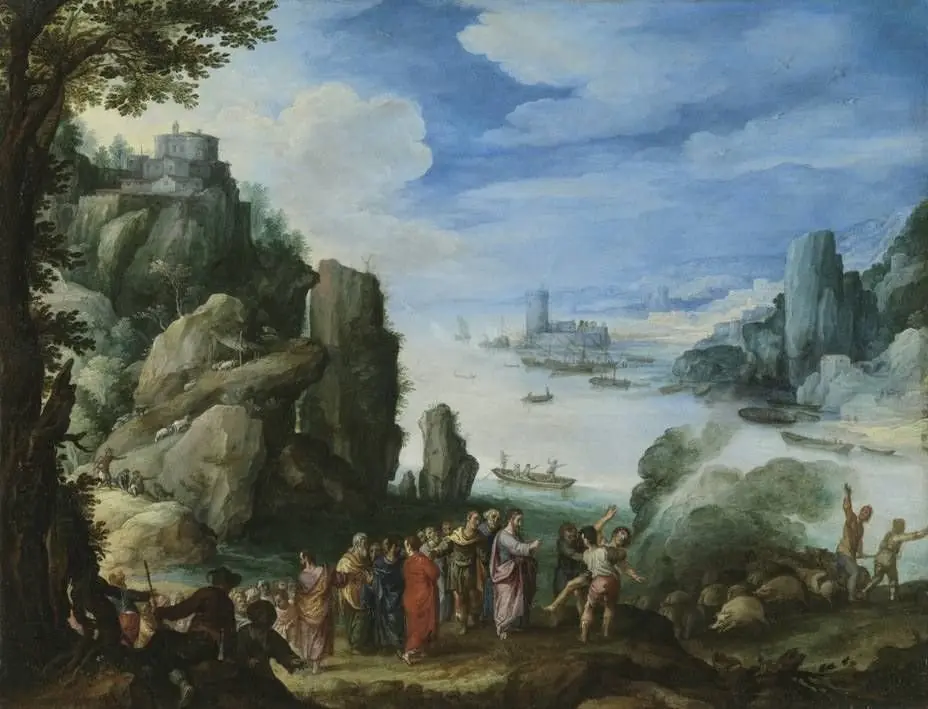
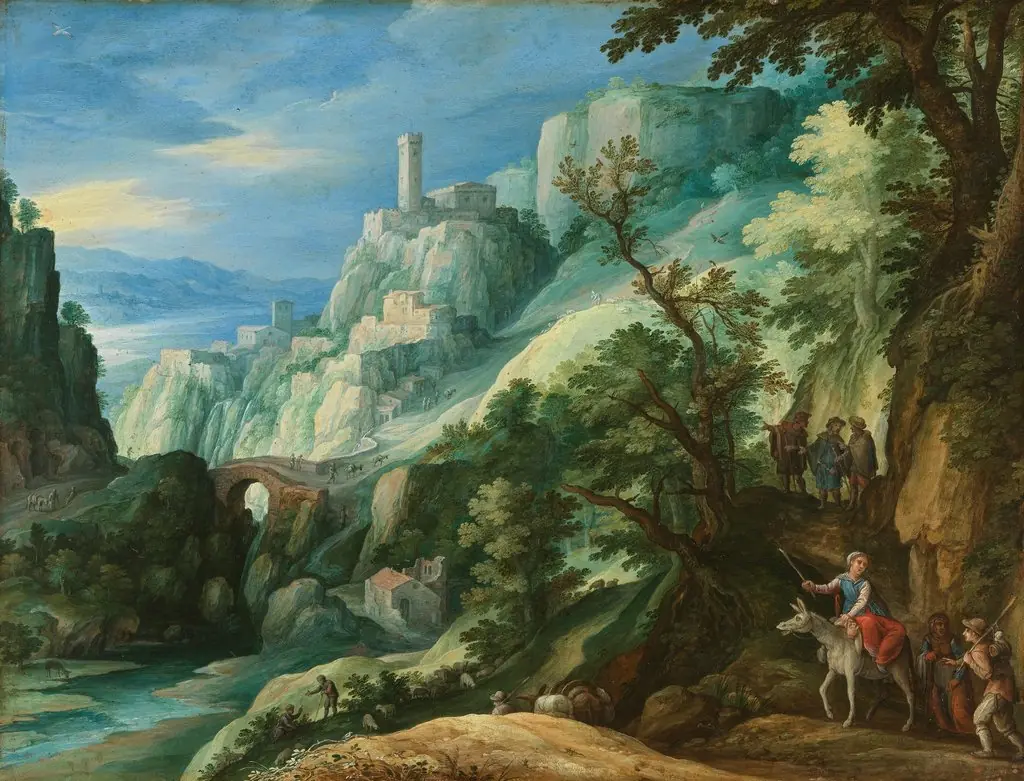
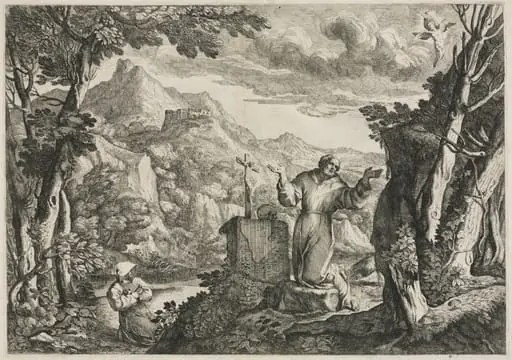
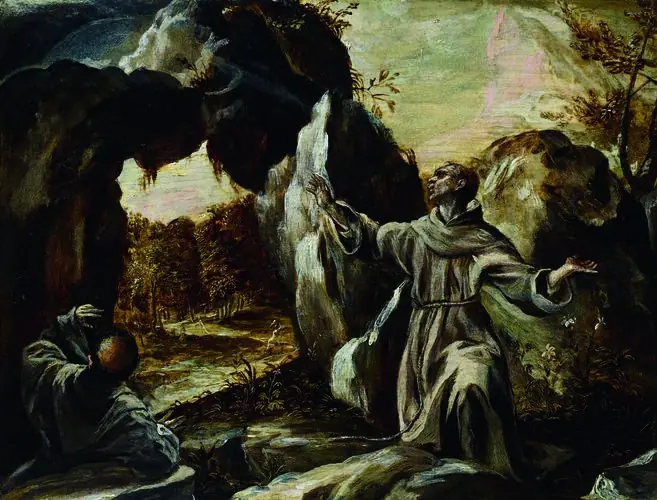
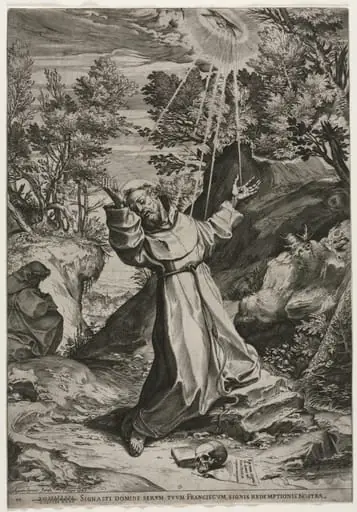
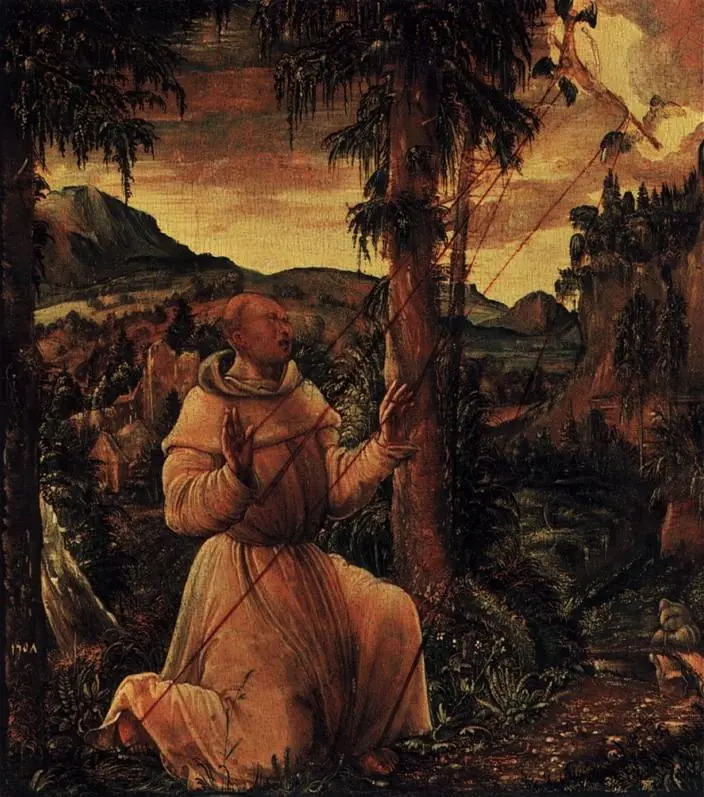
Saint Francis of Assisi Receiving the Stigmata is an oil painting by the Flemish Baroque painting artist Paul Bril. It dates from 1620 and is held in the collection of the Walters Art Museum.
About this work
Overview
Painted in 1620 by Paul Bril, this oil-on-panel work portrays Saint Francis of Assisi at the moment he receives the stigmata—the wounds of Christ.
Painted in 1620 by Paul Bril, this oil-on-panel work portrays Saint Francis of Assisi at the moment he receives the stigmata—the wounds of Christ. The scene unfolds in a quiet, naturalistic landscape, avoiding dramatic spectacle in favor of stillness. The painting resides in the Walters Art Museum, where it exemplifies Bril’s late style, blending Northern European attention to detail with Italianate landscape traditions.
Subject & Meaning
The figure of Saint Francis stands alone, arms outstretched in surrender, as divine light subtly marks his hands and feet. The absence of angels or celestial beings shifts focus to his inner experience. The stigmata, though not violently rendered, are implied through posture and stillness, emphasizing spiritual transformation over physical suffering. The setting suggests a sacred solitude, aligning with Franciscan ideals of humility and communion with nature.
Technique & Style
Bril employs a restrained palette of earth tones—olive greens, muted browns, and soft grays—to evoke quiet reverence. Light is diffused rather than sharply contrasted, avoiding strong chiaroscuro in favor of even illumination that enhances the painting’s meditative tone. Fine brushwork renders foliage and rock textures with delicate precision, reflecting Bril’s background as a landscape specialist and his training in Rome’s artistic circles.
History & Provenance
Commissioned during Bril’s mature period in Rome, the painting likely originated as a private devotional piece. It entered the Walters collection in the early 20th century through the acquisition of Henry Walters’ extensive European holdings. Its survival in good condition reflects careful stewardship, though little is documented about its early ownership beyond its presence in Italian collections by the late 17th century.
Context
Created during the Counter-Reformation, the image reflects the Catholic Church’s emphasis on personal piety and saintly intercession. Bril’s approach diverges from the theatricality of Baroque religious art, instead embracing a contemplative mode favored by mendicant orders. His fusion of Flemish landscape sensibility with Italian subject matter highlights the cross-cultural exchange shaping early 17th-century religious imagery.
Legacy
Though not widely reproduced, the painting stands as a quiet example of how religious themes were rendered with psychological subtlety outside the dominant Baroque style. Bril’s influence on later landscape painters is noted, but this work remains significant for its restrained spiritual intensity, offering a counterpoint to more flamboyant depictions of the stigmata in contemporaneous art.
Own this work as a print
Artist & collection

Artist
Paul Bril was a Flemish painter and printmaker principally known for his landscapes. He spent most of his active career in Rome. His Italianate landscapes had a major influence on landscape painting in Italy and Northern Europe.