Artwork
Bottom of the Ravine
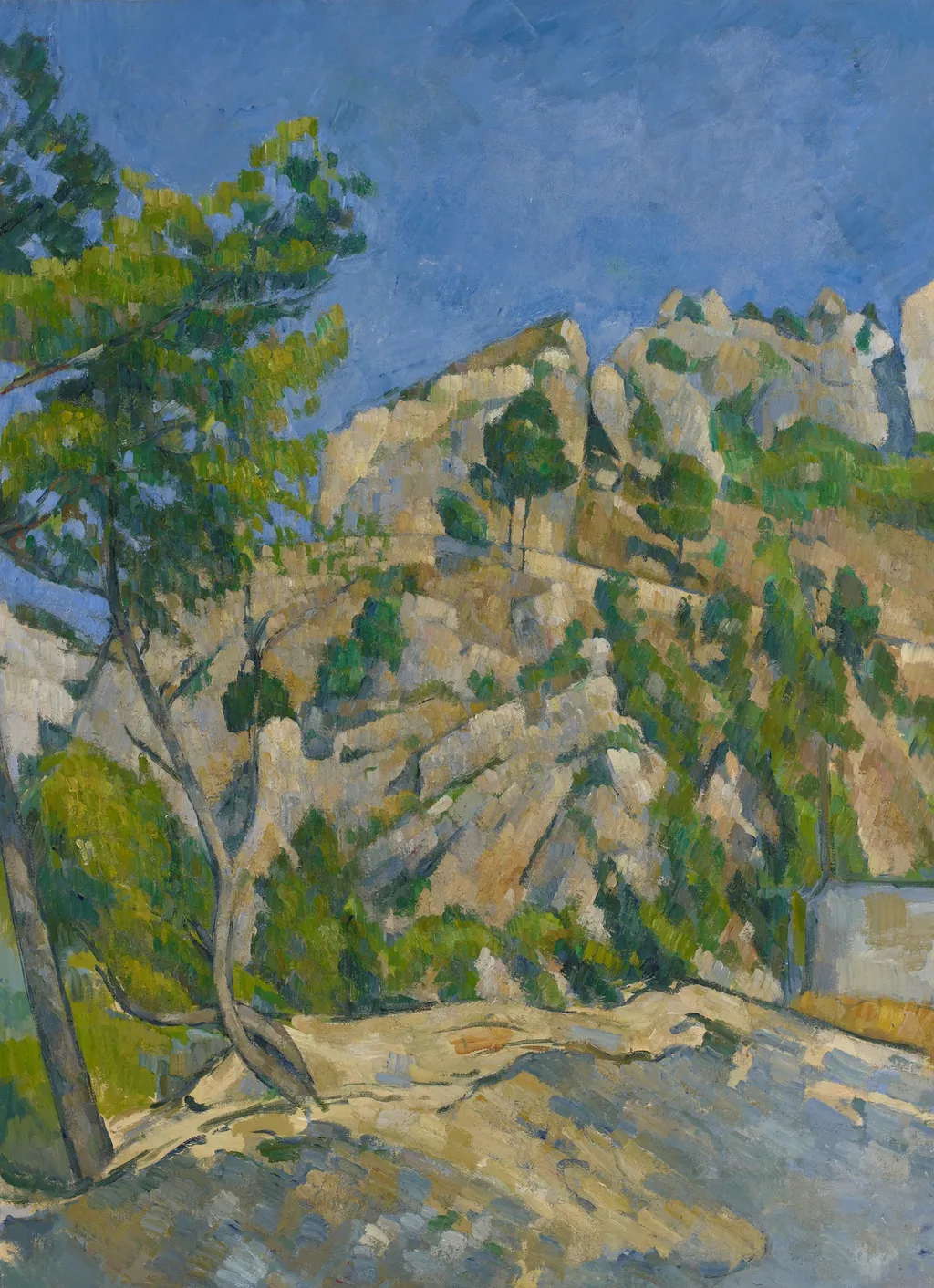
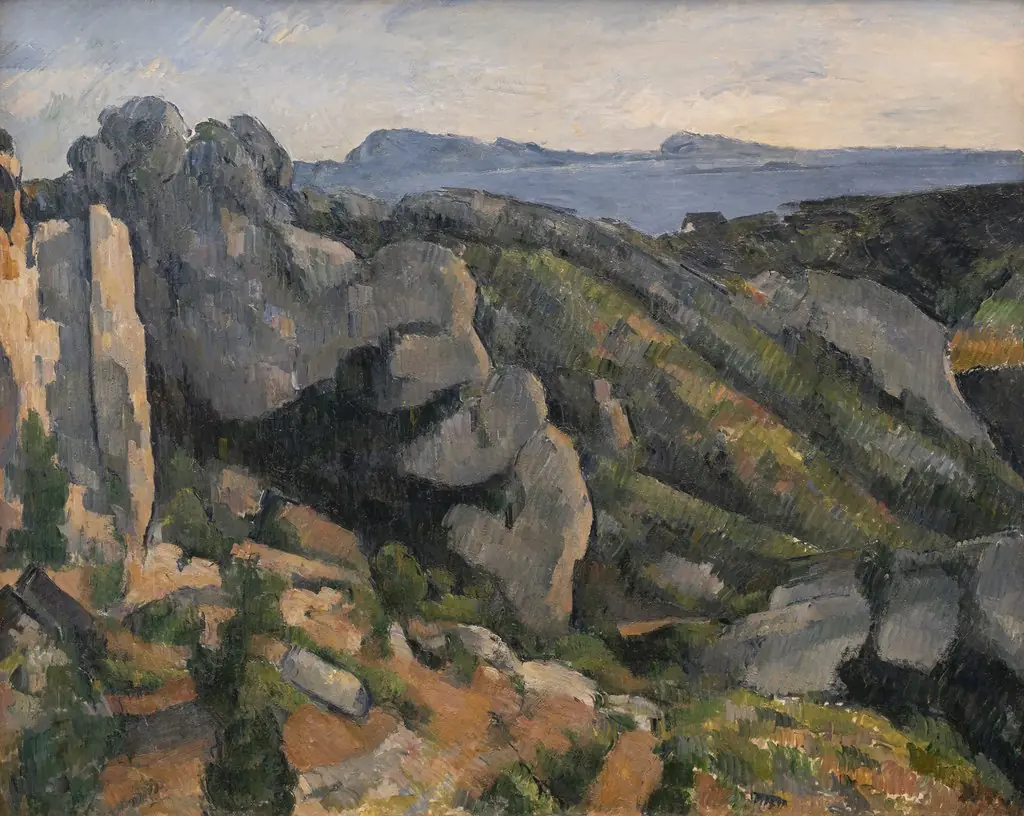
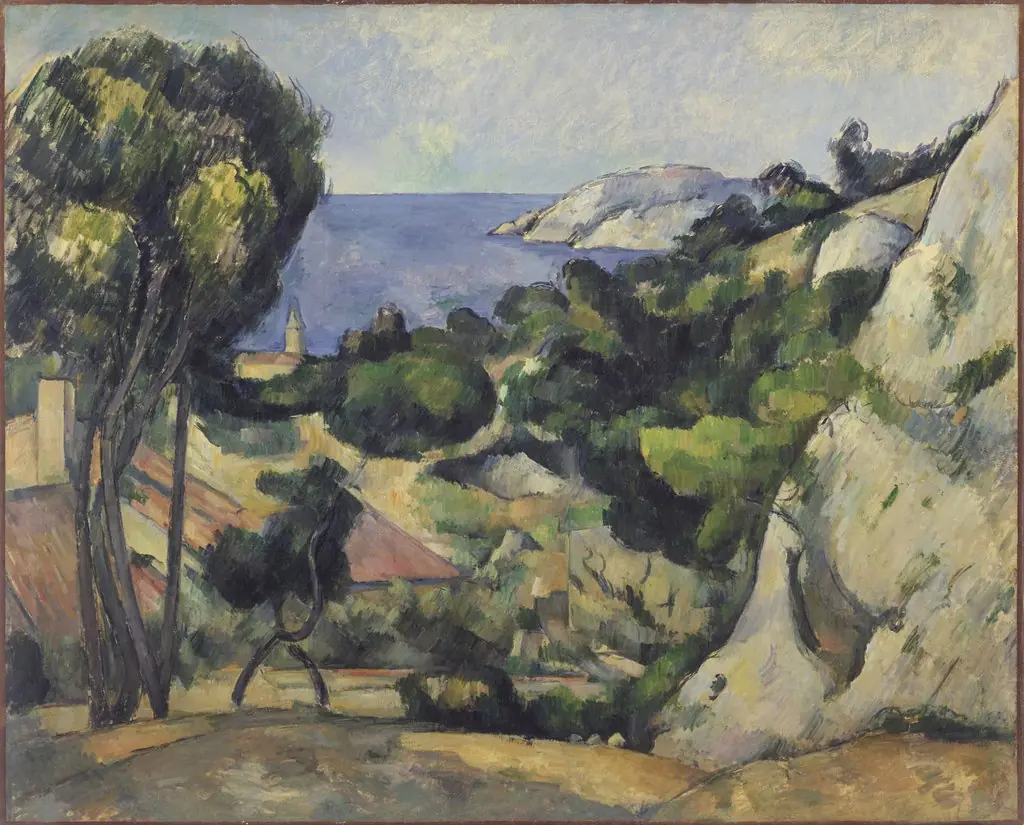
Bottom of the Ravine is an oil painting by the Post-Impressionist artist Paul Cezanne. It dates from 1890 and is held in the collection of the Museum of Fine Arts, Houston. Created in 1890, this oil painting by Paul Cézanne presents a quiet valley scene.
About this work
Overview
Created in 1890, this oil painting by Paul Cézanne presents a quiet valley scene. A slender tree dominates the left foreground, its foliage rendered in a spectrum of greens, while distant rocky slopes rise under a clear blue sky. The composition balances natural detail with the artist’s emerging structural approach, situating the work within the later phase of his career.
Subject & Meaning
The canvas captures a secluded ravine, emphasizing the interplay of vegetation and geology. The solitary tree, with its upward‑reaching branches, serves as a focal point that guides the eye toward the undulating hills beyond. The tranquil atmosphere suggests a contemplative observation of the landscape, reflecting Cézanne’s interest in the underlying order of nature.
Technique & Style
Cézanne employs bold, layered brushstrokes to build form, using a palette that shifts from bright yellow‑green to deep forest tones for the leaves, and earthy browns and grays for the rocks. The handling of paint creates a sense of volume and depth, while the simplified shapes anticipate the geometric concerns that would later influence Cubism.
History & Provenance
After its completion, the painting entered private collections before being acquired by the Museum of Fine Arts, Houston, where it remains on view. Its presence in a major American institution underscores the artist’s international reputation and the work’s role in tracing the transition from Impressionism to early modernist experiments.
Own this work as a print
Artist & collection
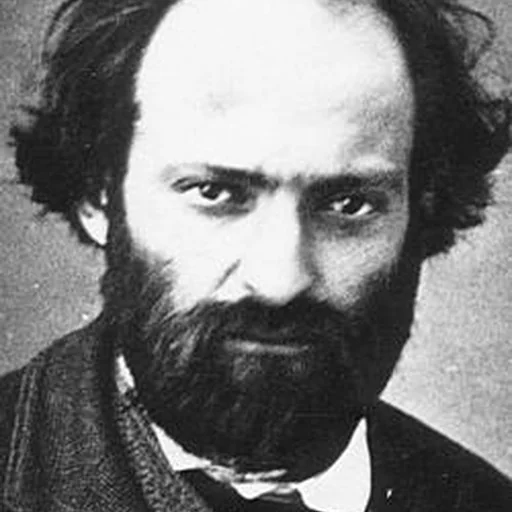
Artist
Paul Cézanne was born on January 19, 1839, in Aix-en-Provence, the son of a hatter turned wealthy banker.

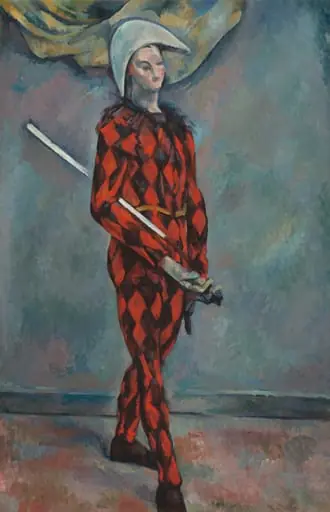 Harlequin
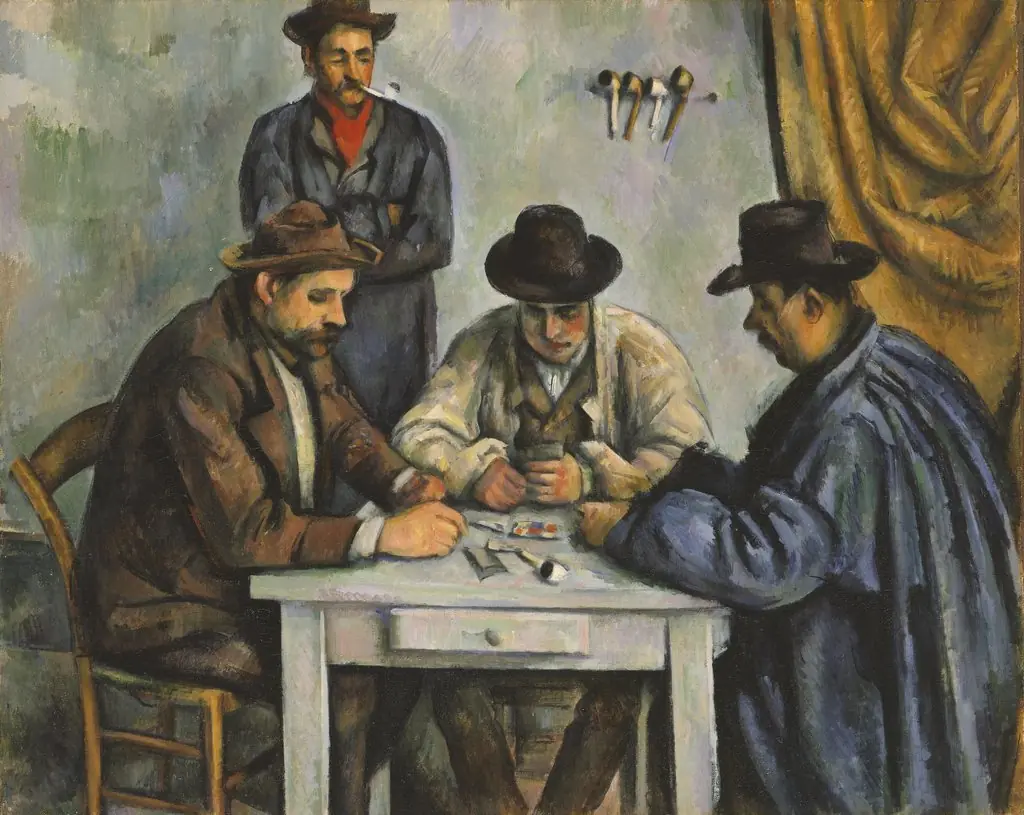 The Card Players
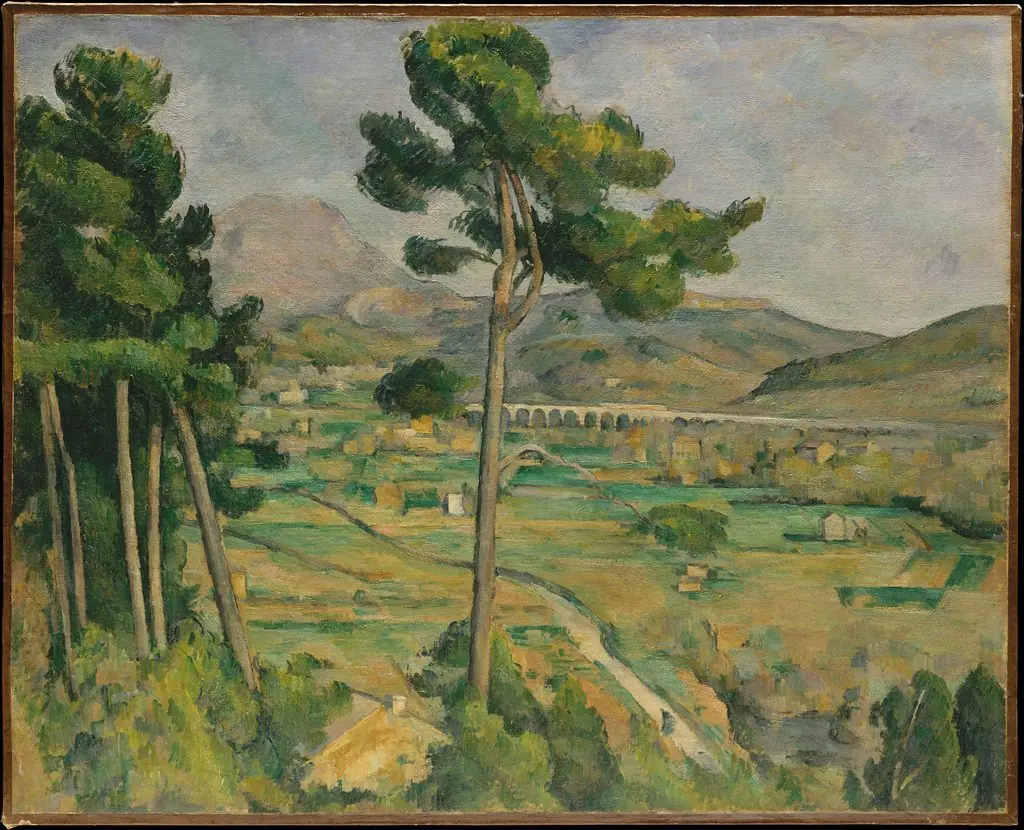 Mont Sainte-Victoire and the Viaduct of the Arc River Valley
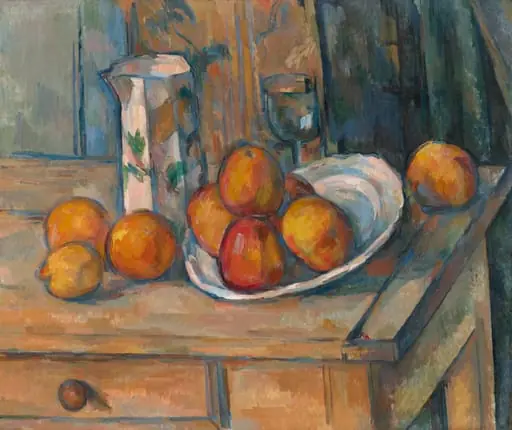 Still Life with Milk Jug and Fruit
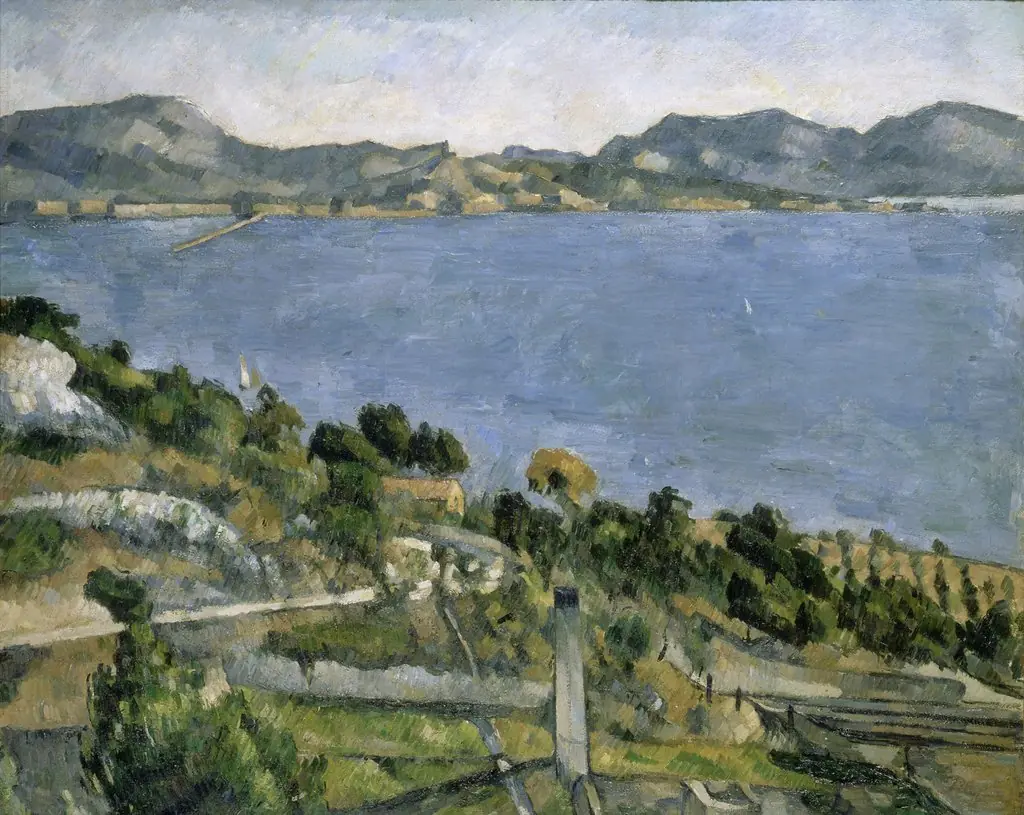 Le Golfe de Marseille vu de l'Estaque (The Gulf of Marseille Seen from L'Estaque)
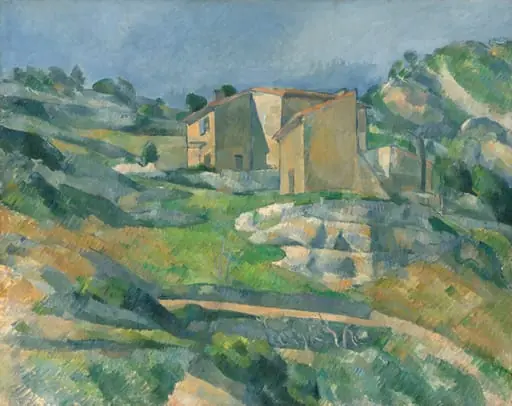 Houses in Provence: The Riaux Valley near L'Estaque
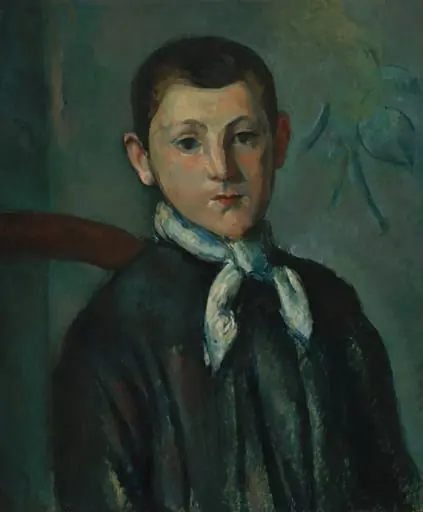 Louis Guillaume
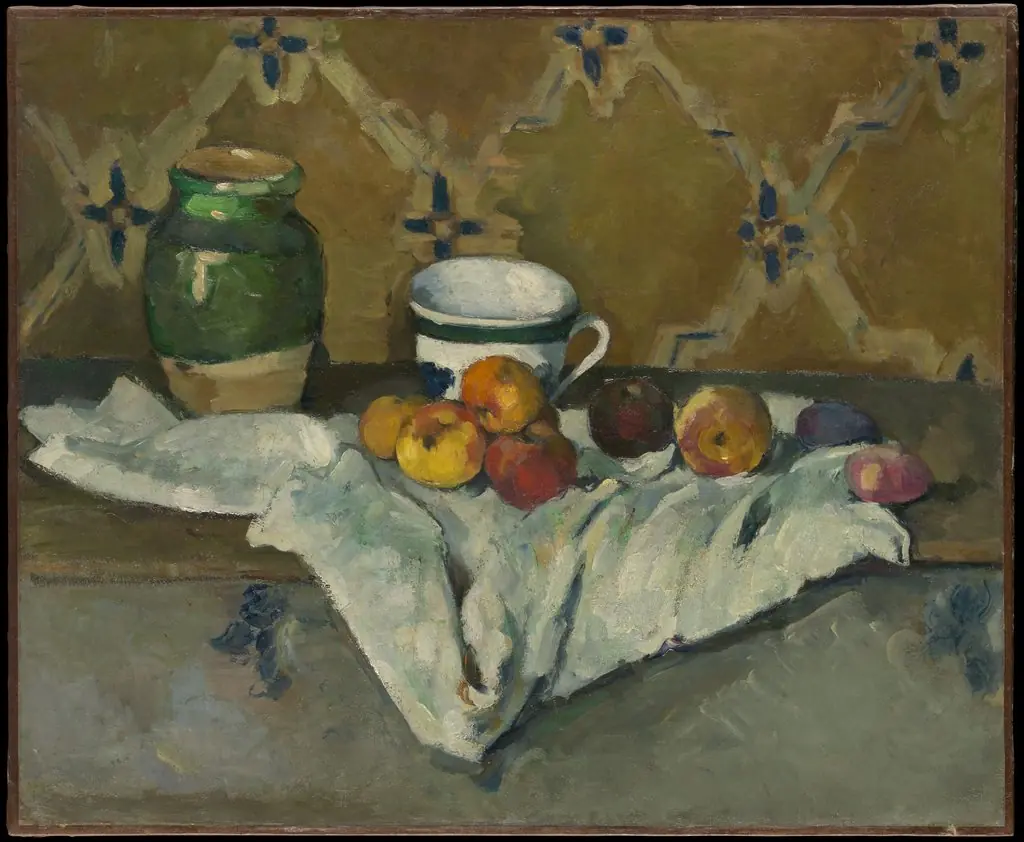 Still Life with Jar, Cup, and Apples