Artwork
Flowers and Fruits
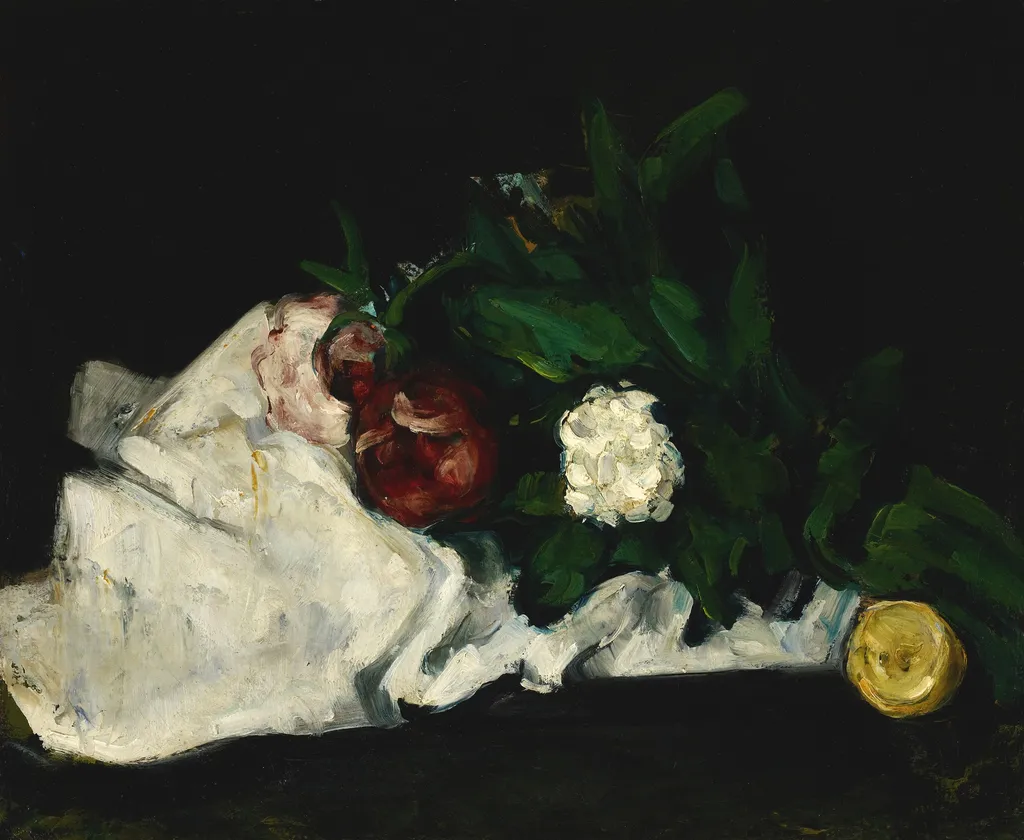
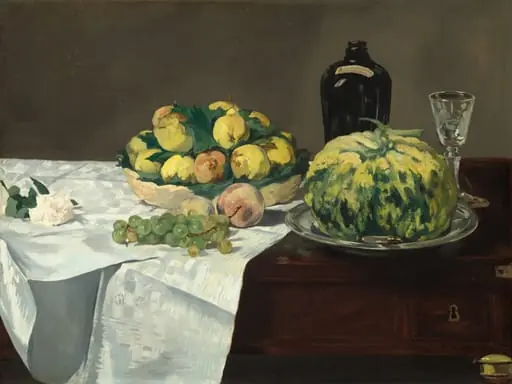
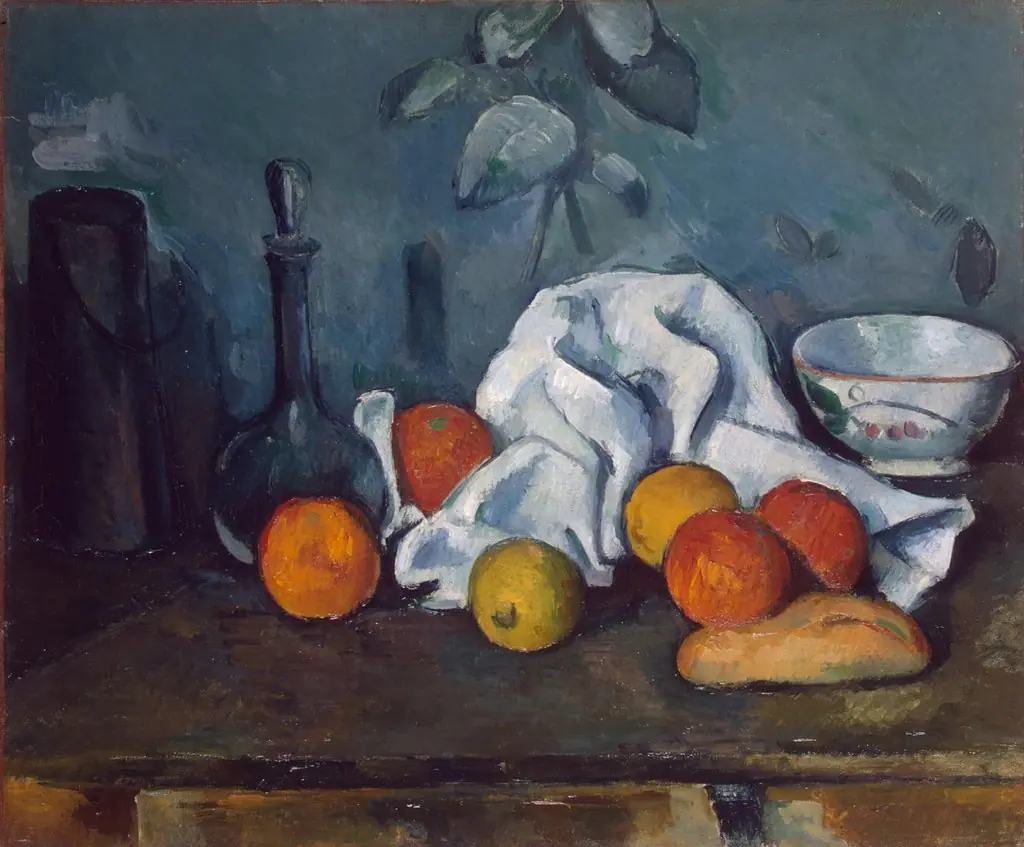
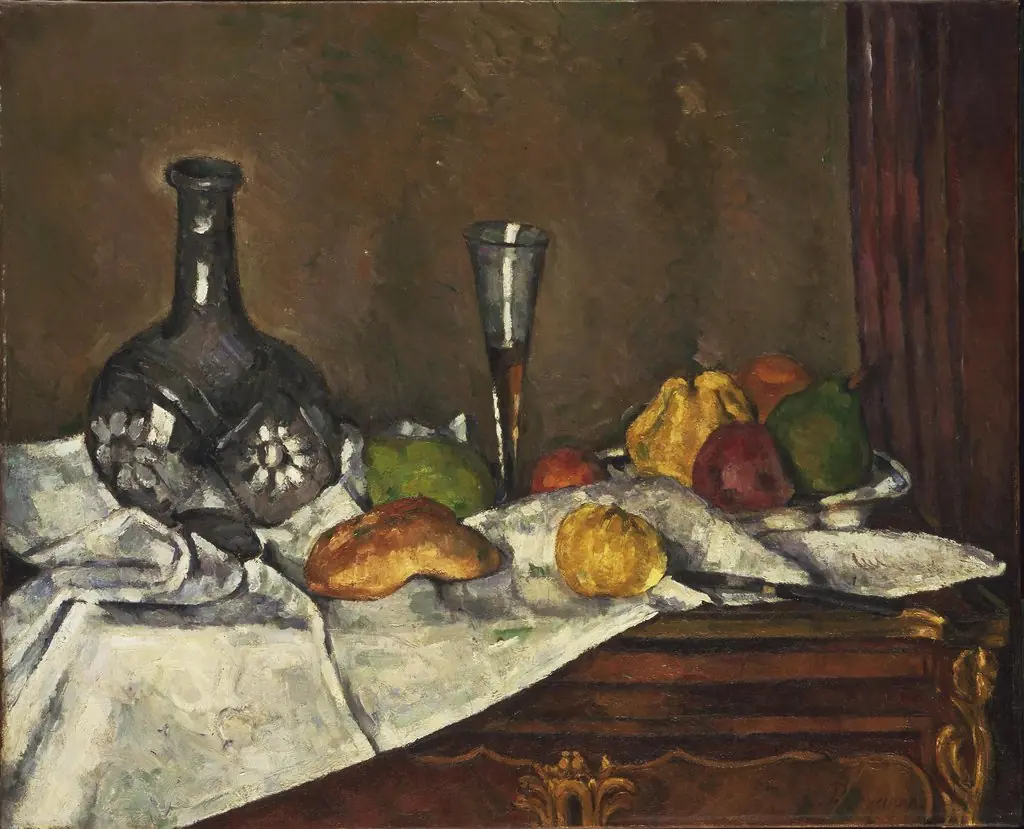
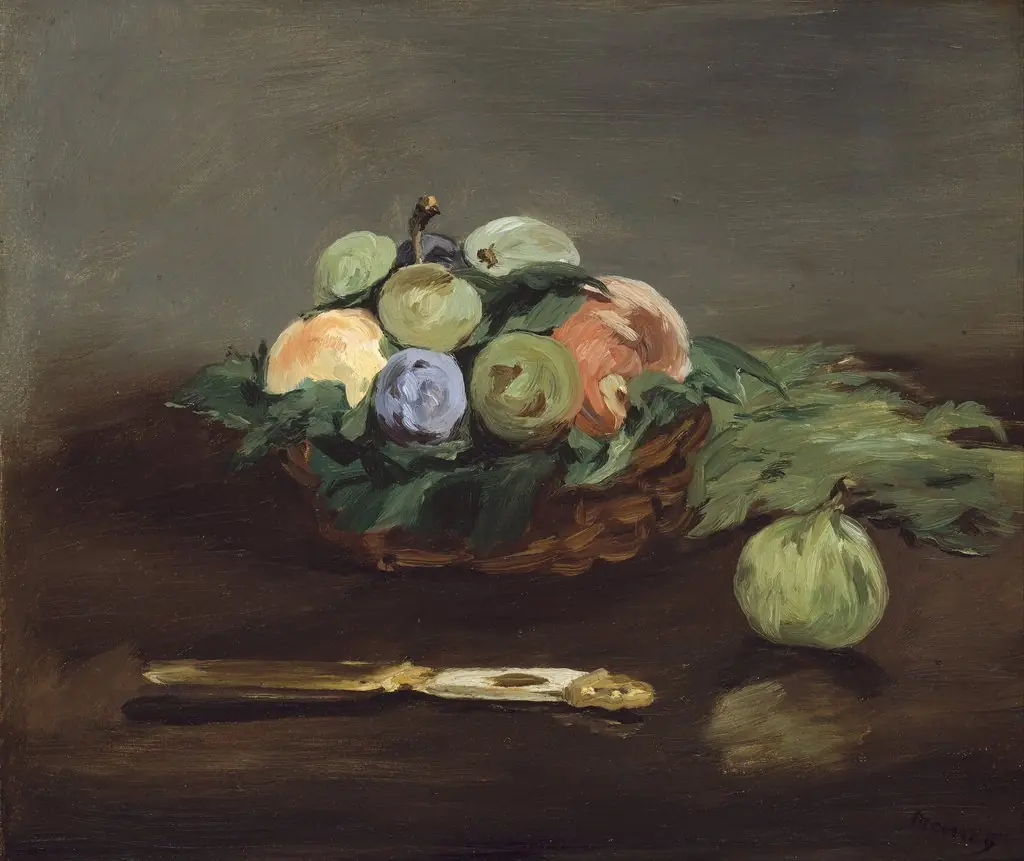
Flowers and Fruits is an oil painting by Paul Cezanne. It dates from 1872 and is held in the collection of the Foundation E.G. Bührle Collection.
About this work
Overview
Painted in 1872, *Flowers and Fruits* is an oil-on-canvas still life by Paul Cézanne, created during his formative years as a painter.
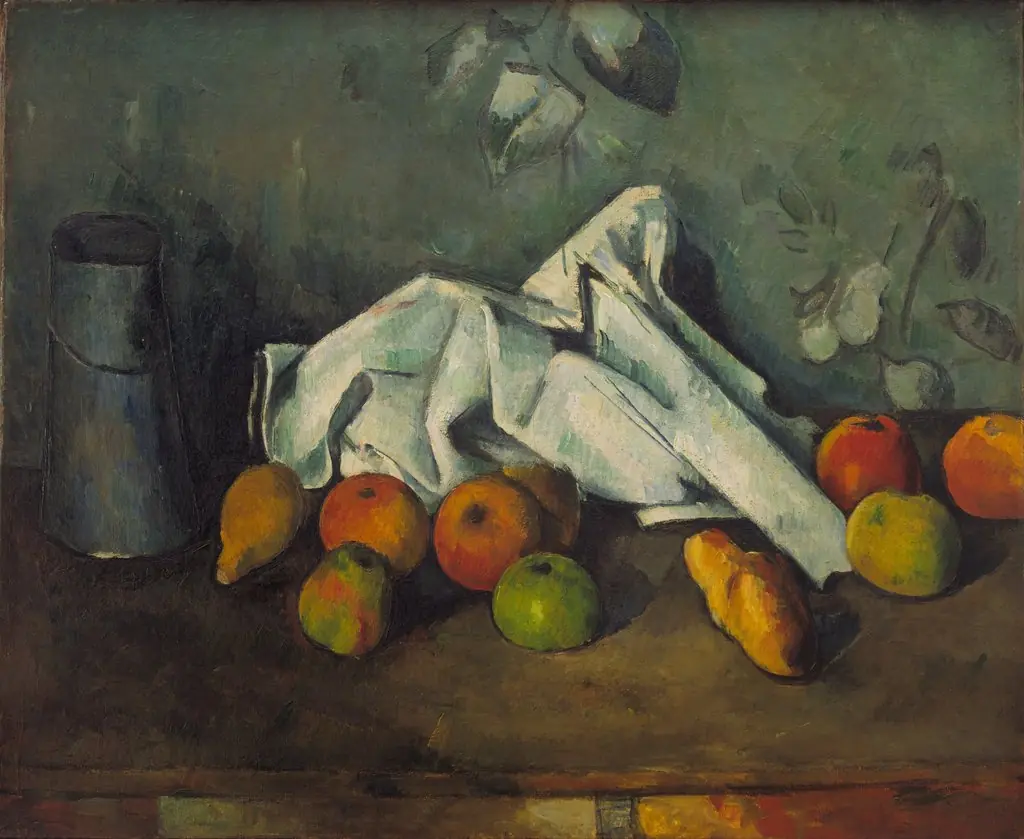
Painted in 1872, *Flowers and Fruits* is an oil-on-canvas still life by Paul Cézanne, created during his formative years as a painter. It belongs to a series of works in which he sought to move beyond the fleeting effects of Impressionism, instead pursuing a more deliberate structure in everyday subjects. The composition centers on a simple arrangement of white blossoms and red fruit atop a white cloth, set against a dark background, reflecting his early interest in balancing natural observation with formal discipline.
Subject & Meaning
The painting presents common domestic elements—flowers and fruit—without symbolic narrative or idealization. Cézanne treated these objects not as decorative motifs but as geometric forms to be studied and reordered on the canvas. Their placement suggests a quiet, contemplative rhythm, emphasizing presence over narrative. The absence of human figures or contextual clues directs attention to the relationships between shape, color, and surface, reinforcing his belief in painting as a means of understanding perception.
Technique & Style
Cézanne applied oil paint with visible, deliberate brushstrokes that build form rather than dissolve it into light. Colors are subdued, avoiding the brightness typical of Impressionism, and edges are softened or blurred to suggest volume through tonal shifts rather than line. The black background isolates the objects, heightening their sculptural presence. The loose handling of paint coexists with a careful compositional balance, revealing his emerging method of constructing space through color and brushwork rather than traditional perspective.
History & Provenance
Created during Cézanne’s early period in the early 1870s, this work emerged from his time in the Parisian art scene and his association with artists like Pissarro. It was painted before his full transition into Post-Impressionism, yet already shows his departure from prevailing trends. The painting remained in private hands for much of the 20th century and is now held in a public collection, where it serves as a key example of his evolving approach to still-life painting.
Context
In the early 1870s, French painting was divided between academic traditions and the radical experiments of the Impressionists. Cézanne, neither fully aligned with either, sought a middle path: retaining the observational rigor of nature while imposing a structural logic derived from geometry. *Flowers and Fruits* reflects this tension, positioned between the transient light studies of his peers and the more systematic investigations that would later define his legacy.
Legacy
Though modest in scale, this painting contributes to Cézanne’s broader redefinition of still life as a vehicle for formal inquiry. His treatment of objects as interlocking planes and his use of color to model space directly influenced early 20th-century movements, particularly Cubism. Artists like Picasso and Braque later cited his still lifes as foundational to their own explorations of form, cementing this work’s role in the transition from 19th-century to modernist painting.
Own this work as a print
Artist & collection
Artist
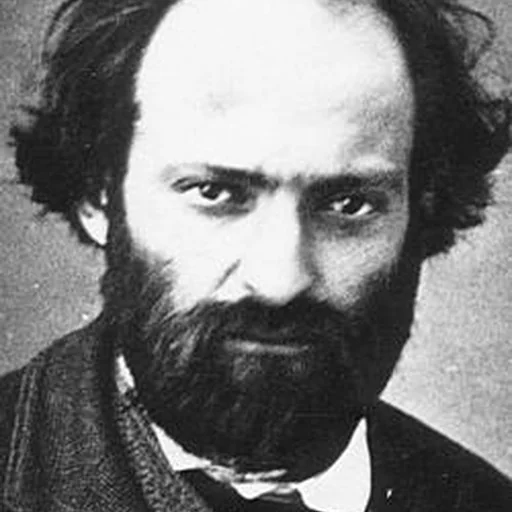
Paul Cézanne was born on January 19, 1839, in Aix-en-Provence, the son of a hatter turned wealthy banker.

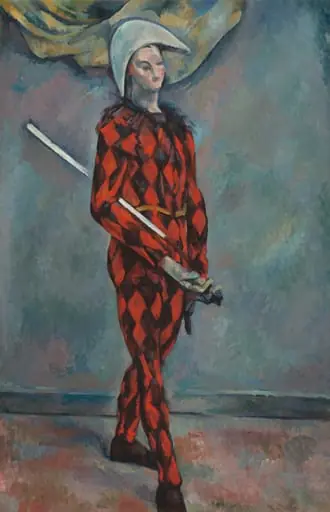 Harlequin
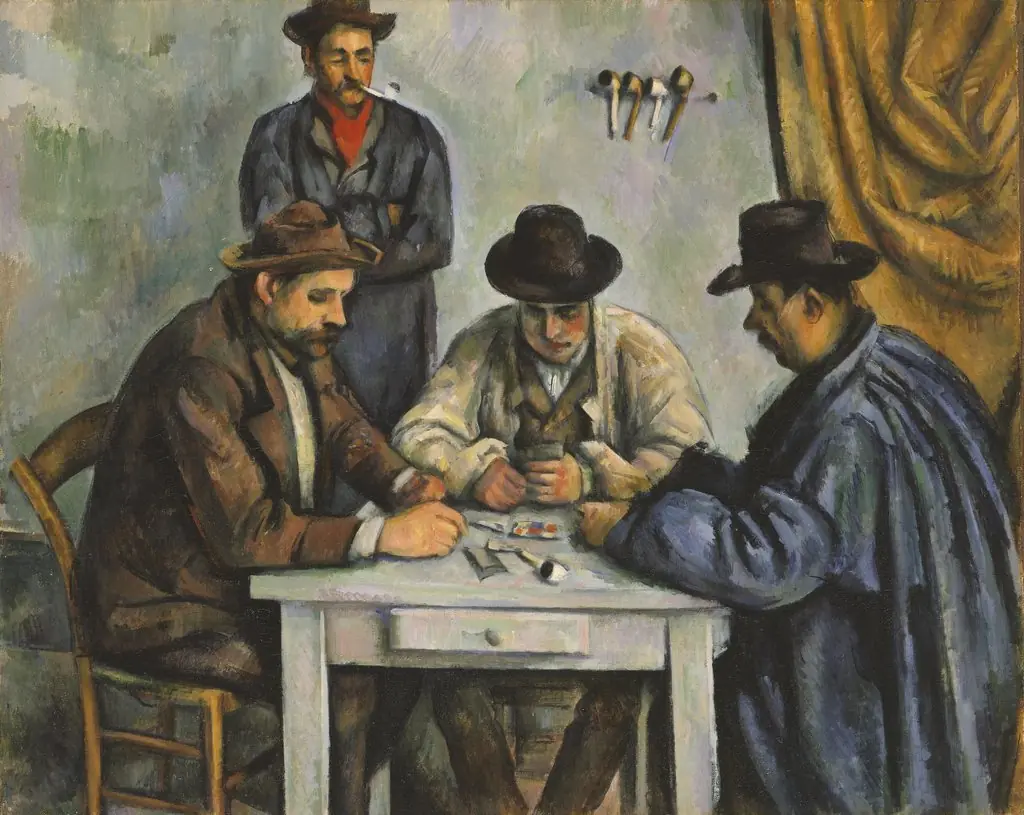 The Card Players
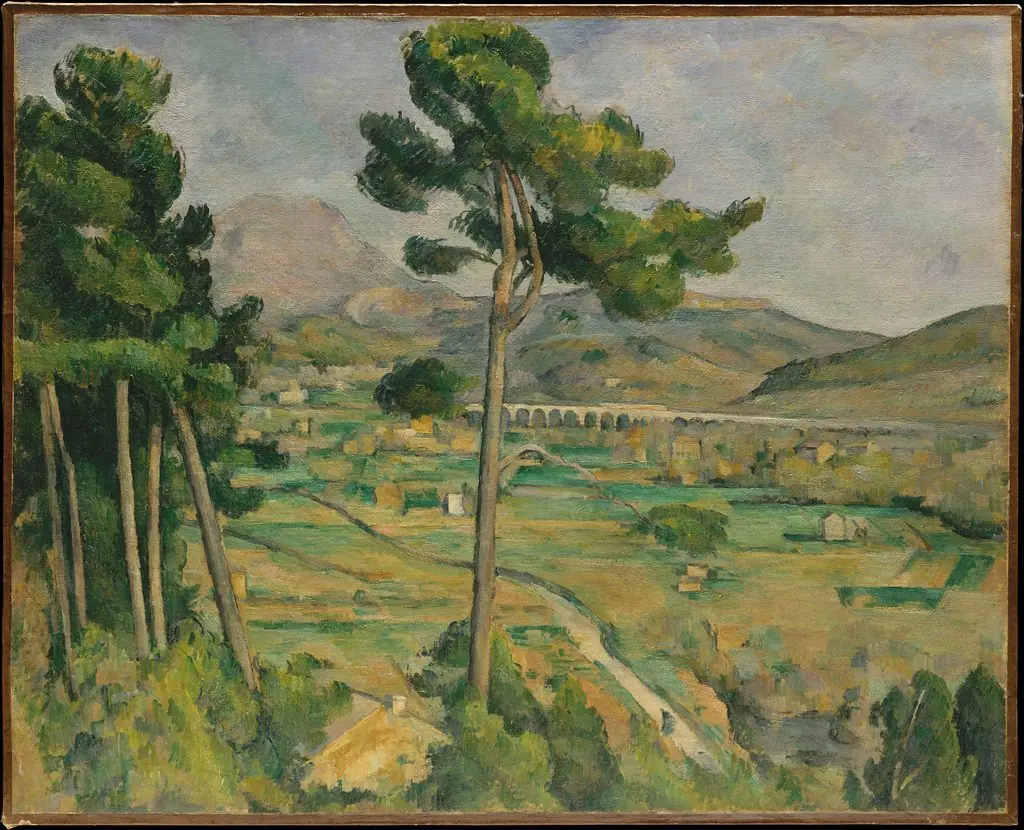 Mont Sainte-Victoire and the Viaduct of the Arc River Valley
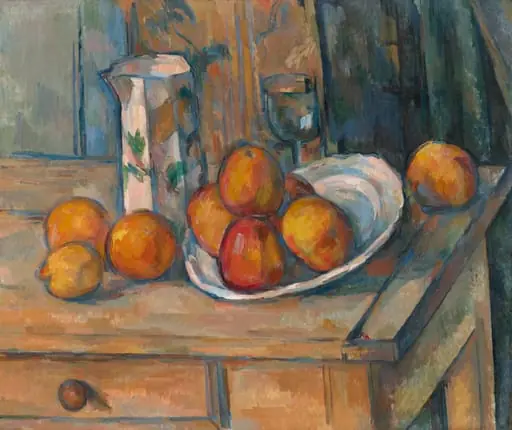 Still Life with Milk Jug and Fruit
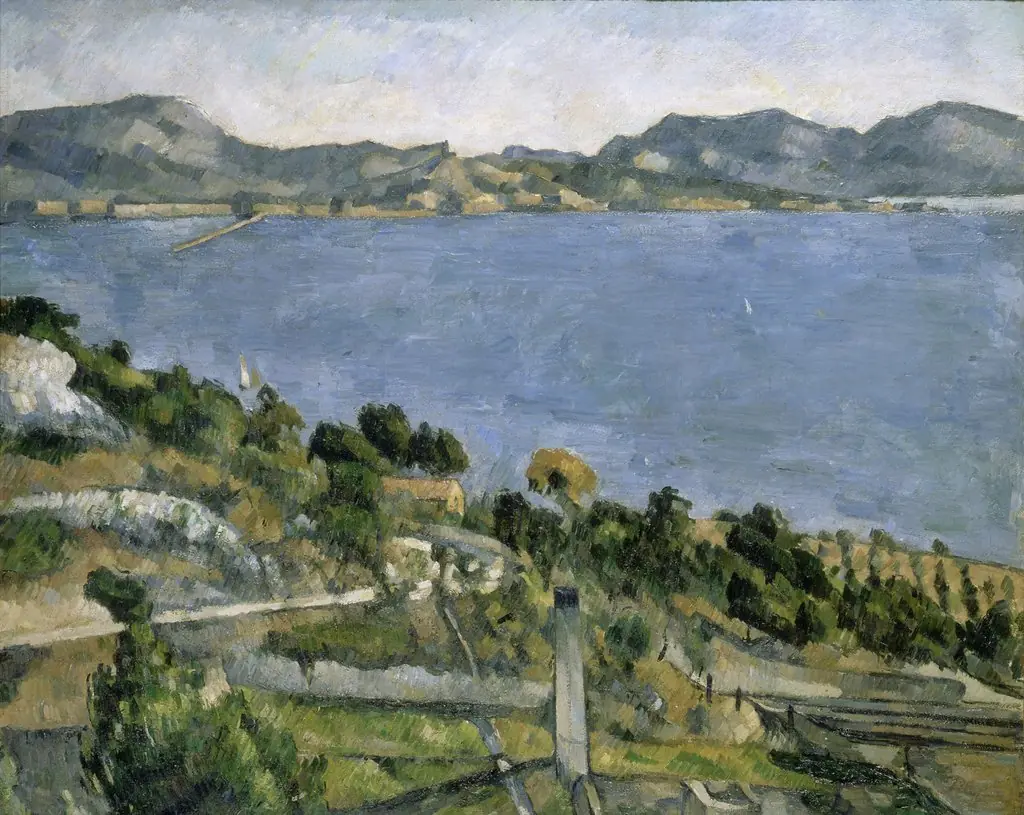 Le Golfe de Marseille vu de l'Estaque (The Gulf of Marseille Seen from L'Estaque)
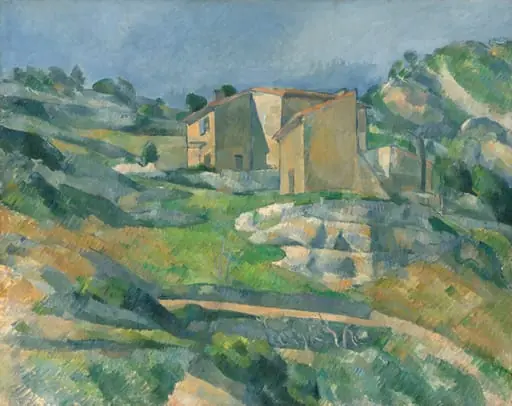 Houses in Provence: The Riaux Valley near L'Estaque
 Louis Guillaume
 Still Life with Jar, Cup, and Apples