Artwork
Jeune Fille au piano (Girl at the Piano - The Overture to Tannhauser)
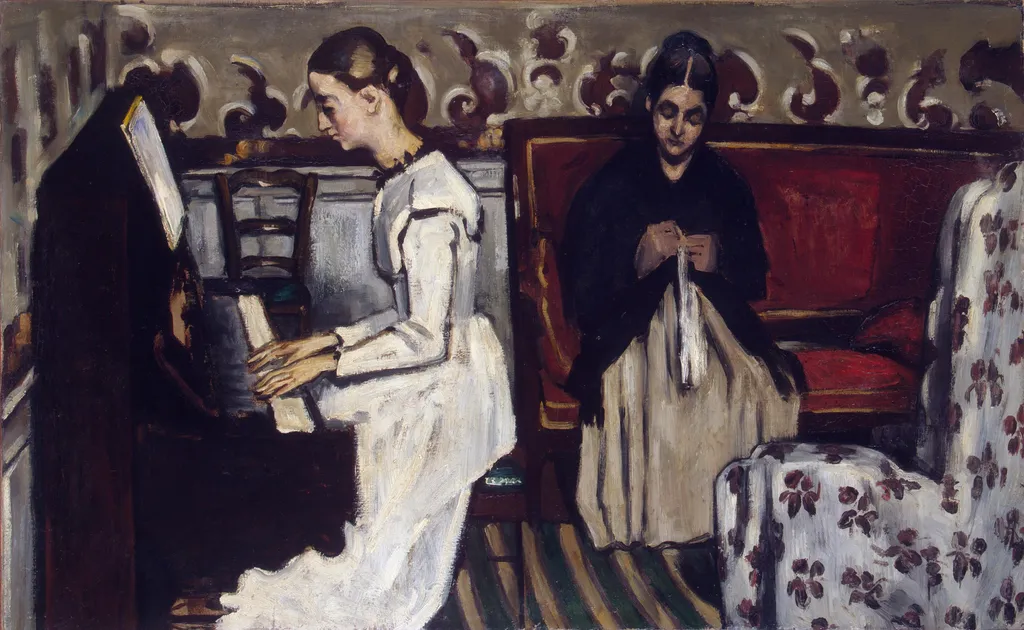
Jeune Fille au piano (Girl at the Piano - The Overture to Tannhauser) is an oil painting by the Impressionist artist Paul Cezanne. It dates from 1869 and is held in the collection of the Hermitage Museum. Painted in 1869, Jeune Fille au piano is an oil-on-canvas work by Paul Cézanne, depicting a young woman at a piano in a domestic interior.
About this work
Overview
The painting is part of the Hermitage Museum’s collection in Saint Petersburg, having previously belonged to the Moscow-based collector Ivan Morozov.
Painted in 1869, Jeune Fille au piano is an oil-on-canvas work by Paul Cézanne, depicting a young woman at a piano in a domestic interior. The painting is part of the Hermitage Museum’s collection in Saint Petersburg, having previously belonged to the Moscow-based collector Ivan Morozov. It reflects Cézanne’s early exploration of interior scenes and psychological stillness, preceding his more abstract later style.
Subject & Meaning
The figure is commonly thought to be one of Cézanne’s sisters, though some suggest she may be a daughter of his uncle Dominique Aubert. The scene captures a moment of quiet anticipation—hands hovering above the keys—as if the music has not yet begun. The title references Wagner’s overture to Tannhäuser, suggesting a cultural aspiration within the Cézanne household, yet the painting’s mood remains introspective rather than theatrical.
Technique & Style
Cézanne uses restrained color—white, red, and black—to structure the composition, emphasizing form over narrative. Brushwork is deliberate, with planes of color defining the figure and furnishings. The red chair and floral tablecloth anchor the space, while the girl’s pale dress and dark hair create a tonal contrast. Light falls evenly, avoiding dramatic shadows, reinforcing the painting’s subdued, contemplative tone.
History & Provenance
The painting remained in the Cézanne family until it entered the collection of Ivan Morozov in Moscow, a noted patron of modern French art. After the Russian Revolution, Morozov’s holdings were nationalized and transferred to the State Hermitage Museum in the 1920s. Its journey from Aix-en-Provence to Saint Petersburg reflects broader shifts in European art ownership during the early 20th century.
Context
In the late 1860s, Cézanne was transitioning from Romanticism toward a more structured approach to painting. This work aligns with his interest in domestic interiors and the psychological presence of figures within them. The inclusion of Wagner’s music reflects the broader European fascination with German Romanticism, even as Cézanne’s treatment remains grounded in observation rather than sentiment.
Legacy
Though less known than his later landscapes, Jeune Fille au piano reveals Cézanne’s early mastery of spatial organization and emotional restraint. It anticipates his later investigations into form and perception, serving as a bridge between academic tradition and modernist inquiry. The painting remains a quiet testament to his evolving vision before he fully embraced abstraction.
Own this work as a print
Artist & collection
Artist
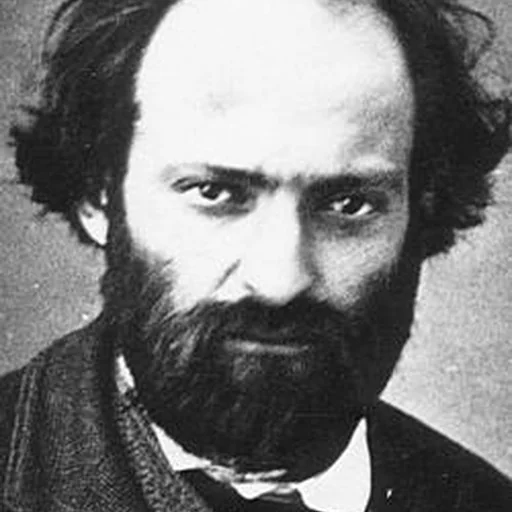
Paul Cézanne was born on January 19, 1839, in Aix-en-Provence, the son of a hatter turned wealthy banker.

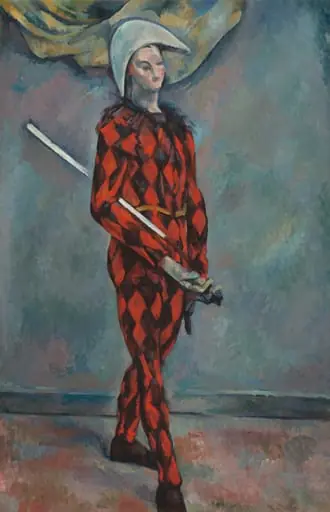 Harlequin
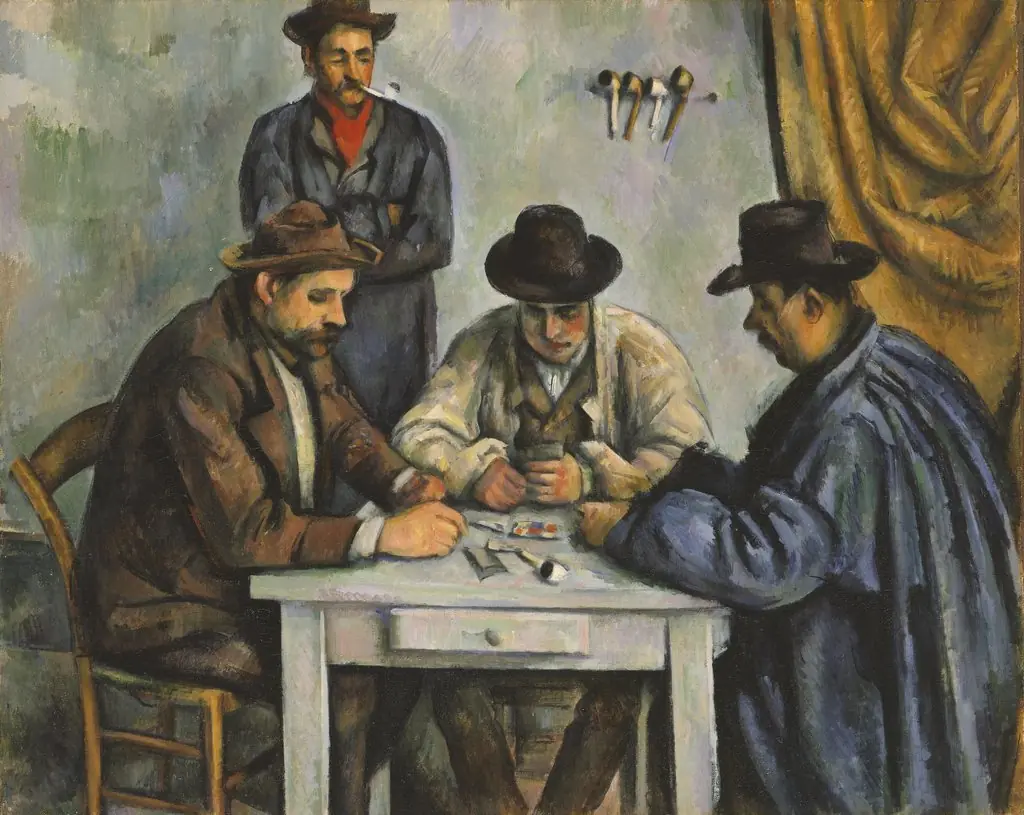 The Card Players
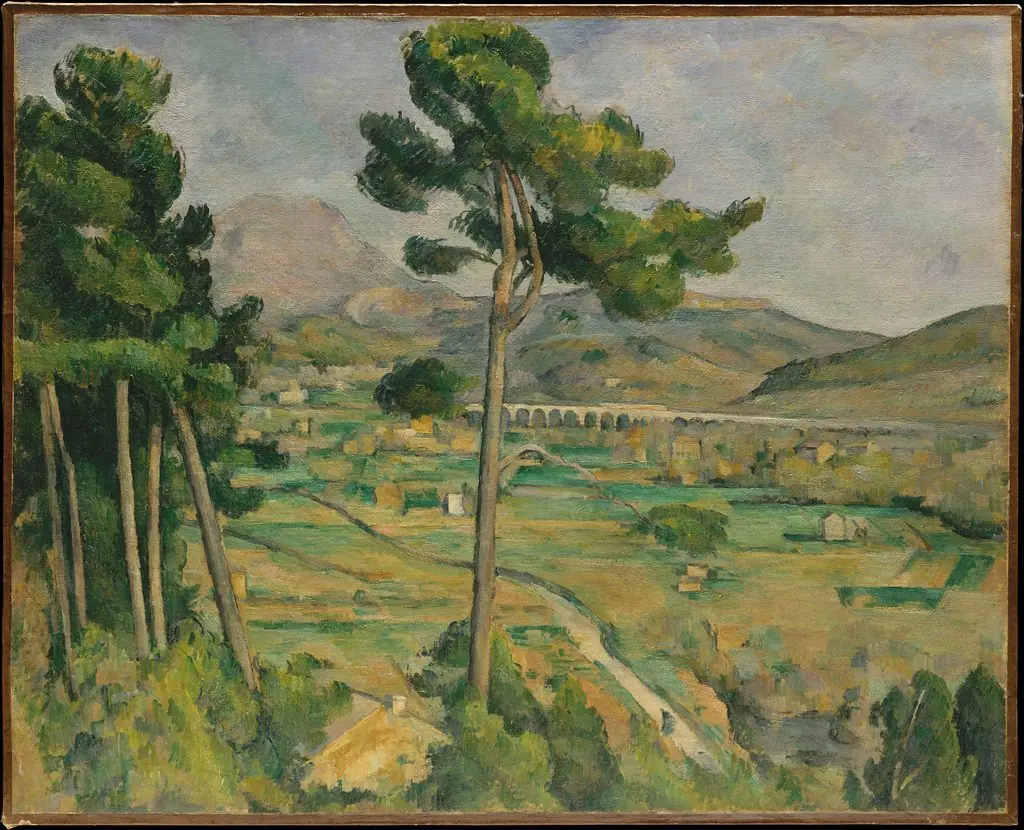 Mont Sainte-Victoire and the Viaduct of the Arc River Valley
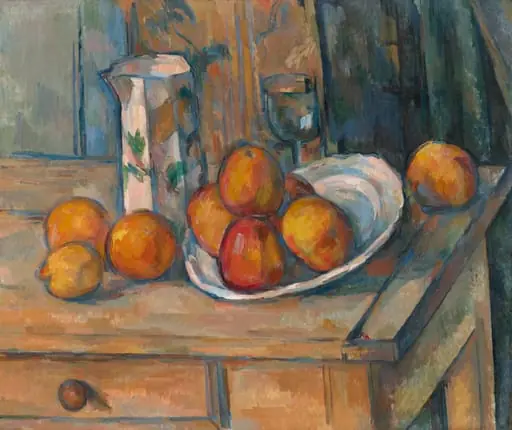 Still Life with Milk Jug and Fruit
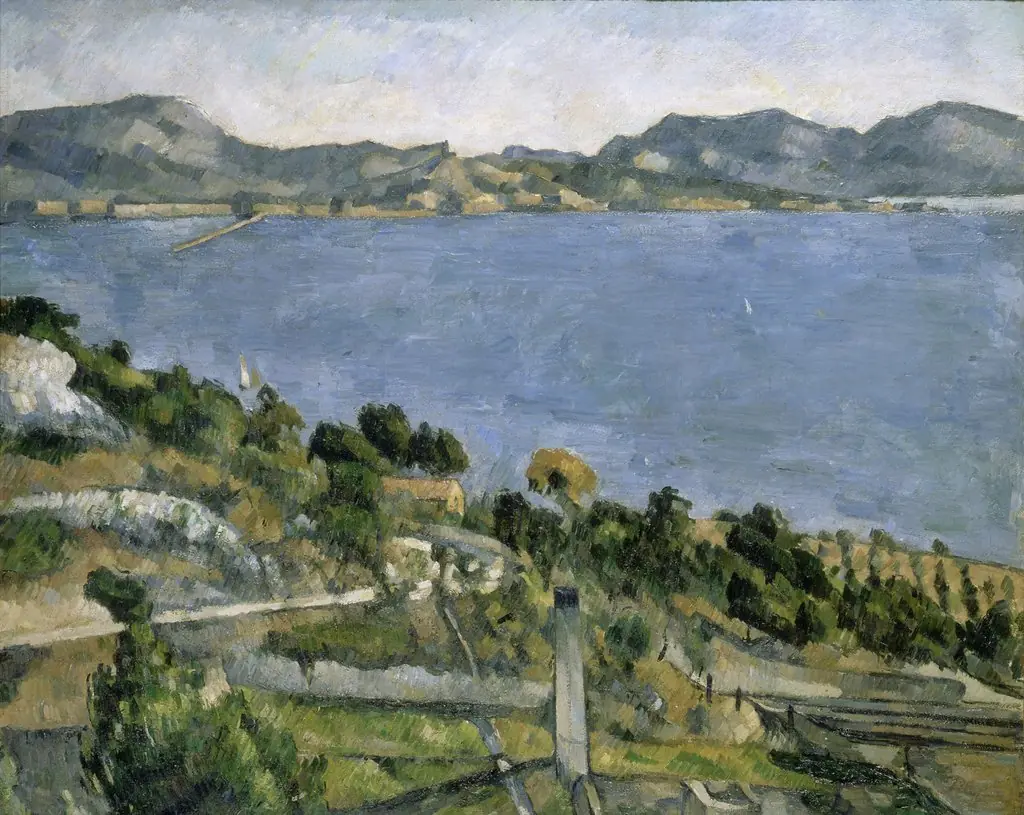 Le Golfe de Marseille vu de l'Estaque (The Gulf of Marseille Seen from L'Estaque)
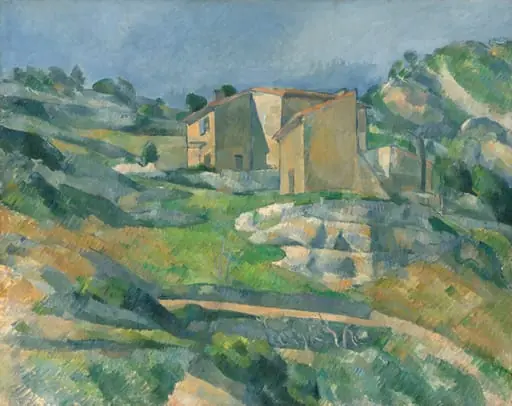 Houses in Provence: The Riaux Valley near L'Estaque
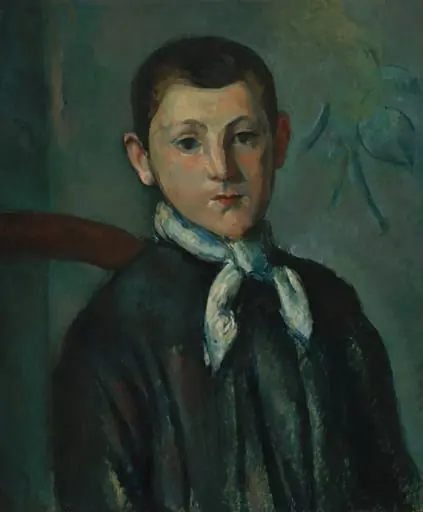 Louis Guillaume
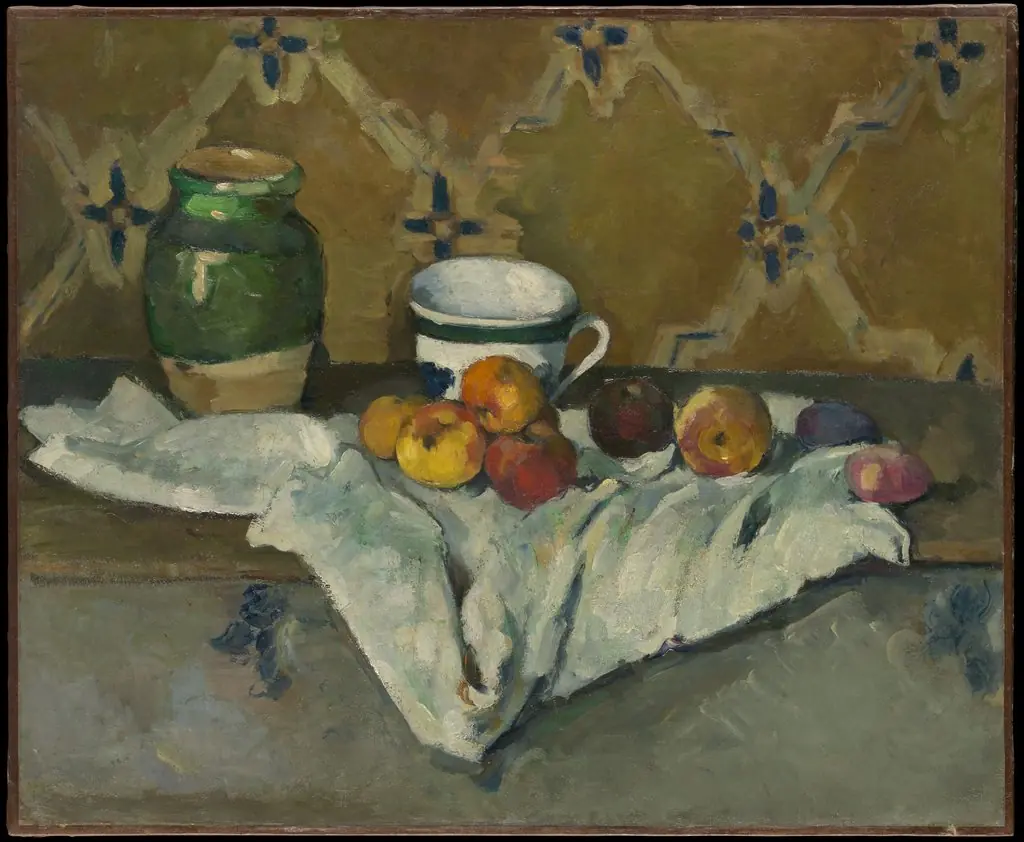 Still Life with Jar, Cup, and Apples