Artwork
La Tentation de saint Antoine (The Temptation of St. Anthony)
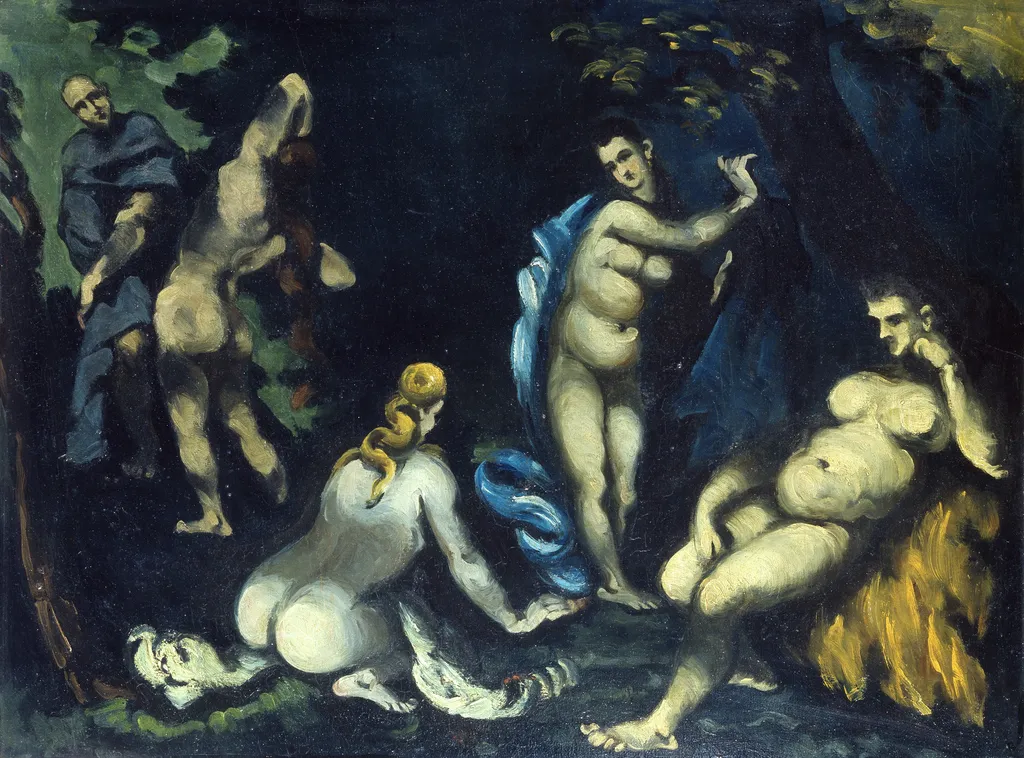
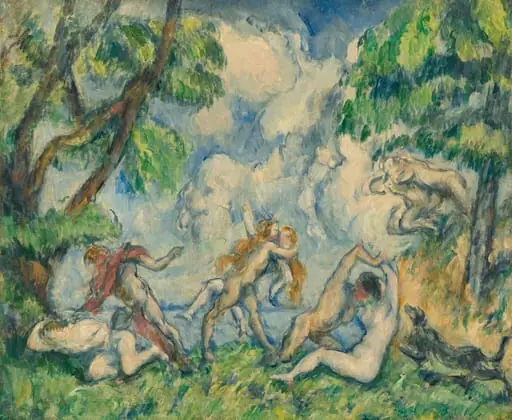
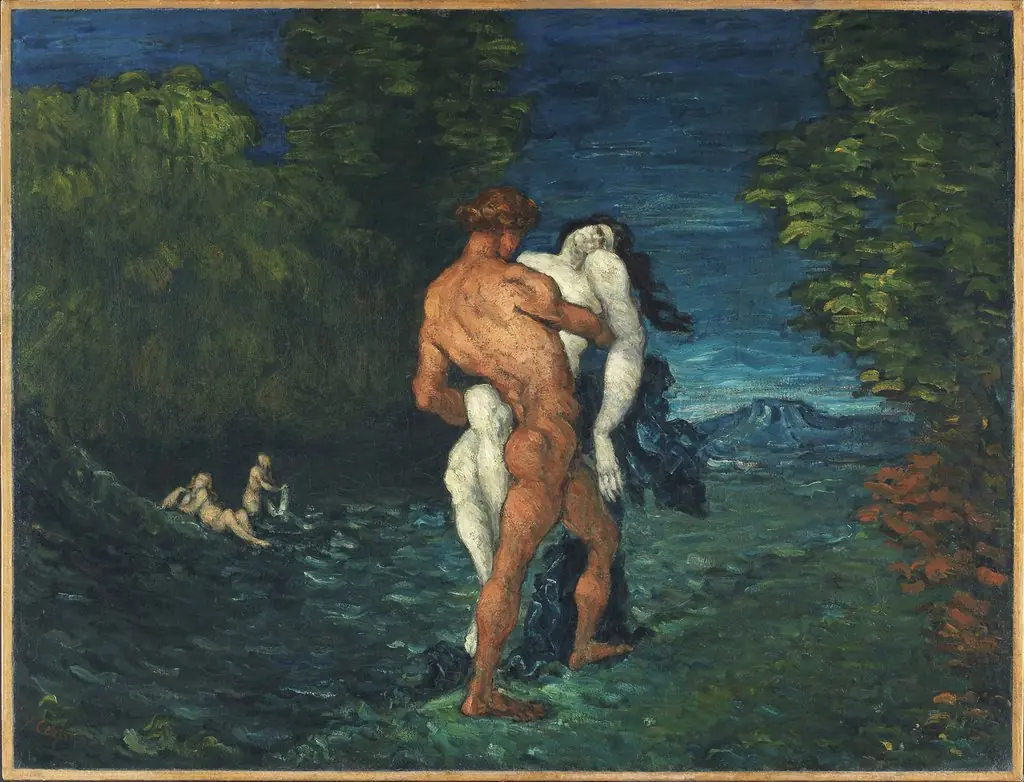
La Tentation de saint Antoine (The Temptation of St. Anthony) is an oil painting by the Post-Impressionist artist Paul Cezanne. It dates from 1870 and is held in the collection of the Foundation E.G. Bührle Collection. Painted in 1870, Paul Cézanne’s *La Tentation de saint Antoine* is an early work that predates his mature Post-Impressionist style.
About this work
Overview
Painted in 1870, Paul Cézanne’s *La Tentation de saint Antoine* is an early work that predates his mature Post-Impressionist style.
Painted in 1870, Paul Cézanne’s *La Tentation de saint Antoine* is an early work that predates his mature Post-Impressionist style. Executed in oil, it reflects his engagement with Romantic and Realist traditions during a transitional phase in his career. The subject—Saint Anthony’s spiritual trials—was a recurring theme for Cézanne, who explored it across multiple versions, each revealing his evolving approach to form and psychological tension.
Subject & Meaning
The painting illustrates the hermit saint’s encounter with supernatural apparitions, drawn from medieval hagiography. Figures—nude and clothed, human and hybrid—surround him in a dense, ambiguous woodland, suggesting inner turmoil rather than literal demons. Cézanne’s focus on psychological unease aligns with 19th-century interests in the subconscious, though he avoids narrative clarity, favoring emotional resonance over doctrinal illustration.
Technique & Style
Cézanne employs chiaroscuro to model forms with subtle gradations of light and shadow, lending volume to the tangled figures. The palette is restrained—earthy browns, muted greens, and cool blues—creating a somber, atmospheric tone. Brushwork is loose yet deliberate, with figures loosely grouped rather than rigidly arranged. This approach hints at his later structural investigations, even as the composition retains a theatrical, almost theatrical density characteristic of his early phase.
History & Provenance
Created during Cézanne’s formative years, the painting remained in his possession until his death. It entered the Kunsthaus Zürich collection in the early 20th century, likely through private acquisition or bequest. Its presence in Zurich reflects early European institutional recognition of Cézanne’s significance beyond his immediate circle, though it was not widely exhibited until later decades.
Context
In the 1870s, French artists increasingly turned to spiritual and psychological subjects amid secularization and scientific inquiry. Cézanne’s treatment of Saint Anthony diverged from academic conventions, rejecting idealized forms for raw, emotive groupings. His interest in this theme coincided with broader cultural fascination with mysticism, madness, and the limits of perception—themes also explored by writers like Flaubert, whose 1874 novel on the same subject may have influenced Cézanne.
Legacy
Though overshadowed by his later landscapes and still lifes, this painting reveals the roots of Cézanne’s formal innovations. The fragmented space, ambiguous figures, and emphasis on emotional weight over clarity prefigure his mature style. It stands as a bridge between 19th-century narrative painting and the abstracted structures that would influence Cubism and modern art, offering insight into his artistic evolution before he fully detached from Romanticism.
Own this work as a print
Artist & collection
Artist
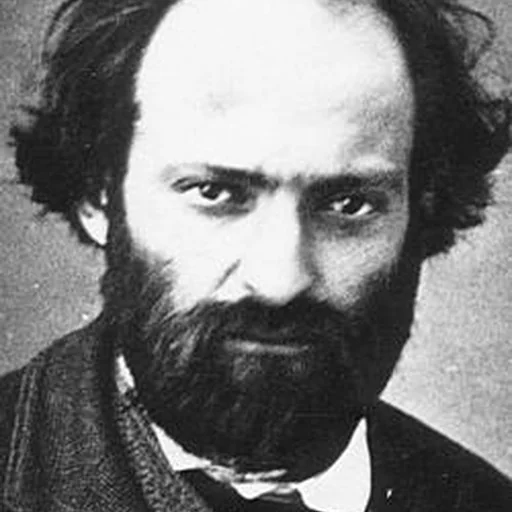
Paul Cézanne was born on January 19, 1839, in Aix-en-Provence, the son of a hatter turned wealthy banker.

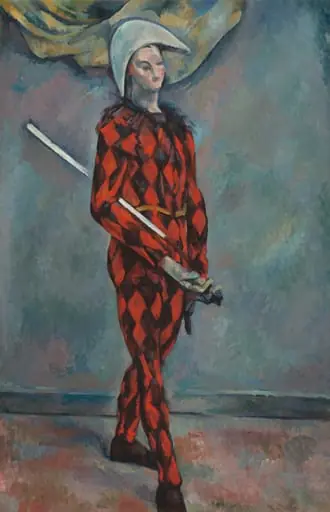 Harlequin
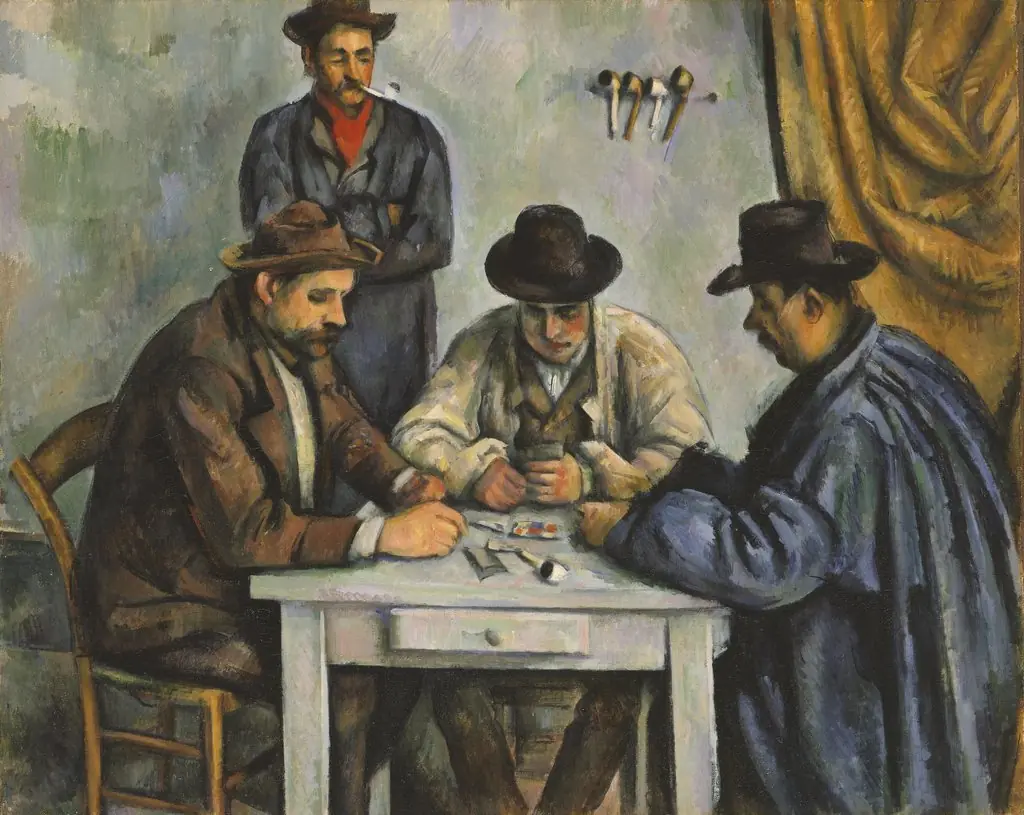 The Card Players
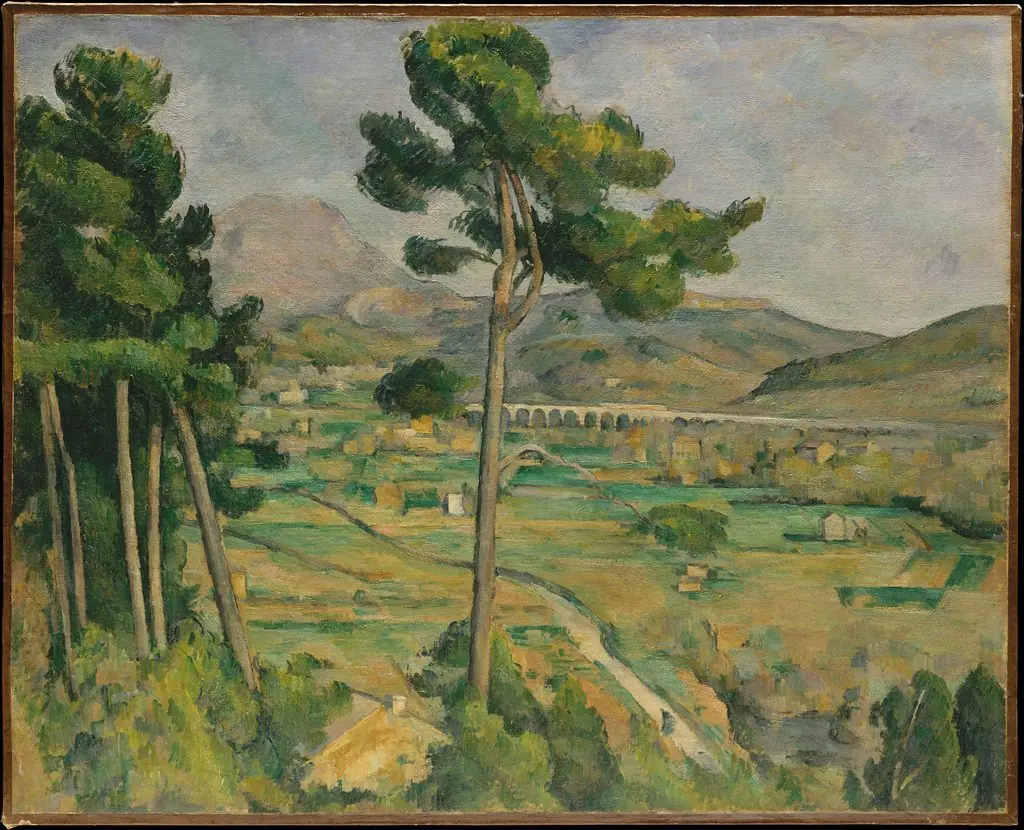 Mont Sainte-Victoire and the Viaduct of the Arc River Valley
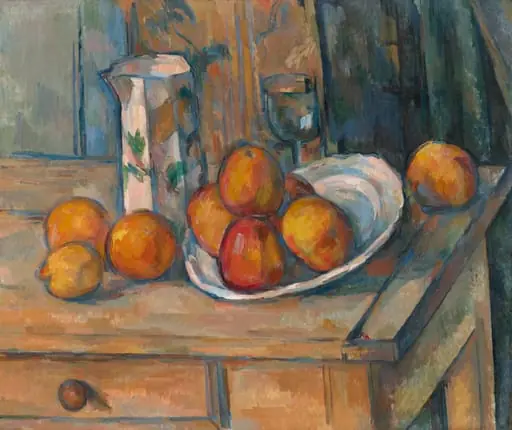 Still Life with Milk Jug and Fruit
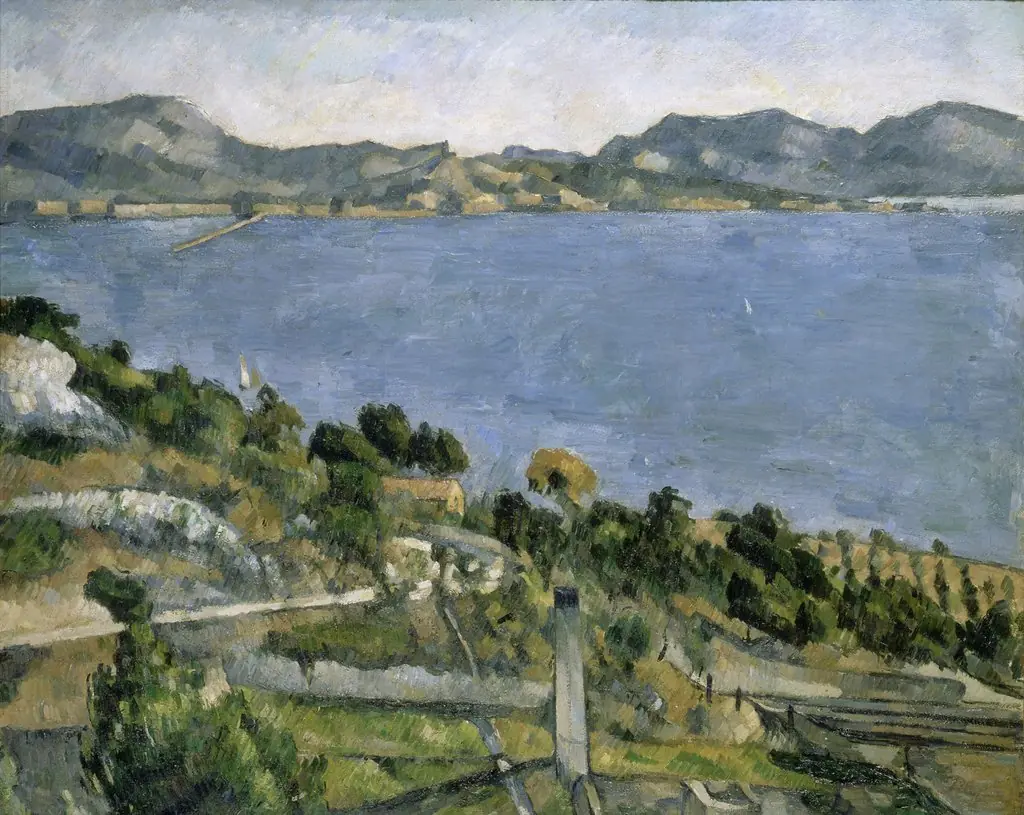 Le Golfe de Marseille vu de l'Estaque (The Gulf of Marseille Seen from L'Estaque)
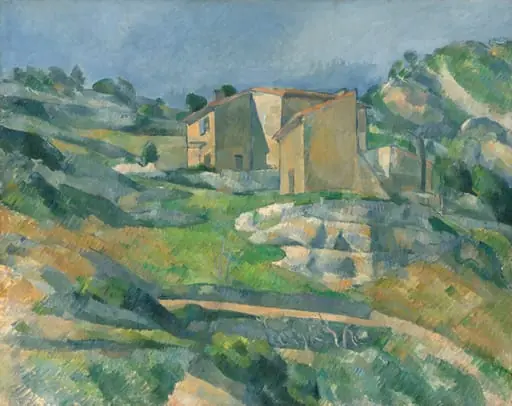 Houses in Provence: The Riaux Valley near L'Estaque
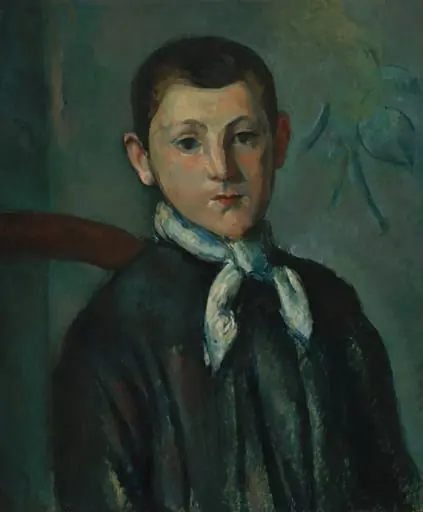 Louis Guillaume
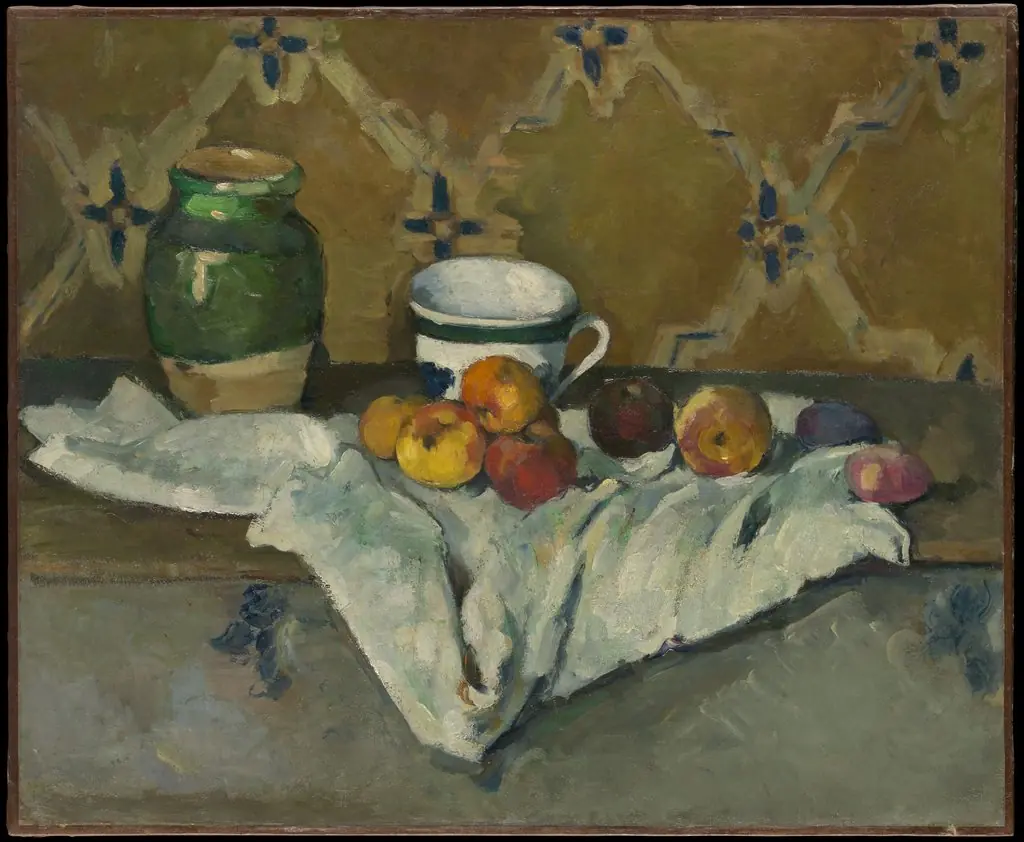 Still Life with Jar, Cup, and Apples