Artwork
Mount Sainte-Victoire
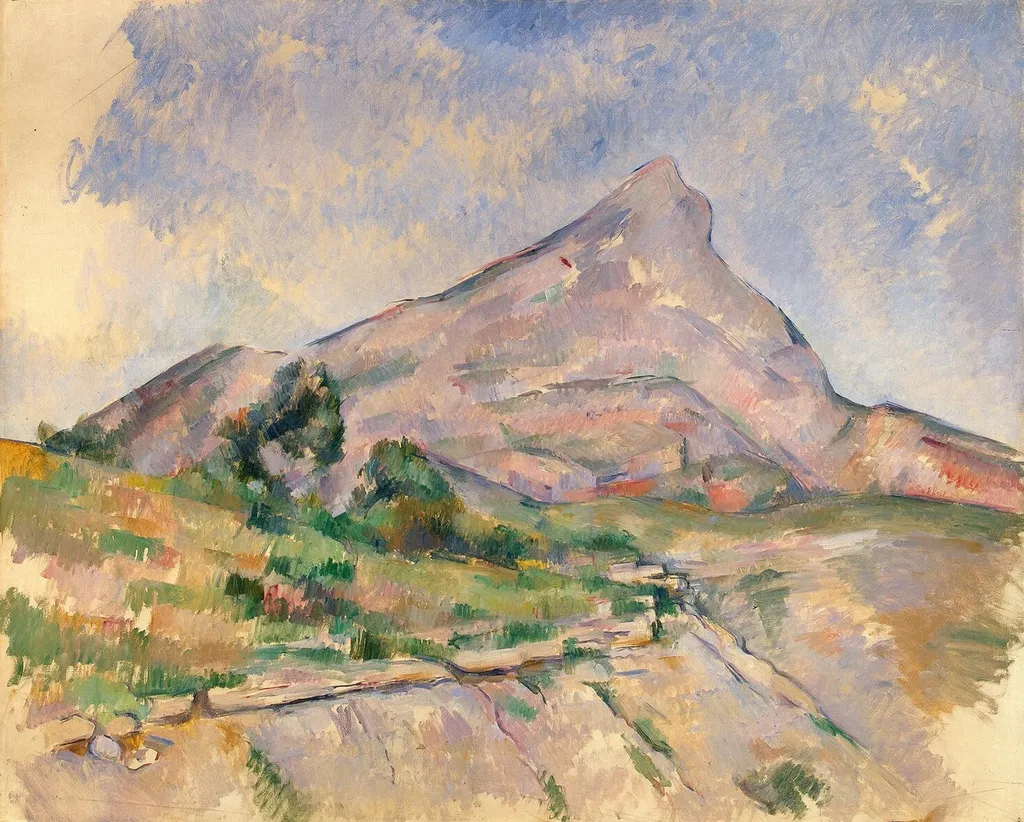
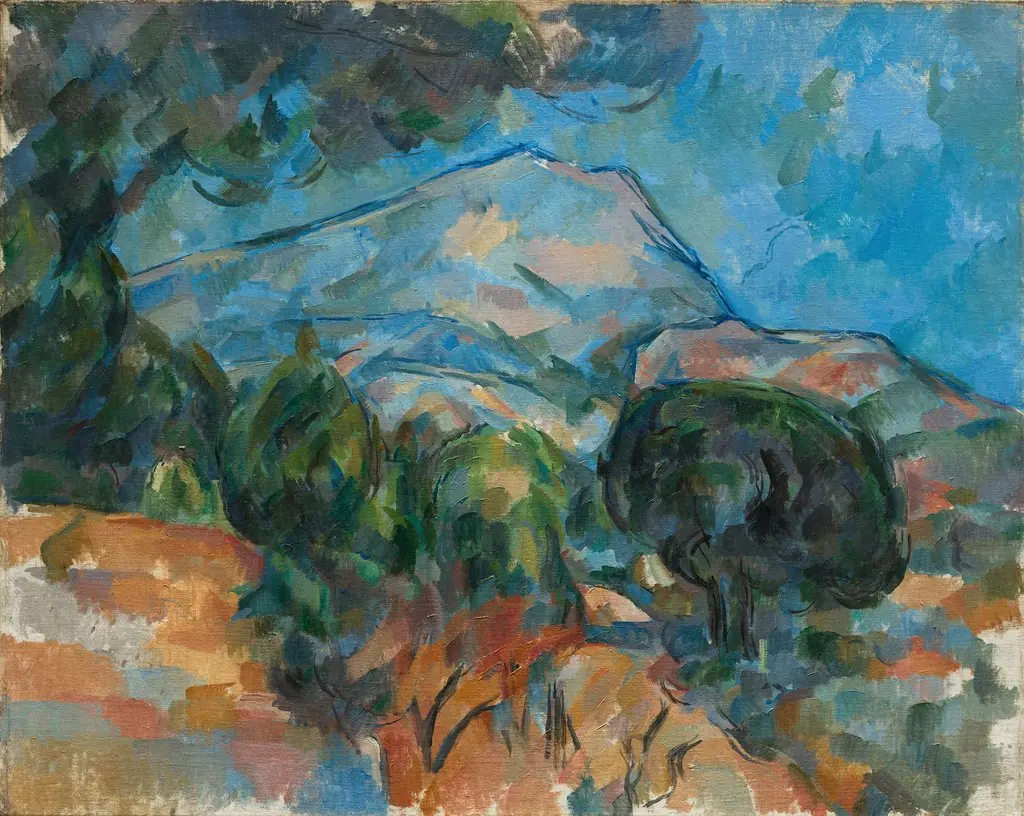
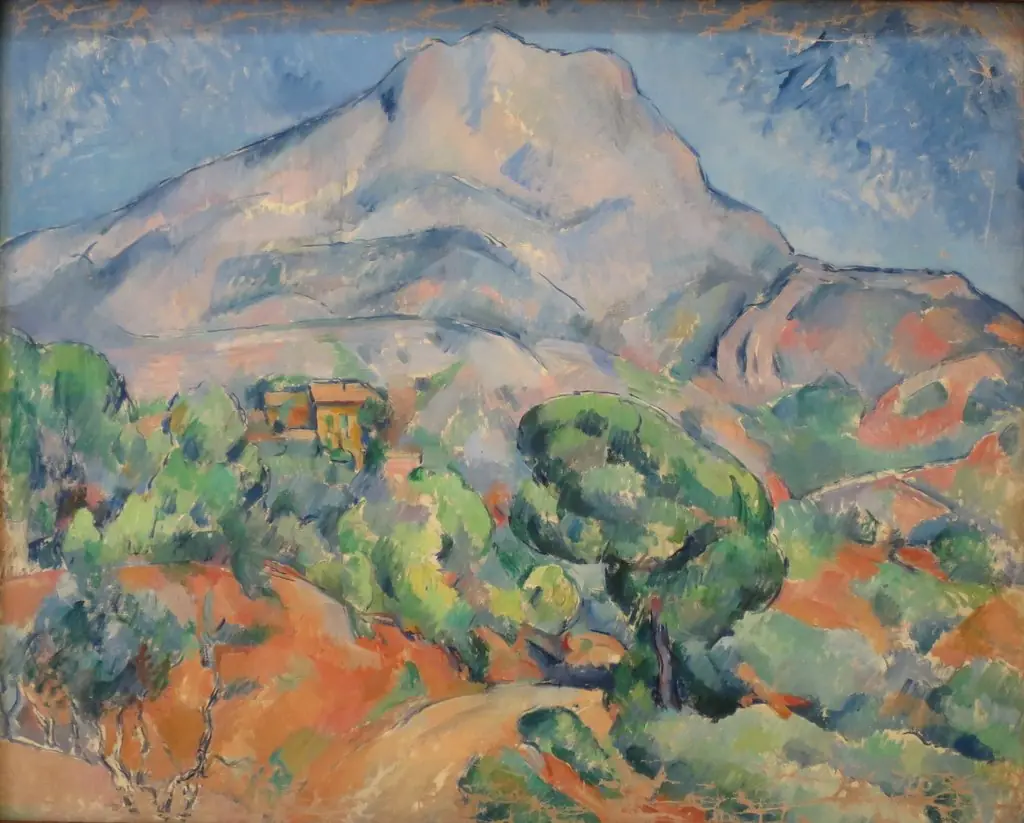
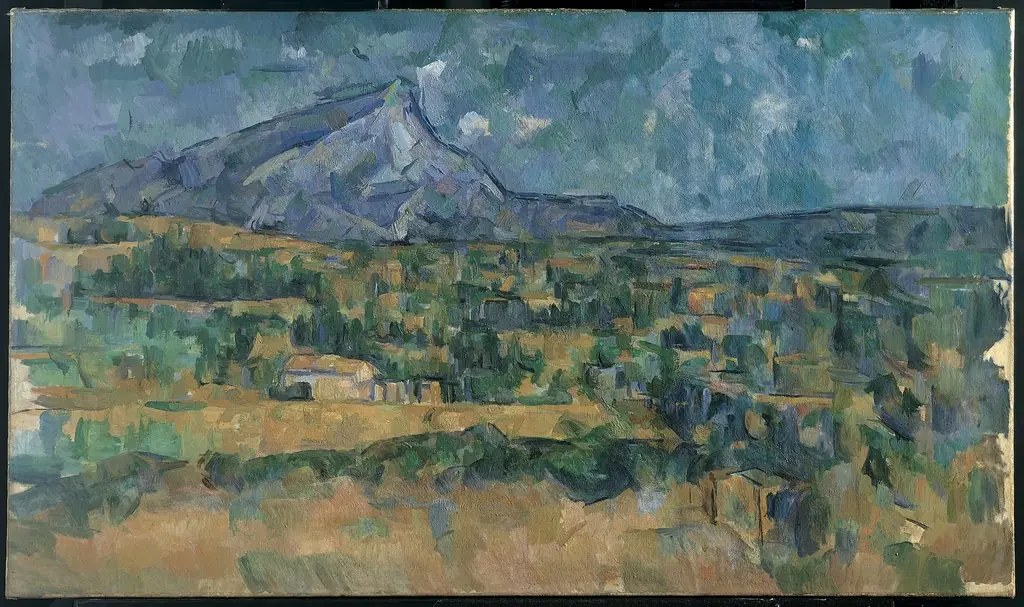
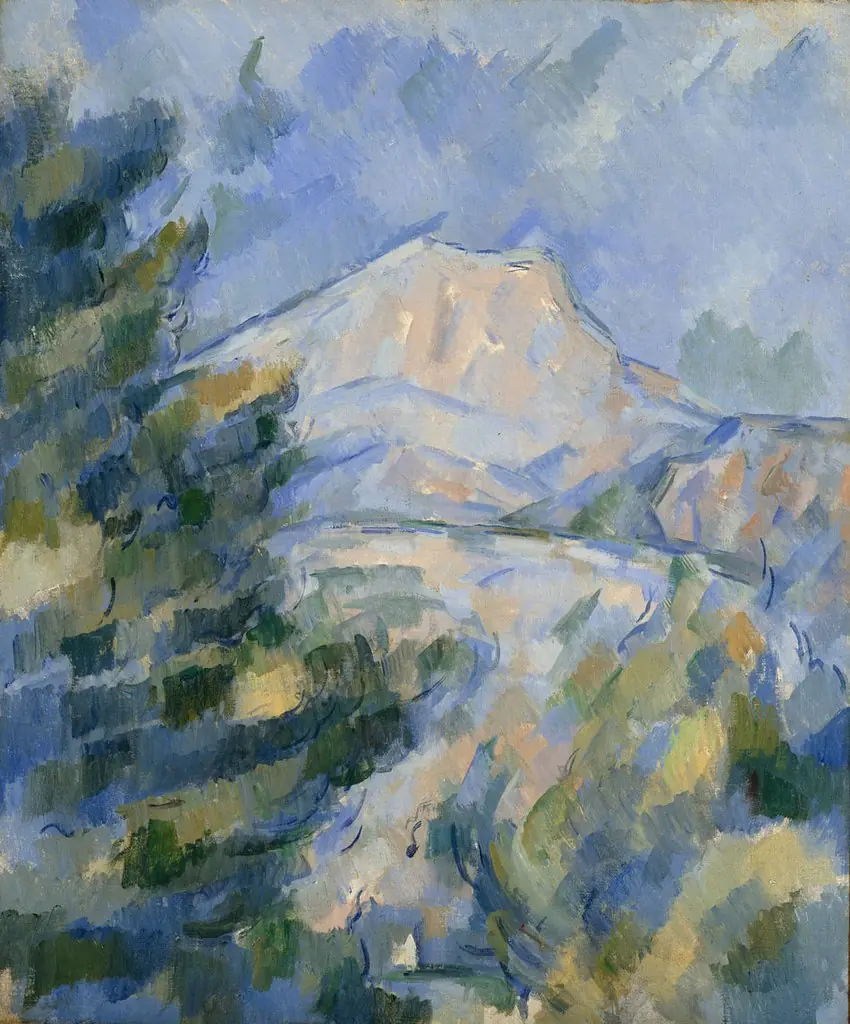
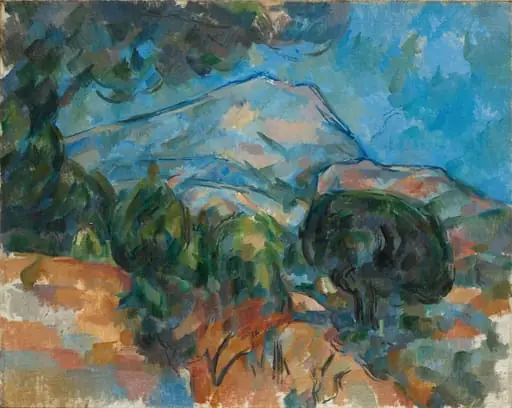
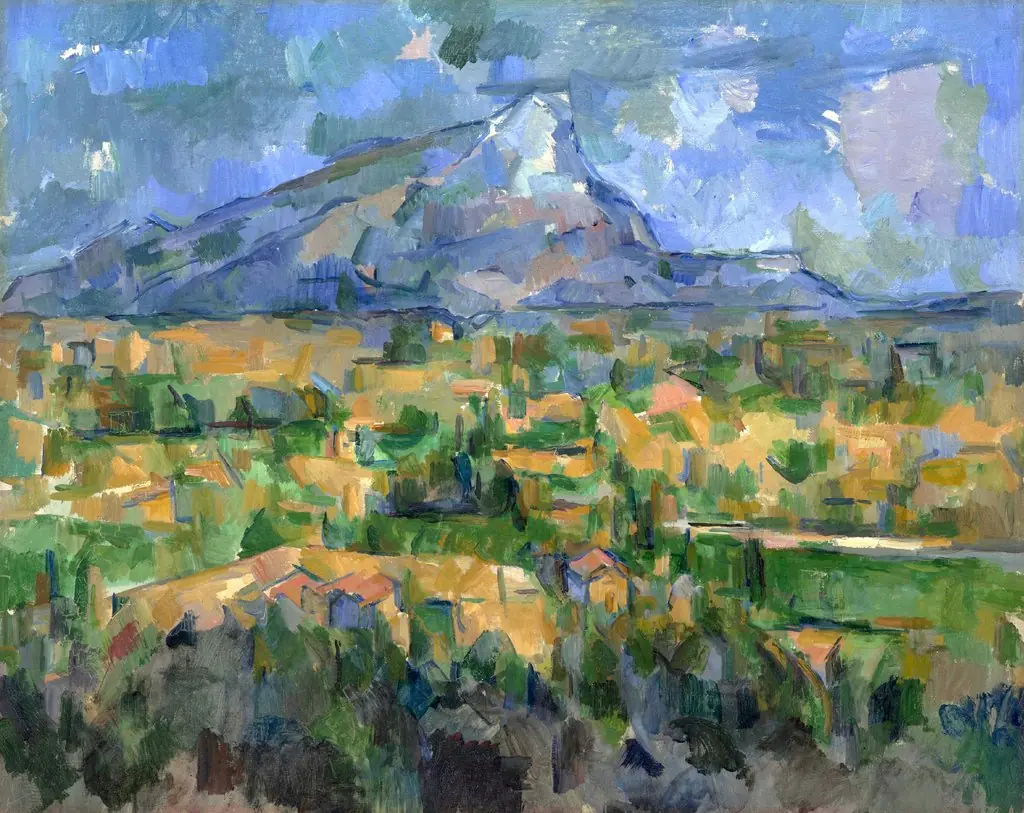
Mount Sainte-Victoire is an oil painting by the Post-Impressionist artist Paul Cezanne. It dates from 1899 and is held in the collection of the Hermitage Museum. Created in 1899, this oil painting presents the distinctive silhouette of Mount Sainte‑Victoire rising from a tranquil foreground.
About this work
Overview
Created in 1899, this oil painting presents the distinctive silhouette of Mount Sainte‑Victoire rising from a tranquil foreground. The composition balances muted earth tones of the mountain with a clear blue sky dotted with white clouds, conveying a restrained yet resonant landscape.
Subject & Meaning
The work focuses on the Provençal peak that long fascinated the artist, rendering its mass in subdued browns and grays while hinting at vegetation at its base. The simplified forms and calm atmosphere suggest an interest in the enduring presence of nature rather than fleeting visual impressions.
Technique & Style
Executed with structured yet fluid brushstrokes, the painting exemplifies Cézanne’s post‑Impressionist approach that reduces natural forms to geometric planes. The deliberate modulation of color and tone bridges the fleeting light of Impressionism with the analytical deconstruction that would later inform early Cubist experiments.
History & Provenance
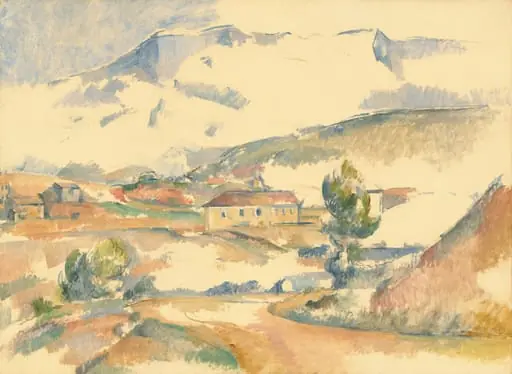
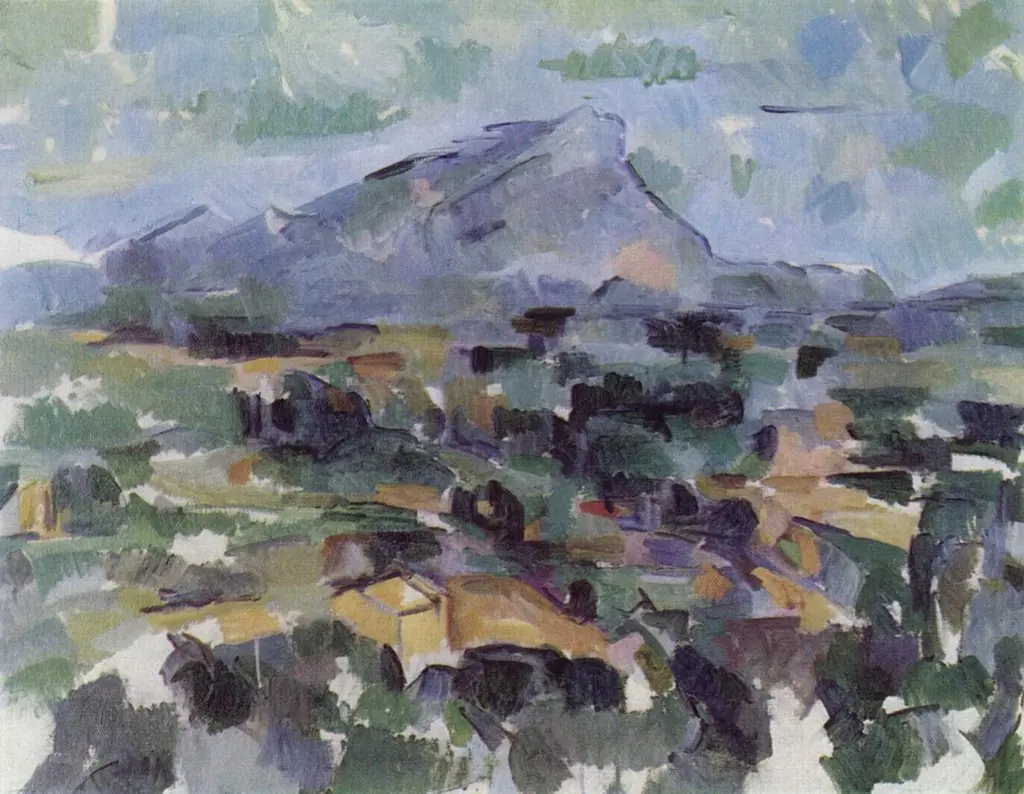
The canvas entered the collection of the State Hermitage Museum, where it remains on display. It was produced during the final decade of the artist’s career, a period marked by repeated studies of the same mountain motif across various media.
Context & Legacy
Cézanne’s method of balancing observational fidelity with abstract simplification helped shape the trajectory of 20th‑century avant‑garde movements. By emphasizing underlying structure through color and brushwork, this painting contributed to the visual language later adopted by Cubist and modernist painters.
Artist & collection
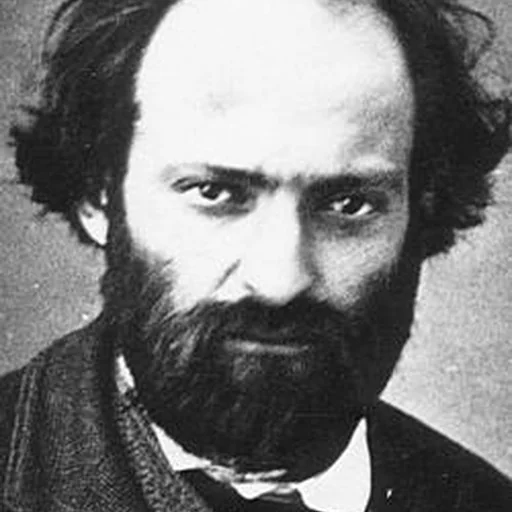
Artist
Paul Cézanne was born on January 19, 1839, in Aix-en-Provence, the son of a hatter turned wealthy banker.

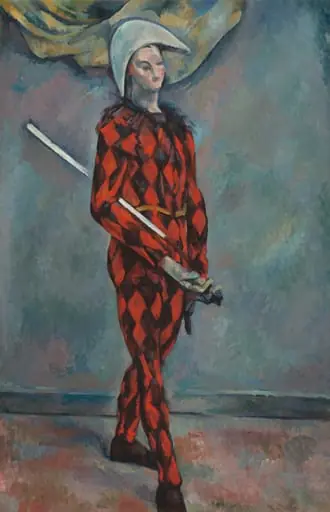 Harlequin
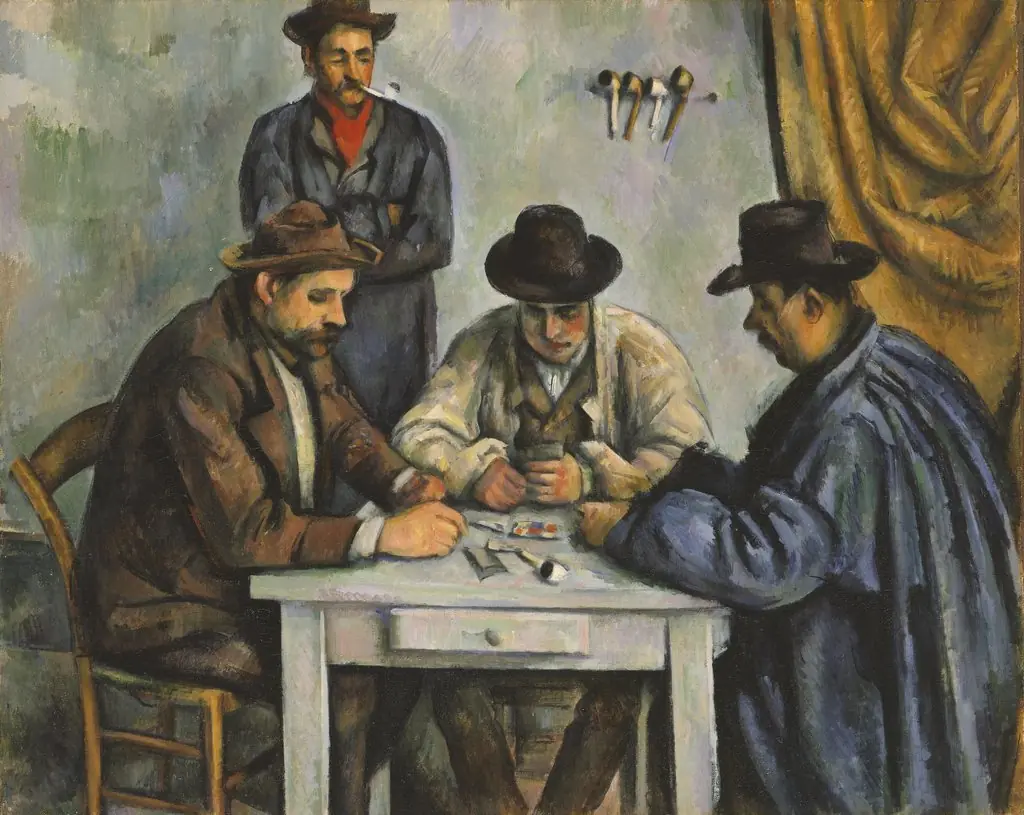 The Card Players
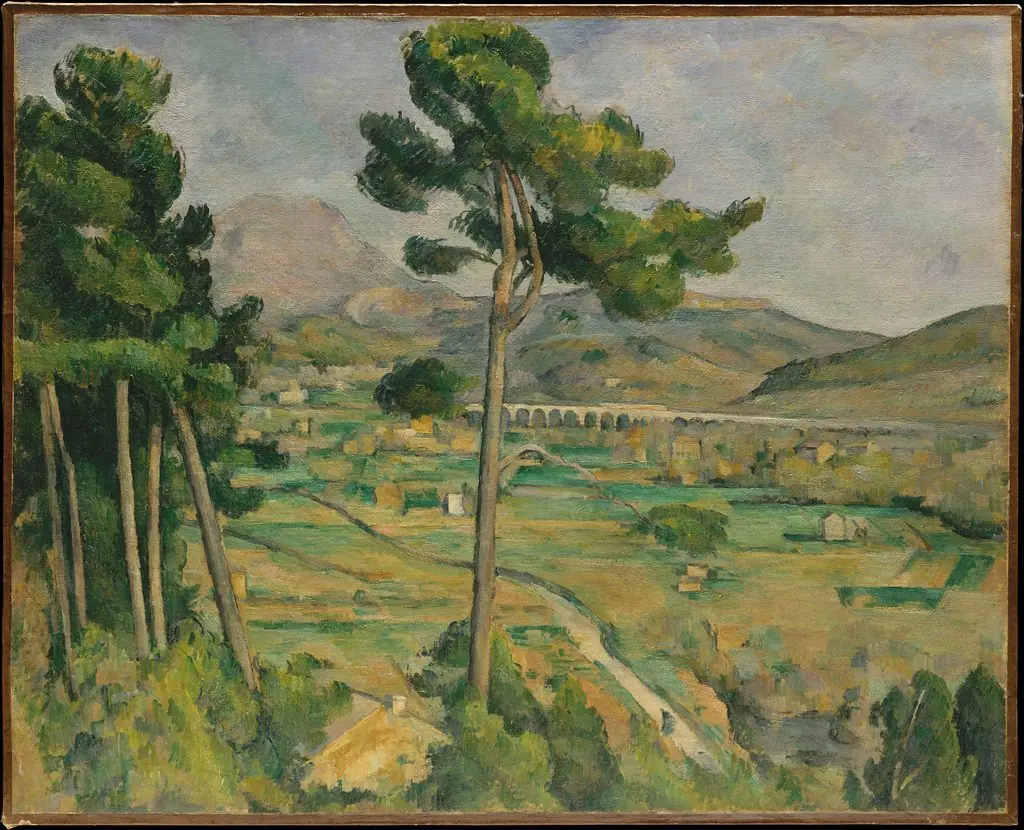 Mont Sainte-Victoire and the Viaduct of the Arc River Valley
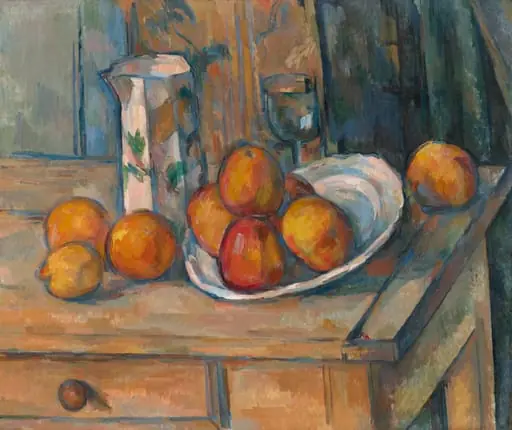 Still Life with Milk Jug and Fruit
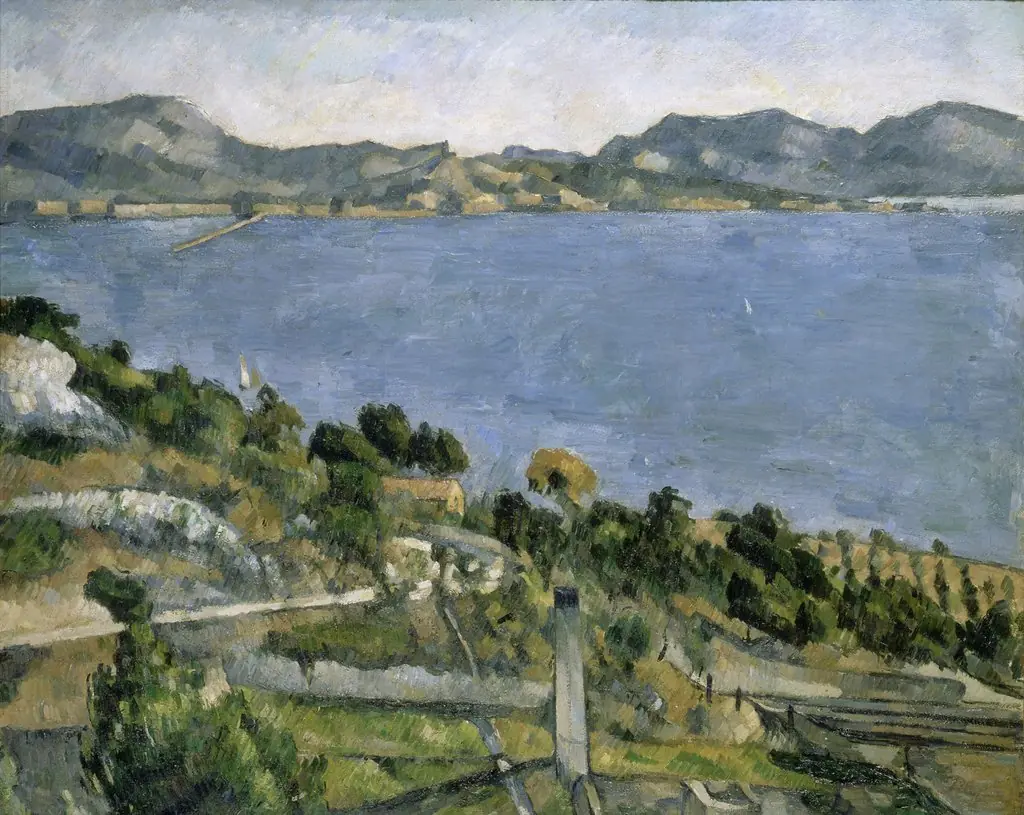 Le Golfe de Marseille vu de l'Estaque (The Gulf of Marseille Seen from L'Estaque)
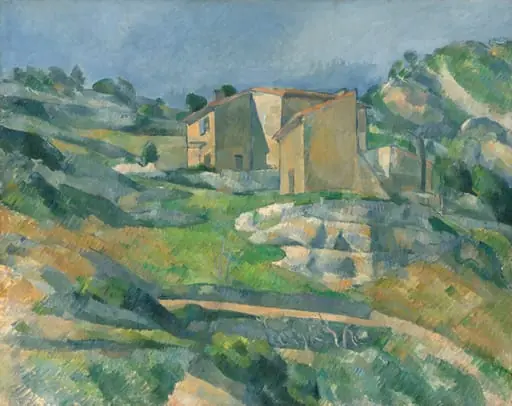 Houses in Provence: The Riaux Valley near L'Estaque
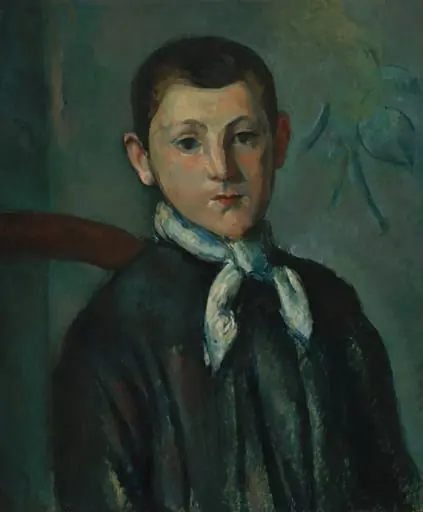 Louis Guillaume
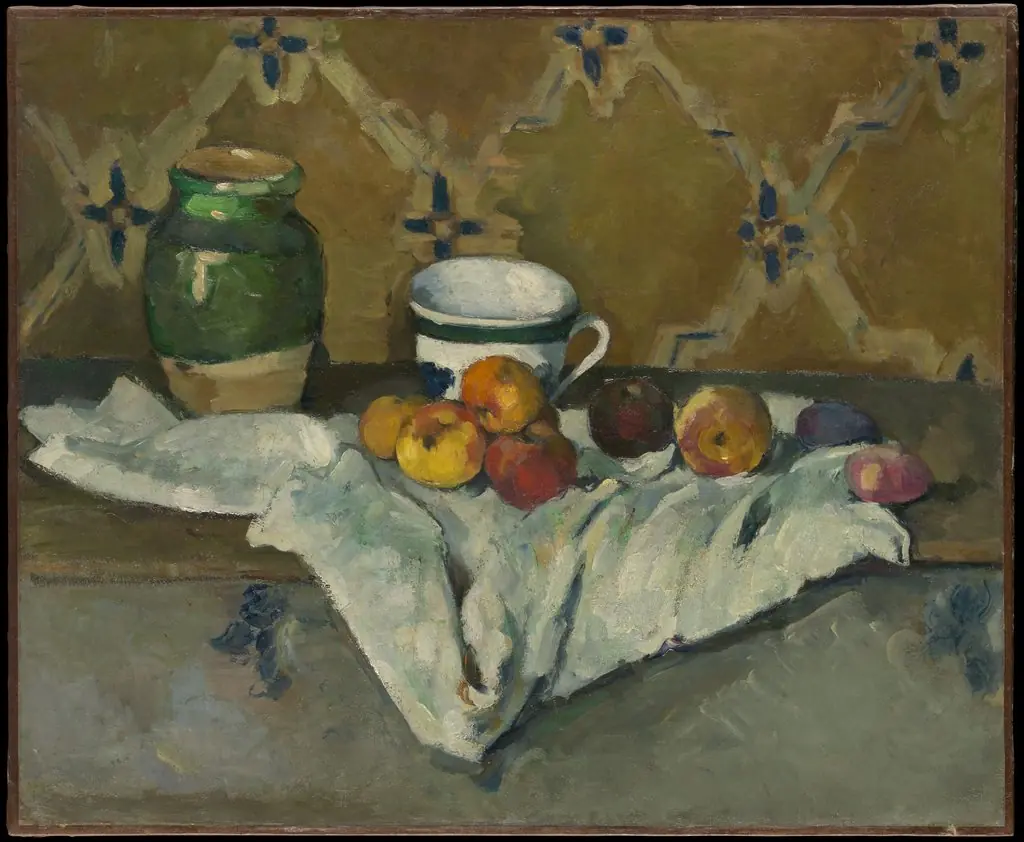 Still Life with Jar, Cup, and Apples