Artwork
Portrait of Madame Cézanne
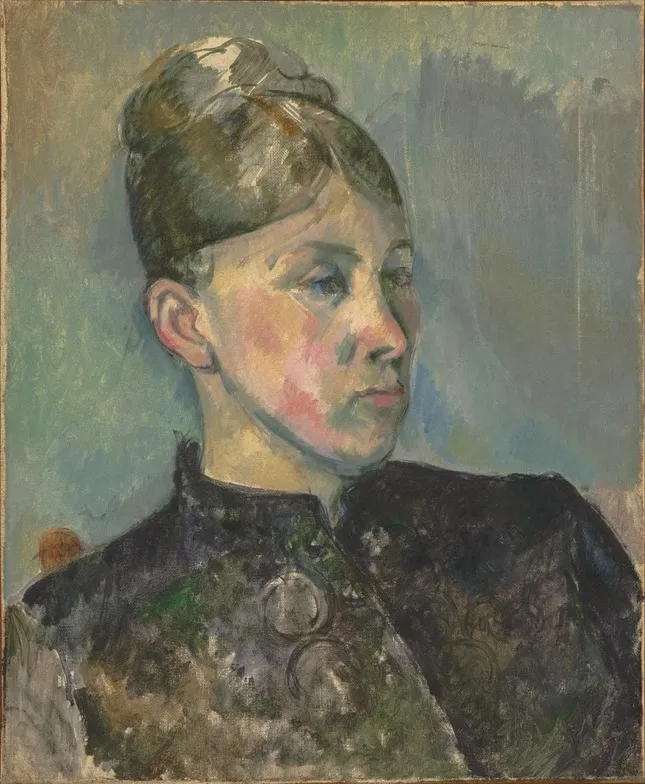
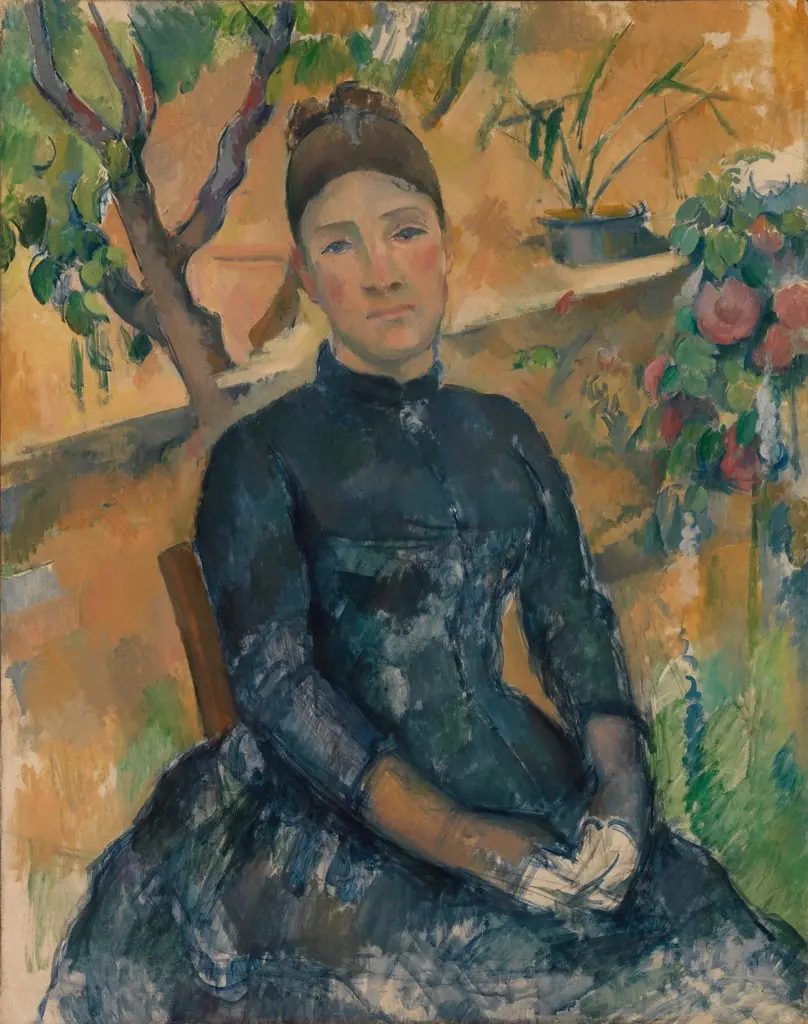
Portrait of Madame Cézanne is an oil painting by the Post-Impressionist artist Paul Cezanne. It dates from 1893 and is held in the collection of the Philadelphia Museum of Art. Created in 1893, this oil painting depicts Marie‑Hortense Fiquet, the spouse of Paul Cézanne, rendered in a restrained palette.
About this work
Overview
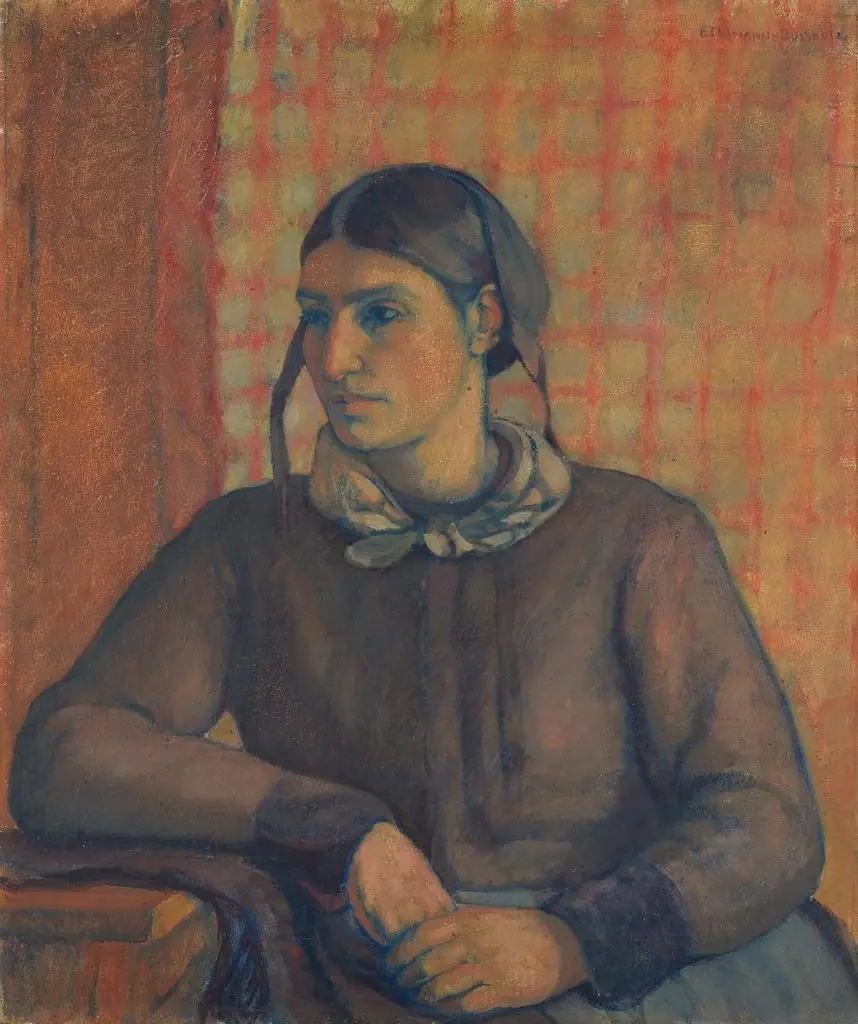
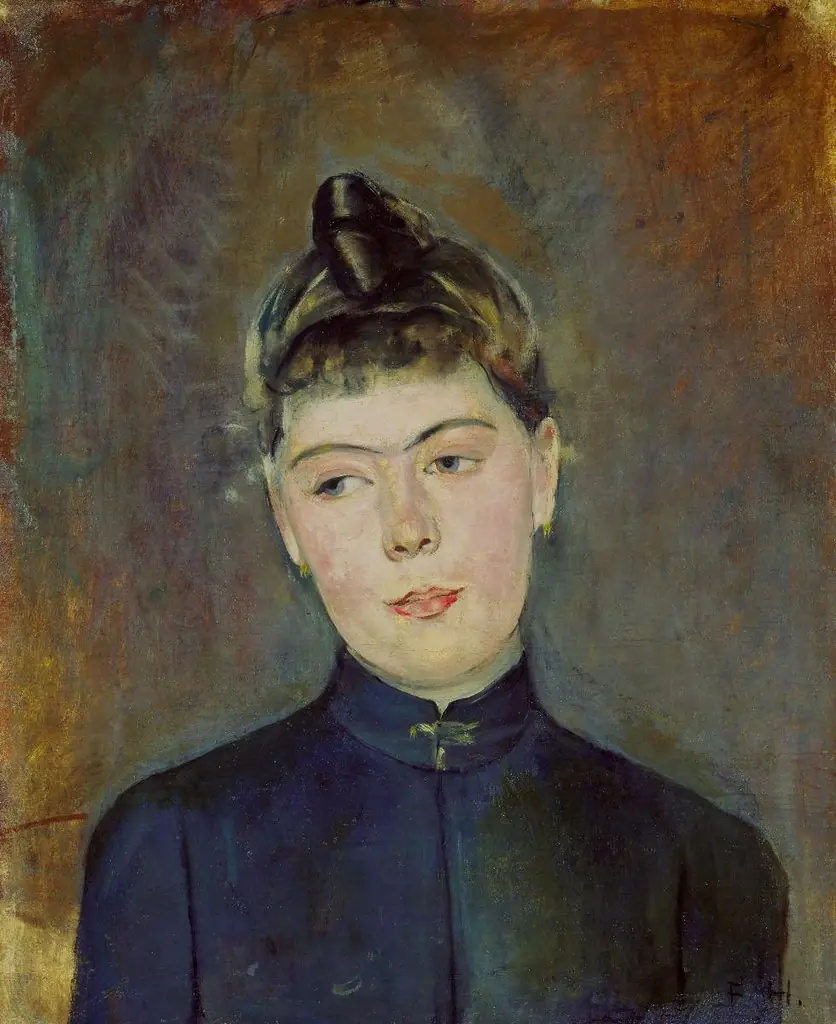
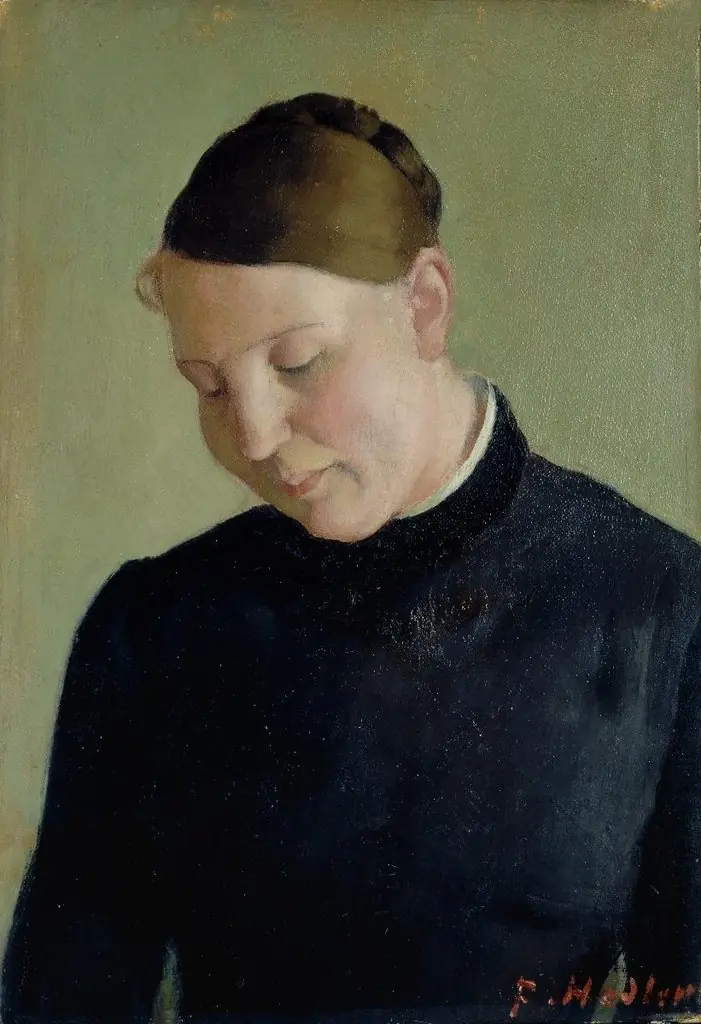
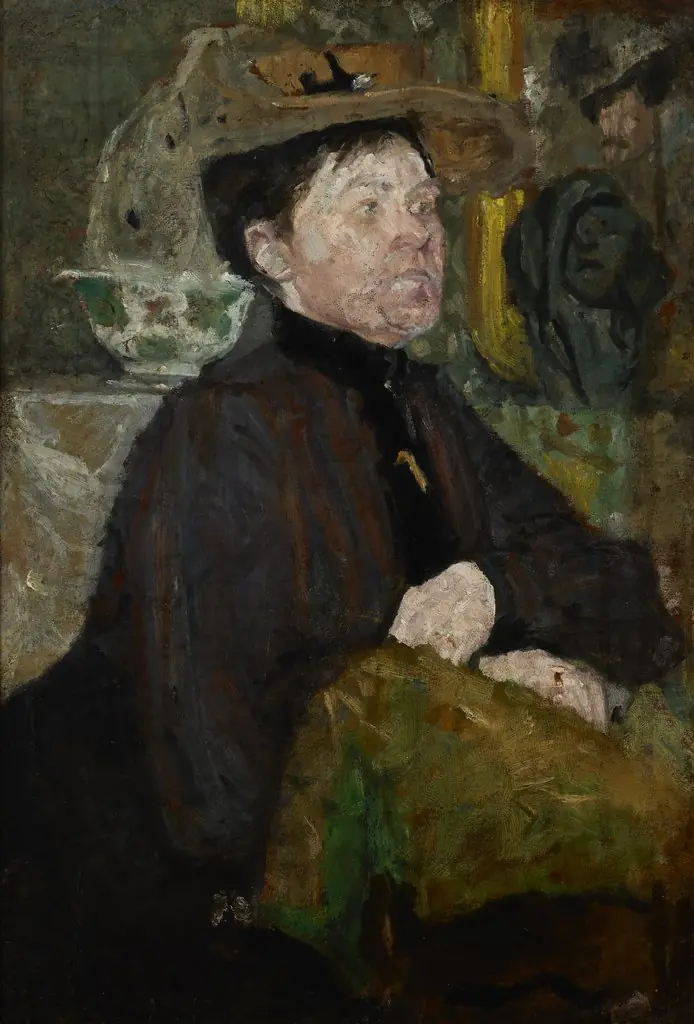
Created in 1893, this oil painting depicts Marie‑Hortense Fiquet, the spouse of Paul Cézanne, rendered in a restrained palette. The composition places the sitter slightly turned, her brown hair gathered in a bun, and she is dressed in a dark, high‑collared jacket. A muted blue‑green backdrop provides a calm setting, while her down‑cast gaze conveys a sense of introspection.
Subject & Meaning
The work presents a private portrait of Cézanne’s wife, focusing on her inner demeanor rather than decorative detail. The subdued coloration of her face and the gentle modeling of features suggest a quiet, reflective mood, inviting viewers to consider the personal connection between artist and subject and the subtle emotional tone that pervades the image.
Technique & Style
Cézanne employs his characteristic handling of form, using layered brushstrokes to build volume and a limited tonal range to unify the figure with its surroundings. The palette is restrained, with soft browns and muted blues, while the treatment of light on the jacket and background demonstrates his transition from Impressionist color experiments toward a more structural, almost geometric approach that would later influence Cubism.
History & Provenance
Painted during the later phase of Cézanne’s career, the portrait remained within the artist’s personal collection before entering public holdings in the early twentieth century. It has been exhibited in several major retrospectives of Cézanne’s work, contributing to scholarly understanding of his portraiture and his evolving visual language.
Context
The portrait emerges from the Post‑Impressionist period, a time when artists were re‑examining the limits of color and form established by Impressionism. Cézanne’s focus on structural composition and his subdued tonal choices reflect broader artistic debates of the 1890s, positioning the work as a bridge between representational painting and the more abstract tendencies that would follow.
Artist & collection
Artist
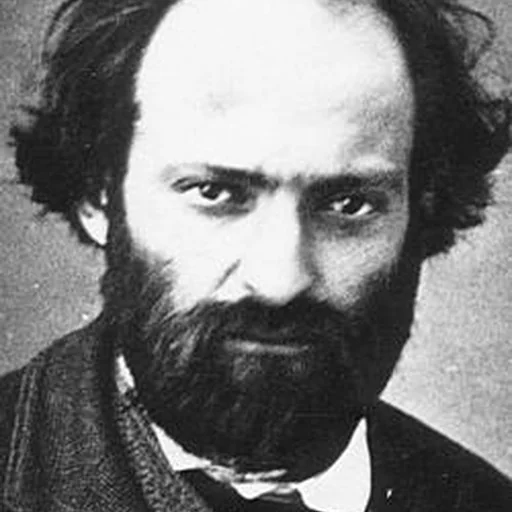
Paul Cézanne was born on January 19, 1839, in Aix-en-Provence, the son of a hatter turned wealthy banker.

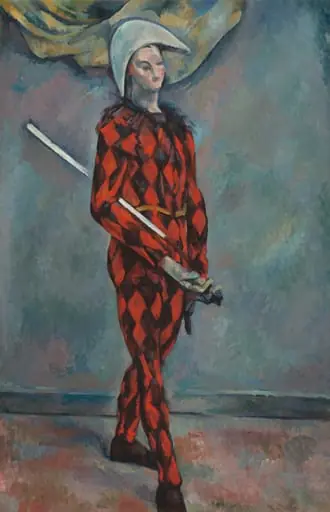 Harlequin
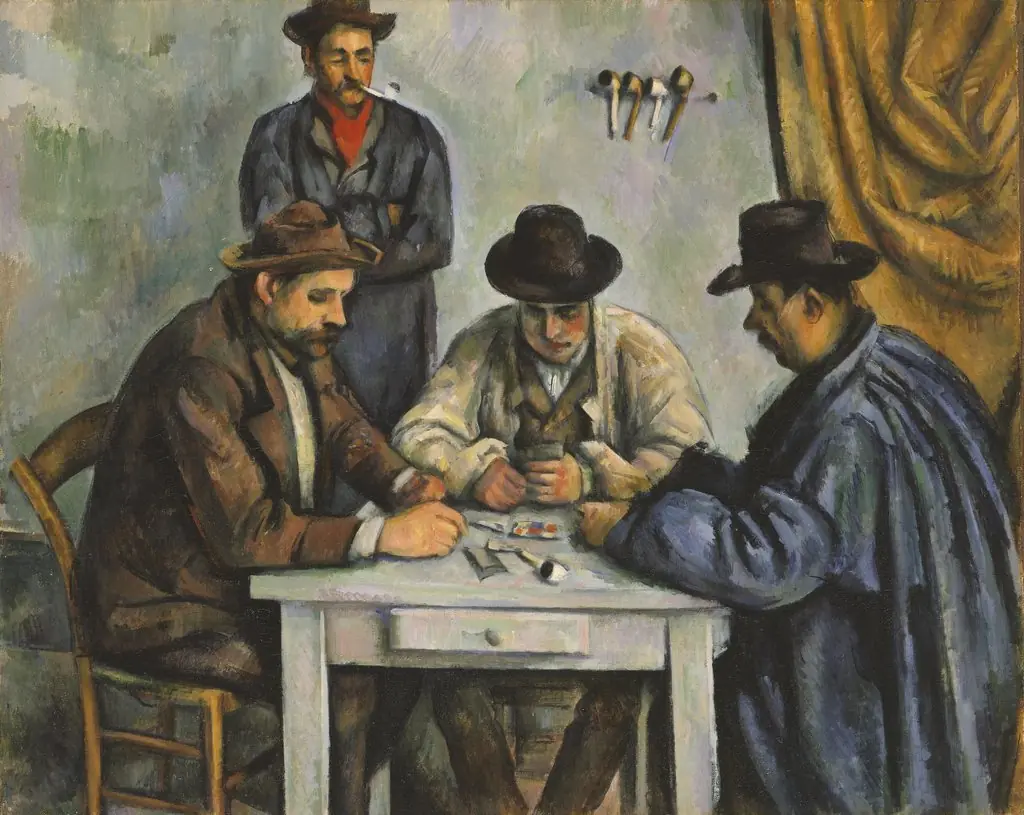 The Card Players
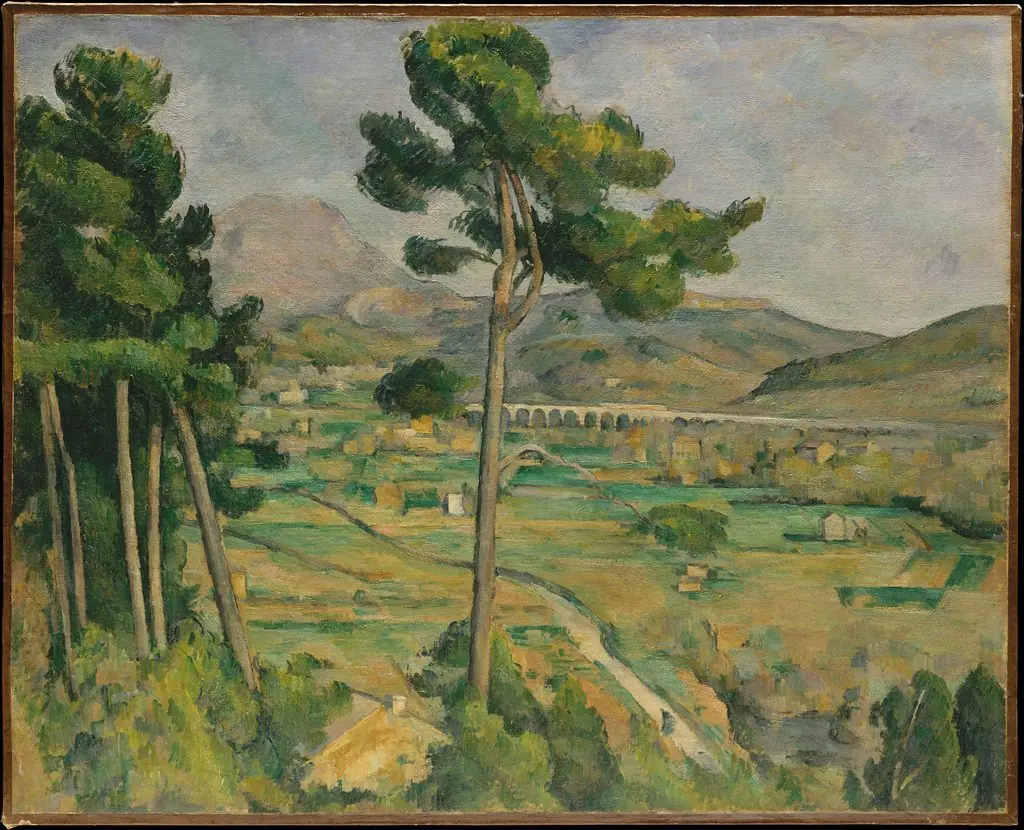 Mont Sainte-Victoire and the Viaduct of the Arc River Valley
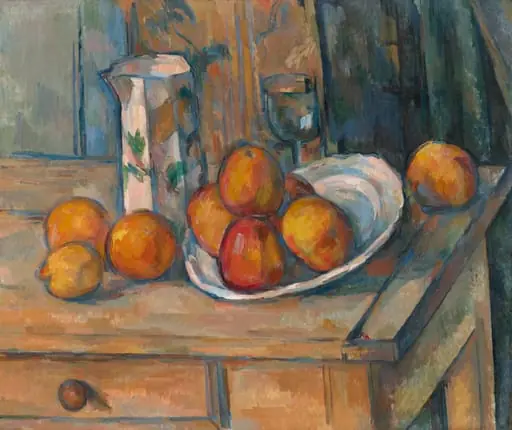 Still Life with Milk Jug and Fruit
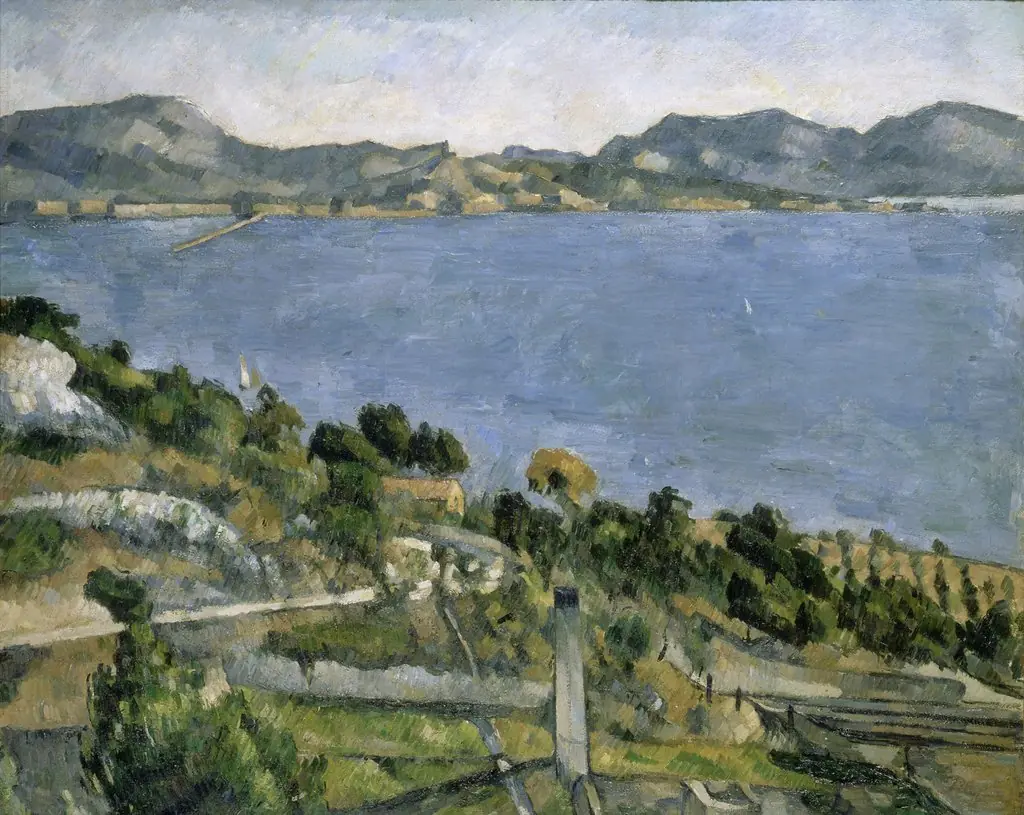 Le Golfe de Marseille vu de l'Estaque (The Gulf of Marseille Seen from L'Estaque)
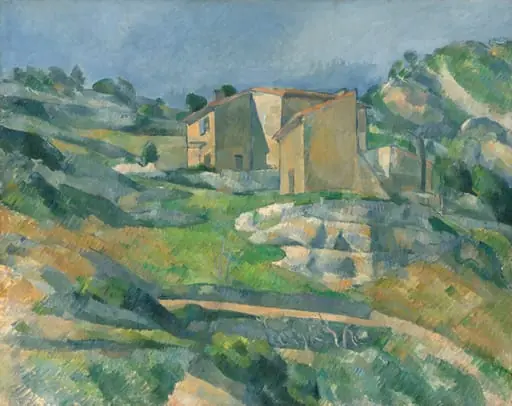 Houses in Provence: The Riaux Valley near L'Estaque
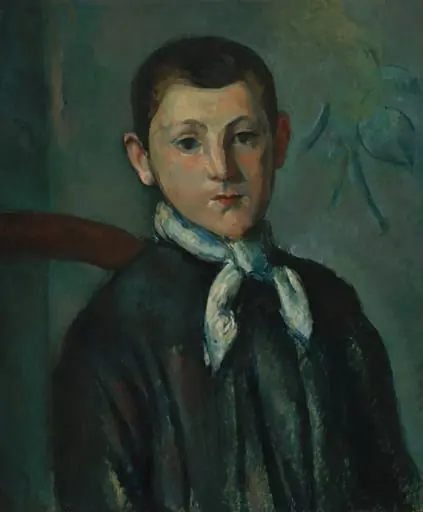 Louis Guillaume
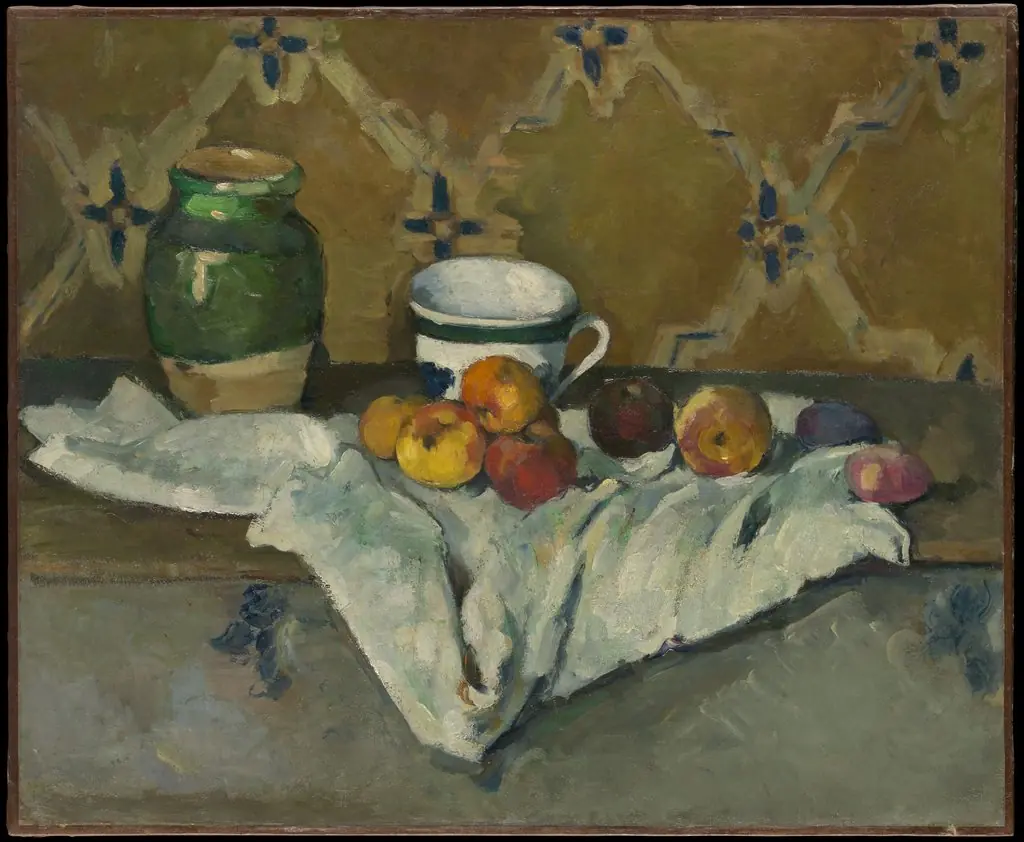 Still Life with Jar, Cup, and Apples