Artwork
L'Oncle Dominique
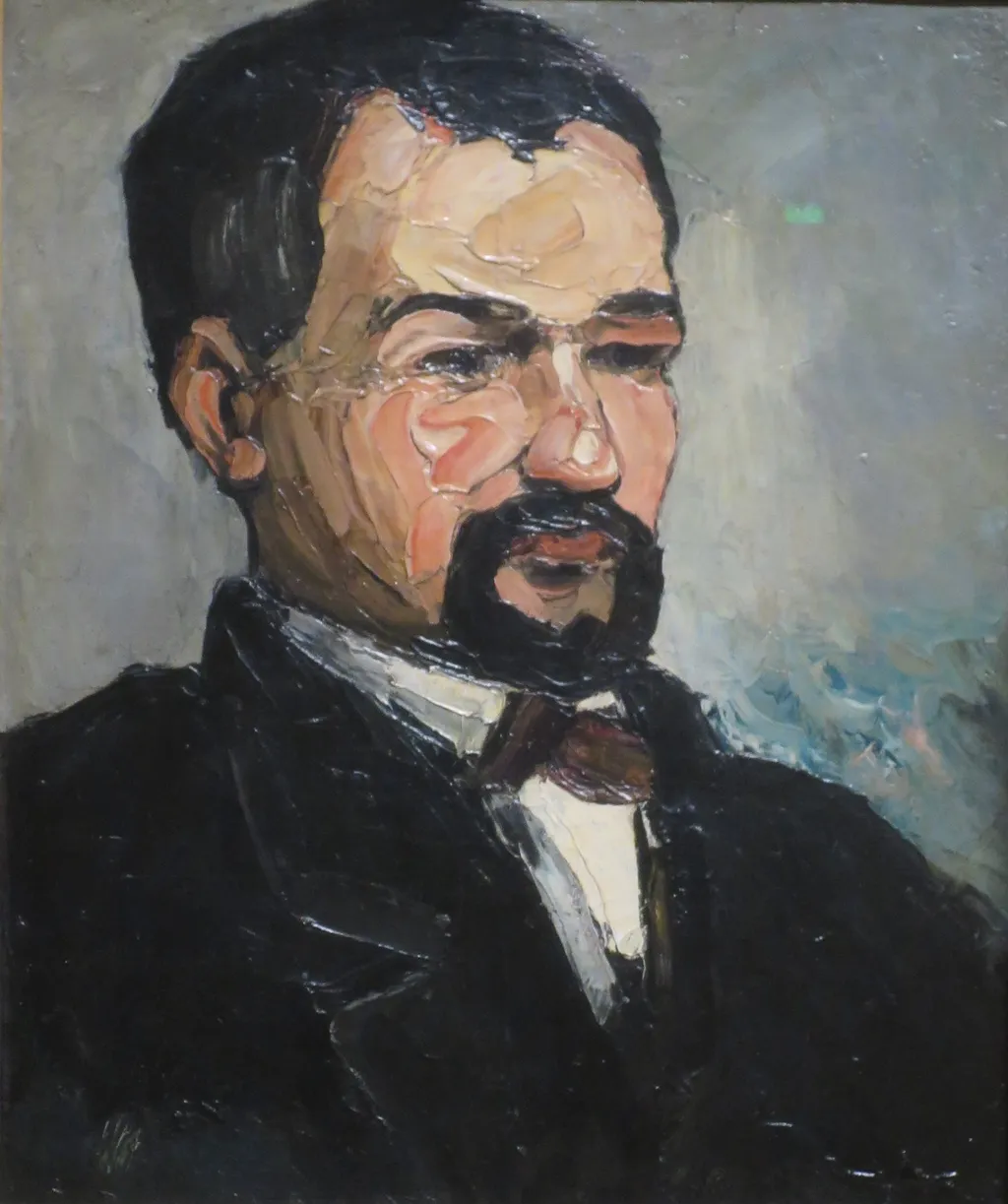
L'Oncle Dominique is an oil painting by the Realist artist Paul Cezanne. It dates from 1866 and is held in the collection of the Norton Simon Museum.
About this work
Overview
L'Oncle Dominique is an 1866 oil painting by Paul Cézanne, characteristic of his early work within the Realist movement, preceding the development of his influential, structured compositions.
Subject & Meaning
The painting portrays a somber, bearded man (Uncle Dominique) in a black jacket, white shirt, and brown tie, set against a gray wall. His serious expression and intense gaze are conveyed through thick, heavy brushstrokes, imparting a textured, nearly three-dimensional quality to the portrait.
Technique & Style
Cézanne's early style is evident in the work's emphasis on realism and the expressive use of thick, heavy brushstrokes, which would later evolve into a more distinctive, formative approach to color and composition.
History & Provenance
Created in 1866, the painting reflects Cézanne's transitional period, having started under Romantic and Realist influences before paving the way for Post-Impressionism and Cubism.
Context
As a French artist born in 1839, Cézanne's work, including *L'Oncle Dominique*, was initially shaped by prevailing artistic movements of the time, later breaking ground for future art movements.
Legacy
While *L'Oncle Dominique* represents Cézanne's formative Realist period, his subsequent evolution significantly influenced the development of Post-Impressionism and Cubism, leaving a lasting impact on modern art.
Artist & collection
Artist
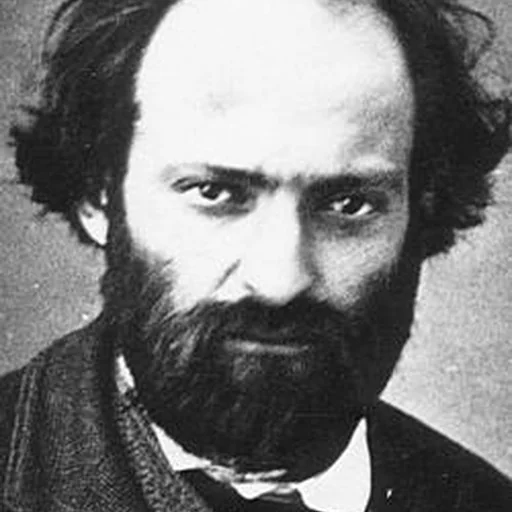
Paul Cézanne was born on January 19, 1839, in Aix-en-Provence, the son of a hatter turned wealthy banker.

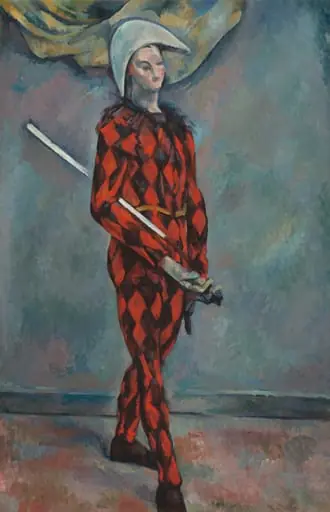 Harlequin
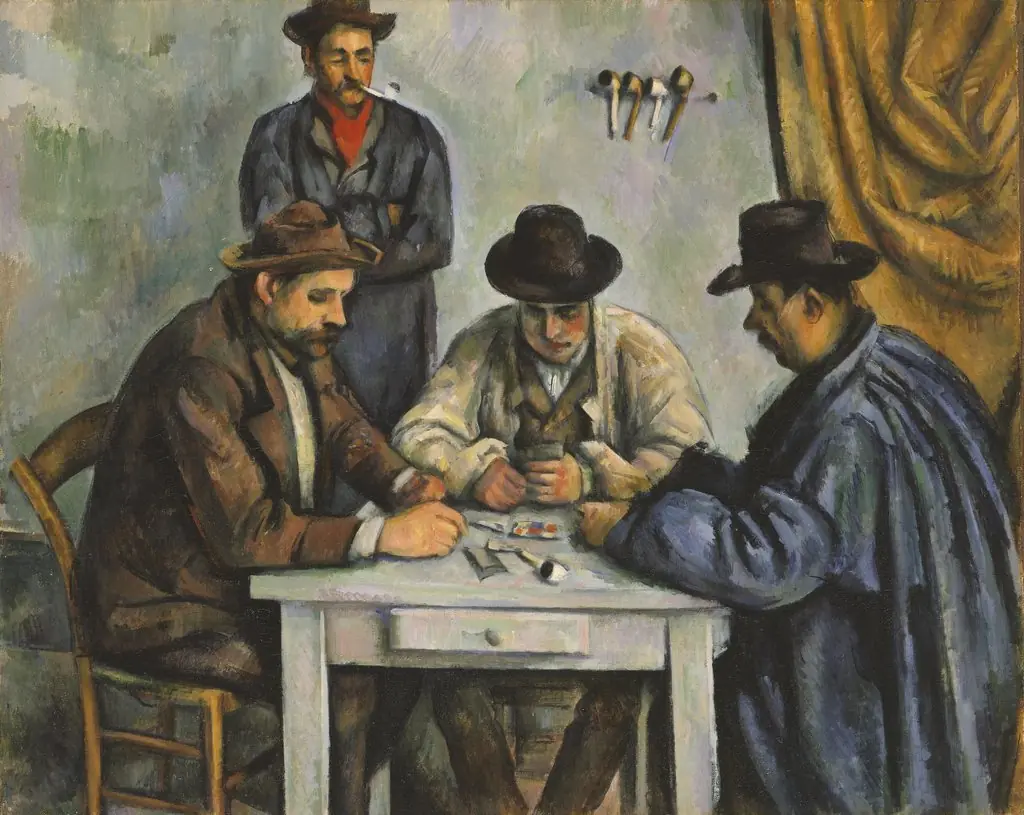 The Card Players
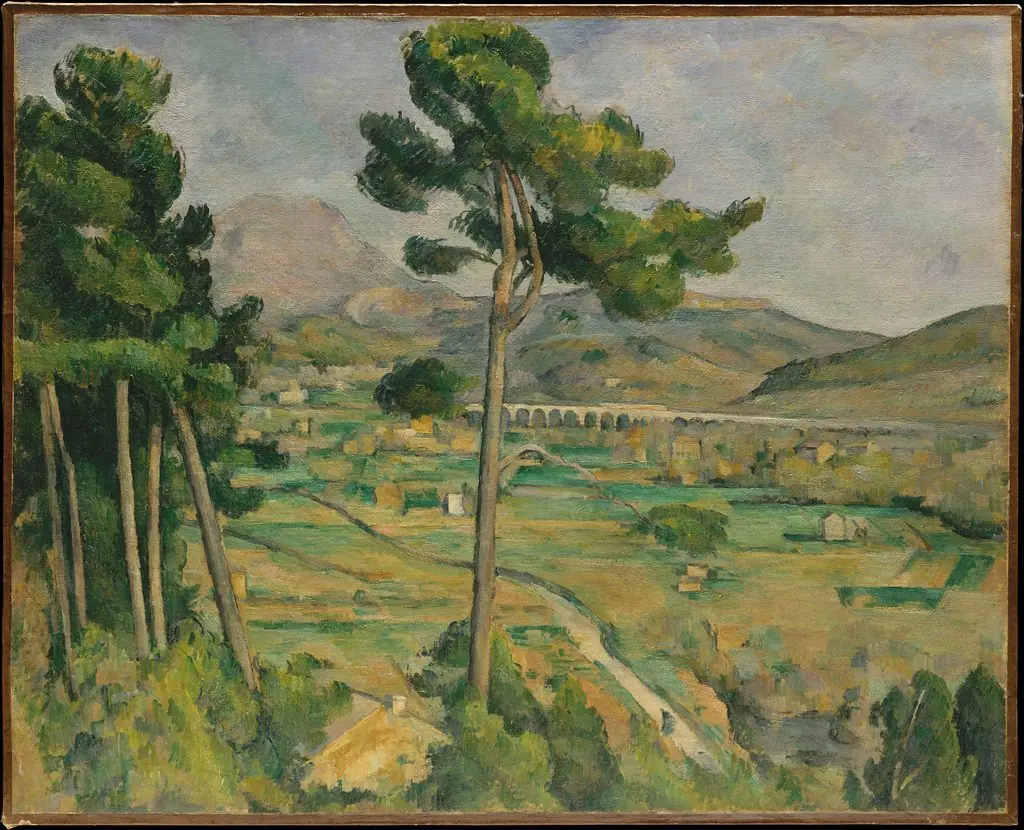 Mont Sainte-Victoire and the Viaduct of the Arc River Valley
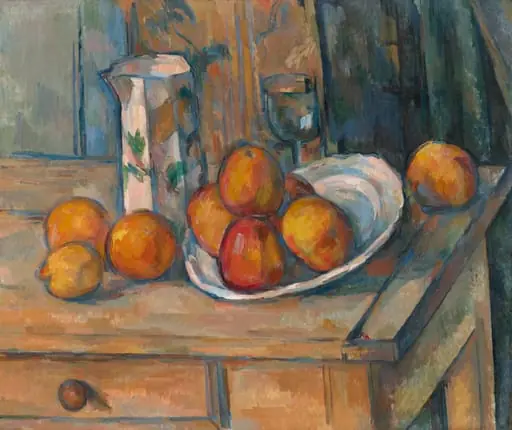 Still Life with Milk Jug and Fruit
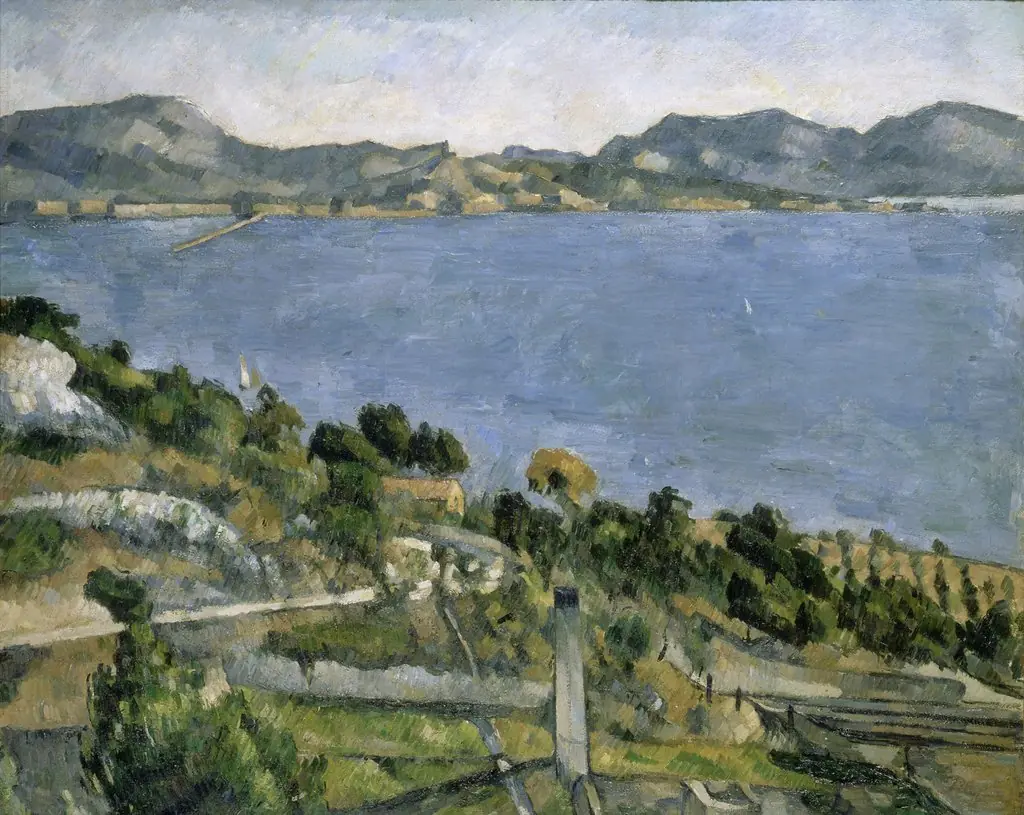 Le Golfe de Marseille vu de l'Estaque (The Gulf of Marseille Seen from L'Estaque)
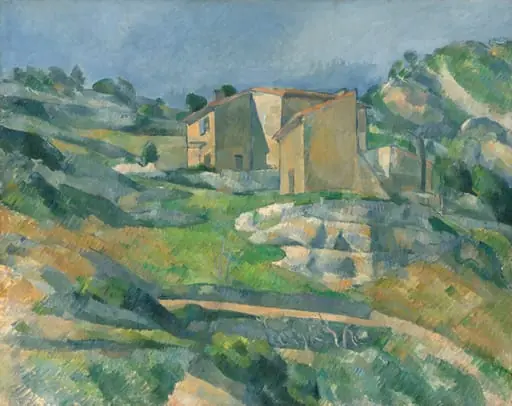 Houses in Provence: The Riaux Valley near L'Estaque
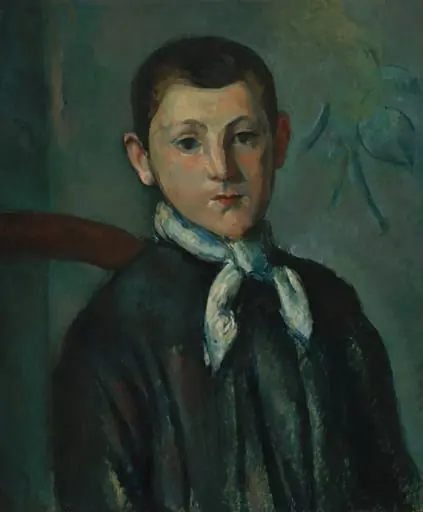 Louis Guillaume
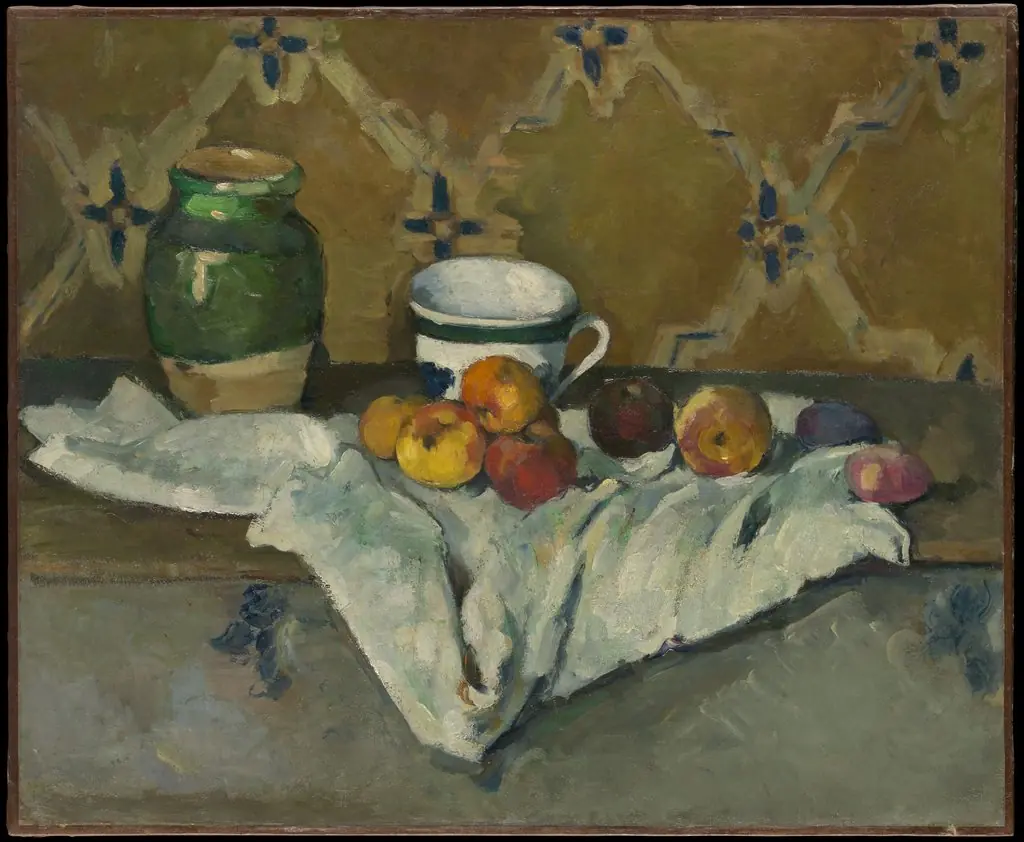 Still Life with Jar, Cup, and Apples
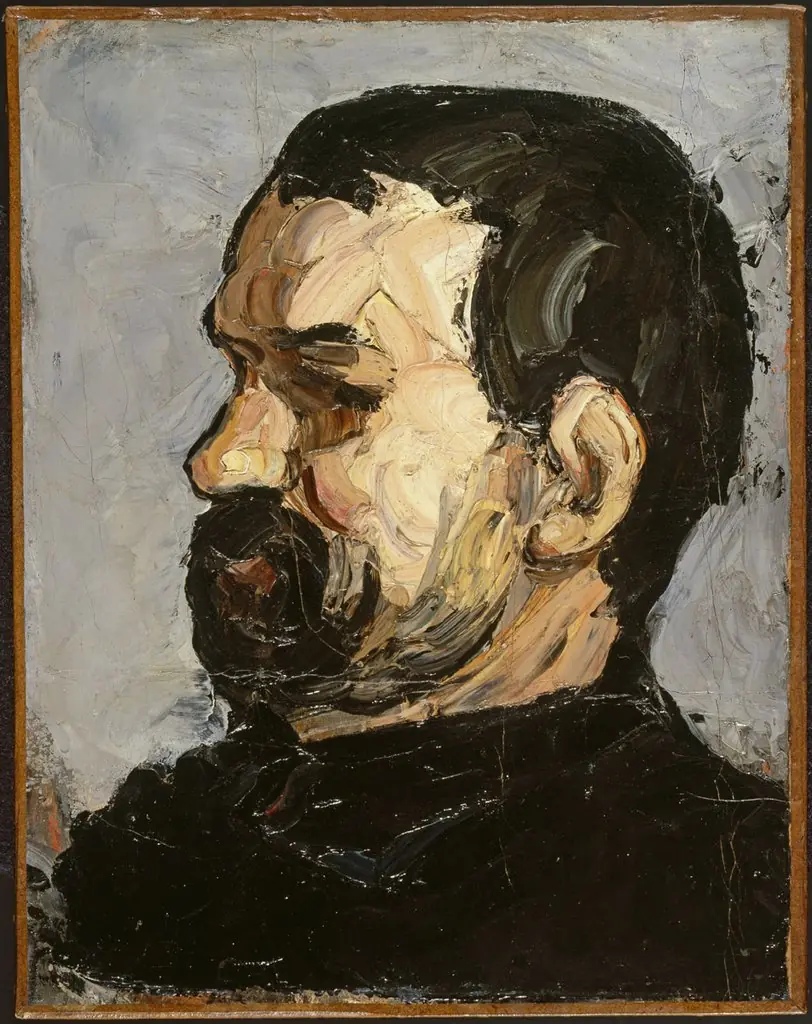 Uncle Dominique
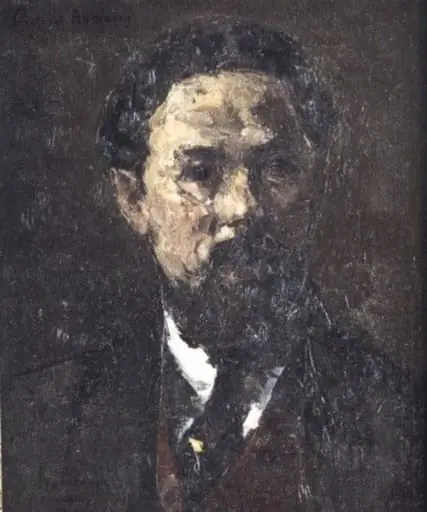 Romașcu
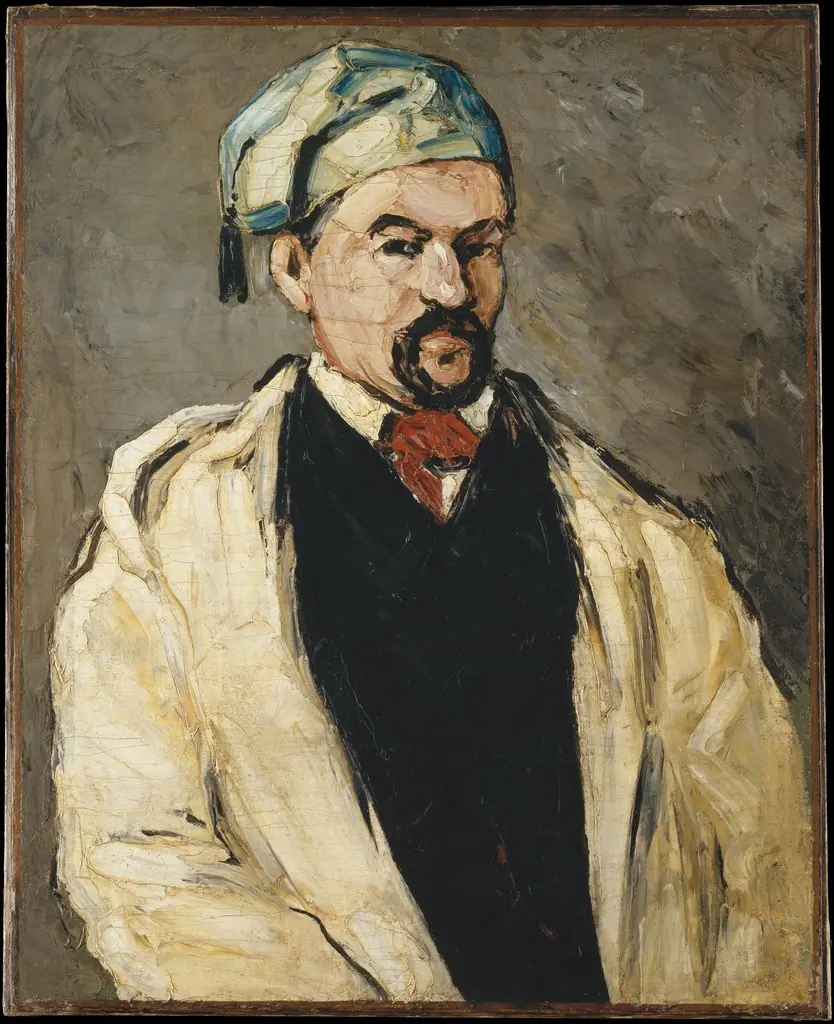 L'Homme au bonnet de coton (Antoine Dominique Sauveur Aubert, the Artist's Uncle)
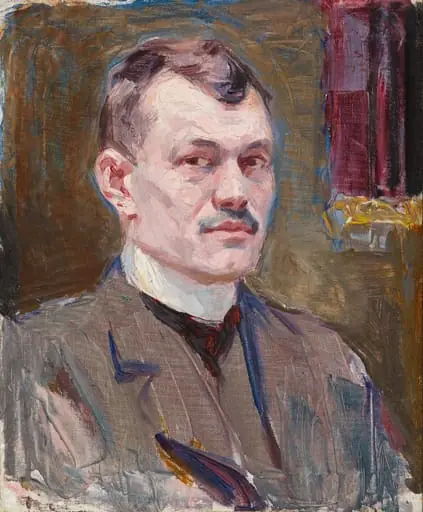 Taiteilijaystävä Eero Nelimarkka
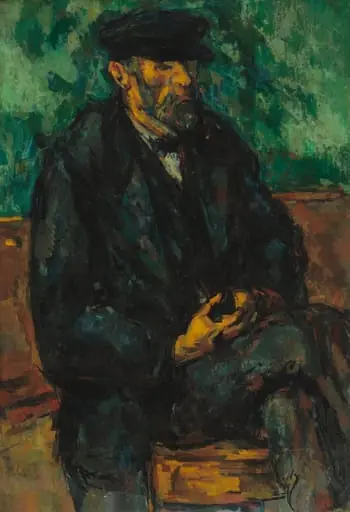 The Gardener Vallier
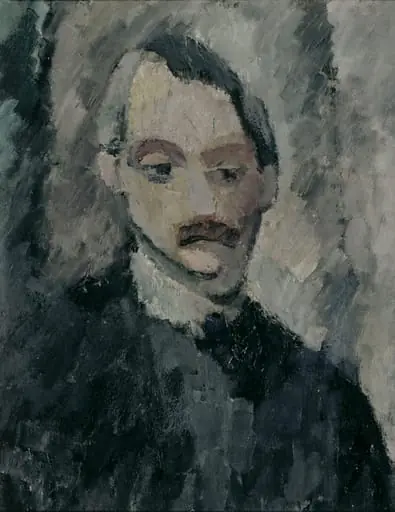 Kuvanveistäjä Nils E. Santessonin muotokuva
 Self-Portrait
 Tête d'homme
 Profesorul Alexandru Slătineanu
 The Master Smith of Lyme Regis
 Bildnis Professor Beuttner
 Self-Portrait