Artwork
Self-Portrait
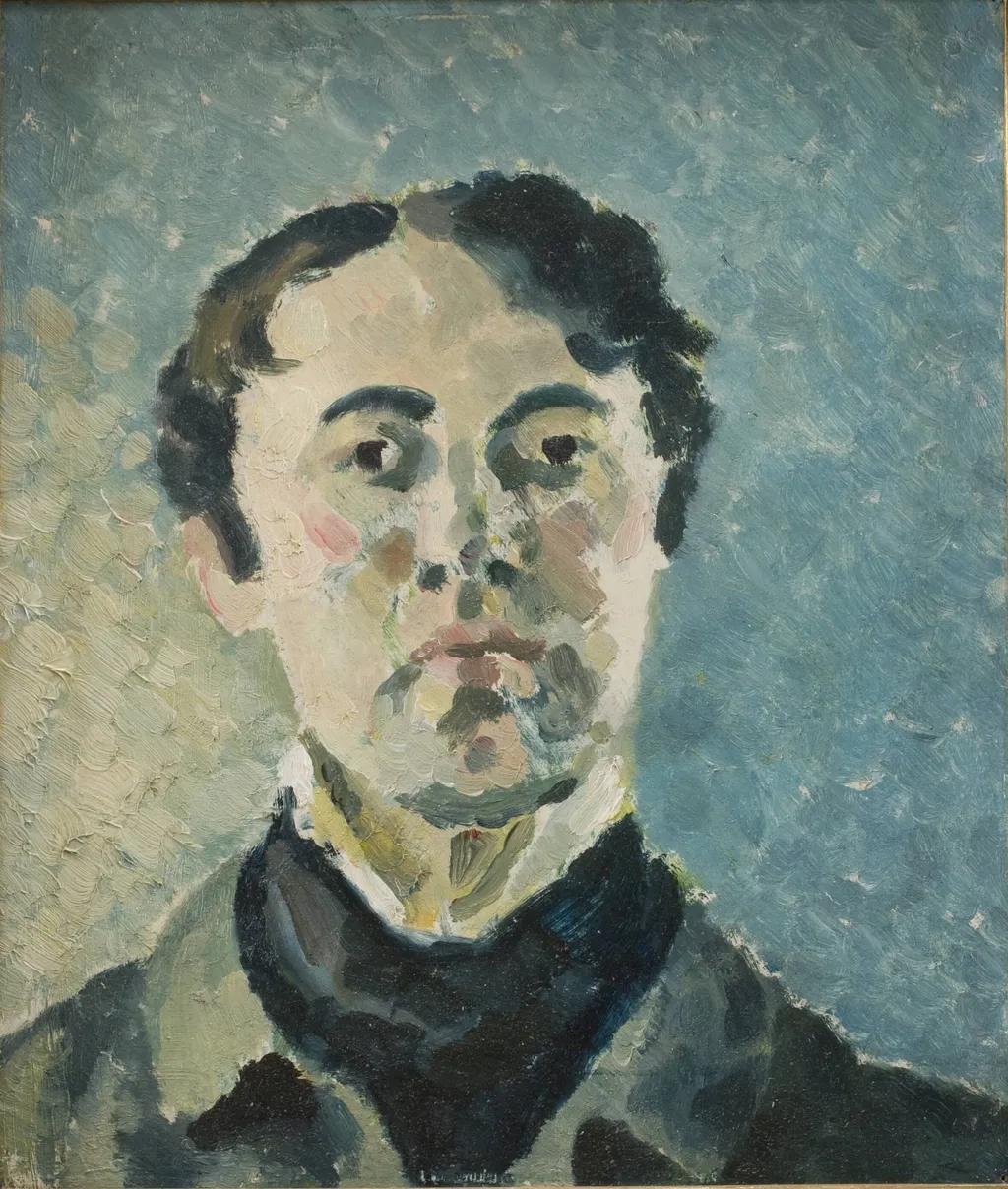
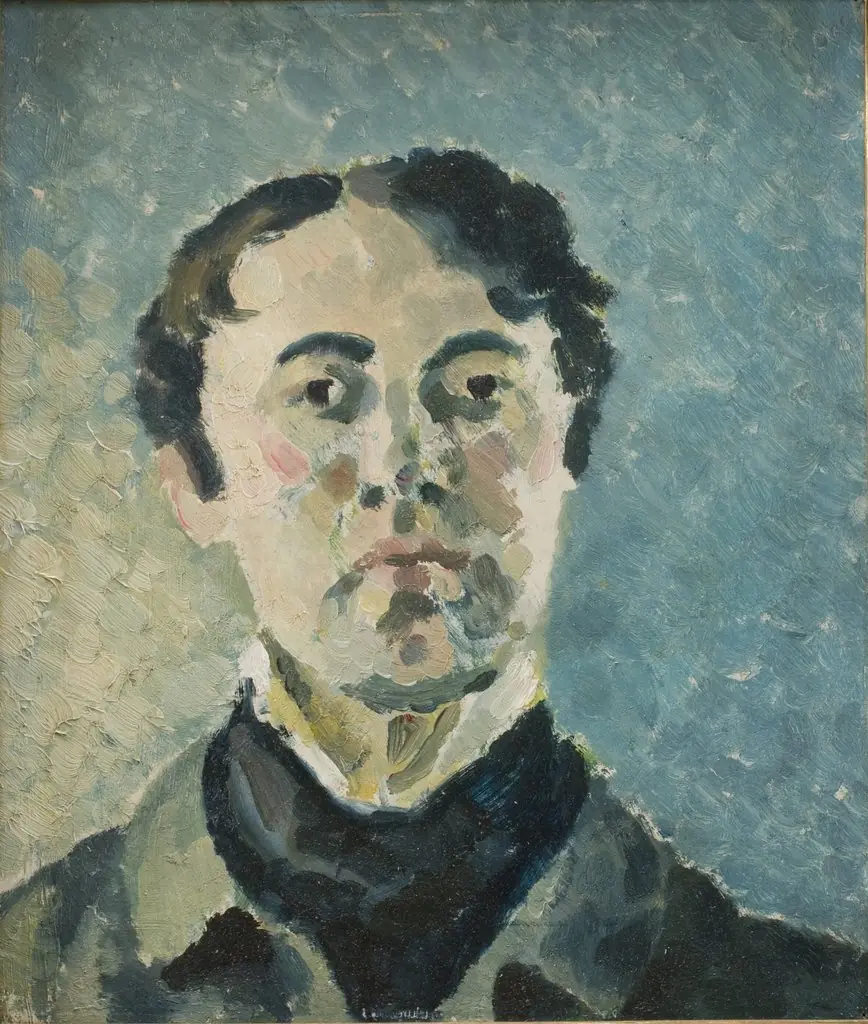
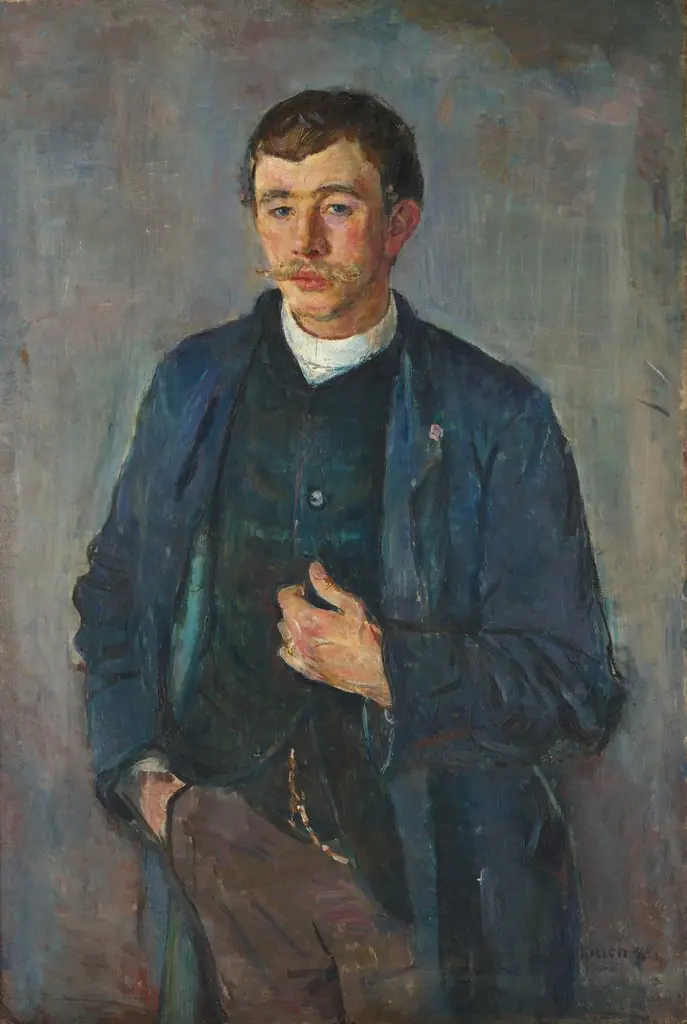
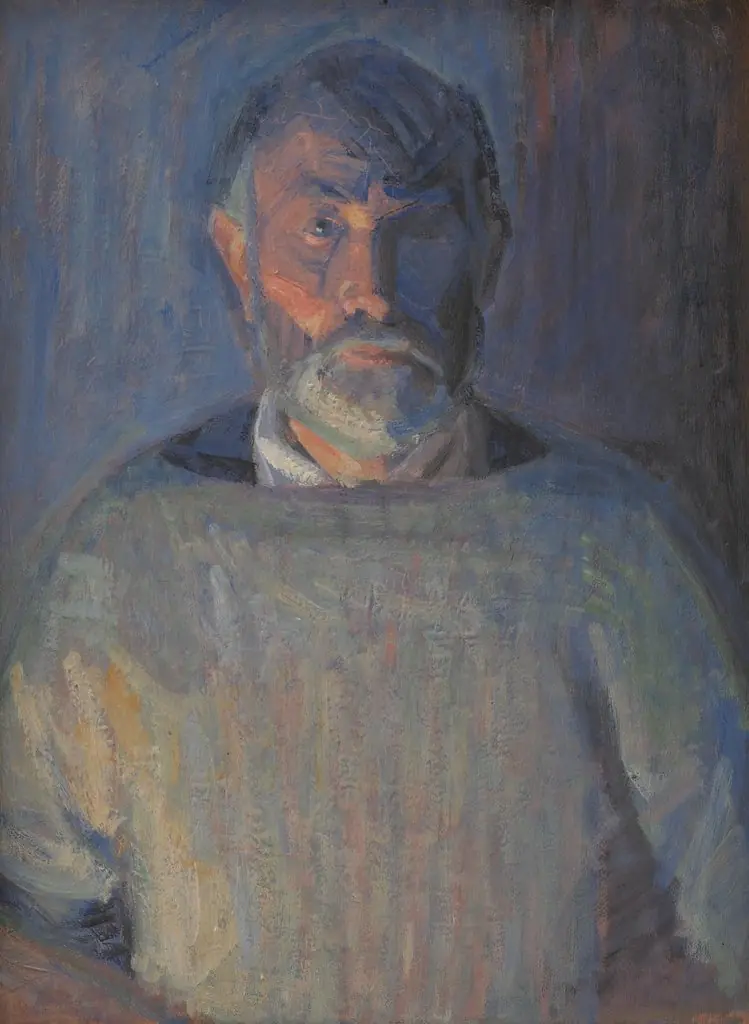
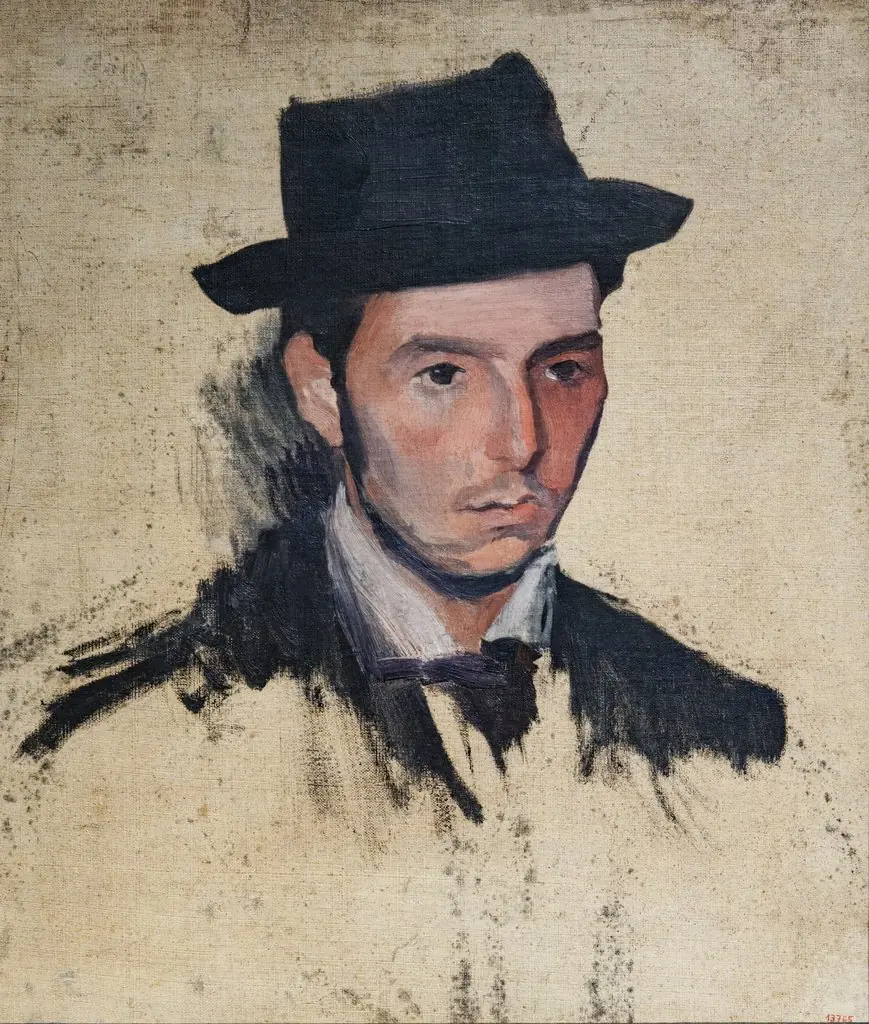
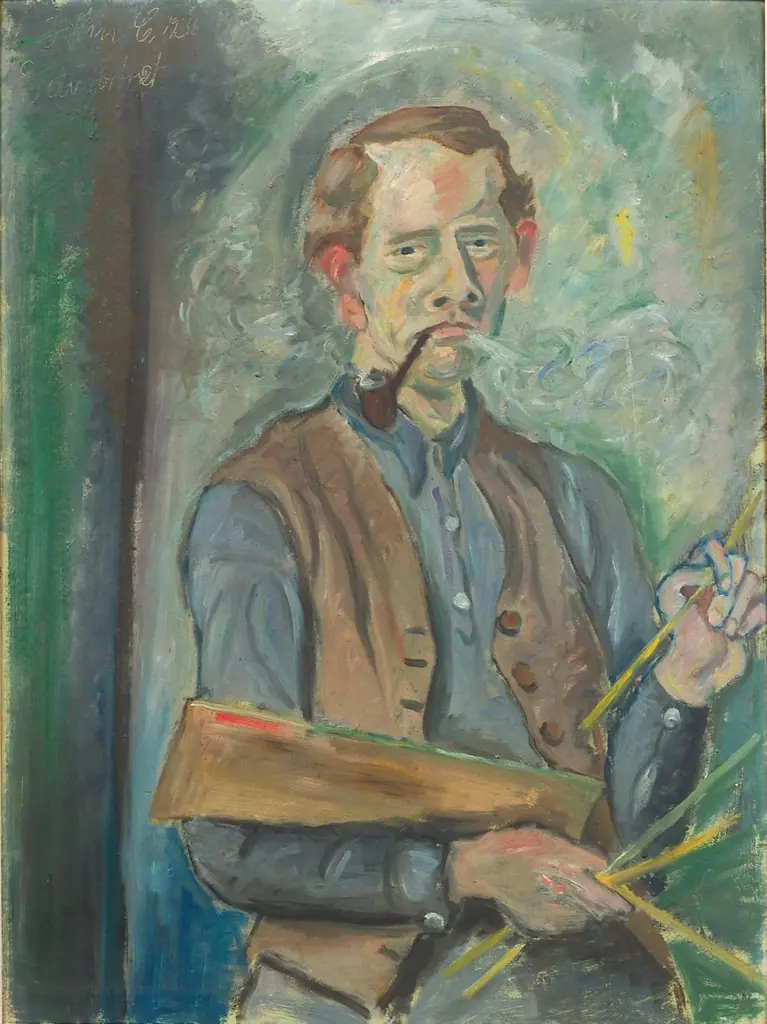
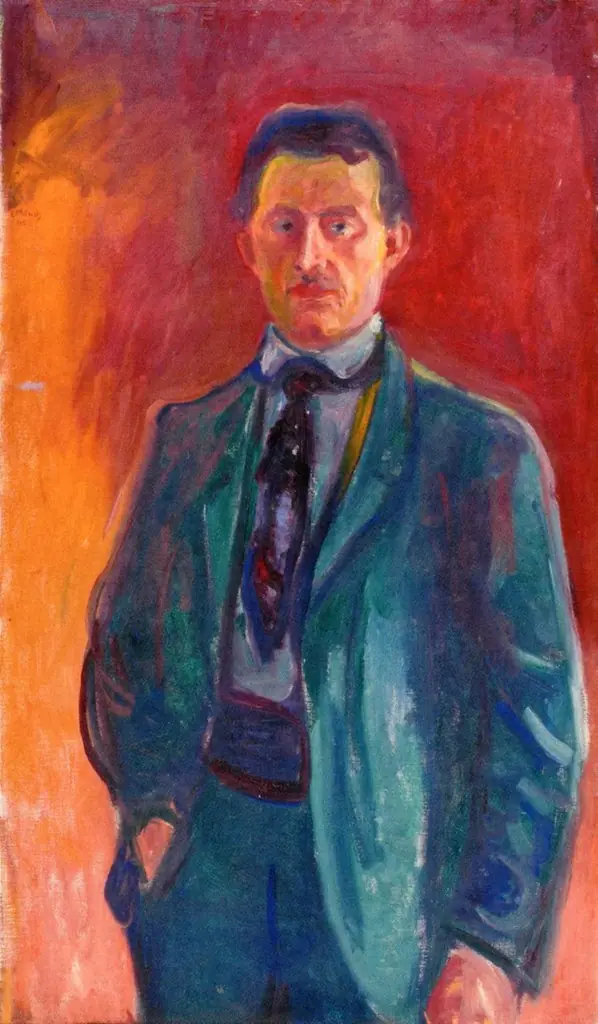
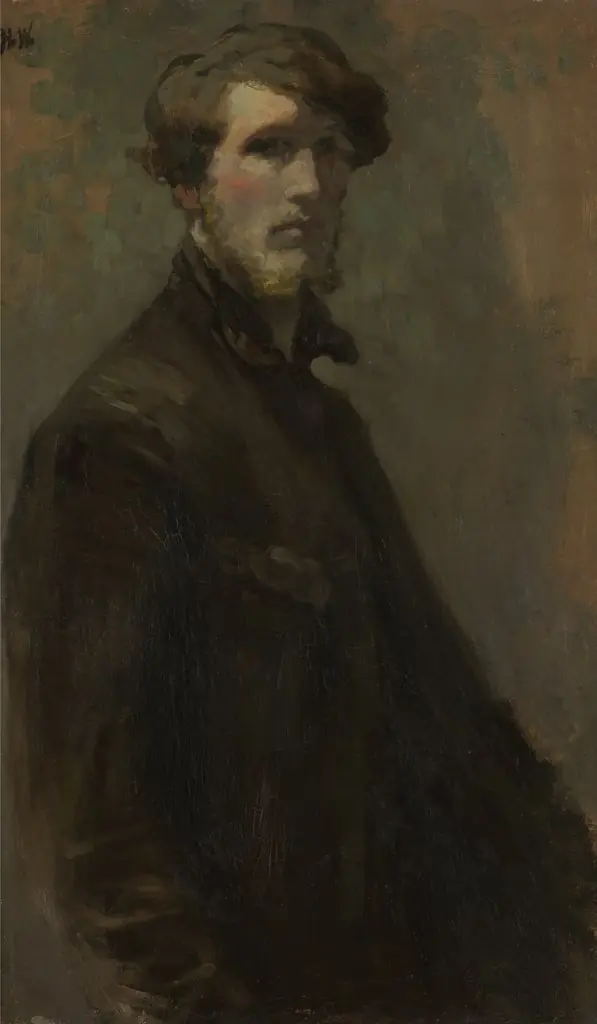
Self-Portrait is an unspecified painting by the Post-Impressionist artist Unknown. It dates from 1907 and is held in the collection of the Statens Museum for Kunst.
About this work
Overview
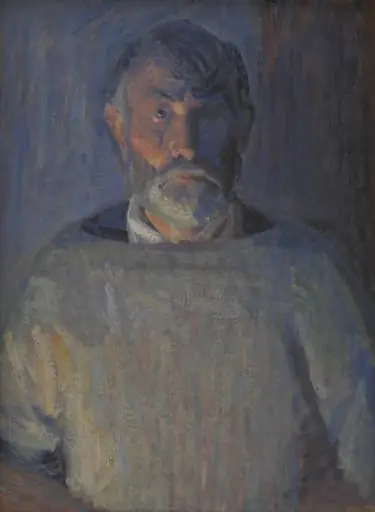
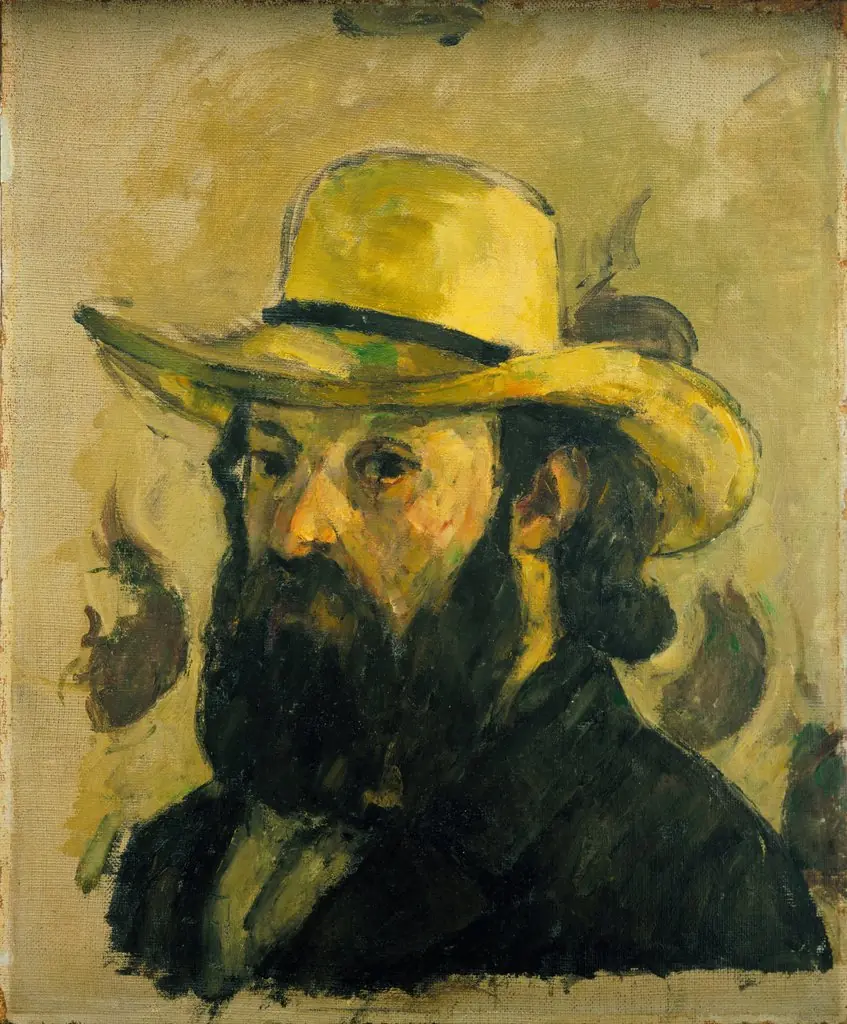
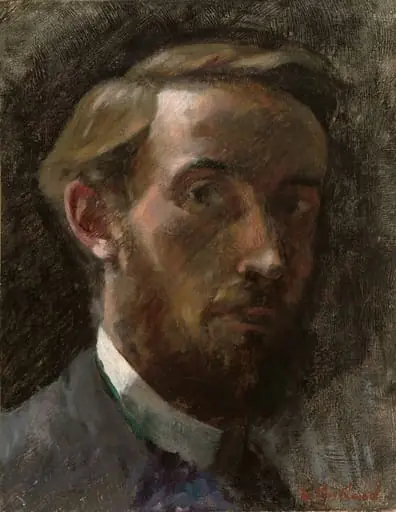
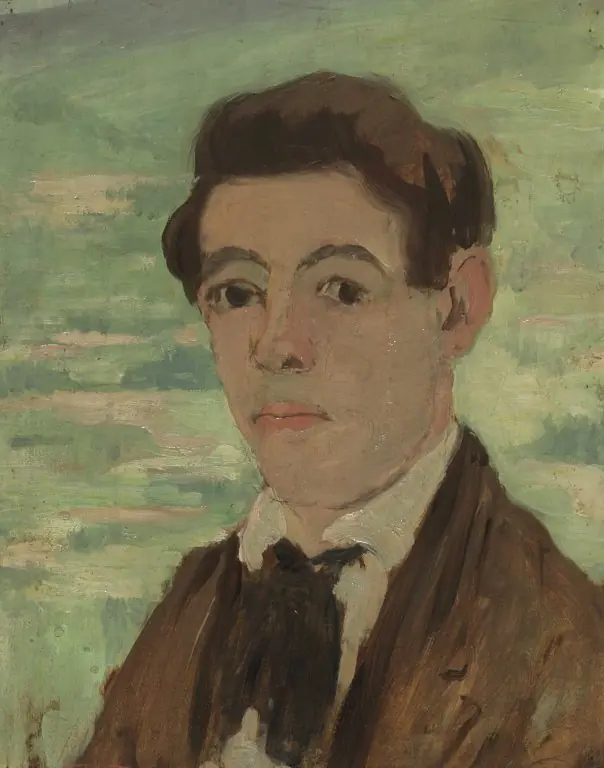
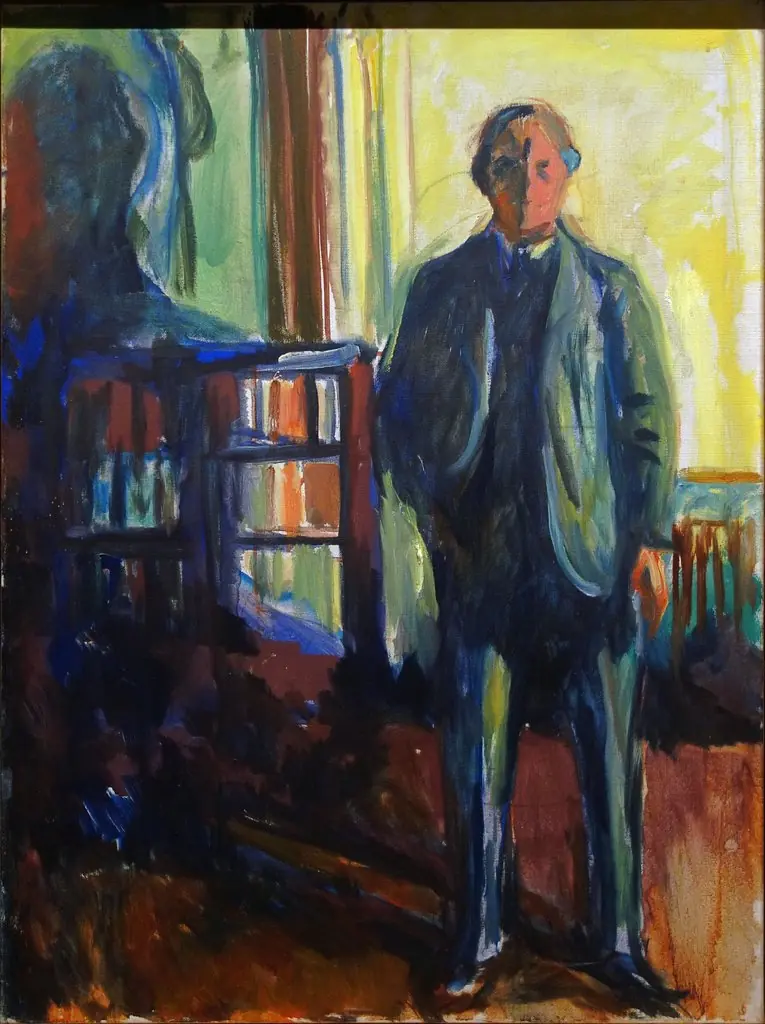
This self-portrait, painted in 1907, depicts the artist as a middle-aged man with dark hair and a mustache. Rendered in oil, it is held in the collection of the Museum of Ethnography. The composition is intimate and restrained, focusing on the face and upper torso against a muted blue-grey background. The work reflects a personal moment of stillness rather than public presentation.
Subject & Meaning
The subject gazes downward with a neutral expression, suggesting introspection rather than engagement with the viewer. The absence of symbolic objects or elaborate setting directs attention to the psychological presence of the artist. The quiet demeanor and unadorned attire imply a deliberate rejection of theatricality, emphasizing inner reflection over external identity.
Technique & Style
The face is executed with loose, textured brushwork, applying paint thickly in places to create a tactile surface.
The face is executed with loose, textured brushwork, applying paint thickly in places to create a tactile surface. Visible strokes and layered pigments give the skin a sense of volume and lived experience. The background remains flat and cool, contrasting with the warmer, more dynamic rendering of the figure. This approach aligns with expressive realism, prioritizing emotional resonance over polished detail.
History & Provenance
The painting entered the Museum of Ethnography’s collection shortly after its creation, likely through direct acquisition or donation by the artist or a close associate. Its placement in an ethnographic institution, rather than a fine arts museum, suggests an early interest in the work as a cultural artifact of individual identity, not merely aesthetic output.
Context
Created during a period when many artists were exploring psychological depth through portraiture, this work aligns with broader trends in early 20th-century European art. Yet its modest scale and lack of overt modernist experimentation distinguish it from contemporaneous avant-garde movements. It reflects a quieter, more personal response to the era’s shifting notions of selfhood.
Legacy
Though not widely exhibited outside its home institution, the portrait remains a significant example of introspective self-representation in early modern art. Its emphasis on texture and emotional restraint has influenced later artists interested in non-idealized portrayals of identity. The work continues to be studied for its subtle interplay of technique and psychological nuance.
Artist & collection

 Domestic Scene
 Giacomo and Cardinal Marco, investing Andrea, Abbot of San Zeno, with his Benefice
 The Nymph of Fontainebleau
 Portrait of a Woman
 Madonna and Child with Saints in the Enclosed Garden
 Venus and Minerva
 Family Group of Four on Sofa
 Wall painting from Room H of the Villa of P. Fannius Synistor at Boscoreale