Artwork
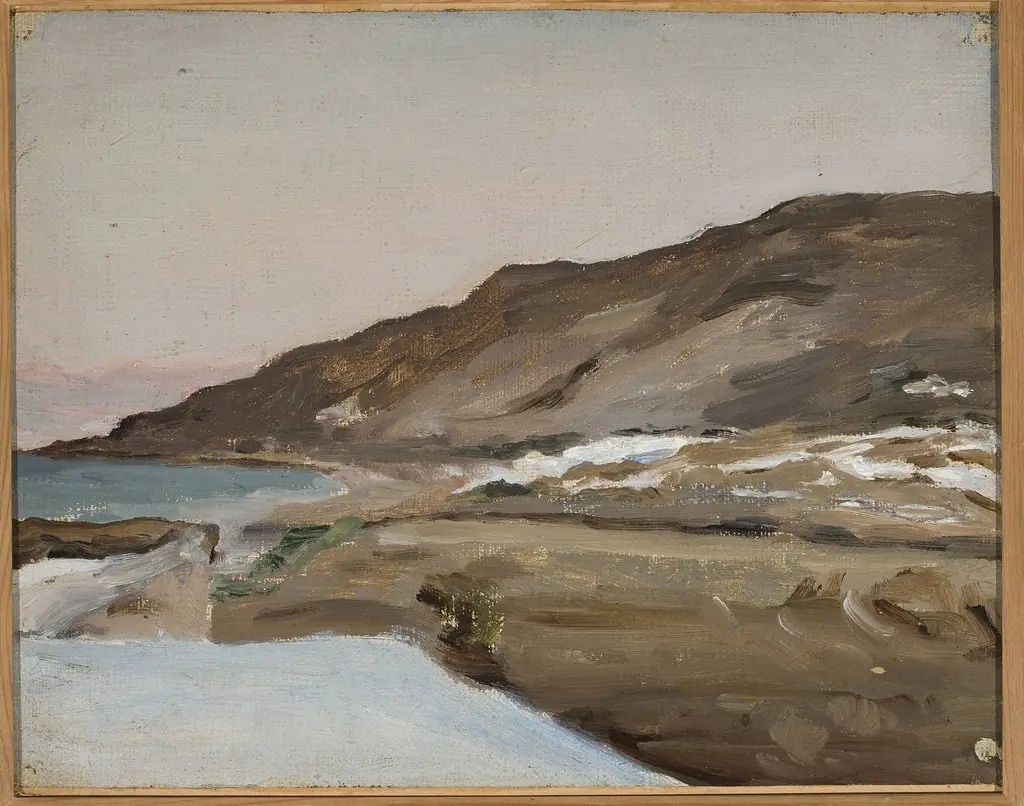
Rocks, L'Estaque
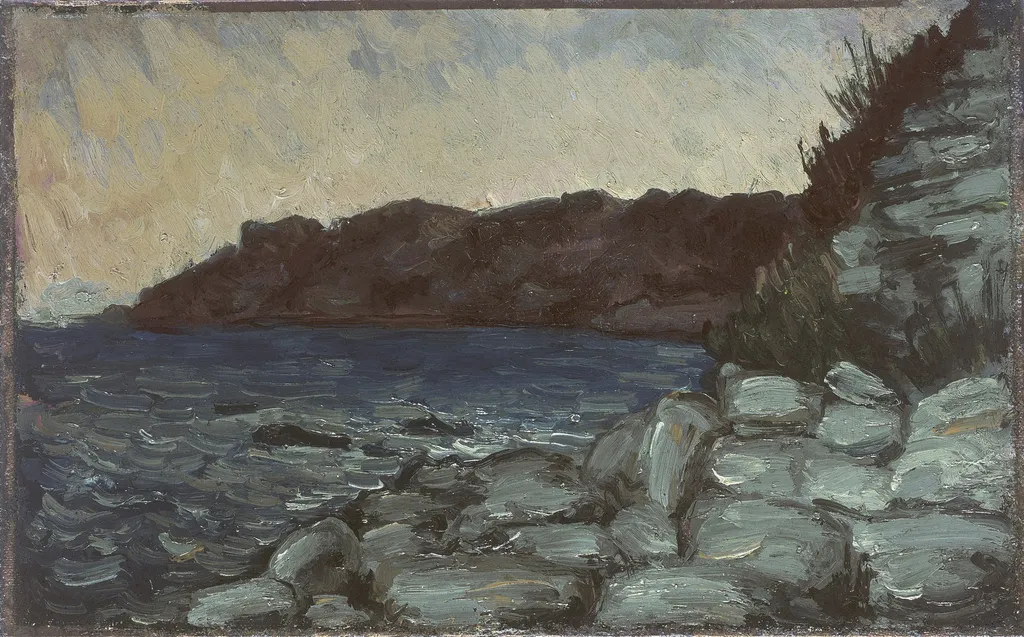
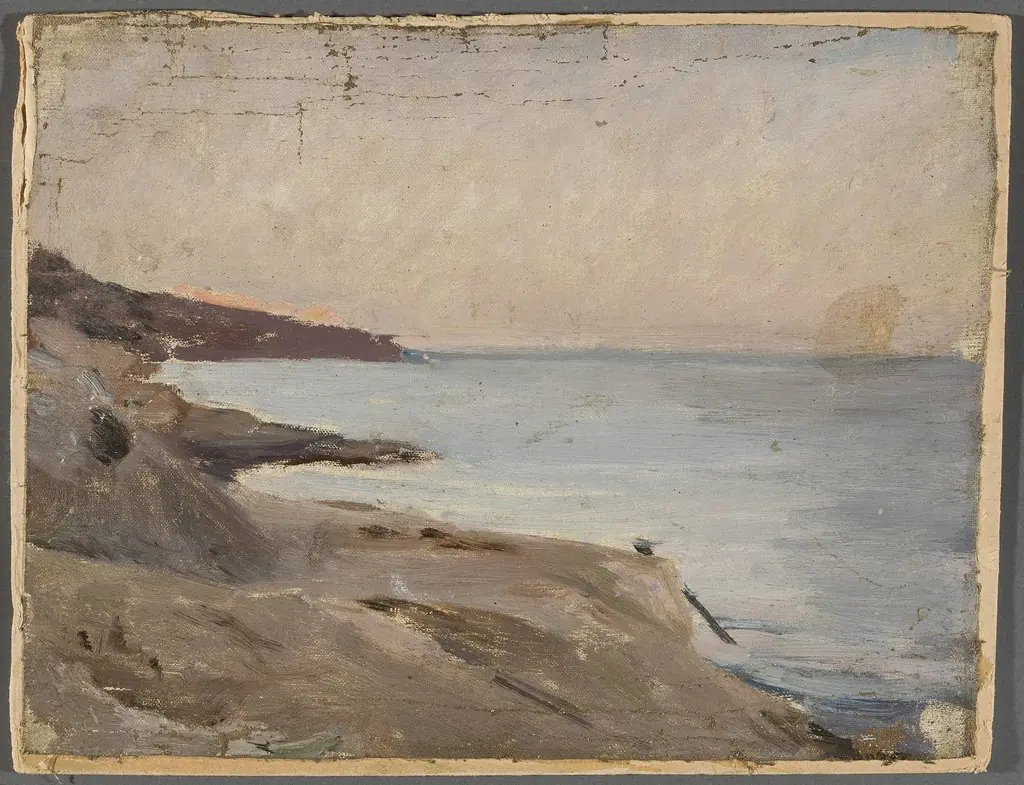
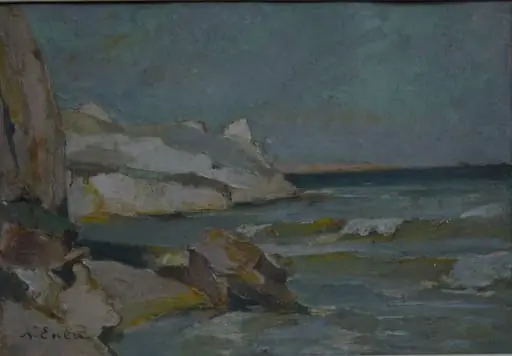
Rocks, L'Estaque is an oil painting by the Realist artist Paul Cezanne. It dates from 1865 and is held in the collection of the Israel Museum.
About this work
Overview
Painted in 1865, *Rocks, L'Estaque* is an early oil work by Paul Cézanne, created during his formative years as an artist. It captures a coastal landscape near the village of L'Estaque in southern France. The piece predates his mature Post-Impressionist style and reflects his initial efforts to translate natural forms into painted composition, grounded in the observational practices of Realism.
Subject & Meaning
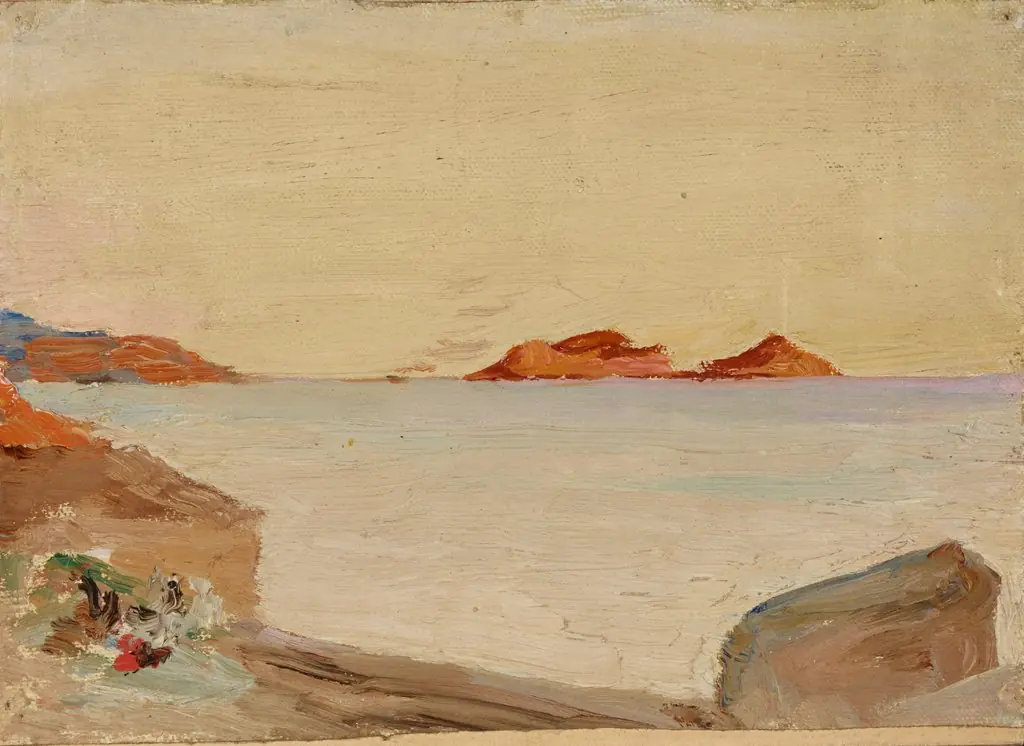
The painting presents a quiet, unidealized stretch of rocky shore meeting the sea. There is no human presence or narrative; the focus lies in the interaction of land, water, and sky. The subdued tones and indistinct horizons suggest a contemplative mood, emphasizing the enduring, elemental quality of the landscape rather than its picturesque appeal.
Technique & Style
Cézanne applied oil paint with loose, directional brushwork that conveys texture without detailed definition. The rocks and water are rendered in overlapping washes of gray, blue, and earth tones, creating a sense of atmospheric unity. Forms are suggested rather than outlined, and light is modeled through tonal shifts rather than sharp contrasts, hinting at later explorations of structure.
History & Provenance
Created during Cézanne’s early period in Provence, the painting emerged from his time spent sketching and painting outdoors near L'Estaque. It remained in private hands for much of its history, with limited public exposure until the 20th century. Its survival offers insight into the artist’s transition from academic training toward a more personal visual language.
Context
In the mid-1860s, French landscape painting was dominated by Realist and Barbizon traditions, which valued direct observation. Cézanne, influenced by these currents, sought to capture nature’s essence without romanticizing it. Yet his handling of form and color already diverged from his contemporaries, laying groundwork for the structural innovations he would develop in later decades.
Legacy
Though not widely recognized at the time, *Rocks, L'Estaque* exemplifies the quiet evolution of Cézanne’s vision. Its emphasis on geometric underpinnings and tonal harmony anticipated his mature approach, influencing later artists who sought to deconstruct natural forms. The work stands as a quiet precursor to the radical rethinking of space and perception that defined modern painting.
Artist & collection
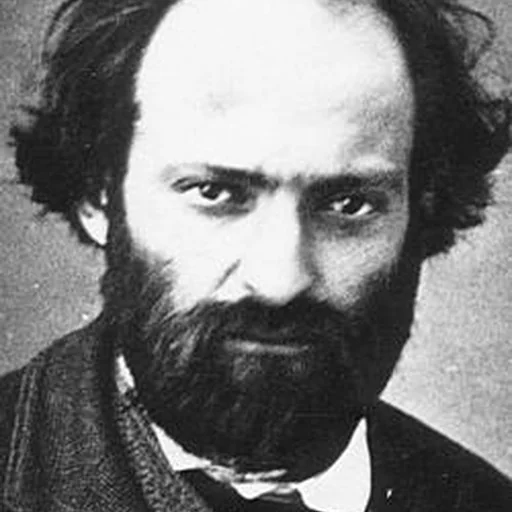
Artist
Paul Cézanne was born on January 19, 1839, in Aix-en-Provence, the son of a hatter turned wealthy banker.

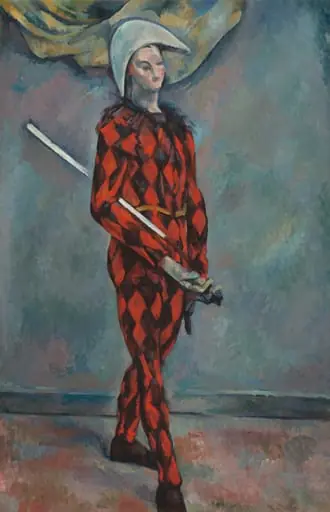 Harlequin
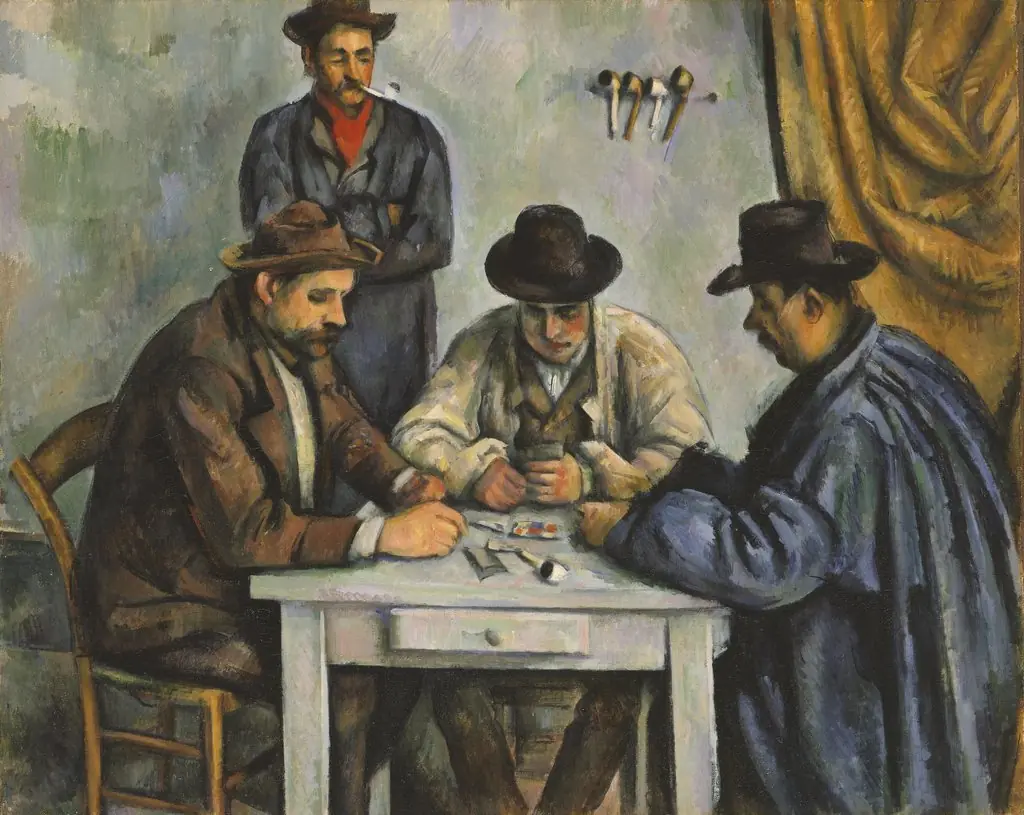 The Card Players
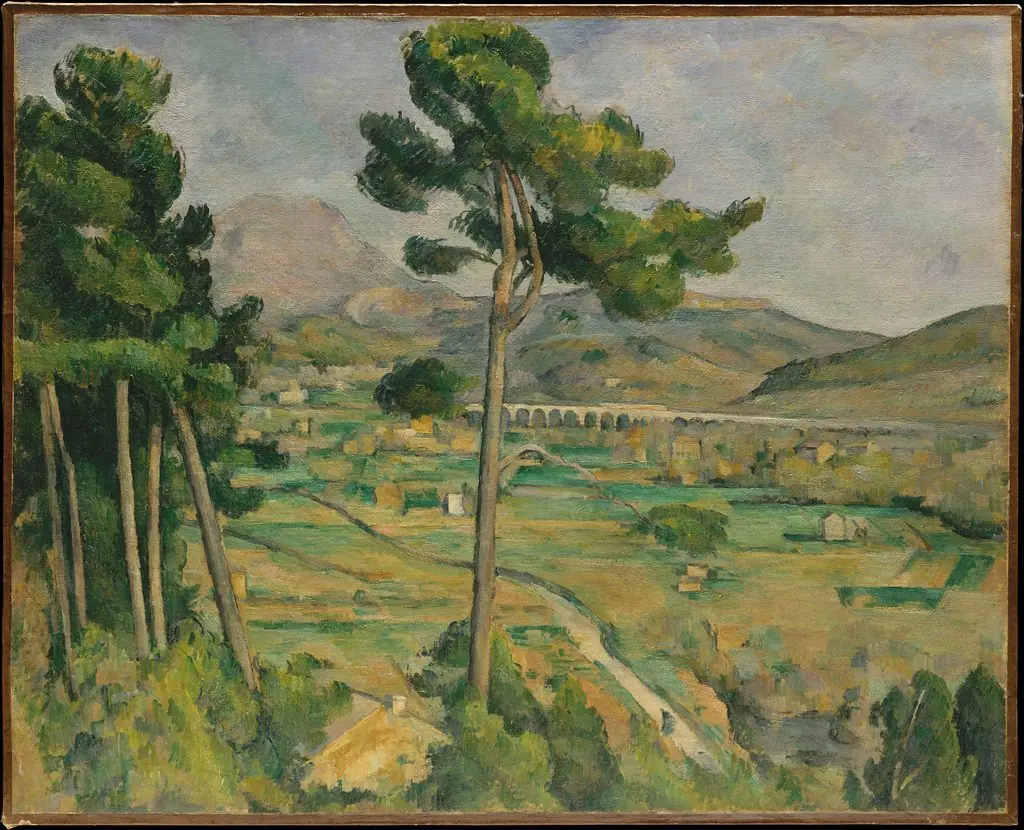 Mont Sainte-Victoire and the Viaduct of the Arc River Valley
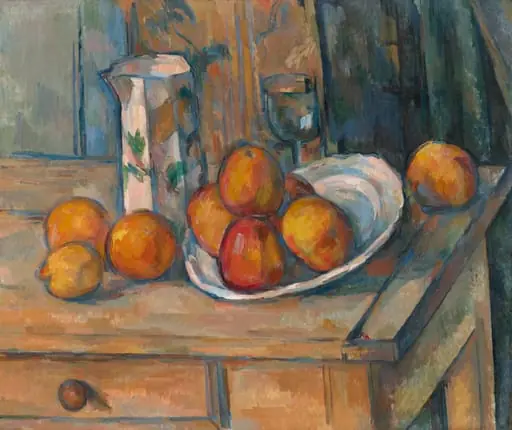 Still Life with Milk Jug and Fruit
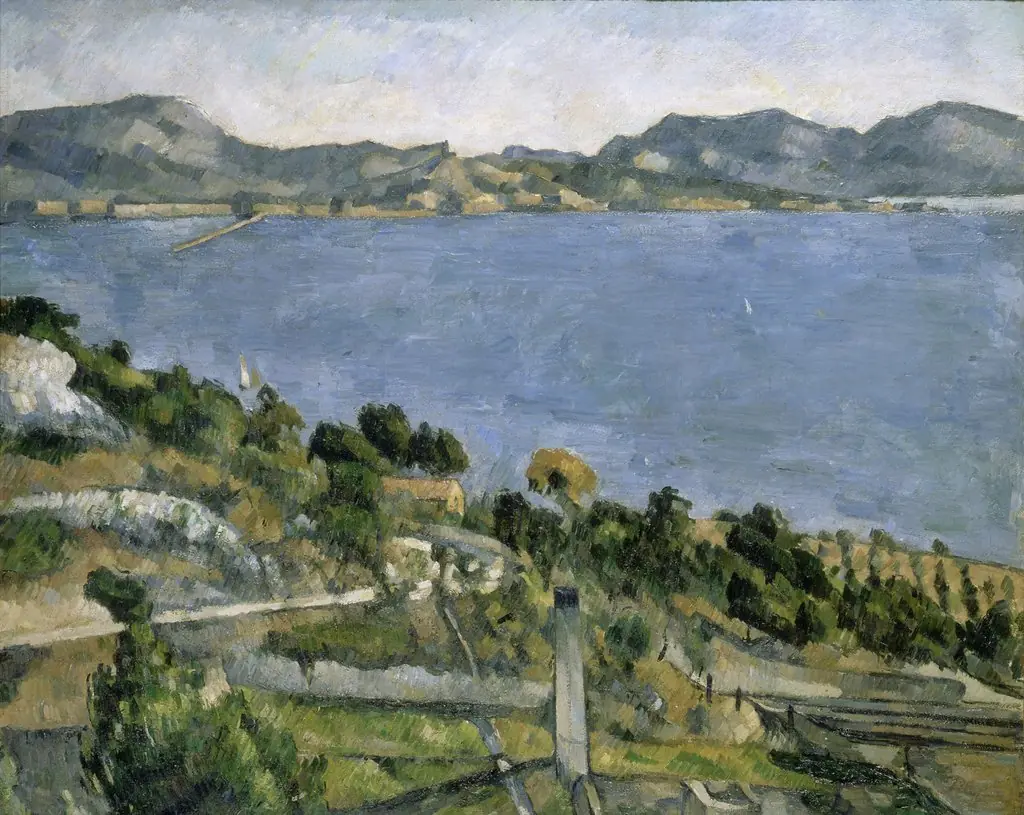 Le Golfe de Marseille vu de l'Estaque (The Gulf of Marseille Seen from L'Estaque)
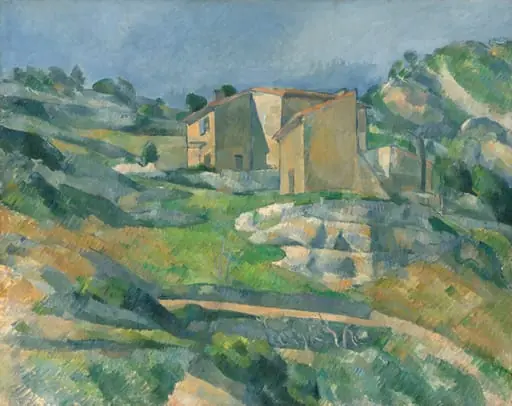 Houses in Provence: The Riaux Valley near L'Estaque
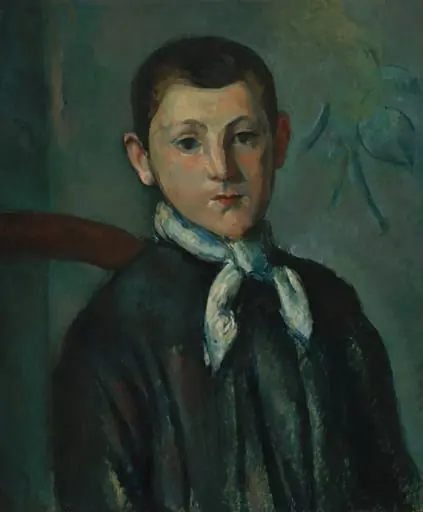 Louis Guillaume
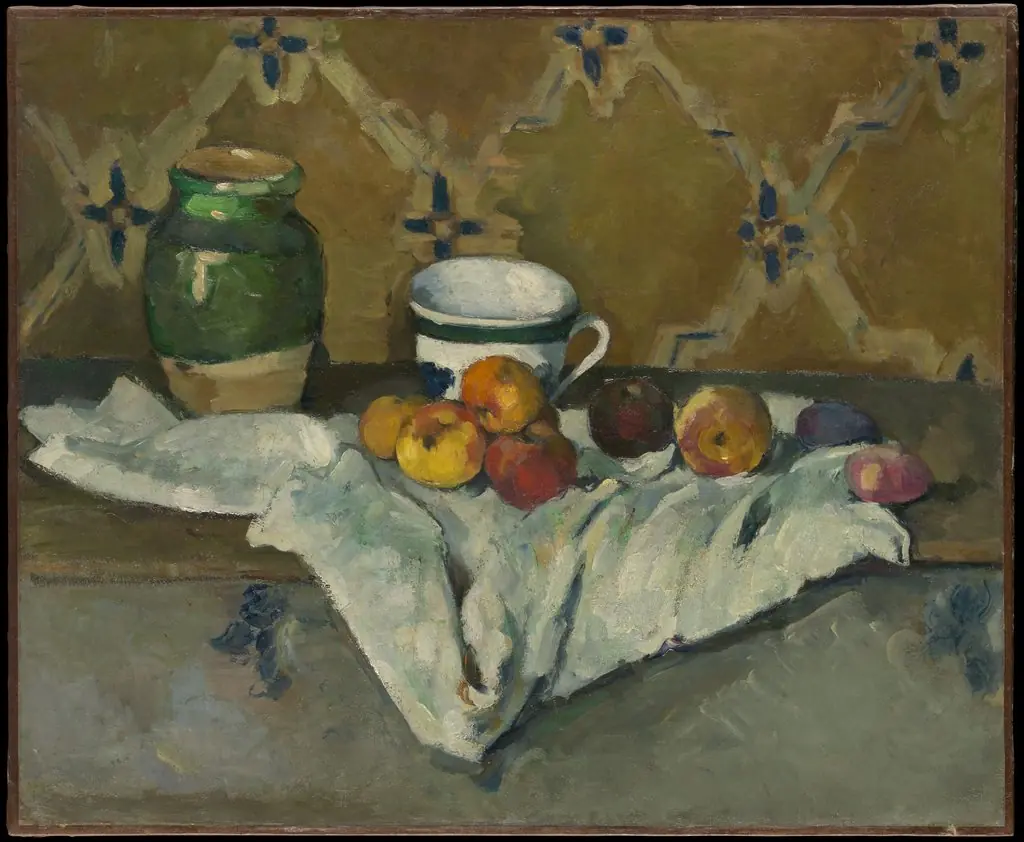 Still Life with Jar, Cup, and Apples