Artwork
Still Life with Apples
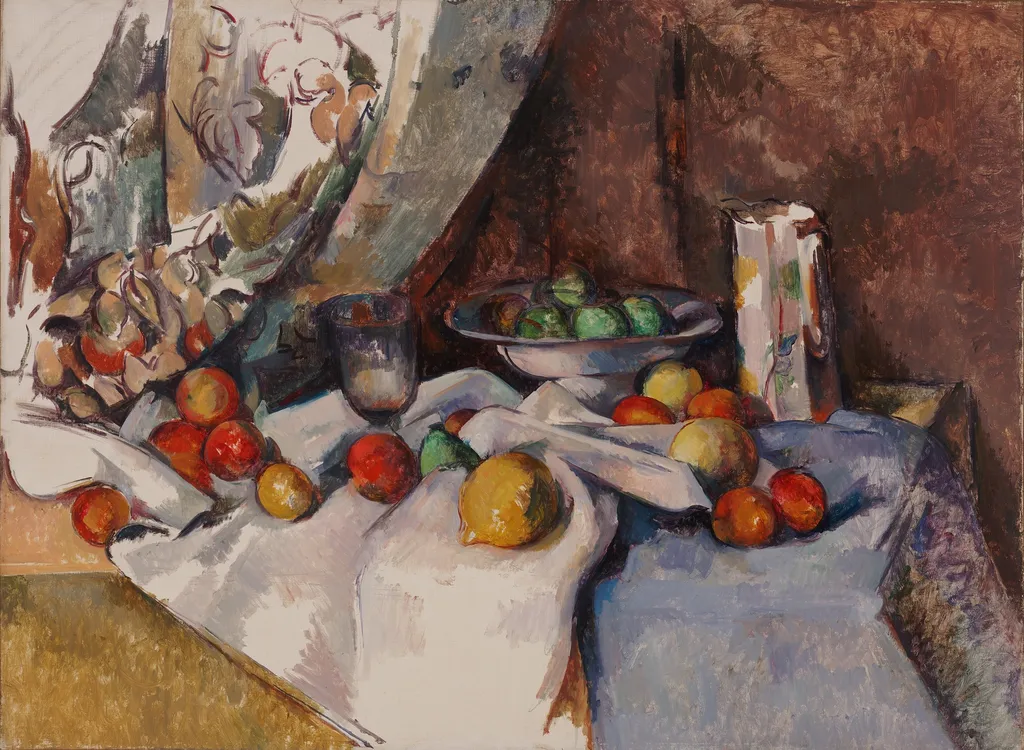
Still Life with Apples is an oil painting by the Post-Impressionist artist Paul Cezanne. It dates from 1898 and is held in the collection of the Museum of Modern Art.
About this work
Overview
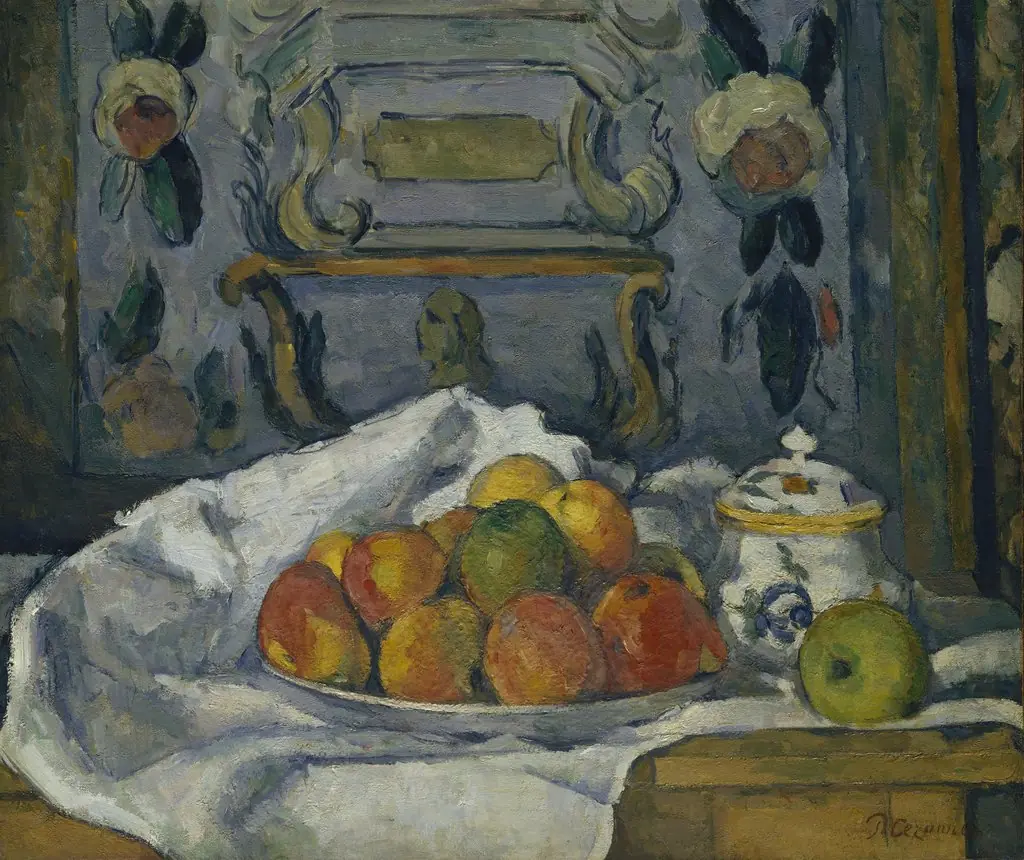
Created in 1898, *Still Life with Apples* is an oil painting on canvas that belongs to the still‑life tradition. Executed during the later phase of the Post‑Impressionist era, the work presents a modest tabletop scene that includes apples, a pitcher, a bowl and a draped cloth against a muted brown wall.
Subject & Meaning
The composition centers on a group of apples rendered in red, green and yellow tones, arranged on a white cloth. Accompanying objects—a white pitcher and a shallow bowl—provide a quiet counterpoint, inviting contemplation of ordinary domestic items as subjects worthy of careful visual study.
Technique & Style
Cézanne employs layered brushstrokes that build up surface texture and suggest shifting viewpoints within a single picture plane. The treatment of form emphasizes underlying geometry, with the apples and vessels constructed from simplified planes that convey a sense of spatial depth without relying on strict linear perspective.
History & Provenance
The painting was produced in the final decade of Cézanne’s career, a period marked by his exploration of structural composition. It entered private collections shortly after its completion and later passed through several European dealers before being acquired by a public museum in the mid‑20th century.
Context
*Still Life with Apples* illustrates the artist’s role as a bridge between Impressionism’s focus on light and the emerging Cubist interest in geometric abstraction. Its method of dissecting everyday objects into basic shapes influenced subsequent generations of modern painters who sought to reconcile perception with form.
Own this work as a print
Artist & collection
Artist
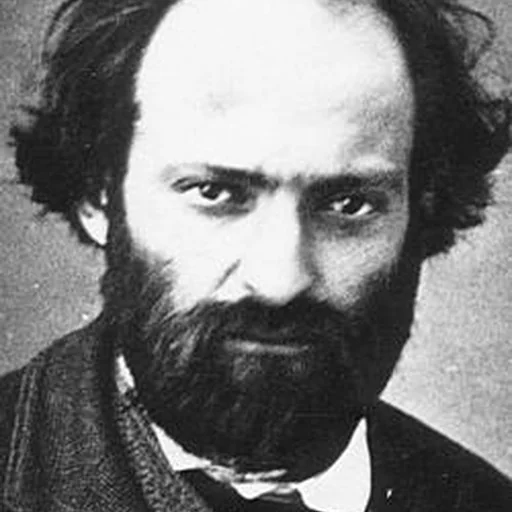
Paul Cézanne was born on January 19, 1839, in Aix-en-Provence, the son of a hatter turned wealthy banker.

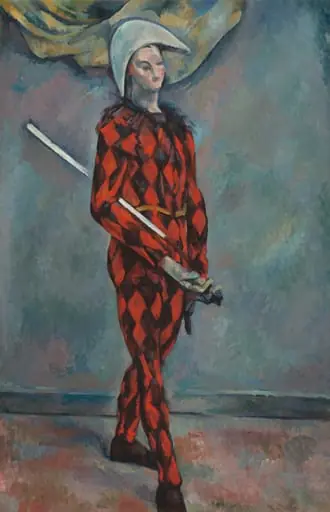 Harlequin
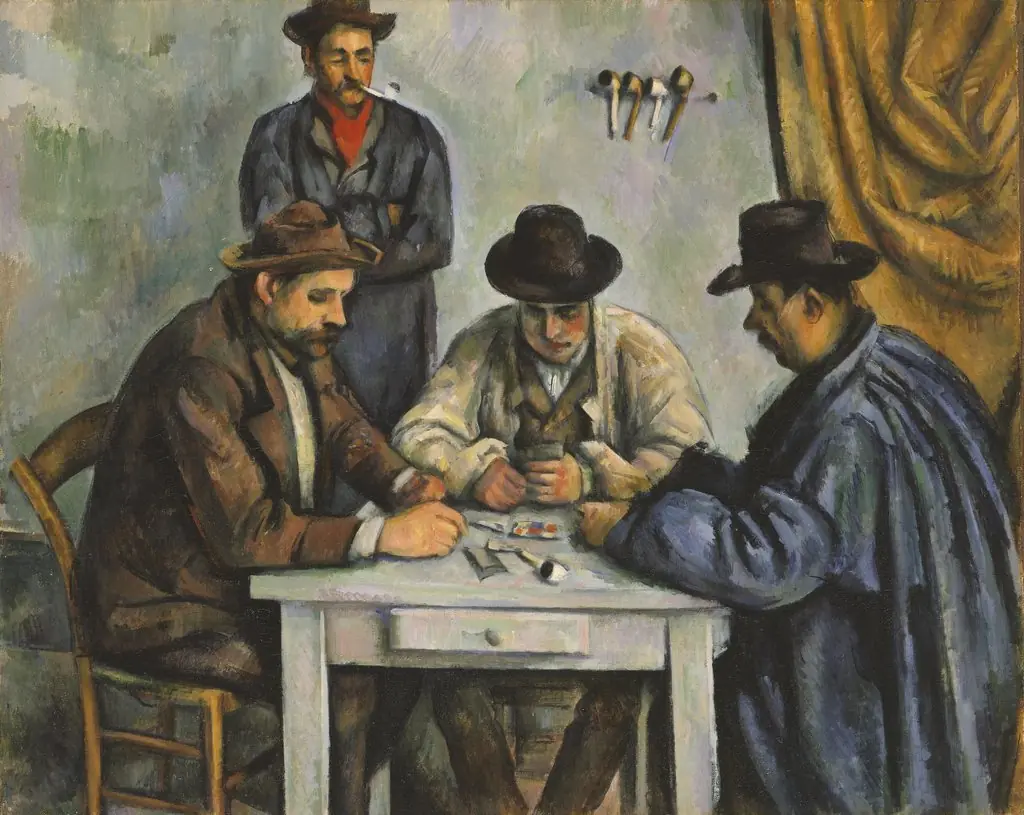 The Card Players
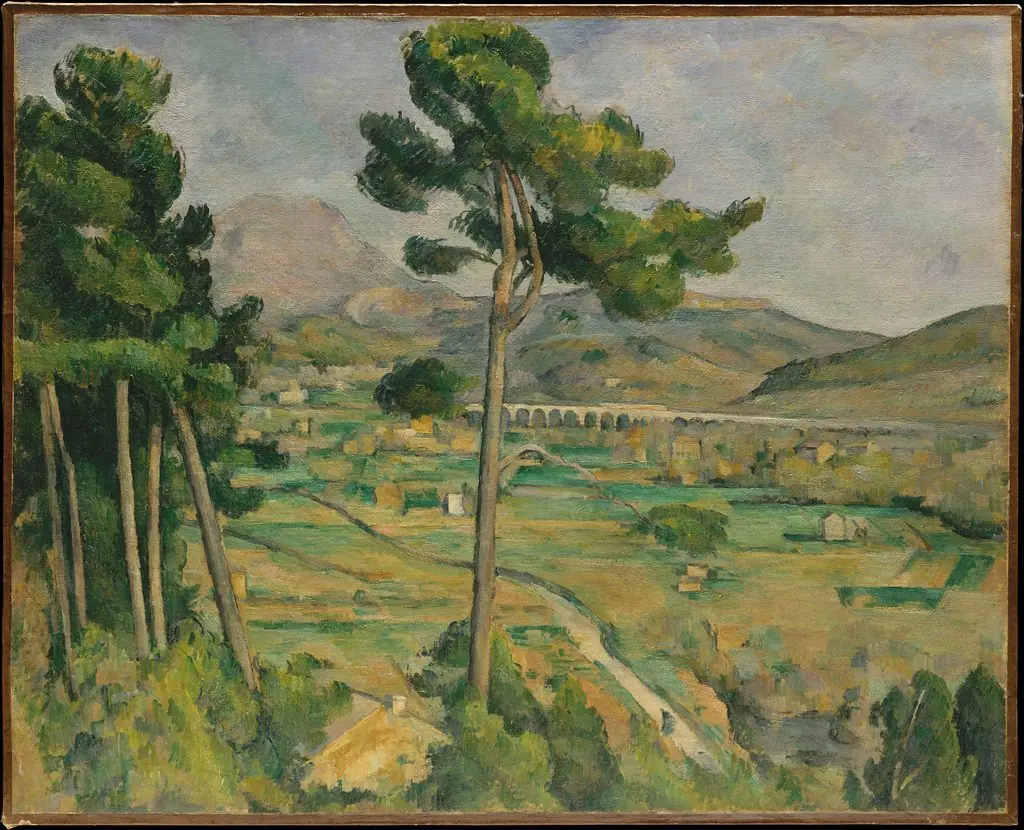 Mont Sainte-Victoire and the Viaduct of the Arc River Valley
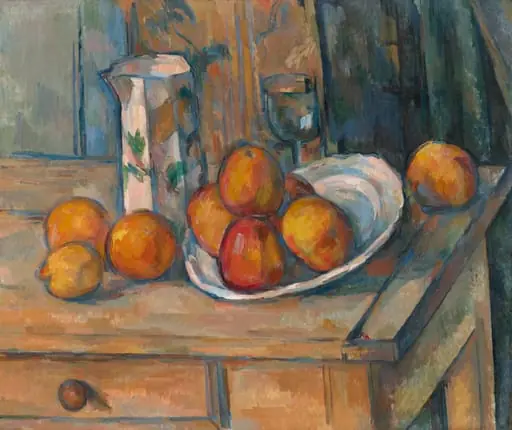 Still Life with Milk Jug and Fruit
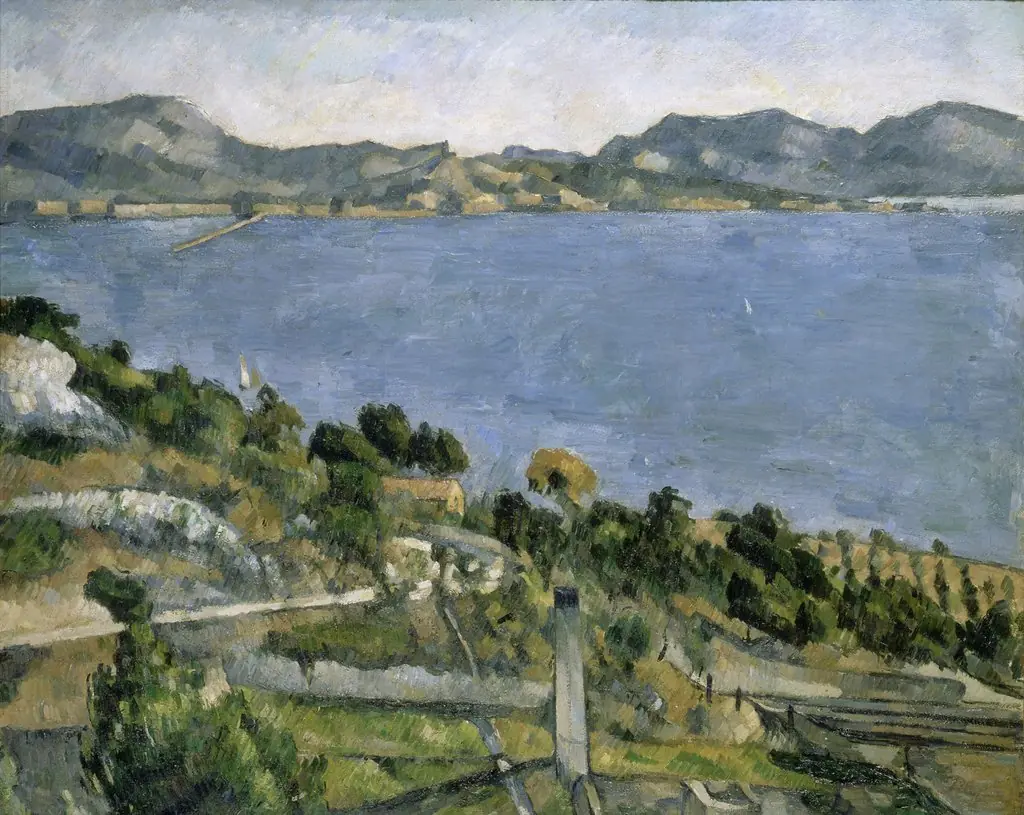 Le Golfe de Marseille vu de l'Estaque (The Gulf of Marseille Seen from L'Estaque)
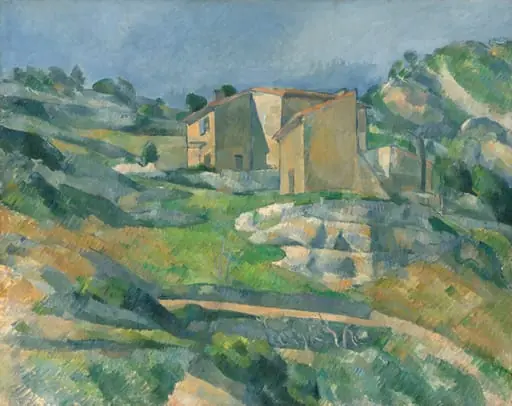 Houses in Provence: The Riaux Valley near L'Estaque
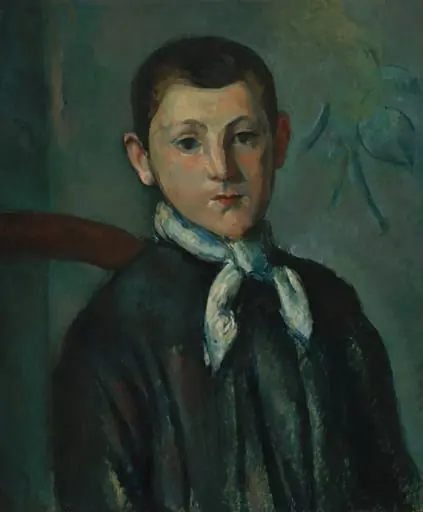 Louis Guillaume
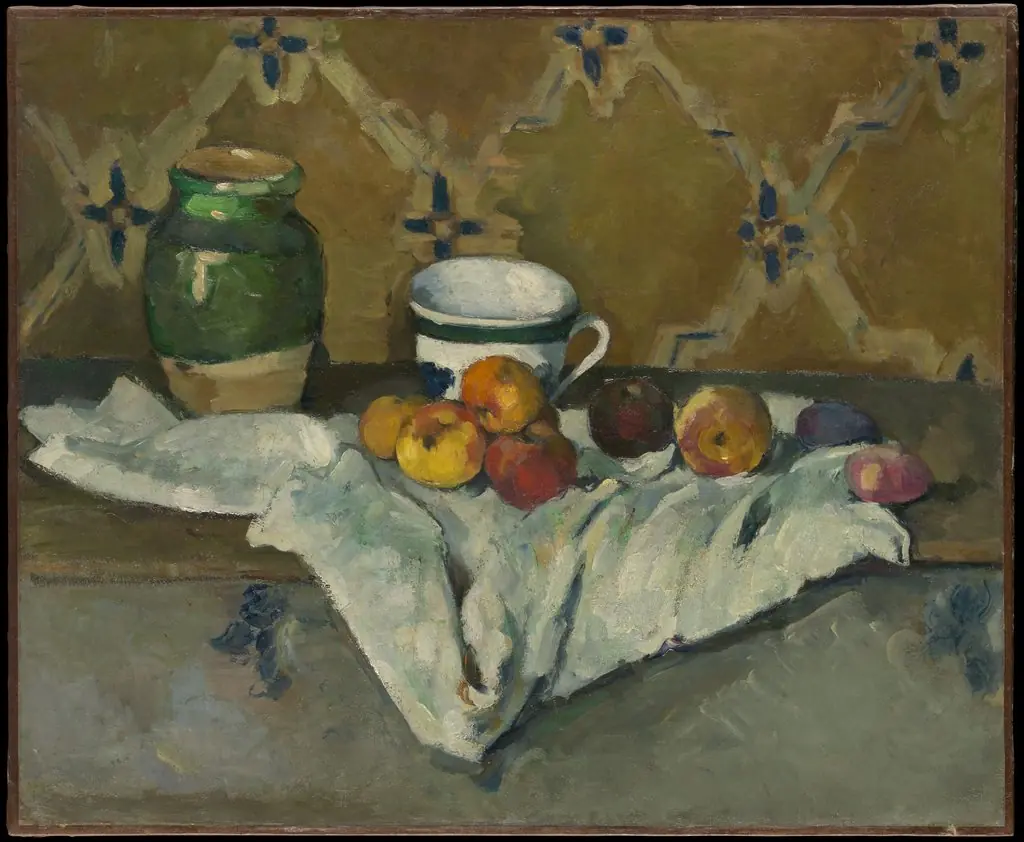 Still Life with Jar, Cup, and Apples