Artwork
The Road Bridge at L'Estaque
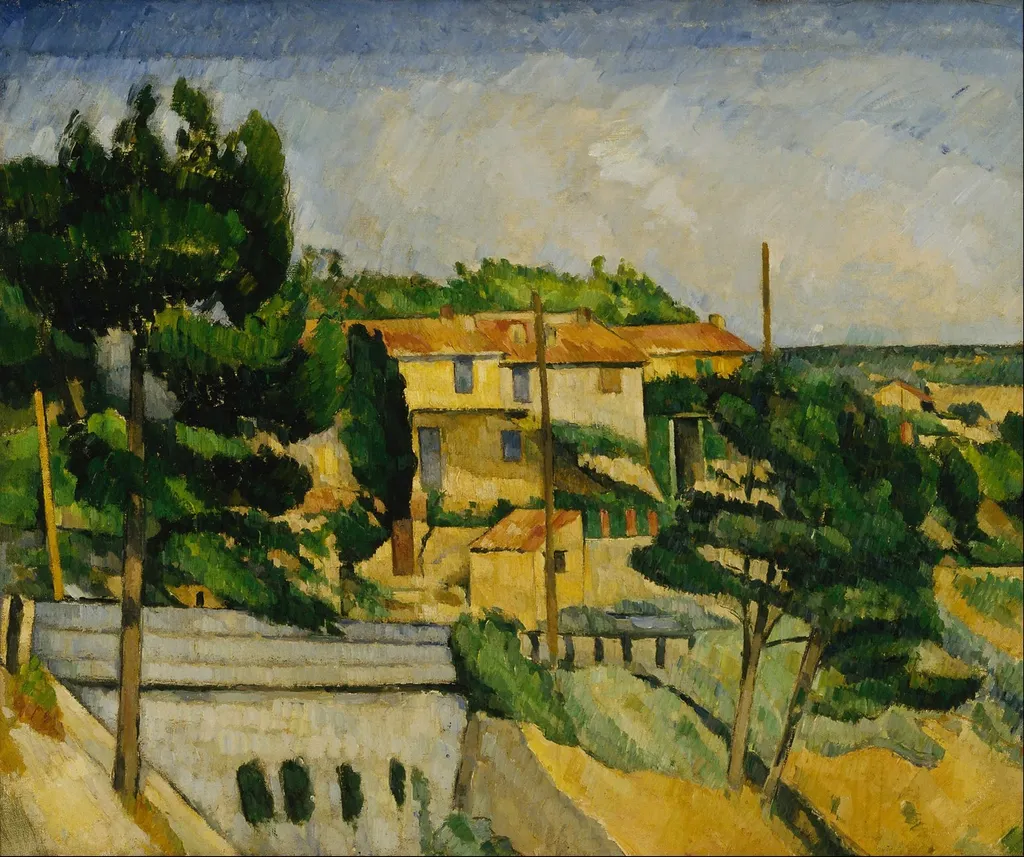
The Road Bridge at L'Estaque is an oil painting by the Post-Impressionist artist Paul Cezanne. It dates from 1892 and is held in the collection of the Finnish National Gallery.
About this work
Overview
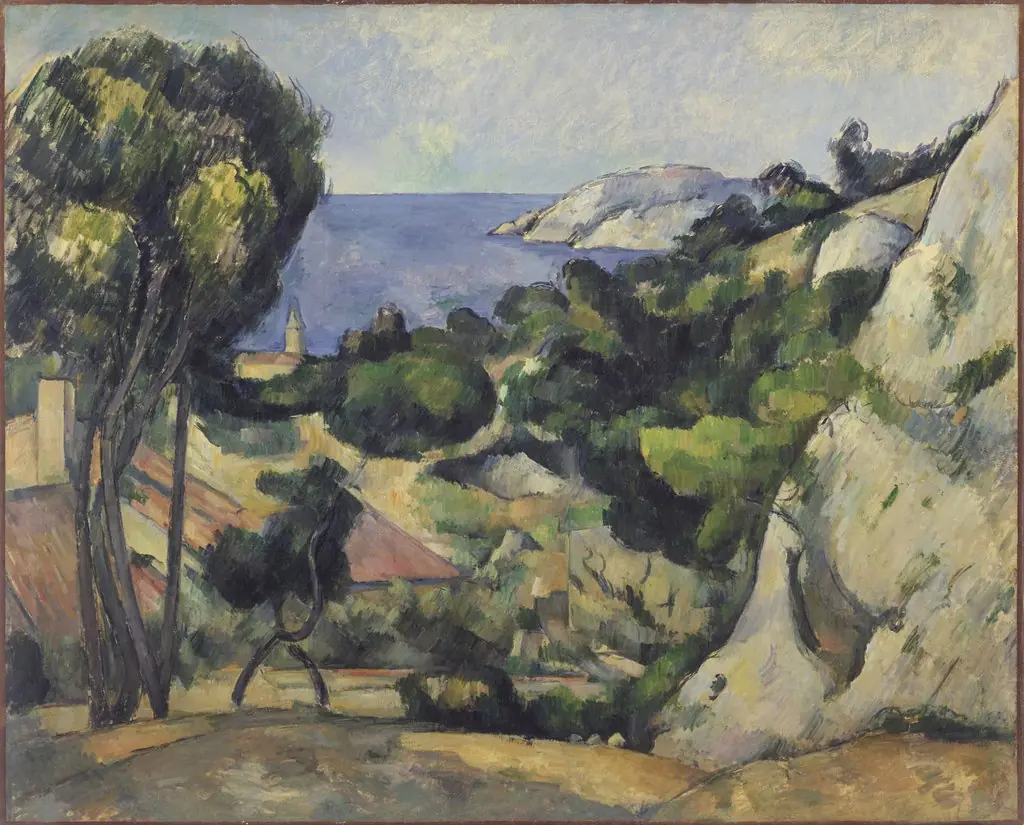
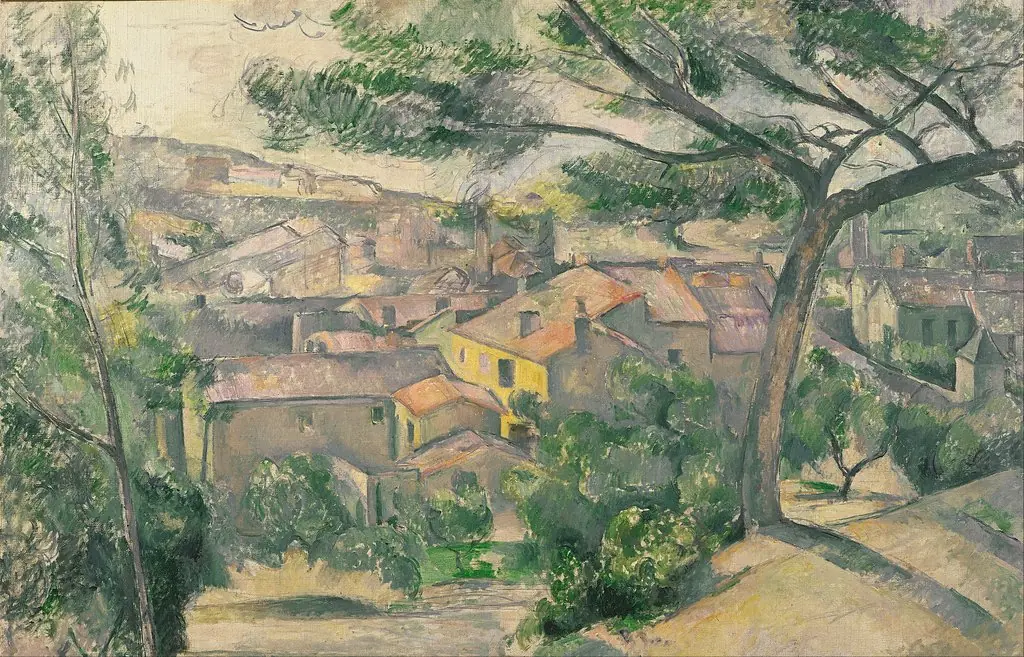
The Road Bridge at L'Estaque is an 1892 oil painting by Paul Cézanne, capturing a serene landscape with a stone bridge, river, trees, and buildings. Characterized by geometric forms and bold, expressive brushwork, the piece embodies Cézanne's post-Impressionist approach.
Subject & Meaning
The painting depicts a everyday landscape, focusing on the intersection of natural and man-made elements. The composition conveys a sense of calm, achieved through muted greens and browns, and the geometric simplification of forms.
Technique & Style
Cézanne's post-Impressionist style is evident in the emphasis on geometric shapes, bold brushstrokes, and a subdued color palette. This technique marked a departure from Romantic and Realist traditions, paving the way for future avant-garde movements.
History & Provenance
Created in 1892, the painting is now part of the Ateneum collection. As a work from Cézanne's later period, it showcases his evolving compositional and chromatic innovations.
Context
Within the broader art historical context, The Road Bridge at L'Estaque reflects Cézanne's influence on the development of early 20th-century art, notably Cubism, due to its geometric and compositional experimentation.
Legacy
This work contributes to Cézanne's legacy as a pivotal figure in the transition from 19th-century art movements to the avant-garde of the 20th century, inspiring subsequent artistic innovations.
Own this work as a print
Artist & collection
Artist
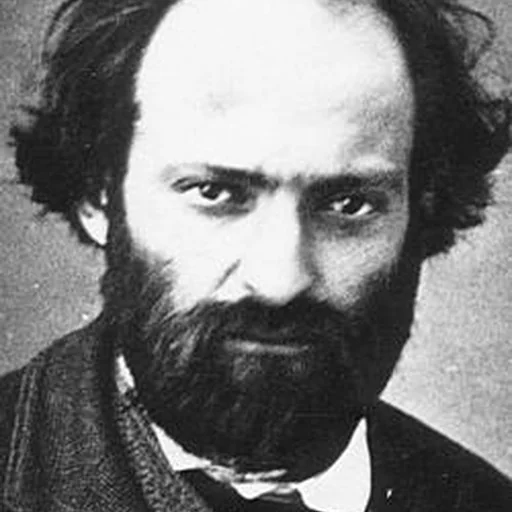
Paul Cézanne was born on January 19, 1839, in Aix-en-Provence, the son of a hatter turned wealthy banker.

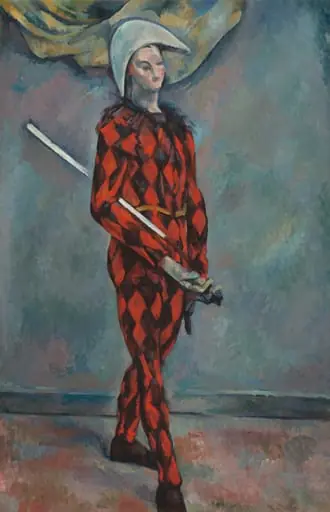 Harlequin
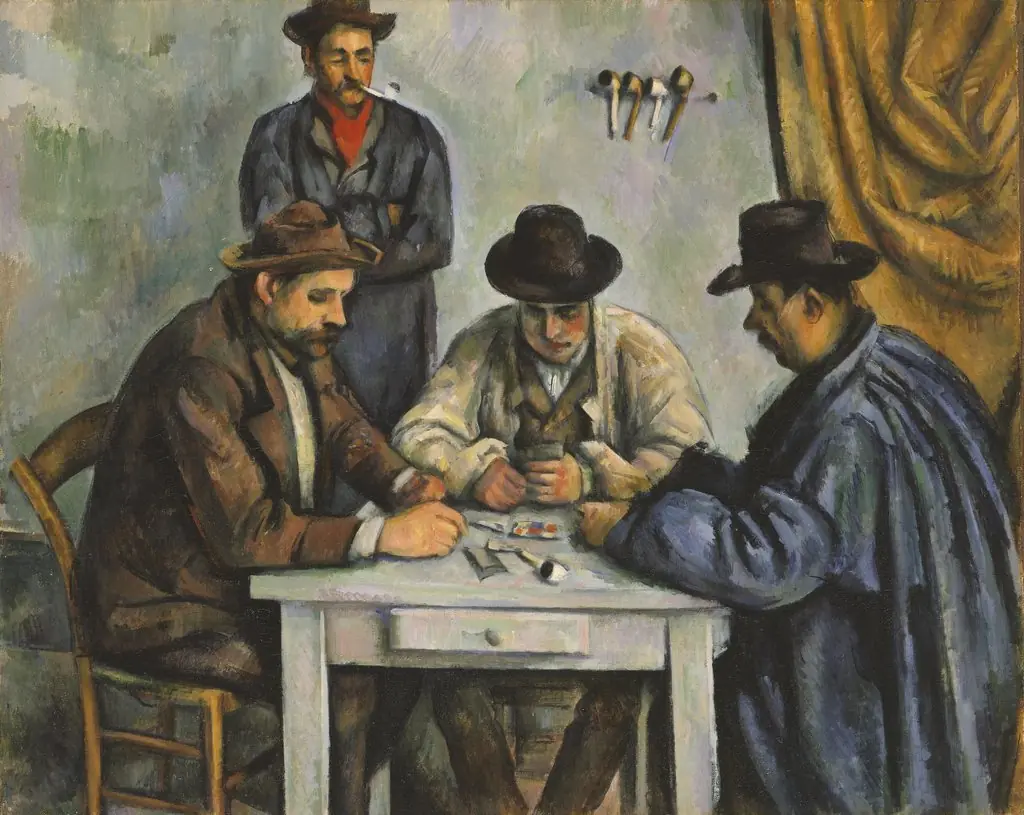 The Card Players
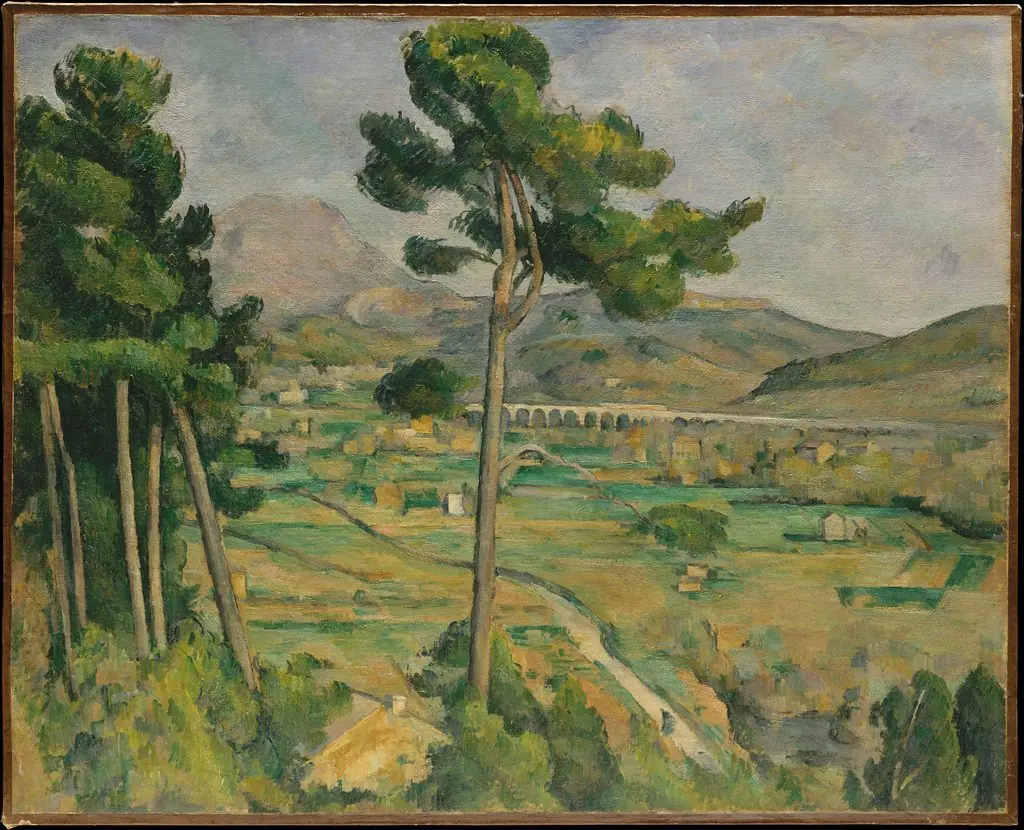 Mont Sainte-Victoire and the Viaduct of the Arc River Valley
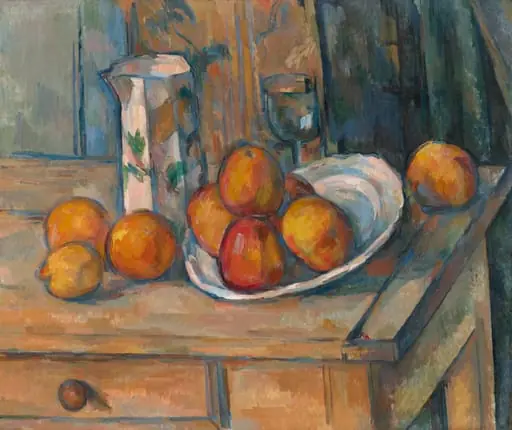 Still Life with Milk Jug and Fruit
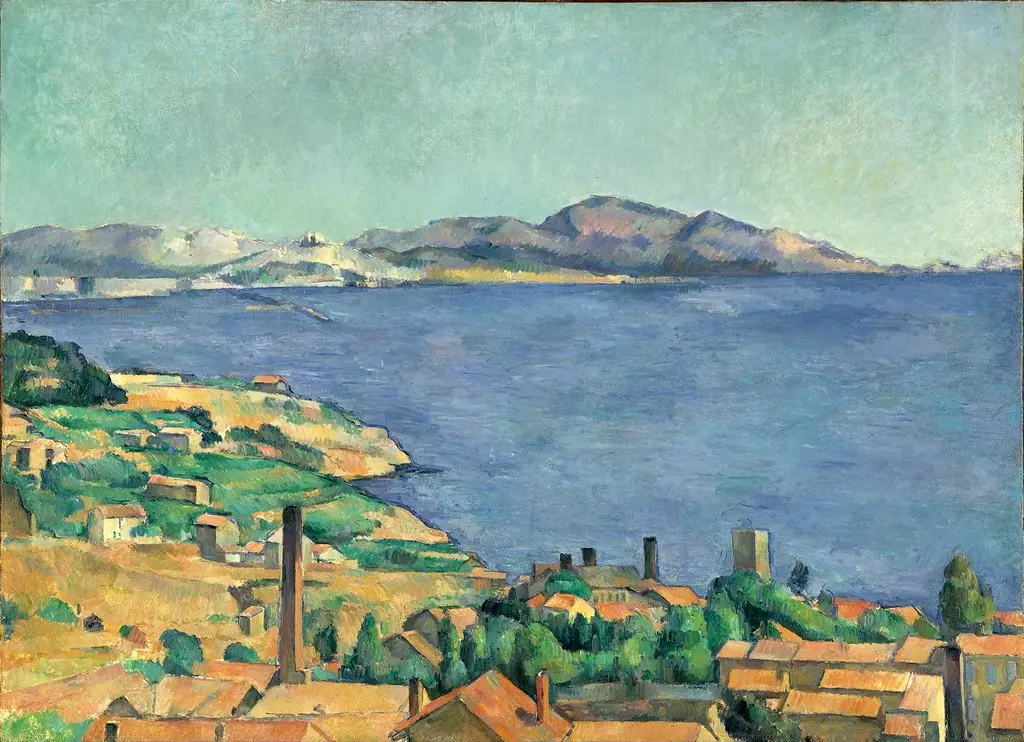
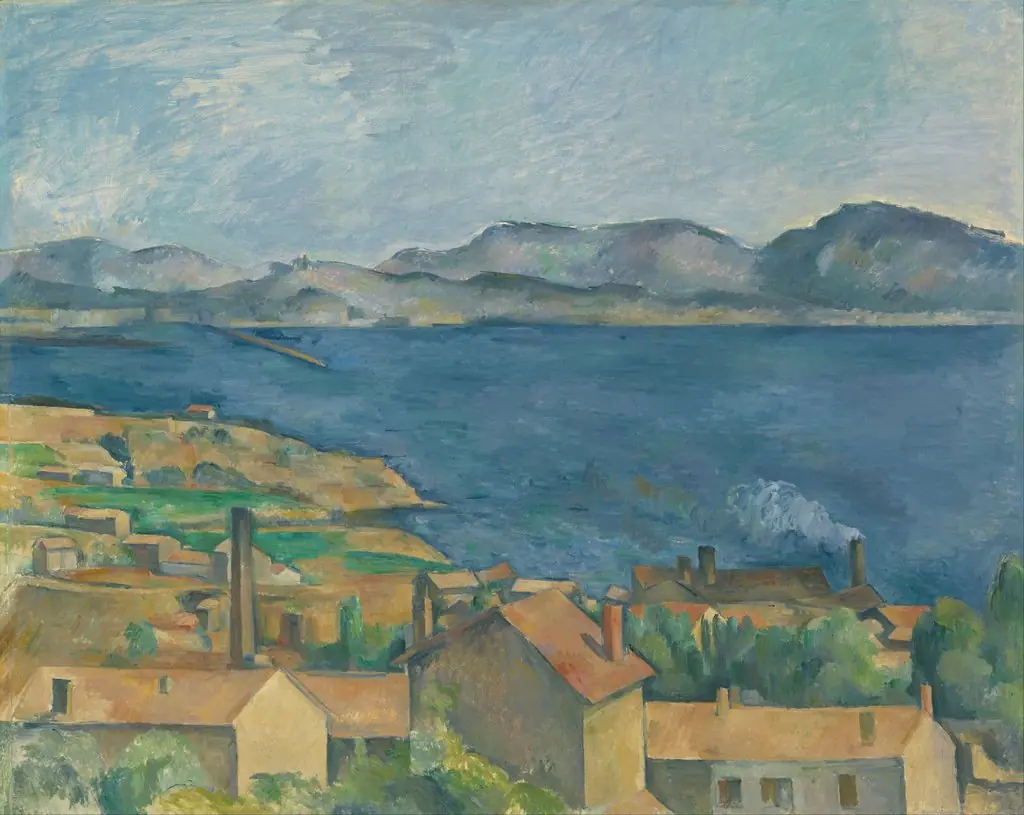
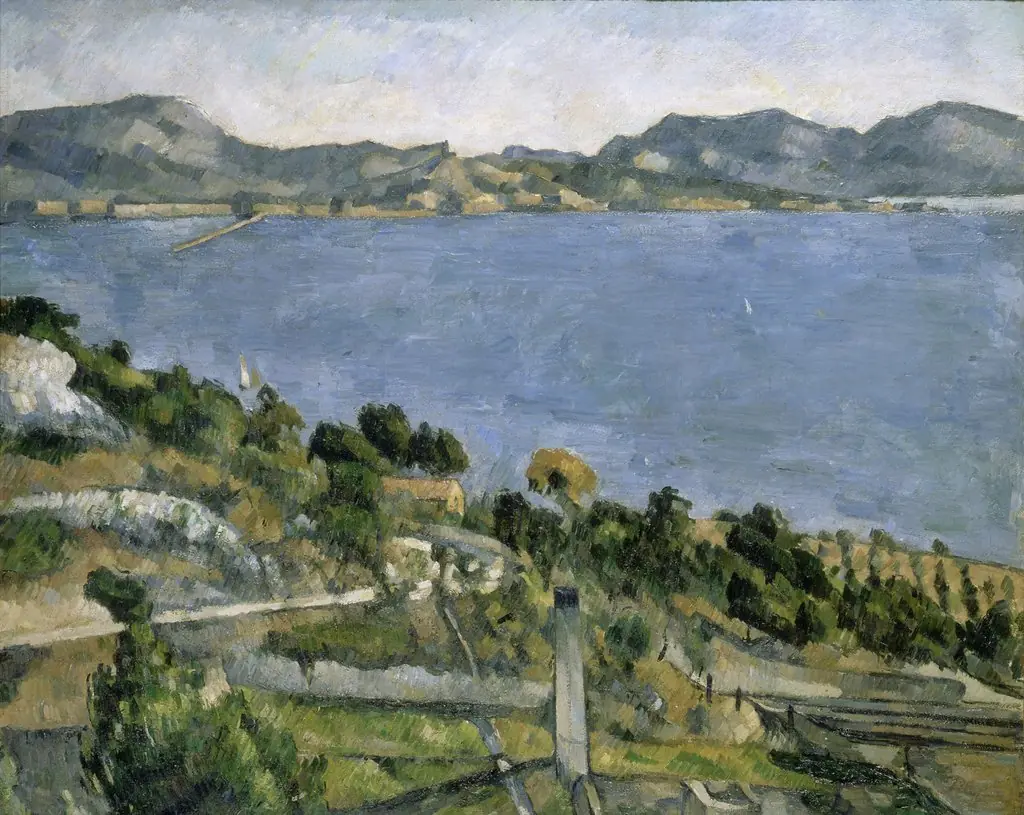 Le Golfe de Marseille vu de l'Estaque (The Gulf of Marseille Seen from L'Estaque)
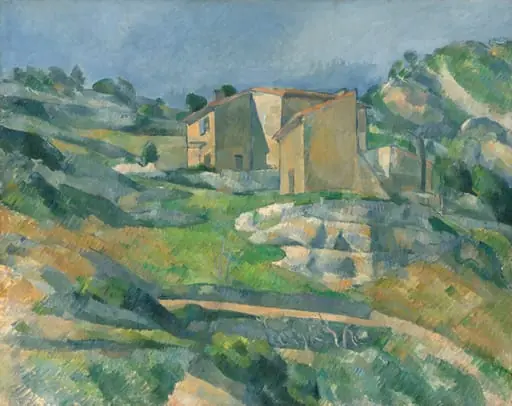 Houses in Provence: The Riaux Valley near L'Estaque
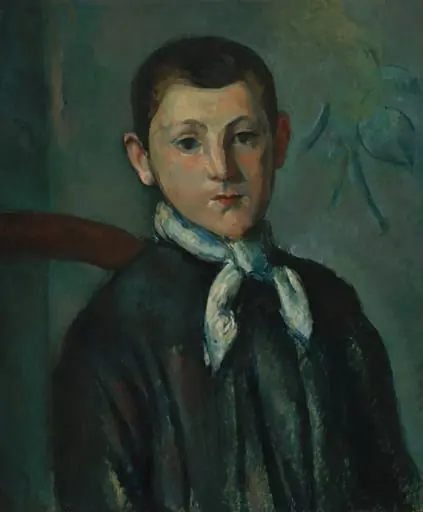 Louis Guillaume
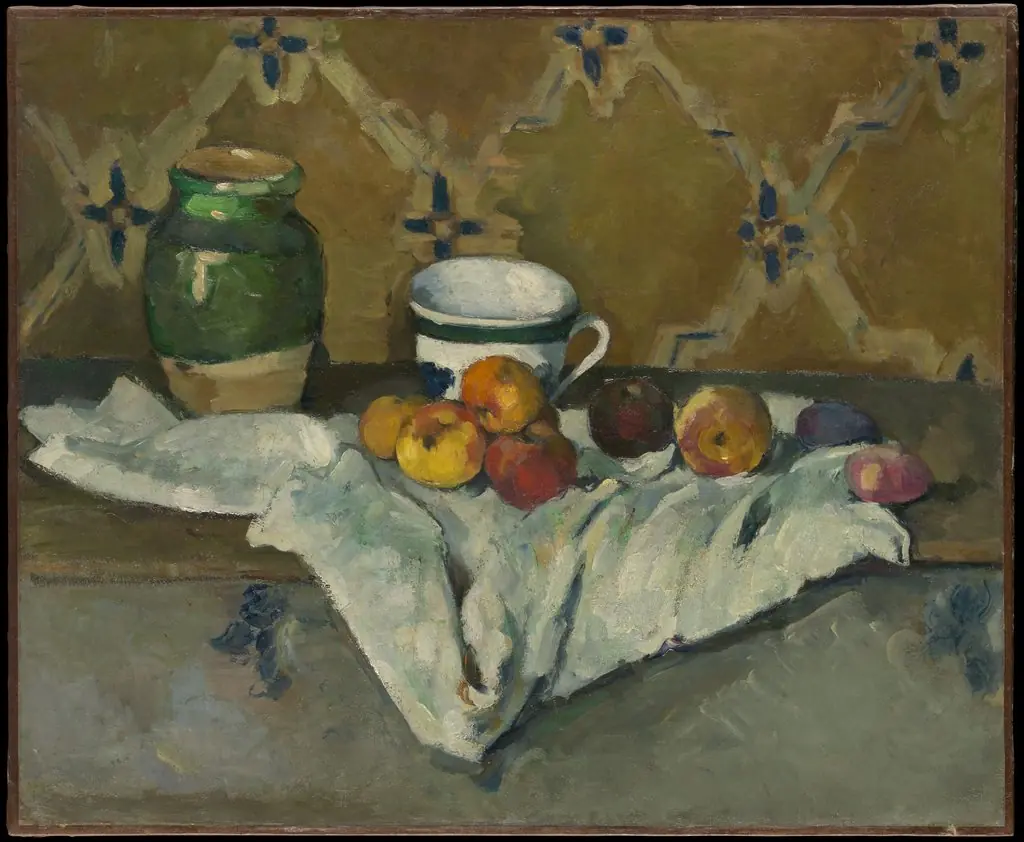 Still Life with Jar, Cup, and Apples