Artwork
Emil Gauguin as a Child
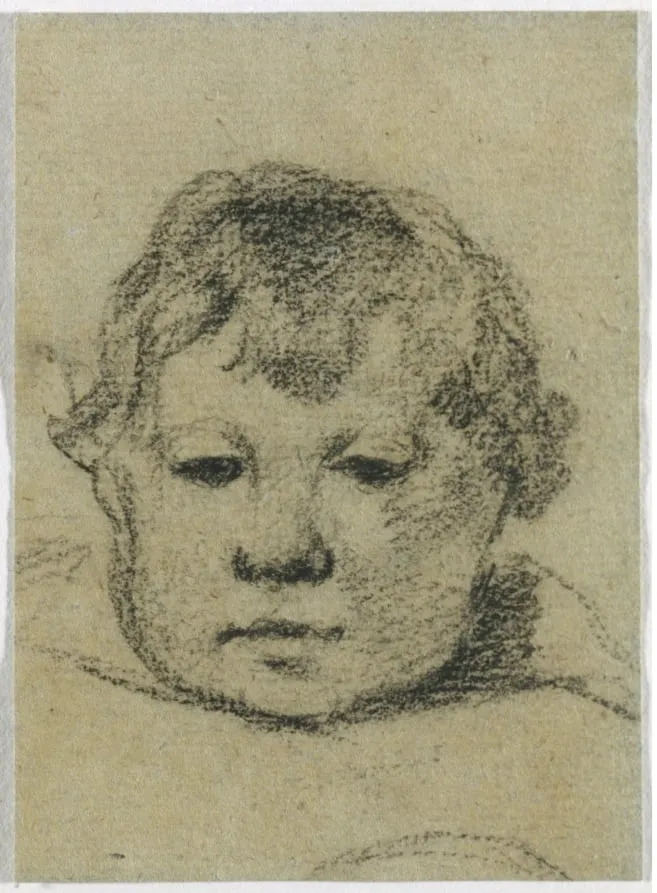
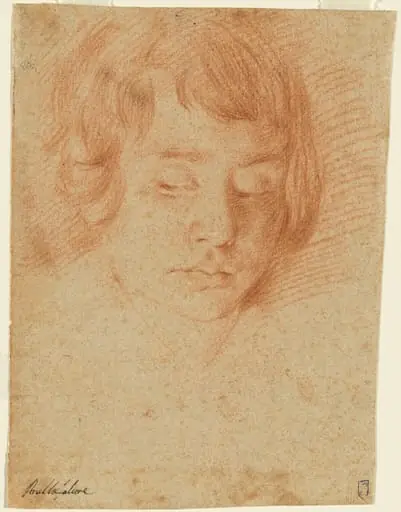
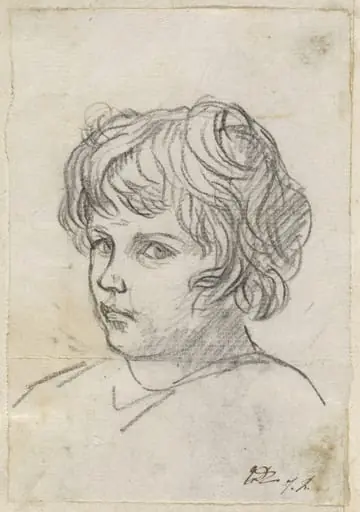
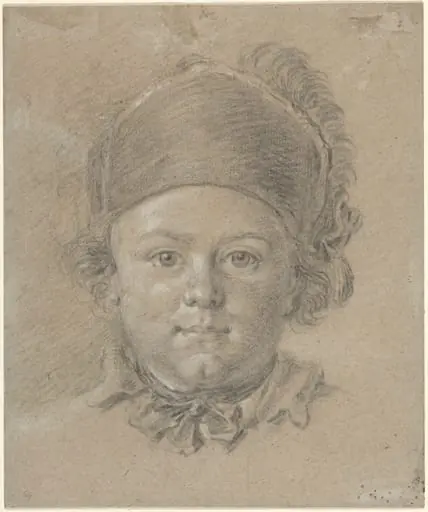
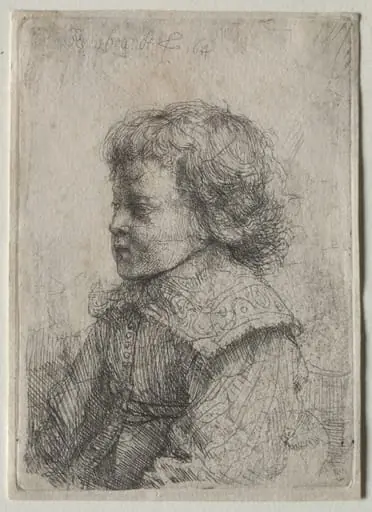
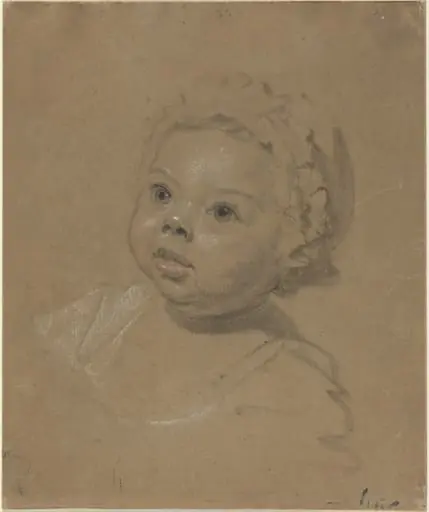
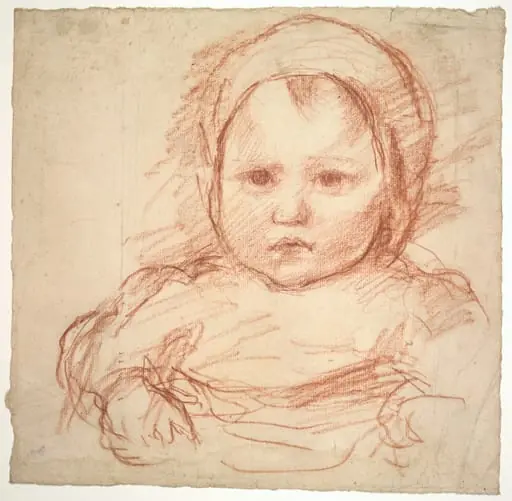
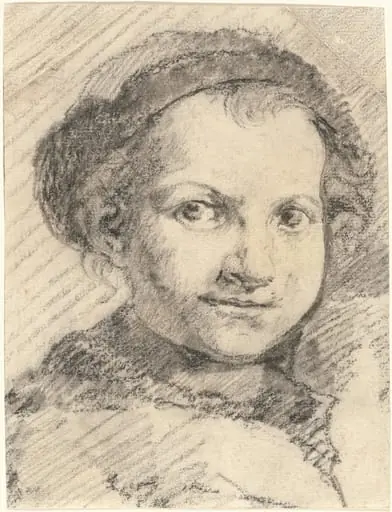
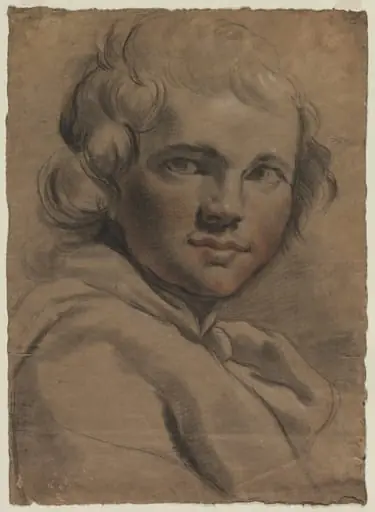
Emil Gauguin as a Child is a drawing by the Impressionist artist Paul Gauguin. It dates from 1876 and is held in the collection of the Cleveland Museum of Art.
About this work
Overview
It is one of several domestic studies he made during this period, capturing family life with restrained sensitivity.
Created around 1876, this drawing by Paul Gauguin portrays his young son, Émile, in a quiet, intimate moment. Executed during Gauguin’s early transition from Impressionism toward a more personal visual language, the work reflects his growing interest in emotional depth over optical realism. It is one of several domestic studies he made during this period, capturing family life with restrained sensitivity.
Subject & Meaning
The subject is Émile Gauguin, the artist’s firstborn, depicted with a calm, direct gaze that invites quiet engagement. His expression is neither playful nor theatrical, suggesting a contemplative stillness. The absence of narrative context or symbolic elements focuses attention on the child’s presence alone, emphasizing vulnerability and the quiet dignity of childhood in a domestic setting.
Technique & Style
Gauguin rendered the child with soft, flowing lines that define the curls of dark hair and the gentle contours of the face. The background is left in a pale, unmodulated tone, isolating the figure and enhancing its quiet presence. There is no dramatic chiaroscuro; instead, subtle tonal shifts suggest form through delicacy rather than contrast, aligning with his evolving preference for emotional clarity over naturalistic detail.
History & Provenance
The drawing was made during Gauguin’s years as a stockbroker-turned-artist, when he was still closely tied to his family in Paris. It remained within the Gauguin household until after his death, eventually entering a public collection. Its survival as a personal sketch rather than a commissioned portrait underscores its role as a private record of familial life during a formative phase of the artist’s career.
Context
In the mid-1870s, Gauguin was influenced by Impressionist peers like Pissarro but increasingly sought to move beyond their focus on light and atmosphere. This portrait reflects his shift toward simplified forms and psychological presence, foreshadowing his later Symbolist tendencies. Domestic scenes like this one were rare in his mature work, making this an early indicator of his emotional priorities.
Legacy
Though not widely exhibited, this drawing offers insight into Gauguin’s early artistic priorities: intimacy, emotional restraint, and the human figure as a vessel of quiet meaning. It stands as a precursor to his later stylized portraits, revealing how his fascination with inner life began in the everyday moments of his own family, long before his travels to Tahiti.
Artist & collection
Artist
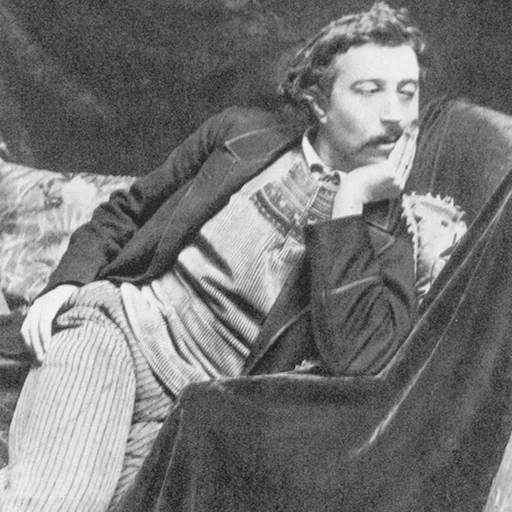
Eugène Henri Paul Gauguin (; French: ; 7 June 1848 – 8 May 1903) was a French painter, sculptor, printmaker, ceramist, and writer, whose work has been primarily associated with the Post-Impressionist and Symbolist movements.