Artwork
Volpini Suite
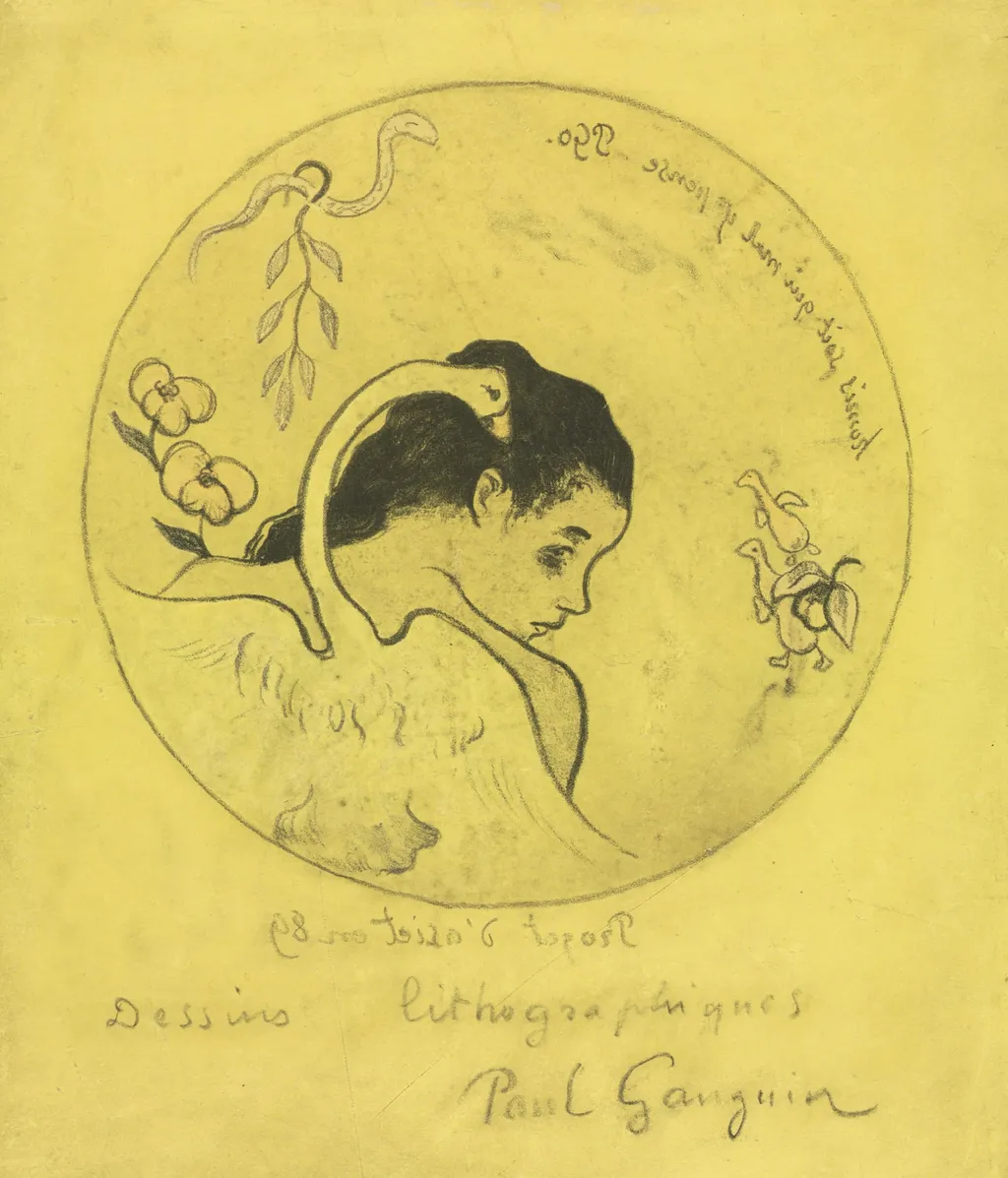
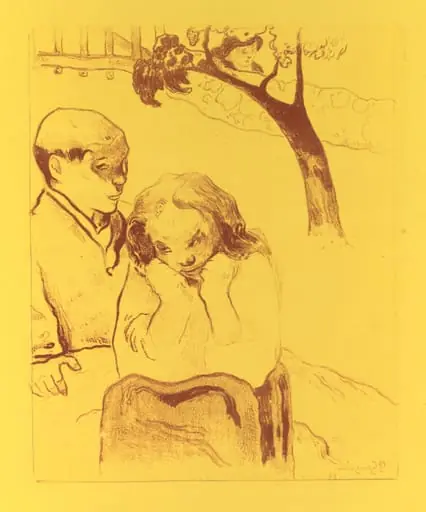
Volpini Suite is a print by the Impressionist artist Paul Gauguin. It dates from 1889 and is held in the collection of the Cleveland Museum of Art.
About this work
Overview
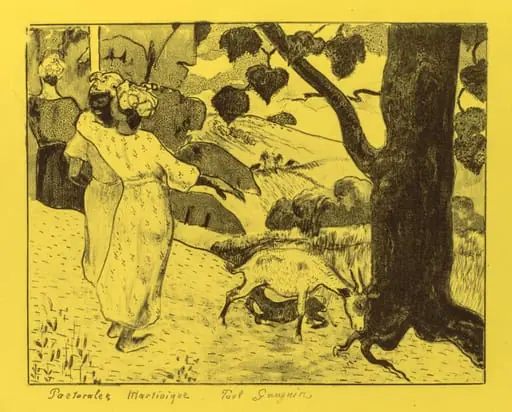
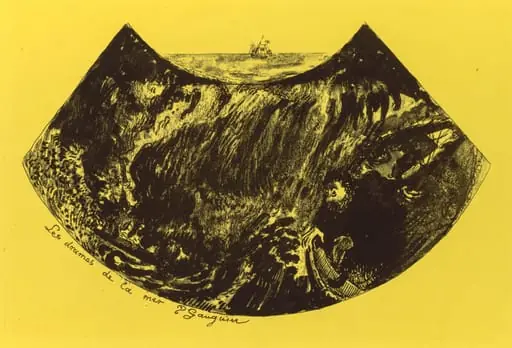
The Volpini Suite, created by Paul Gauguin in 1889, comprises ten color zincographs. This series exemplifies Gauguin's experimentation with printmaking alongside his work in painting and sculpture.
Subject & Meaning
One notable print from the suite depicts a woman's profile in black against a yellow background, encircled by symbolic elements including text, flowers, and a bird. The image embodies Gauguin's Synthetist style, prioritizing expressive, bold forms and symbolic content over realism.
Technique & Style
Characterized by bold lines and minimal detail, the print showcases Gauguin's emphasis on expressive simplicity. The warm, sunny effect of the yellow background contrasts with the dark, outlined figure, illustrating his use of color to evoke mood.
History & Provenance
Created in 1889, the Volpini Suite marks a period of Gauguin's exploration in printmaking techniques, specifically zincography, reflecting his broader artistic innovations during this time.
Context
The suite is associated with Gauguin's involvement in Post-Impressionism and Symbolism, movements that sought to move away from naturalistic depictions towards more expressive and symbolic art forms.
Artist & collection
Artist
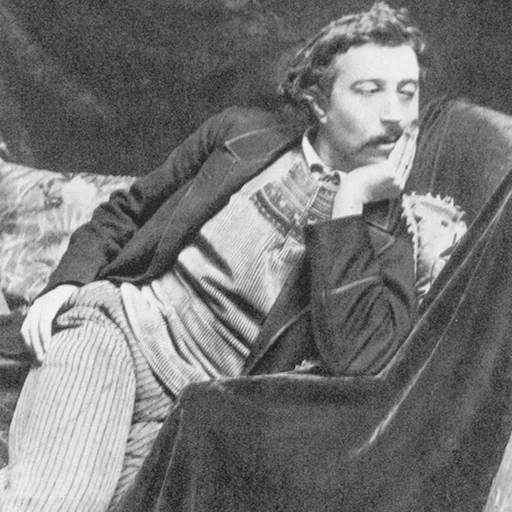
Eugène Henri Paul Gauguin (; French: ; 7 June 1848 – 8 May 1903) was a French painter, sculptor, printmaker, ceramist, and writer, whose work has been primarily associated with the Post-Impressionist and Symbolist movements.

![Program Design for the Théâtre Libre [verso], by Édouard Vuillard](https://artifactworldgallery.com/img/edouard-vuillard--program-design-for-the-theatre-libre-verso--35233434dfb68004-w320.webp)