Artwork
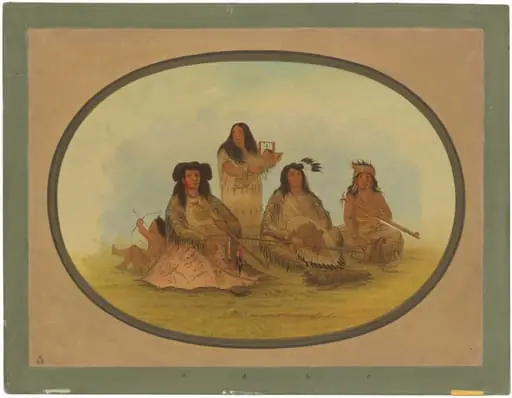
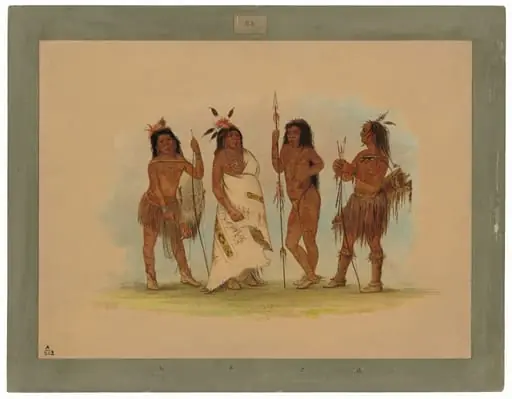
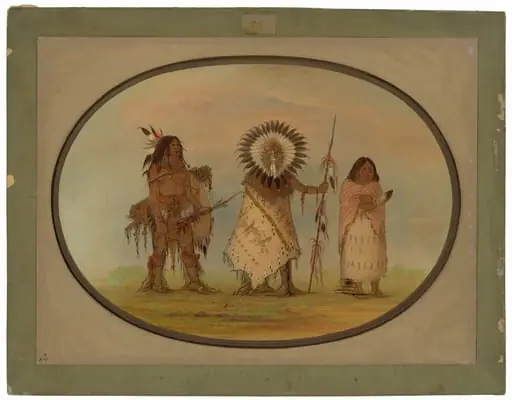
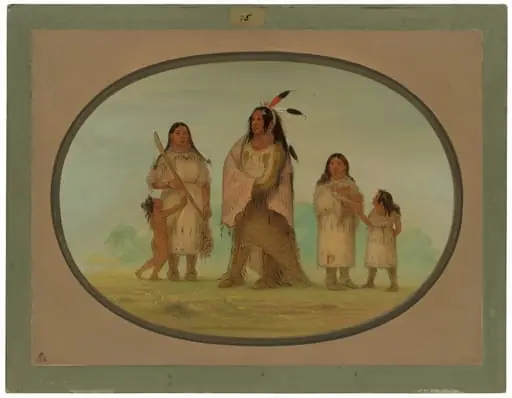
Big Snake, Chief of the Blackfoot Indians, Recounting his War Exploits to Five Subordinate Chiefs
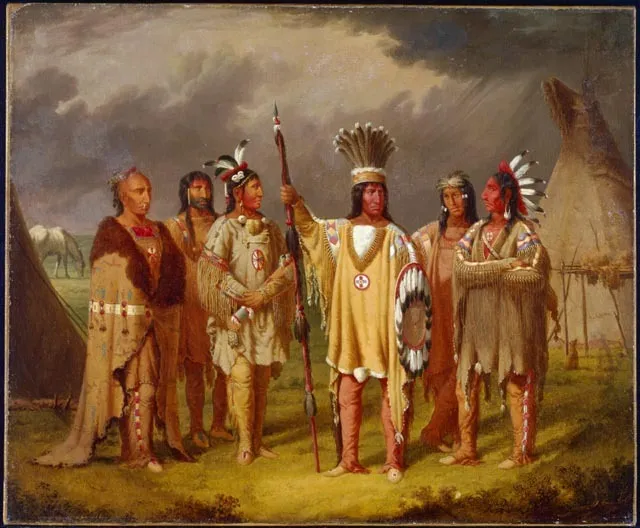
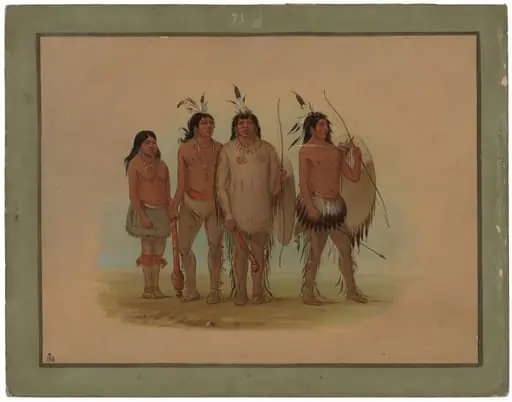
Big Snake, Chief of the Blackfoot Indians, Recounting his War Exploits to Five Subordinate Chiefs is an oil painting by the American Folk Art artist Paul Kane. It dates from 1850 and is held in the collection of the National Gallery of Canada.
About this work
Overview
Kane, an Irish-born Canadian artist with no formal academic training, produced the piece following his travels through the Canadian West between 1845 and 1848.
Painted around 1850 by Paul Kane, this oil work depicts a Blackfoot leader narrating military exploits to five subordinate chiefs. Kane, an Irish-born Canadian artist with no formal academic training, produced the piece following his travels through the Canadian West between 1845 and 1848. It is part of a broader series documenting Indigenous life, now held by the National Gallery of Canada as a significant early visual record of Plains Indigenous societies.
Subject & Meaning
The scene captures a moment of oral tradition and leadership, where Big Snake, a respected Blackfoot chief, recounts battle experiences to younger leaders. The composition emphasizes hierarchy and the transmission of knowledge, with the central figure gesturing dynamically while others listen intently. This is not a ceremonial or ritual moment, but a private exchange of experience, reflecting the cultural importance of storytelling in maintaining warrior traditions and social order.
Technique & Style
Kane employed oil paint with a restrained palette and careful attention to detail in clothing, facial expressions, and posture. His style reflects European academic conventions learned through copying Old Master works, yet he adapts them to render Indigenous subjects with observational accuracy. The lighting is even, avoiding dramatic contrasts, and the background remains minimal, focusing attention on the figures and their interaction.
History & Provenance
Created after Kane’s two expeditions into the Canadian Northwest, the painting was likely completed in his Toronto studio from field sketches and notes. It entered the National Gallery of Canada’s collection in the 19th century and has remained there since. Unlike many contemporary works, it was not commissioned but produced as part of Kane’s personal project to document Indigenous cultures before they were altered by colonial expansion.
Context
Kane’s work emerged during a period of rapid change for Plains Indigenous nations, as fur trade networks shifted and settler encroachment increased. His paintings, including this one, were among the first by a European-descended artist to depict Blackfoot life from direct observation. While not ethnographic in the modern sense, they offer a rare visual record of social dynamics, dress, and leadership structures before widespread displacement and cultural disruption.
Legacy
Kane’s paintings, including this one, are now studied as historical documents rather than artistic triumphs. They provide insight into 19th-century Indigenous leadership and the ways non-Indigenous artists interpreted Native cultures. While his perspective is filtered through colonial frameworks, the work remains a crucial reference for understanding how Indigenous life was visually recorded during a time of profound transformation.
Artist & collection
Artist
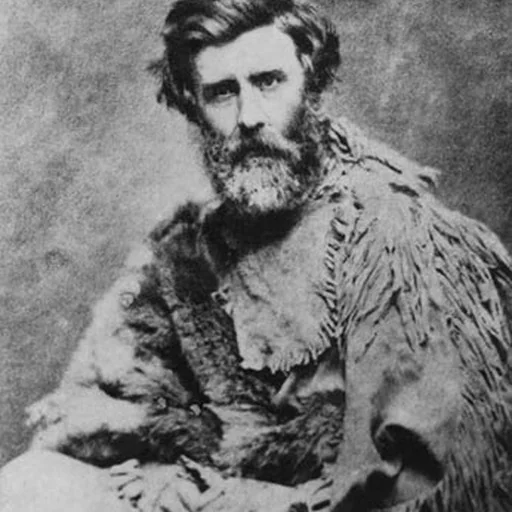
Paul Kane (September 3, 1810 – February 20, 1871) was an Irish-born Canadian painter whose paintings and especially field sketches were known as one of the first visual documents of Western indigenous life.