Art Museum
National Gallery of Canada

Image: Wikimedia Commons.
National Gallery of Canada is an art museum in Ontario, Canada.
About National Gallery of Canada
Overview & Identity
The National Gallery of Canada is the country's national art museum, located in Ottawa, Ontario. Established in 1880 by Governor General Lord Dufferin, it serves as a central institution for the preservation and display of Canadian art alongside international works. As an independent Crown corporation, it holds a mandate to collect, preserve, and exhibit art that reflects the diverse cultural heritage of Canada and the world. The Gallery is recognized for its extensive research in conservation and art history, acting as a vital resource for scholars and the public.
History & Founding
The institution was founded in 1880 under the initiative of Governor General Lord Dufferin. Initially, it operated within the Victoria Memorial Museum building. By the 1950s, the space had become inadequate for the growing collections, prompting a design contest in 1952 for a permanent home. Although a compromise was reached in 1952 by offering the eight-storey Lorne Building, the Gallery eventually moved to its current purpose-built complex in 1988. The federal government assumed full responsibility for the Gallery in 1913 with the enactment of the National Gallery Act.
Building & Architecture
The current building, opened in 1988, was designed by the renowned Canadian-Israeli-American architect Moshe Safdie. The structure is characterized by its striking exterior of pink-granite walls and extensive glass windows. A defining feature is the three-tiered glass cupola, formed from rectangular glass and narrow steel supports, which illuminates the interior. The entrance lobby features pink-granite flooring and a distinctive four-meter-wide ramp sloping upward towards the west. The building also houses the Taiga Garden, an interior courtyard designed to reflect the Canadian landscape.
Collection Highlights
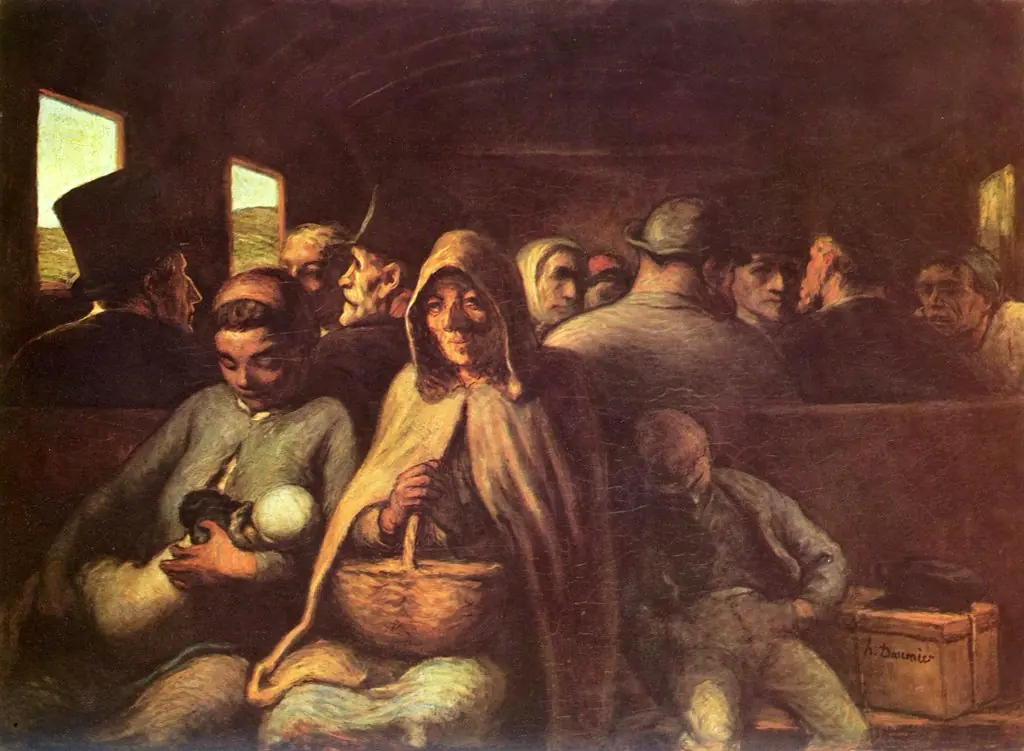
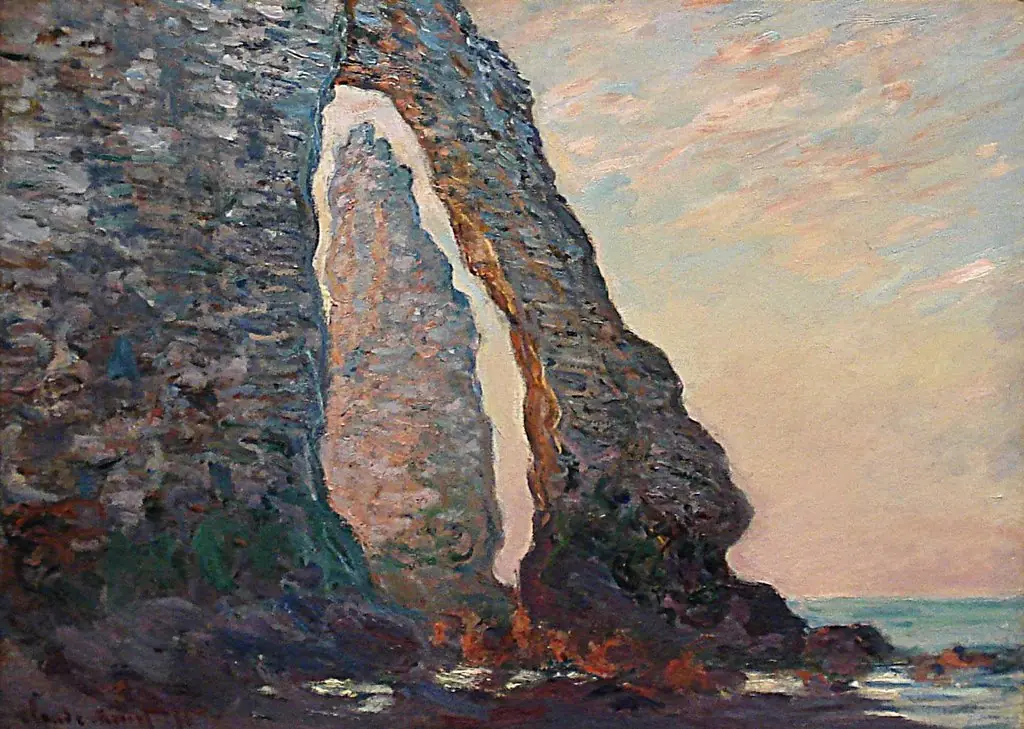
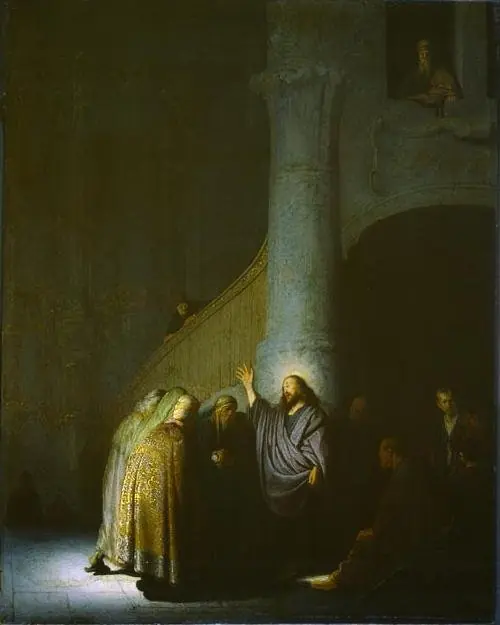
The Gallery's permanent collection comprises over 93,625 works spanning European, American, Asian, Canadian, and Indigenous art. The Canadian collection features works from the 18th century to the present, including a significant number of pieces by the Group of Seven. The Indigenous collection, which saw a major shift in mandate from the 1980s onwards, includes works by prominent Indigenous artists. The European and American holdings include masterpieces by artists such as Rembrandt, Rubens, Monet, and Degas, acquired through purchases and gifts over the last century.
Prints, Drawings, & Asian Art
The Gallery maintains a substantial prints and drawings collection of 27,000 works on paper, dating from the 15th century to the present. This includes approximately 10,000 works by Canadian artists, with over 800 by the Group of Seven. The Asian collection, which began in the early 20th century, holds approximately 400 works dating from 200 CE to the 19th century, originating from various private collections. These specialized collections provide deep insights into artistic techniques and cultural exchanges across different eras and regions.
Significance & Legacy
The National Gallery of Canada plays a crucial role in Canada's cultural landscape, serving as a national responsibility by sending exhibitions and loans to museums across the country. It has sponsored Canadian art internationally through events like the Venice Biennale and exhibitions in cities such as Tel Aviv and Beijing. The Gallery's research in conservation and art history is considered exemplary, and it utilizes various media to communicate with the public. Its evolution, particularly the expansion of its Indigenous mandate, reflects a broader commitment to representing the full spectrum of Canadian artistic expression.
What to see at National Gallery of Canada
Start with The Temptation of Saint Anthony by 1500.



Plan your visit
National Gallery of Canada
- Website
- www.beaux-arts.ca