Artwork
Folk painter of icons, trumpets and crosses “of oath” from Andreesti village, Gorj county (1990)
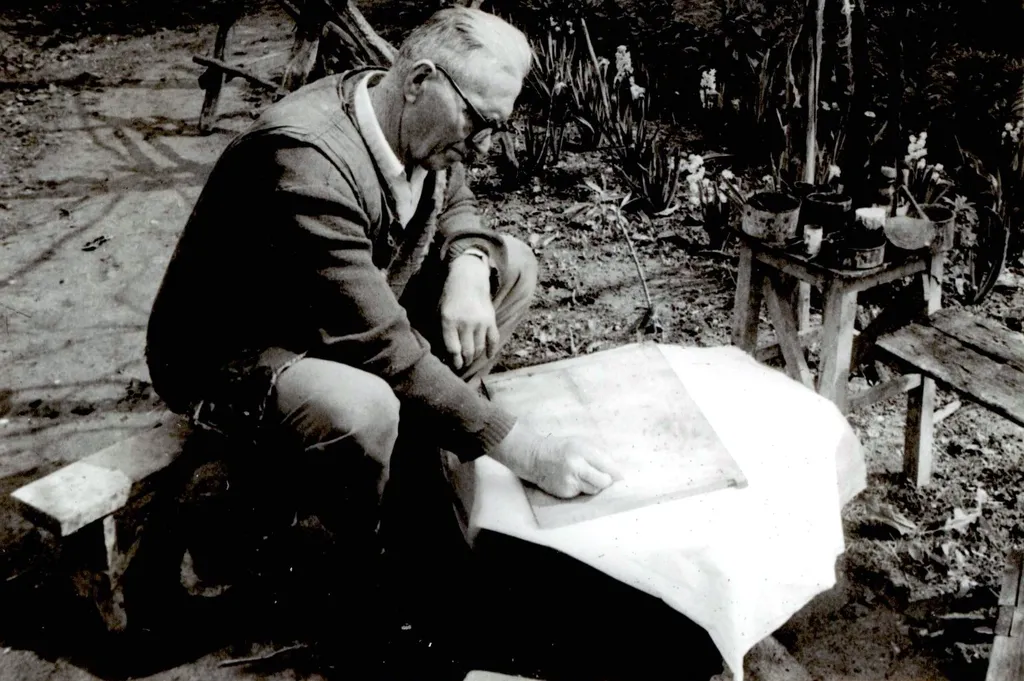
Folk painter of icons, trumpets and crosses “of oath” from Andreesti village, Gorj county (1990) is a photography by Paul Teodor Pleșa. It dates from 1990 and is held in the collection of the "Dimitrie Gusti" National Village Museum. A 1990 photographic record captures an elderly folk painter in Andreesti village, Gorj County, at work amid painted religious objects.
About this work
This photo shows an elderly man standing beside a wooden table covered in painted crosses and trumpets.
This photo shows an elderly man standing beside a wooden table covered in painted crosses and trumpets. The crosses have bright red and gold designs. The trumpets are decorated with flowers and zigzag lines.
The man is a local folk painter from Andreesti village. His work isn’t just art—it ties to old spring customs tied to Easter. The photo comes from a 1990 research trip about these traditions.
Curious about folk art? Look up the Museum of Ethnography in Bucharest.
Overview
A 1990 photographic record captures an elderly folk painter in Andreesti village, Gorj County, at work amid painted religious objects. The image was taken during a spring customs study focused on Easter-related traditions. The painter’s hands are surrounded by crosses and ceremonial trumpets, each bearing hand-painted motifs in red, gold, and floral patterns. The photograph is part of a documented ethnographic survey, preserving a vanishing artisan practice tied to local ritual life.
Subject & Meaning
The painted crosses and trumpets reflect ritual objects used in springtime Easter customs, where imagery served both devotional and symbolic functions. Red and gold decorations on crosses may signify sacrifice and divine light, while trumpet motifs—adorned with zigzags and flowers—could relate to heralding resurrection or seasonal renewal. These objects were not merely decorative but embedded in communal rites, linking visual art to oral traditions and liturgical timing.
Technique & Style
The painter applied pigments directly onto wooden surfaces using traditional methods, likely with natural dyes and brushes made from local materials. Designs feature bold, repetitive patterns: floral scrolls, geometric zigzags, and symmetrical layouts. Colors are vivid but not blended, emphasizing clarity and symbolic potency over naturalism. The style is vernacular, shaped by regional precedent rather than formal training, with each piece bearing subtle individual variations.
History & Provenance
The photograph was taken between April 10 and 17, 1990, as part of Research Report No. 186 by Paul Teodor PleFotogra, documenting spring rituals in Andreesti. The painter, unnamed in the record, was identified as a local artisan whose work had long served religious and seasonal observances. The objects depicted were likely created for use in village Easter ceremonies, with some possibly donated to churches or kept in homes as protective talismans.
Context
Andreesti, in rural Gorj County, maintained customs rooted in pre-Christian agrarian cycles that merged with Orthodox Easter observances. Folk painters like this man were custodians of visual language passed through generations, producing objects that marked sacred time. Their work declined with modernization, making the 1990 documentation a critical record of a fading cultural layer tied to rural identity and seasonal rhythm.
Legacy
The photograph and its associated research are held in institutional archives, notably the Museum of Ethnography in Bucharest, where they contribute to studies of Romanian folk religion and material culture. While the painter’s name remains unrecorded, the objects and imagery he produced continue to inform scholarly understanding of how ritual art functioned in isolated communities, preserving memory through handmade symbolism.
Artist & collection
Artist
Paul Teodor Pleșa shot black-and-white photos in 1990 that show painted icons and wooden crosses in Gorj villages, plus the worn fresco inside the historic porch of Scoica.
Museum
"Dimitrie Gusti" National Village Museum
Continue through works from the same source collection.
 Konservaattori Fjalar Hermansson istuu Ruiskumestarin talon salissa maalaamassa tapettiboordia.
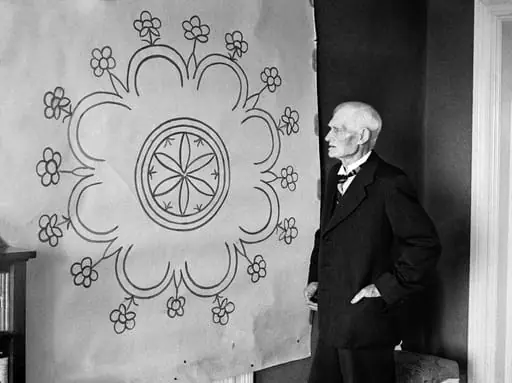 Porvoon tuomiokirkon vanhojen, ylimaalattujen maalausten jäljennös
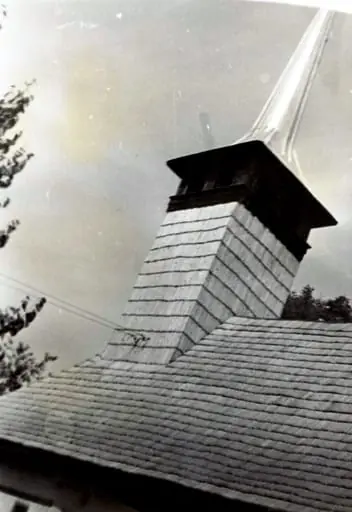 Partial view of the wooden church "Sf. Archangels "from Ociu, Valea Jos commune, Hunedoara county (1982)
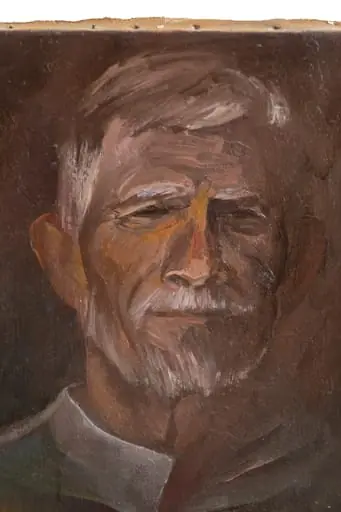 Portret de bătrân
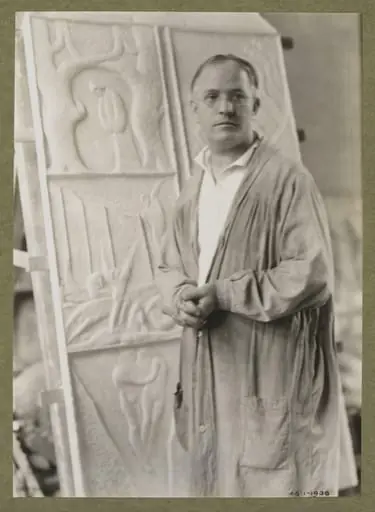 Untitled
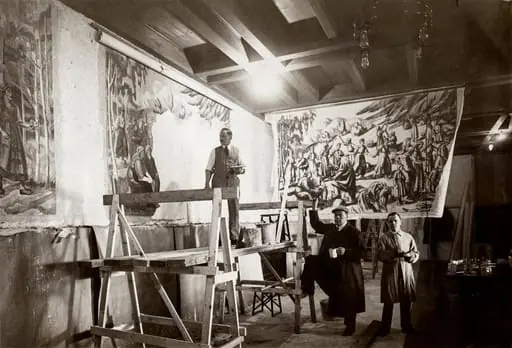 Kansallisteatterin freskojen maalaus vuonna 1928
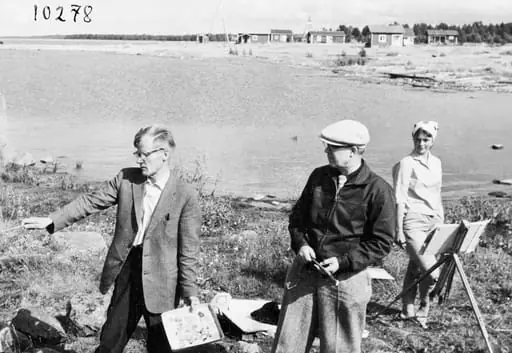 Hailuodon maalausleiri
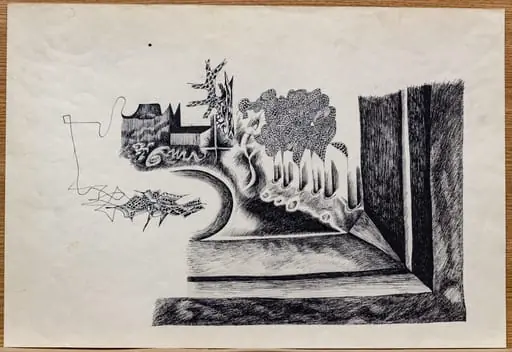 Peisaj transfigurat la fereastră
 Untitled
 Târg dobrogean
 Mere și banane
 Spring Work