Artwork
Disbanding of the Mercenary Troops on the Neude, Utrecht, July 31st, 1618
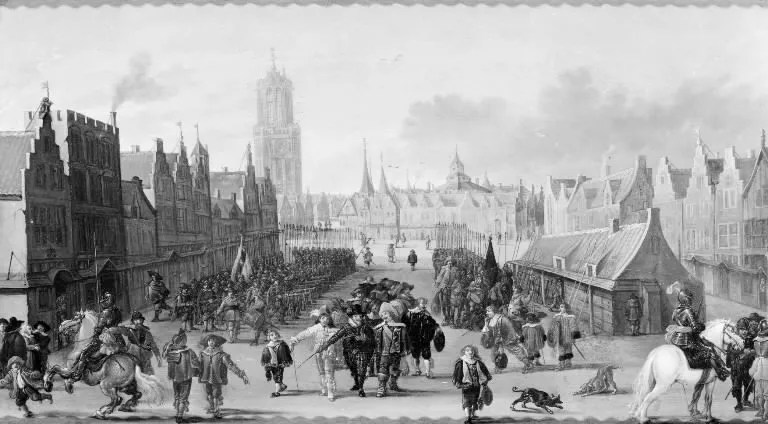
Disbanding of the Mercenary Troops on the Neude, Utrecht, July 31st, 1618 is an unspecified painting by the Dutch Golden Age artist Paulus van Hillegaert. It dates from 1618 and is held in the collection of the Statens Museum for Kunst.
About this work
Overview
Paulus van Hillegaert I’s oil painting records the formal dismissal of mercenary forces in Utrecht on 31 July 1618. Central to the composition is Maurice of Nassau on horseback, flanked by orderly rows of soldiers. The bustling street scene includes civilians, horses, and a dog, while the city’s steep‑roofed buildings and a distant church tower frame the event.
Subject & Meaning
The work commemorates a political act by the Dutch stadtholder, signalling the transition from hired troops to a standing national army. By placing Maurice prominently amid the crowd, the artist underscores his authority and the civic order restored by the disbanding, while the surrounding townspeople suggest public interest in the military reorganization.
Technique & Style
Executed in a detailed, naturalistic manner typical of early‑17th‑century Dutch painting, the canvas combines a lively street genre scene with a military tableau. Precise rendering of uniforms, weapons and architectural elements creates depth, while the inclusion of smoke from the church tower adds atmospheric nuance. The composition balances a crowded foreground with a receding urban backdrop.
History & Provenance
Created during the Dutch Golden Age, the painting entered the collection of the Statens Museum for Kunst in Copenhagen, where it remains on display. Its provenance traces back to private Dutch collections before being acquired by the museum in the early 20th century, reflecting the work’s continued relevance to European military and civic history.
Context
The disbandment occurred amid the Twelve Years’ Truce, a period of relative peace between the Dutch Republic and Spain. Maurice’s reforms aimed to professionalize the army, reducing reliance on mercenaries. Hillegaert’s depiction aligns with contemporary Dutch interest in documenting state affairs and urban life, offering a visual record of a pivotal moment in the Republic’s military evolution.
Artist & collection
Artist
Paulus van Hillegaert (I) or Pauwels van Hillegaert (I) (1596–1640) was a Dutch painter and draughtsman, known mainly for his landscapes, military scenes and equestrian portraits.

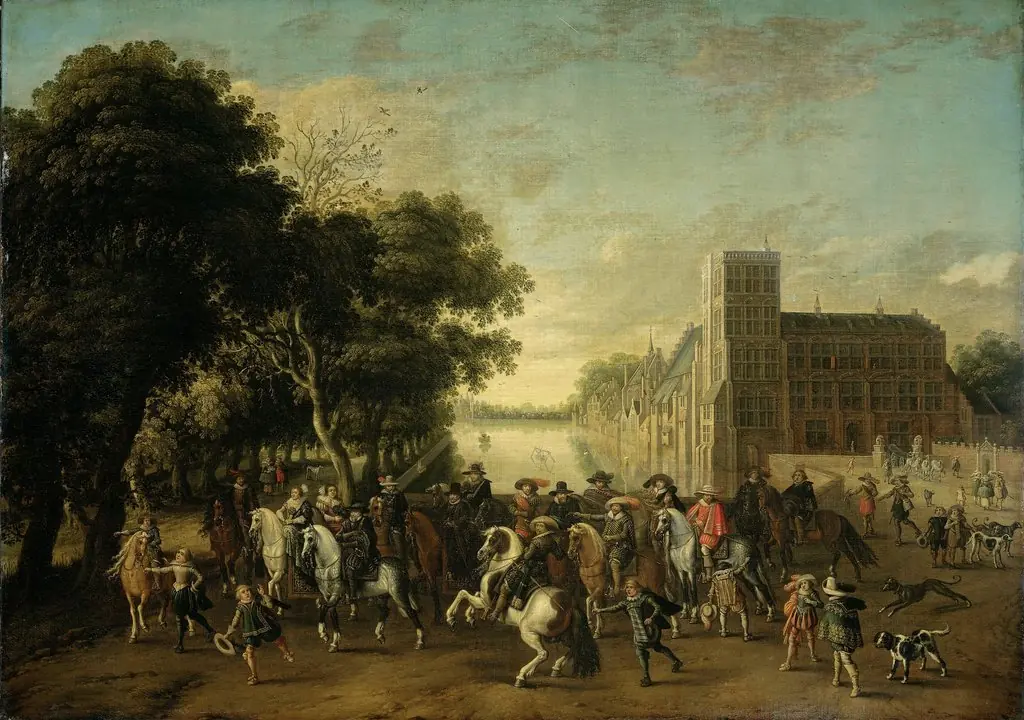 Prince Maurits, accompanied by Prince Frederik Hendrik, Frederick V of Bohemia and his wife Elizabeth Stuart, and others, on the Buitenhof, The Hague
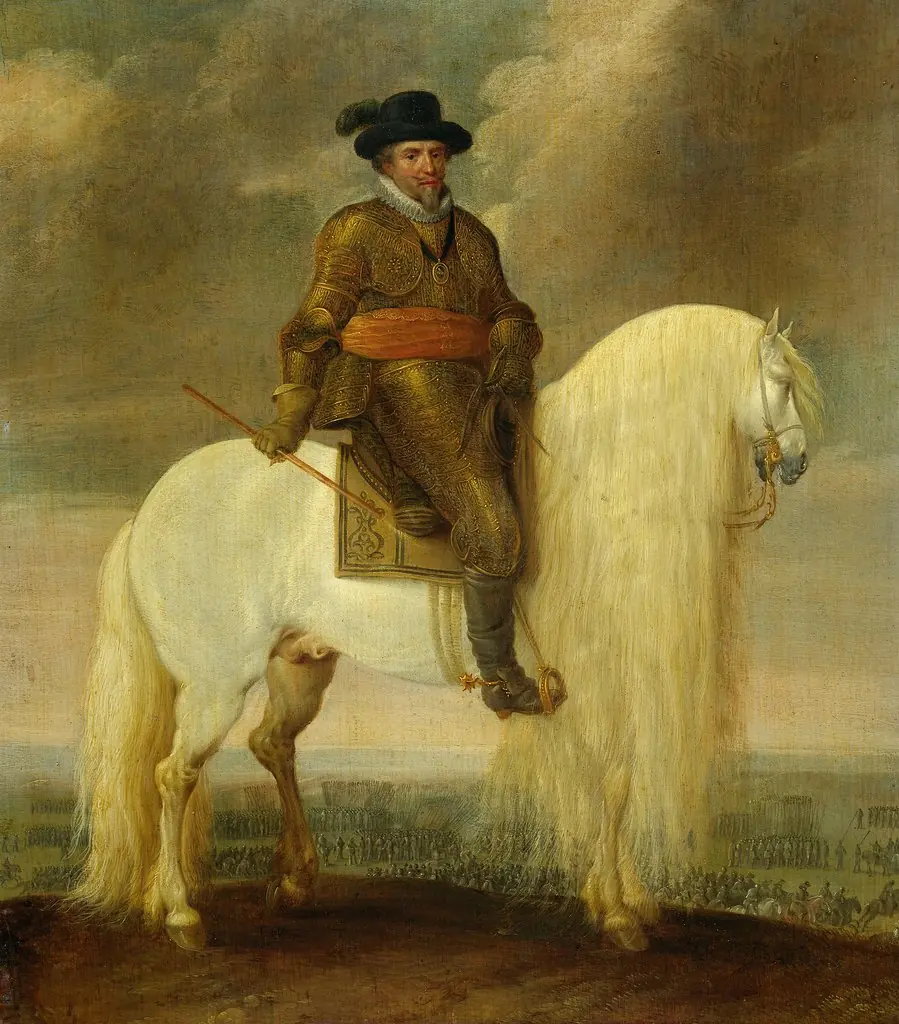 Prince Maurits astride the white warhorse presented to him after his victory at Nieuwpoort
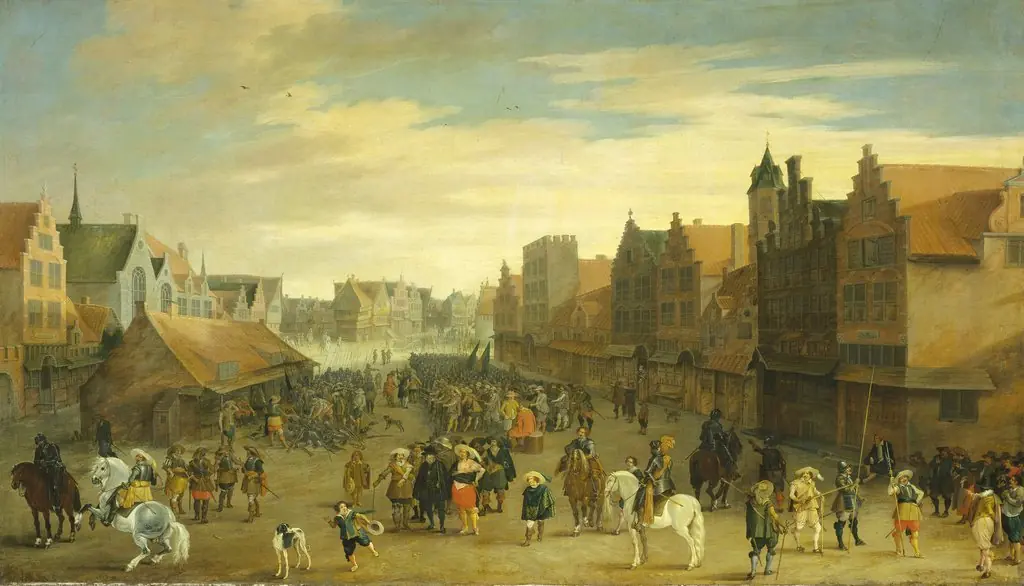 The disbanding of the 'waardgelders' (mercenaries in the pay of the town government) by Prince Maurits on the Neude, Utrecht, 31 July 1618
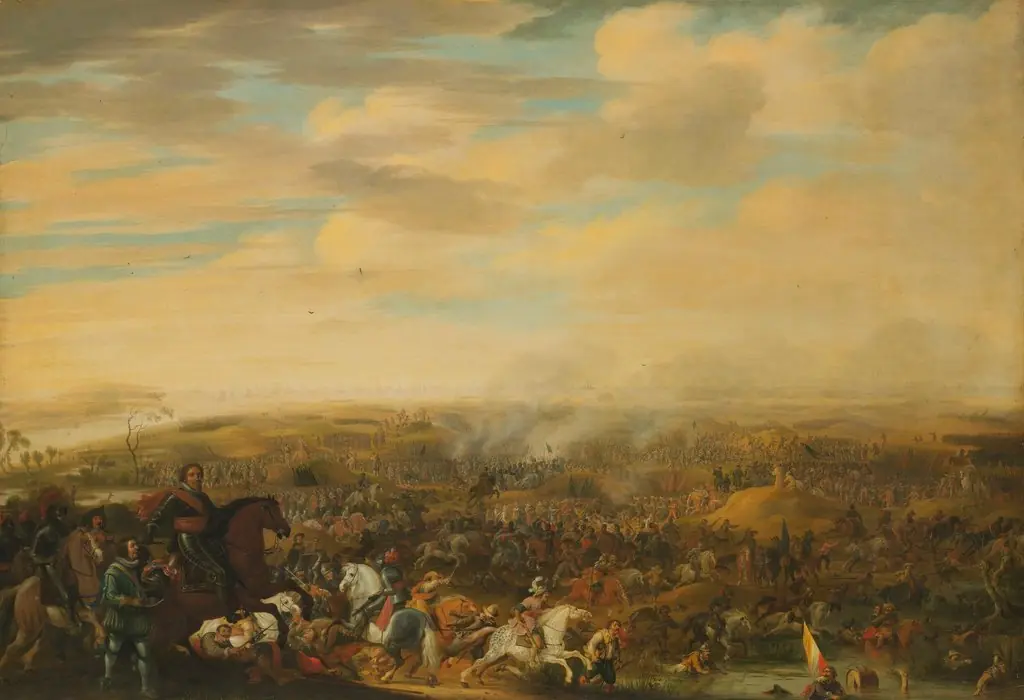 Prince Maurits at the Battle of Nieuwpoort, 2 July 1600
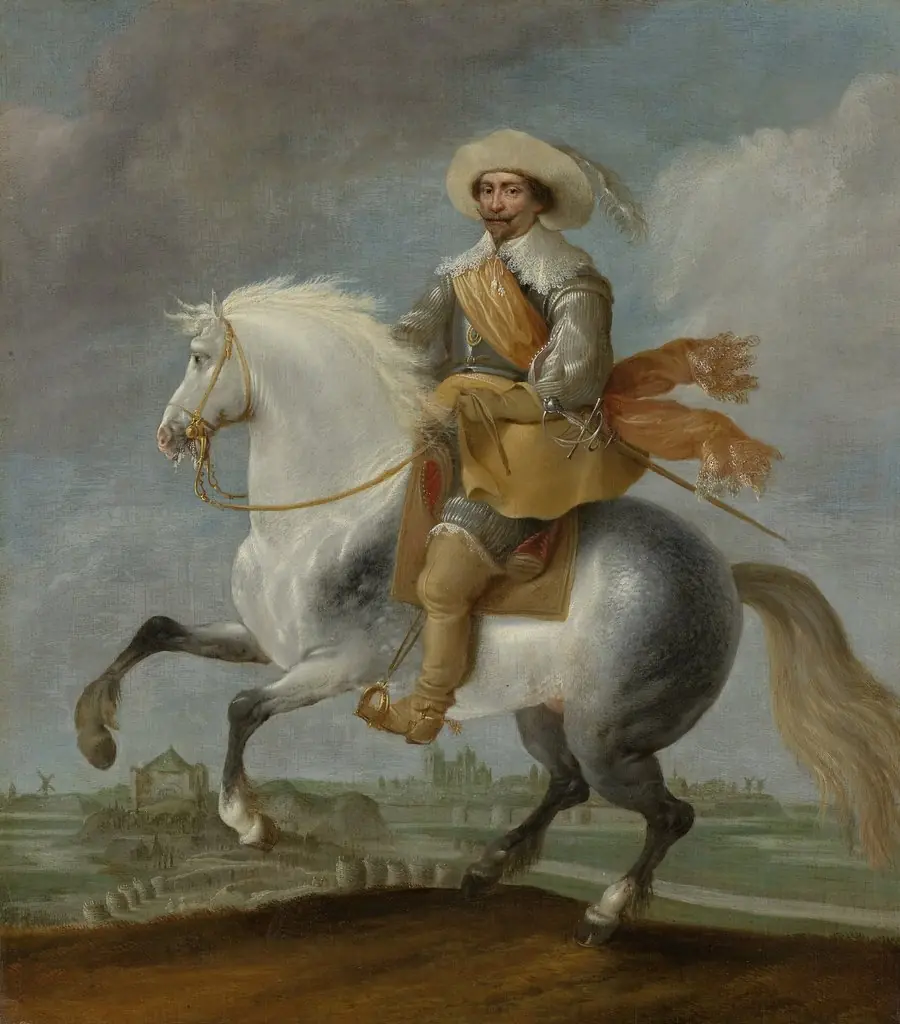 Prince Frederik Hendrik on horseback outside the fortifications of 's-Hertogenbosch, 1629