Artwork
Study for a Lunette
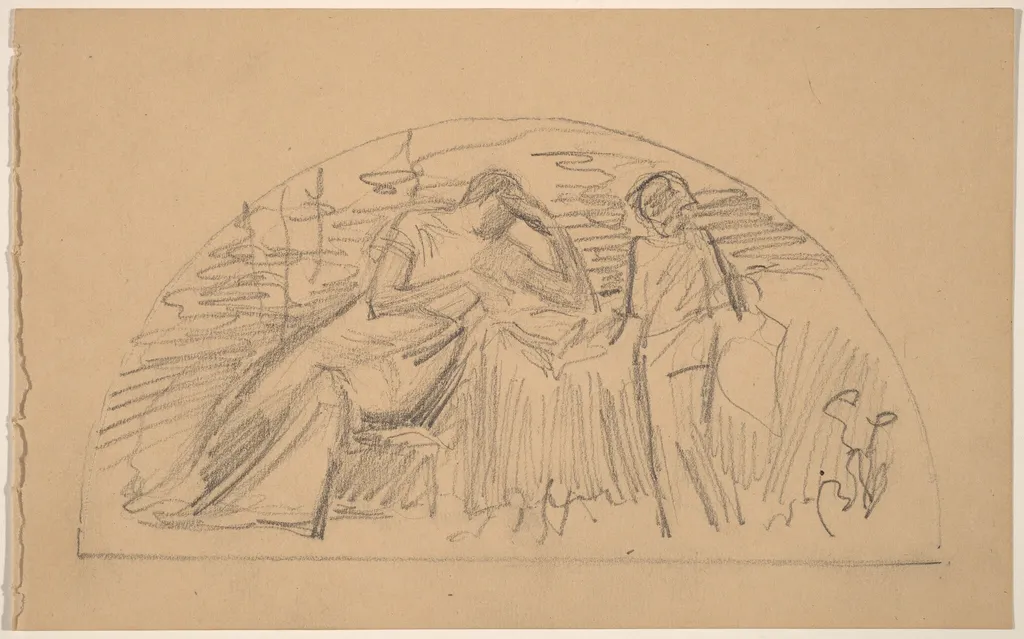
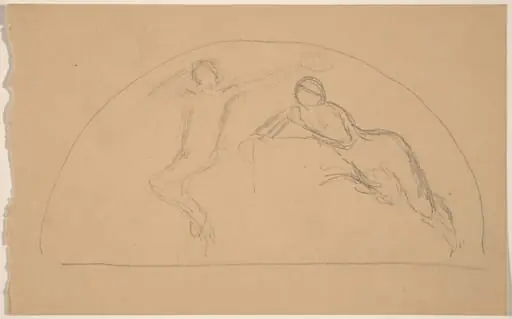
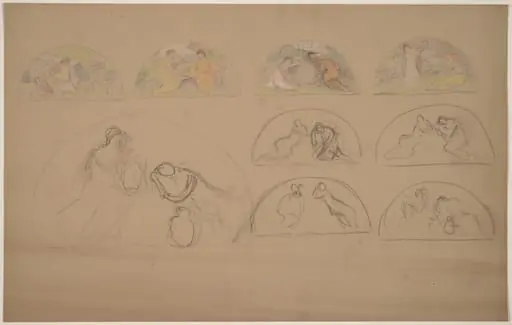
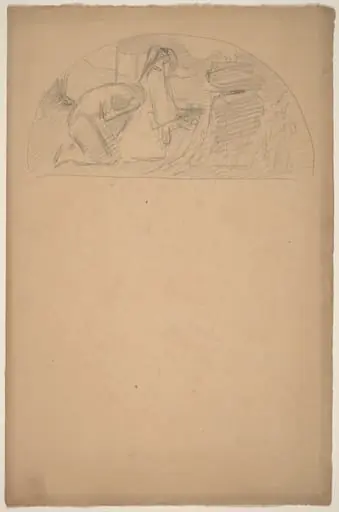
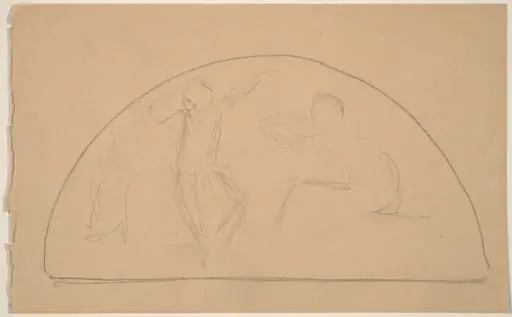
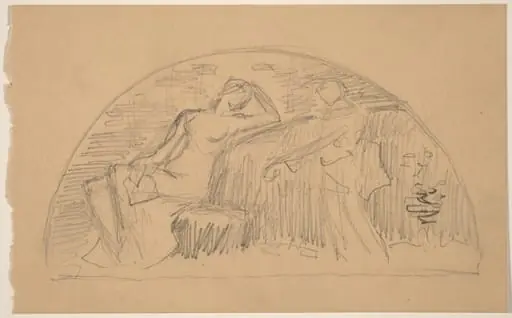
Study for a Lunette is a graphite drawing by the Impressionist artist Charles Sprague Pearce. It dates from 1894 and is held in the collection of the National Gallery of Art.
About this work
Overview
Created in 1894 by Charles Sprague Pearce, this graphite drawing on tan wove paper serves as a preparatory study for a lunette decoration. The work captures a rapid, unrefined rendering of an architectural form, emphasizing gesture over precision. The loose, uneven lines and smudged graphite suggest an impulsive, on-the-spot exploration rather than a polished composition.
Subject & Meaning
The subject is an architectural structure featuring arched windows, a dome, and classical columns, likely inspired by historical or ecclesiastical buildings. The simplified, almost abstract treatment indicates the artist was not aiming for realism but rather distilling essential forms to test spatial relationships and compositional balance for a larger decorative scheme.
Technique & Style
Pearce used graphite with minimal erasure or refinement, allowing the rawness of the sketch to remain visible. The paper’s tan tone subtly interacts with the graphite, enhancing contrast without added washes. The uneven pressure and visible smudging reflect a working method focused on immediacy, prioritizing idea generation over finish.
History & Provenance
The drawing is part of Pearce’s preparatory materials for a commissioned decorative project, though the final lunette’s location and completion status are unrecorded. It remained in the artist’s possession or among his studio papers until entering institutional collection, where it is now preserved as evidence of his creative process.
Context
In the late 19th century, American artists like Pearce often produced such studies for mural and architectural commissions, particularly for public or religious buildings influenced by Beaux-Arts traditions. This sketch reflects a common practice of rapid visualization before committing to large-scale execution, bridging personal observation and public art.
Legacy
As a working drawing, it offers insight into Pearce’s method of translating architectural ideas into decorative art. Though not a finished piece, its unpolished character preserves the spontaneity of his thought process, contributing to scholarly understanding of how muralists developed compositions in an era before photographic reference.
Artist & collection

Artist
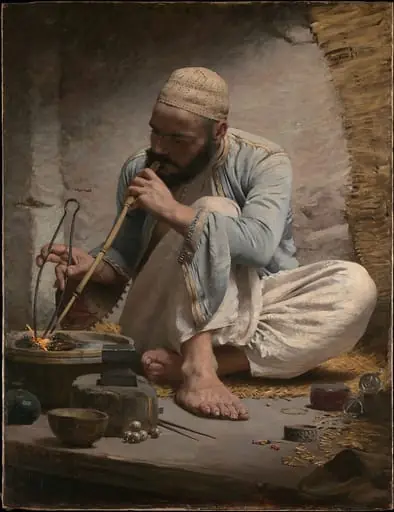
Charles Sprague Pearce (1851–1914) was an American artist, born in Boston.

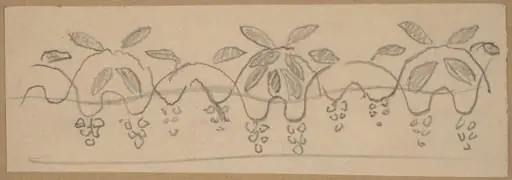
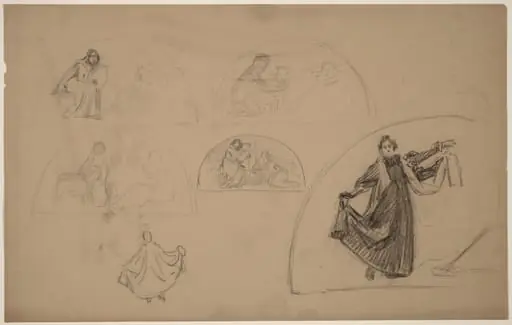
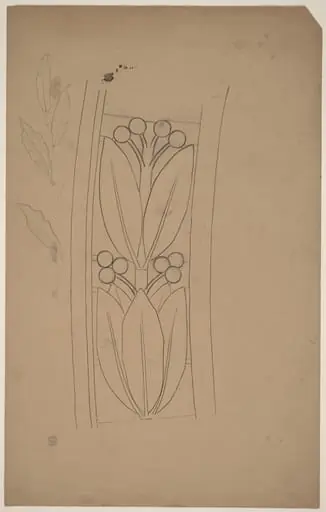
![Studies for a Lunette [recto], by Charles Sprague Pearce](https://artifactworldgallery.com/img/charles-sprague-pearce--studies-for-a-lunette-recto--07c43c96c8ad1d74-w320.webp)
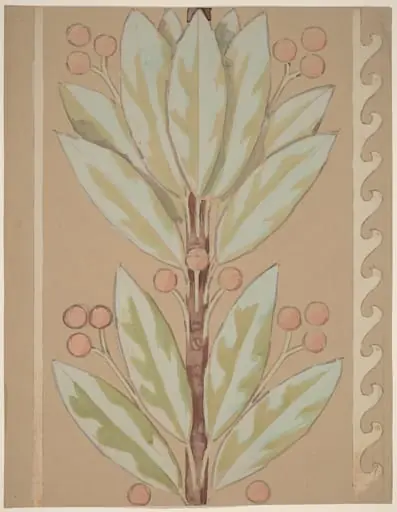
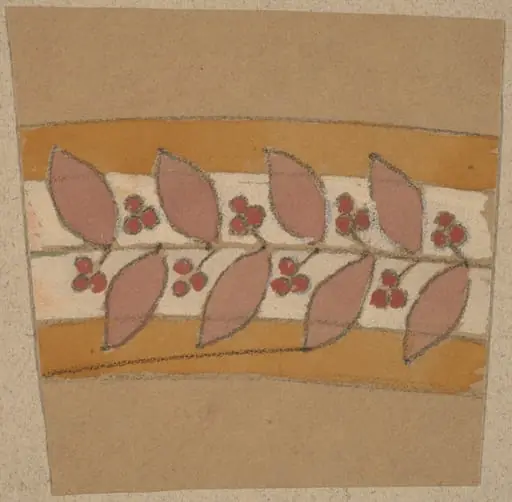
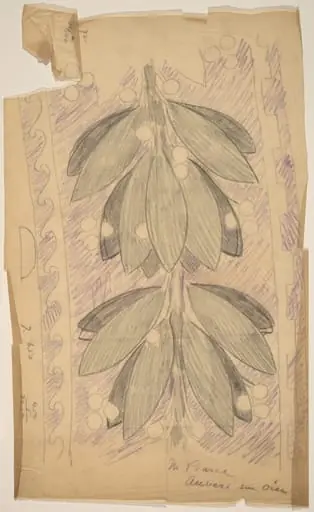
![Study for a Lunette [recto], by Charles Sprague Pearce](https://artifactworldgallery.com/img/charles-sprague-pearce--study-for-a-lunette-recto--96fa9dd266d834e5-w320.webp)
![Studies for a Lunette [verso], by Charles Sprague Pearce](https://artifactworldgallery.com/img/charles-sprague-pearce--studies-for-a-lunette-verso--5d54507e74f08054-w320.webp)