Artwork
Fruit and flowers
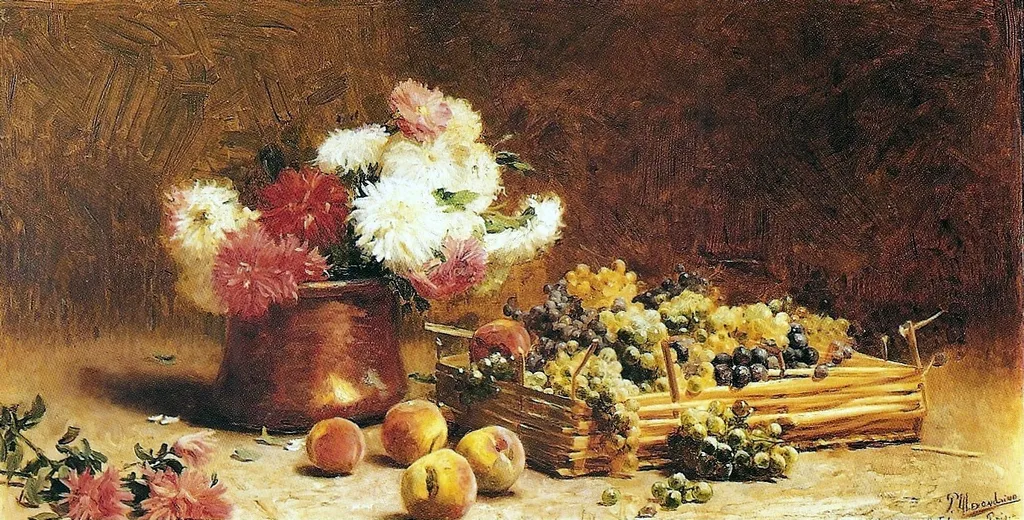
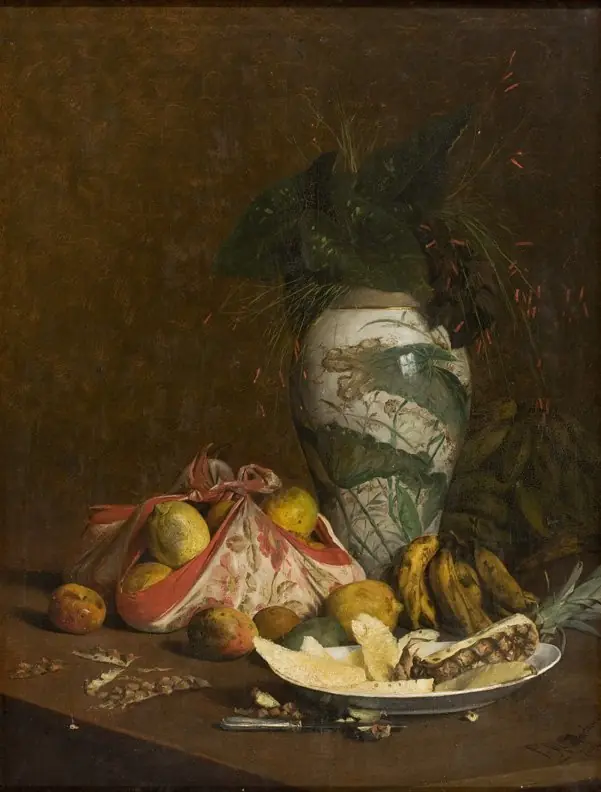
Fruit and flowers is an oil painting by Pedro Alexandrino Borges. It dates from 1906 and is held in the collection of the Pinacoteca de São Paulo.
About this work
Overview
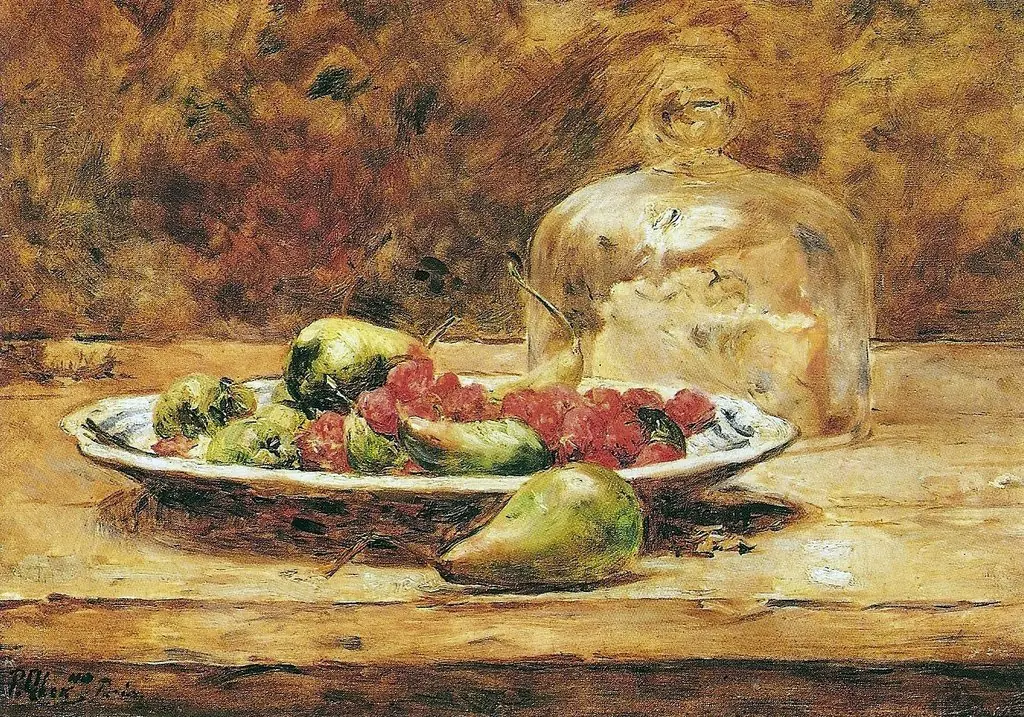
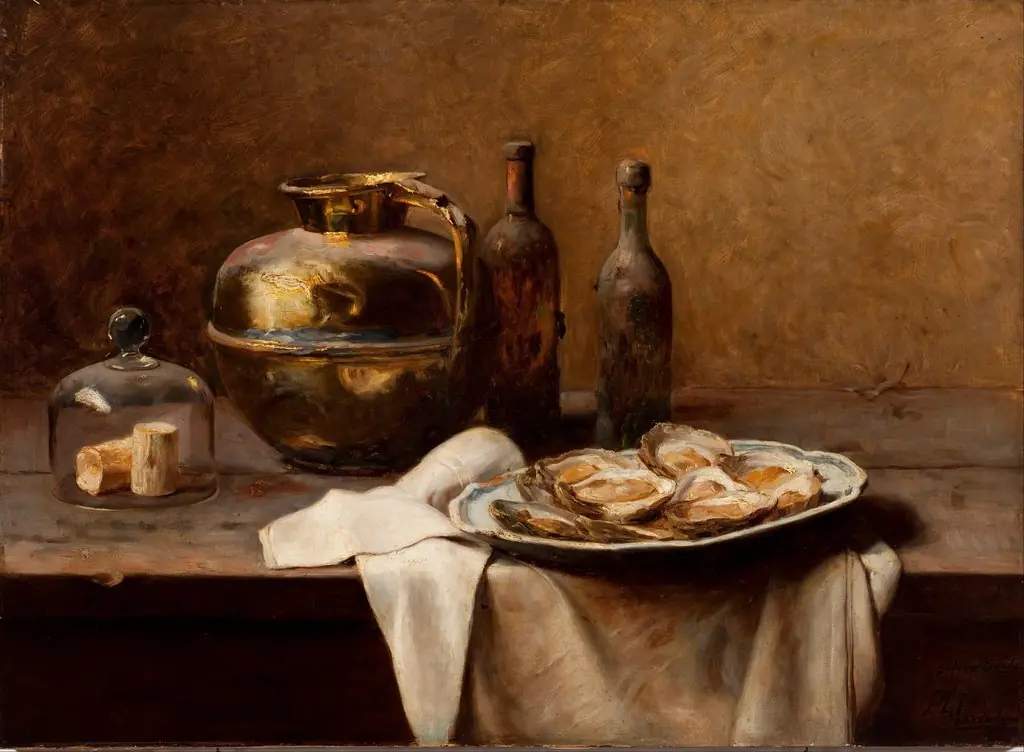
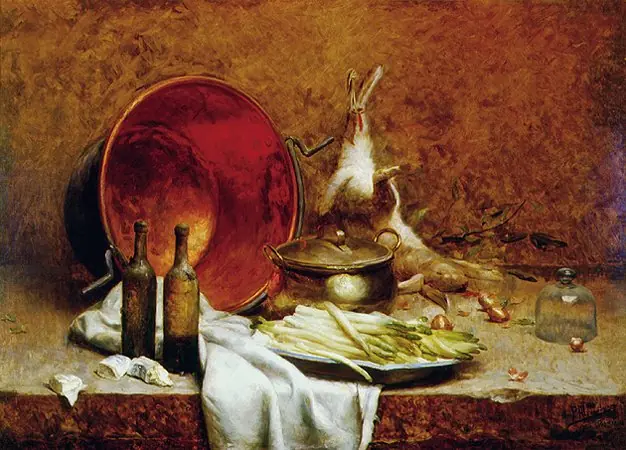
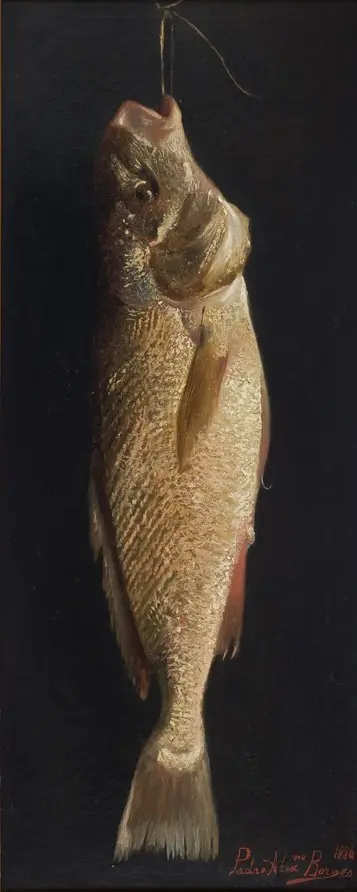
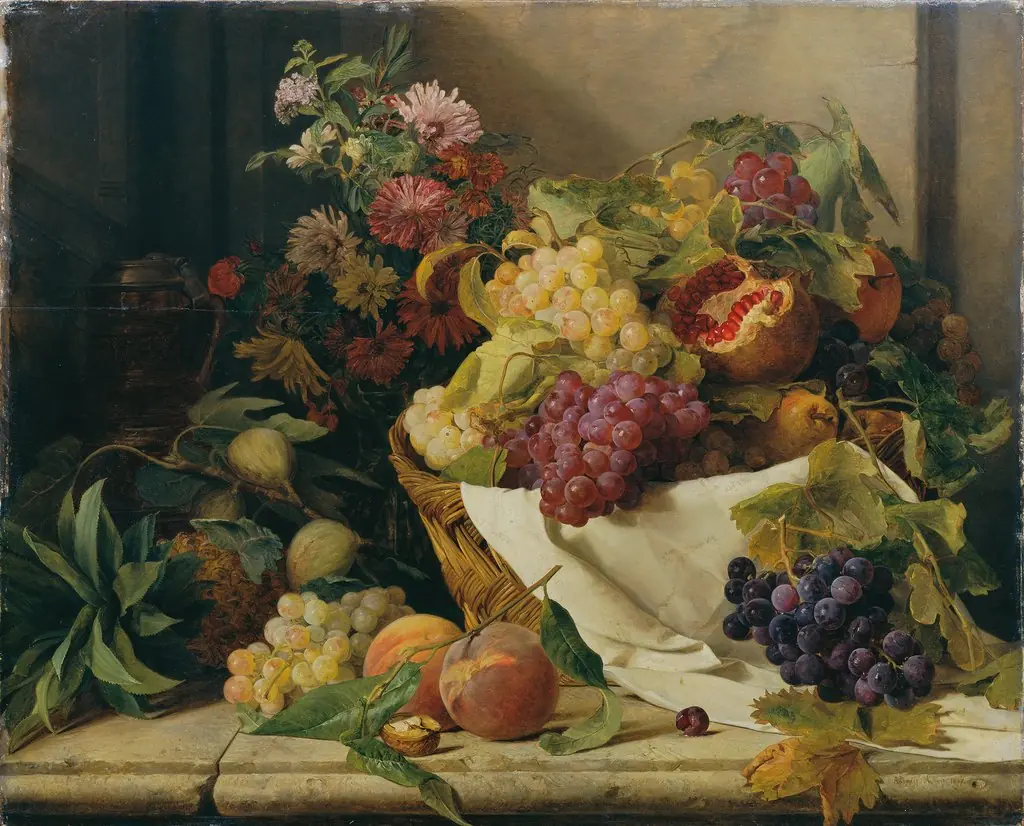
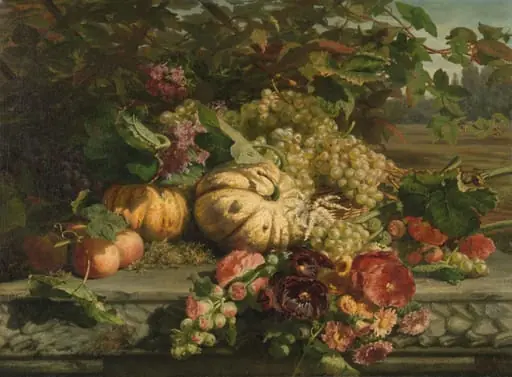
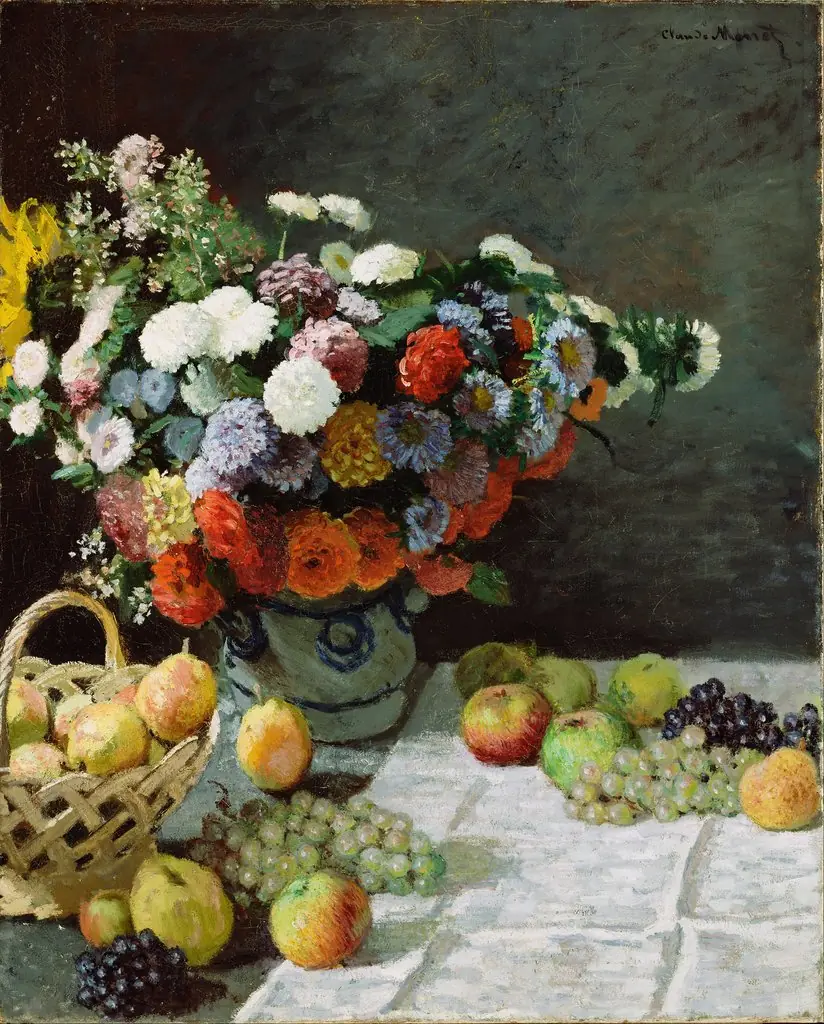
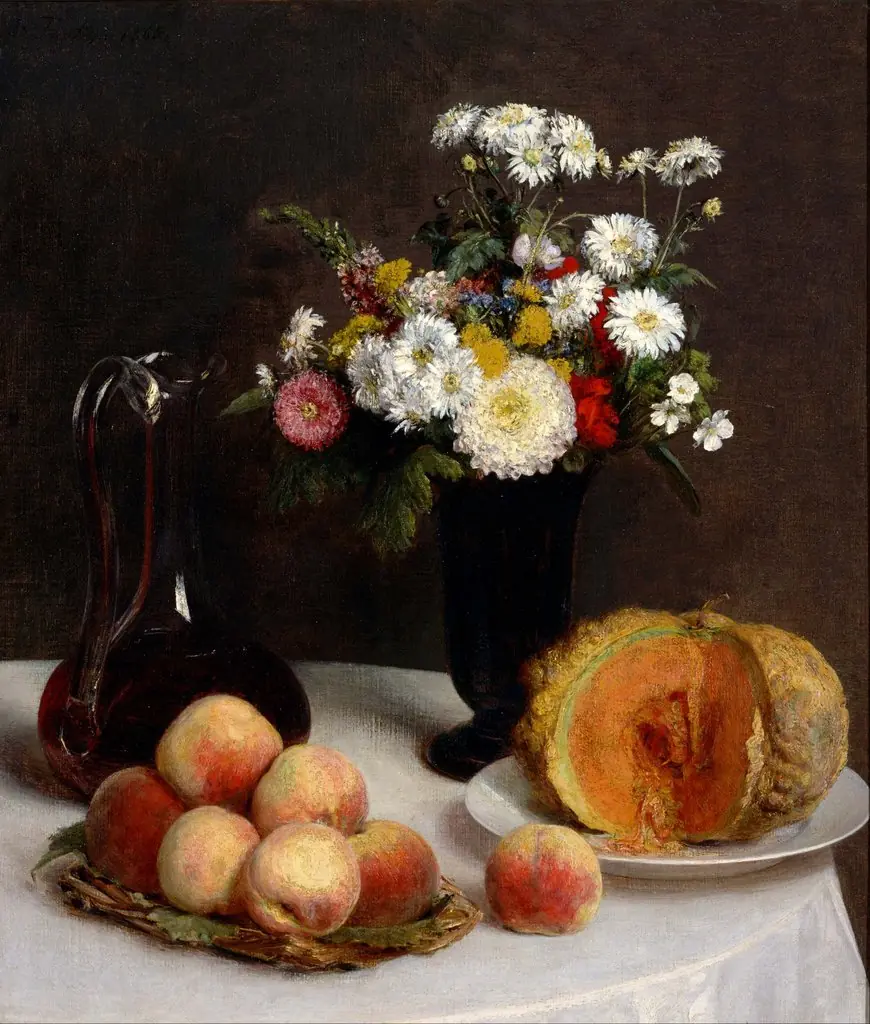
Painted around 1906 by Pedro Alexandrino Borges, this still life combines fruit and floral elements in a quiet, contemplative composition. Executed in oil on canvas, the work is part of the Pinacoteca do Estado de São Paulo’s collection. Its restrained palette and focused arrangement reflect a tradition of Brazilian still-life painting that emphasizes observation over ornamentation.
Subject & Meaning
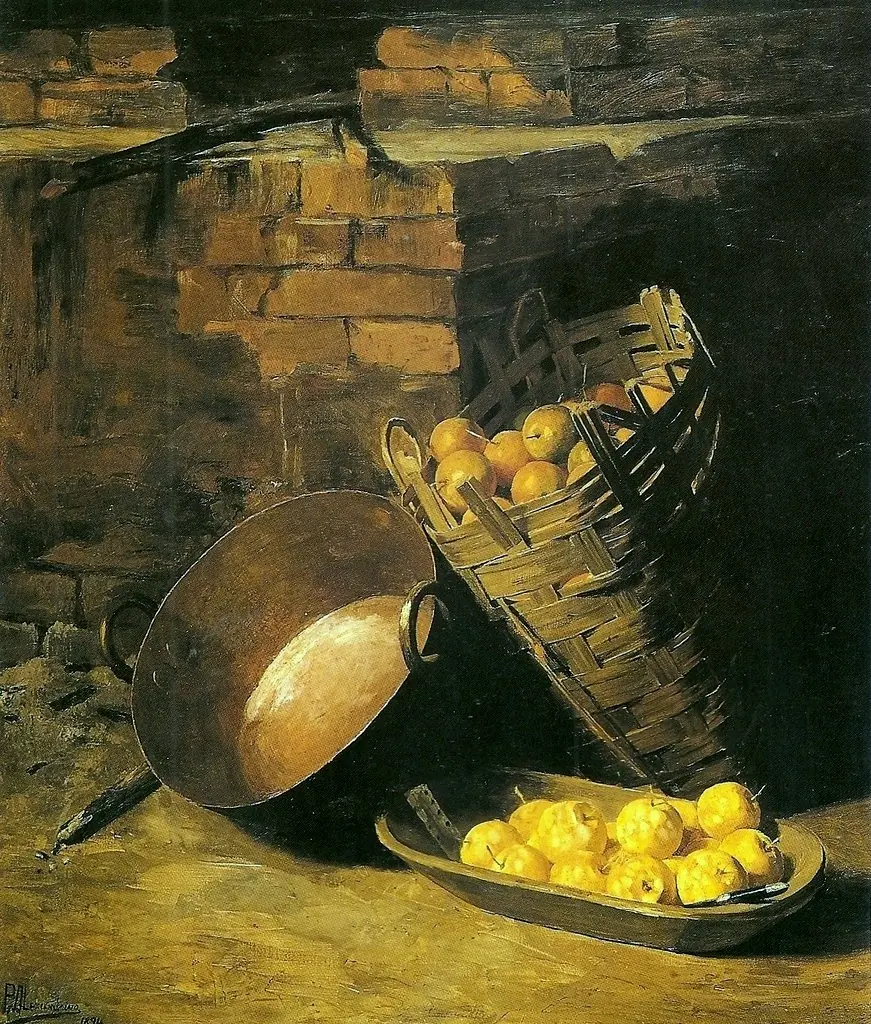
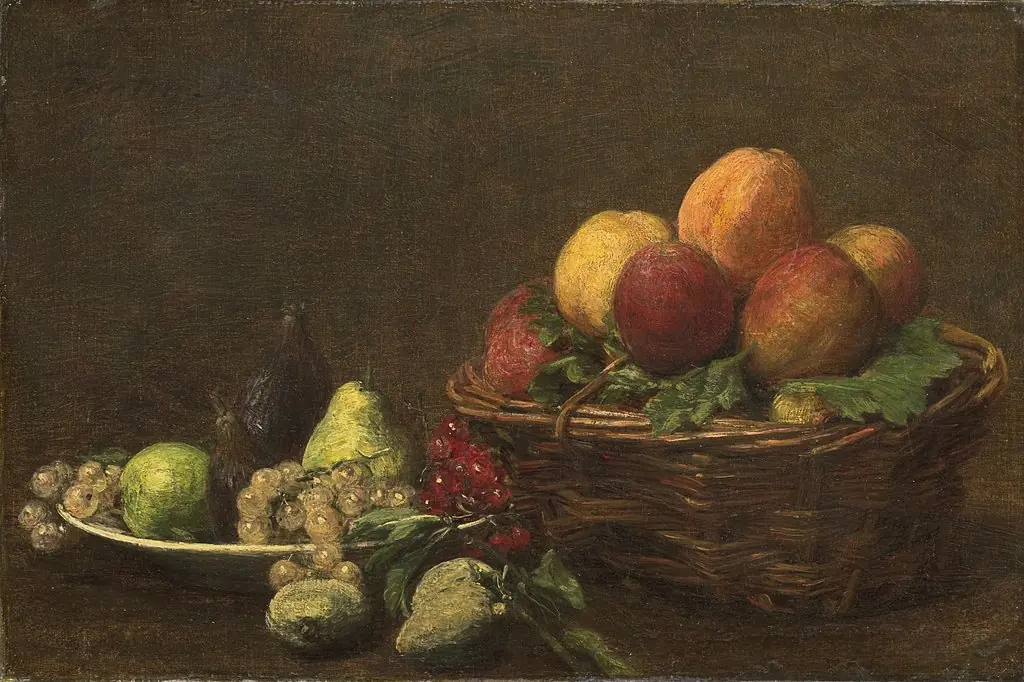
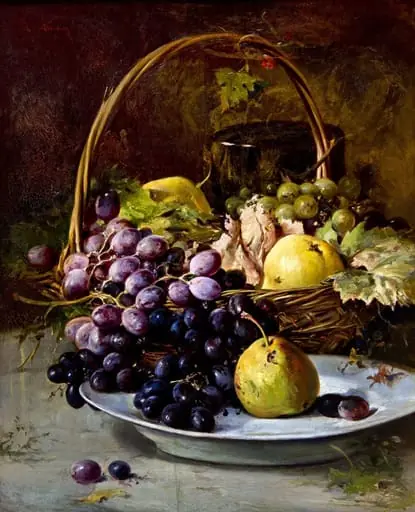
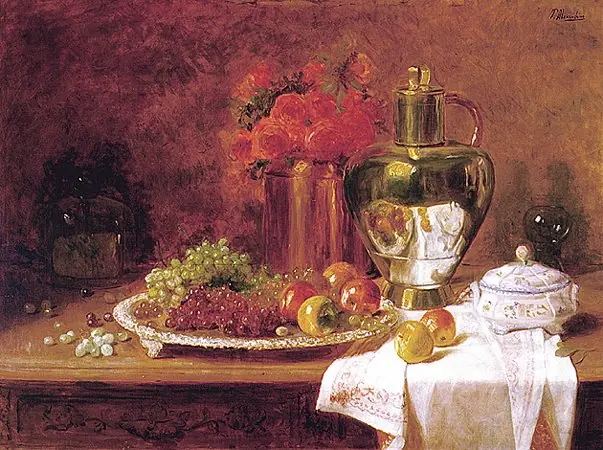
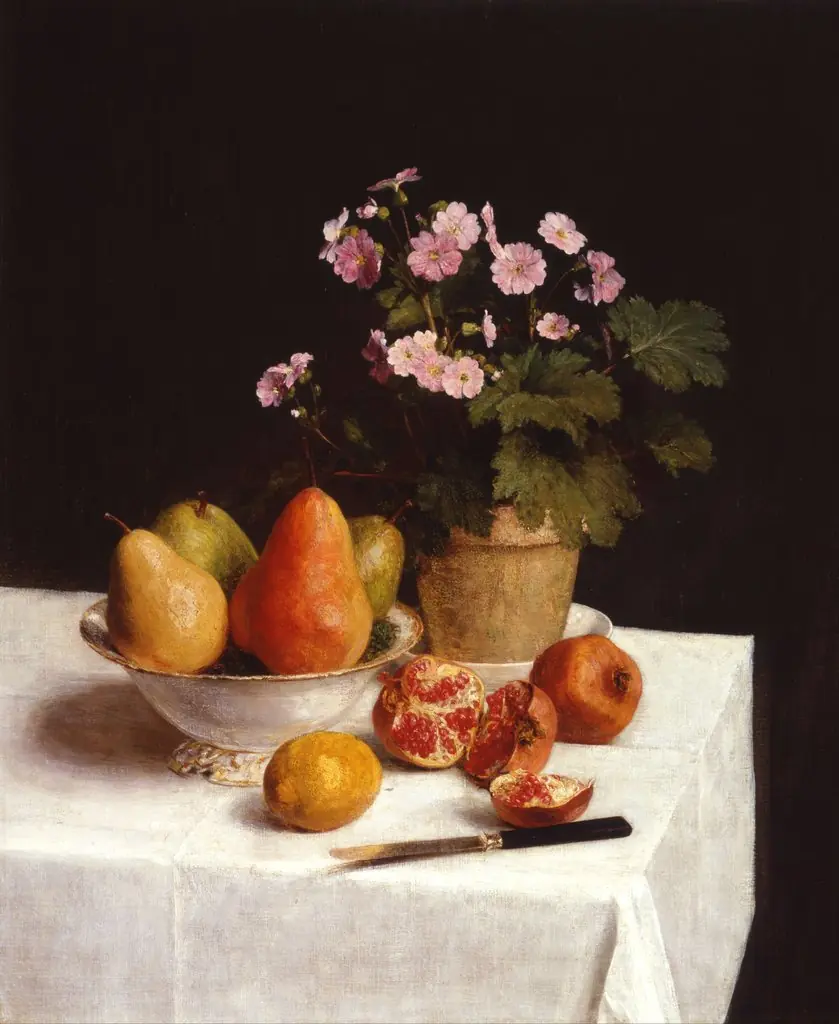
A wicker basket holds a modest selection of seasonal fruits, while a brown ceramic vase supports a cluster of flowers. The arrangement lacks symbolic overtone, instead presenting everyday objects with quiet dignity. The composition invites quiet reflection on transience and domestic beauty, rooted in the sensory experience of texture, color, and form rather than allegory.
Technique & Style
Borges employs oil paint to build subtle layers, enhancing the tactile quality of each surface—glossy fruit skin, velvety petals, woven basket fibers. A dark, unmodulated background isolates the still life, allowing light to model forms with precision. Chiaroscuro is used sparingly but effectively to suggest volume, avoiding theatricality in favor of naturalistic observation.
History & Provenance
The painting entered the Pinacoteca do Estado de São Paulo’s holdings in the early 20th century, likely acquired during a period of institutional efforts to document Brazilian artistic production. Its provenance before acquisition remains undocumented, but its presence in the collection underscores its recognition as a representative work of regional still-life practice at the time.
Context
Created during a time when Brazilian artists were increasingly turning to domestic subjects, this painting aligns with a broader shift away from European academic models. Borges’s focus on humble, locally available flora and fruit reflects a growing cultural interest in identifying national identity through everyday visual language, distinct from imported genres.
Legacy
Though not widely exhibited beyond regional collections, the work contributes to an understudied strand of early 20th-century Brazilian painting. It preserves a quiet, observational approach to still life that contrasts with the more overtly modernist trends emerging later. Its endurance in the Pinacoteca’s collection affirms its value as a document of aesthetic restraint and technical care.
Artist & collection
Artist
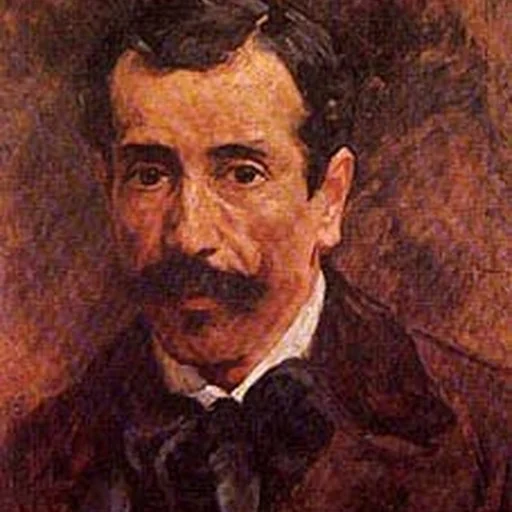
Pedro Alexandrino Borges (1856–1942) was an artist, born in São Paulo.