Artwork
Untitled
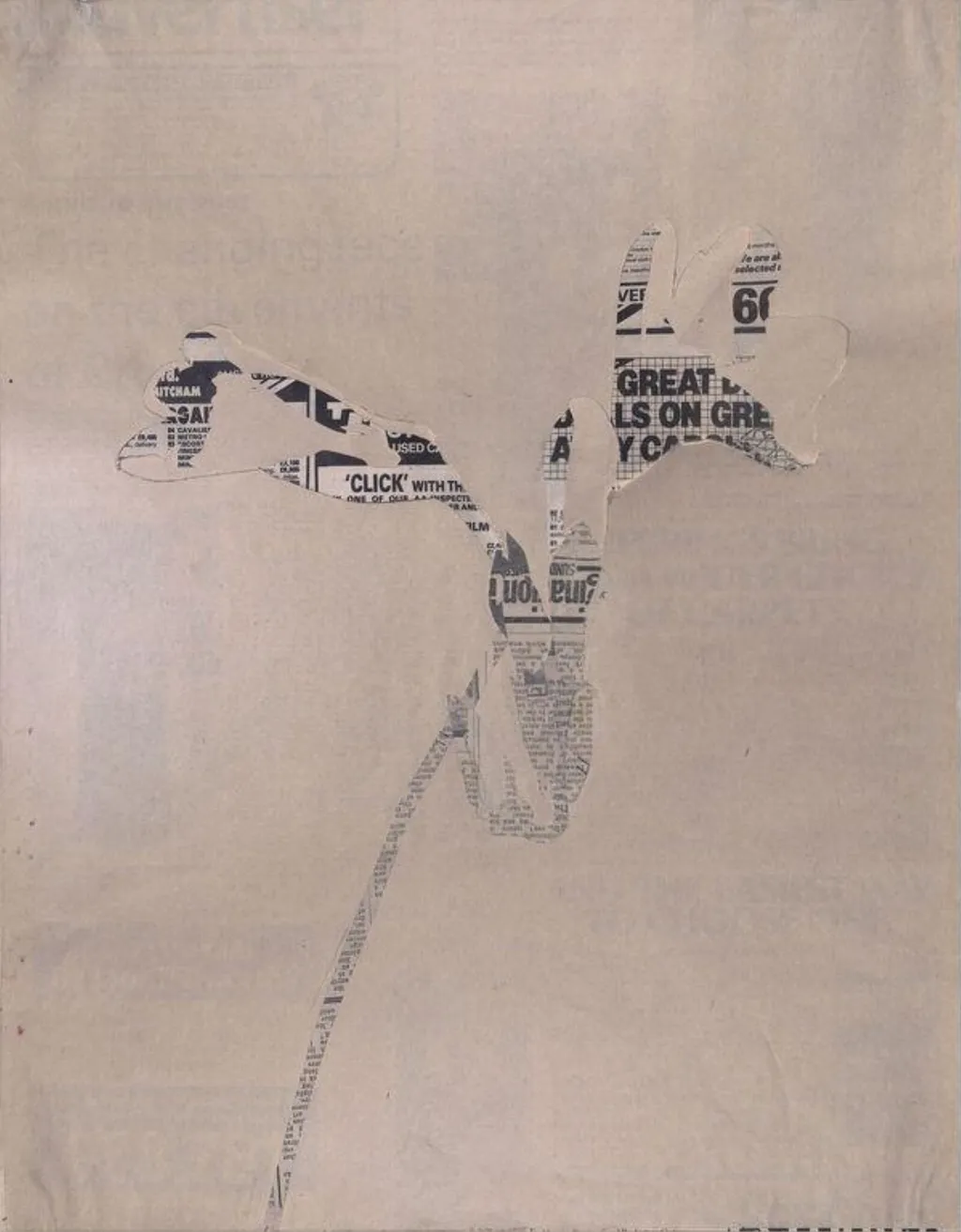
Untitled is a drawing by Eric Harry Peskett. It dates from 1950 and is held in the collection of the Victoria and Albert Museum.
About this work
Overview
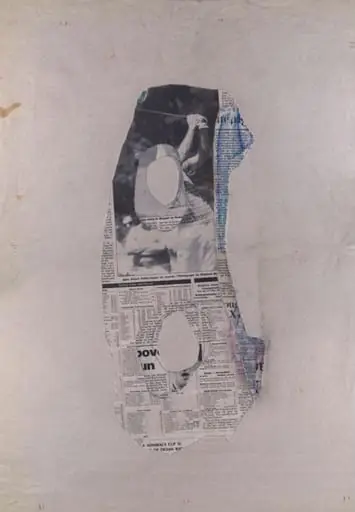
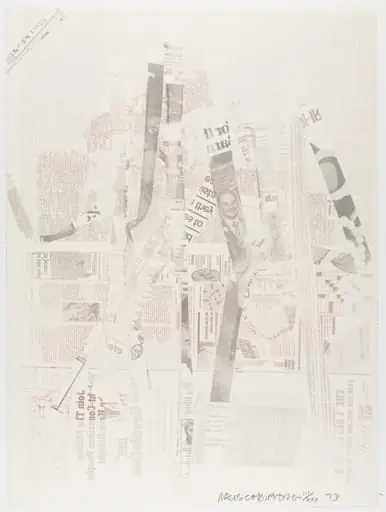
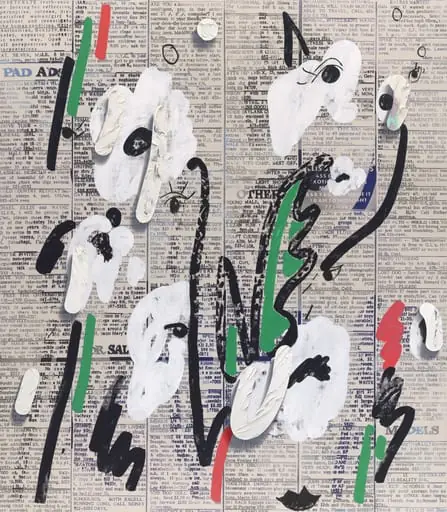
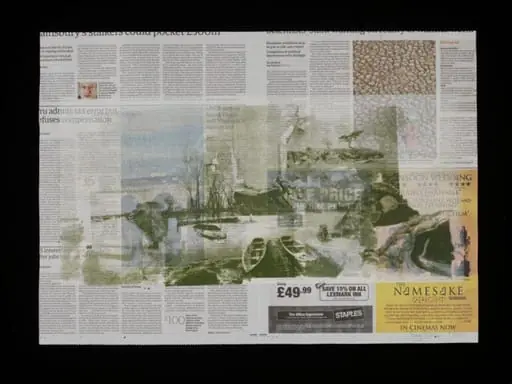
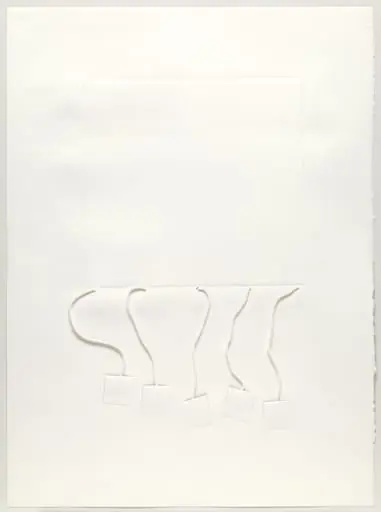
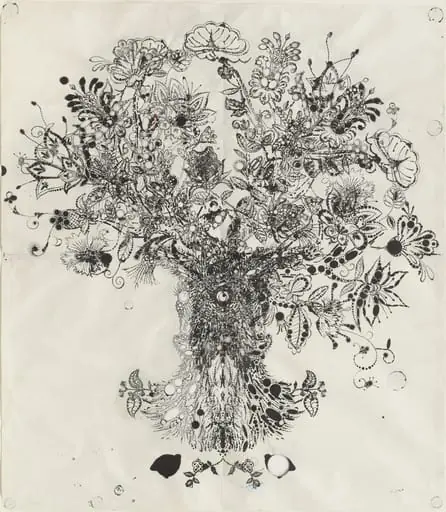
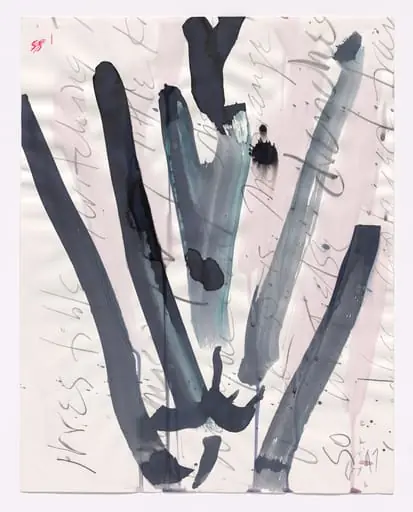
Created in 1950 by Eric Harry Peskett, this drawing is composed of layered newspaper fragments and cut stencils, with colored chalk applied to the surface.
Created in 1950 by Eric Harry Peskett, this drawing is composed of layered newspaper fragments and cut stencils, with colored chalk applied to the surface. The work avoids traditional representation, instead assembling imagery from found printed materials. Its construction emphasizes texture and fragmentation, with no background beyond the raw paper substrate, focusing attention entirely on the central forms.
Subject & Meaning
Two hands, constructed from cut paper, cradle fragments of old movie tickets bearing partially legible text such as 'Great Lakes on GREY' and 'CLICK WITH.' The tickets suggest fleeting cultural moments, while the hands—themselves made of paper—imply labor, gesture, or preservation. The imagery evokes memory and decay, with no clear narrative, leaving interpretation open to the viewer’s association with cinema and ephemera.
Technique & Style
Peskett assembled the image using cut-out newspaper pieces and stencils, layering them to form the hands and tickets. Colored chalk was applied to define contours and add subtle tonal variation. The technique resembles collage, with each element sourced from printed matter and recontextualized. Fine details emerge through the accumulation of small textual fragments, creating a tactile, puzzle-like surface.
History & Provenance
The work dates from 1950, a period when artists increasingly incorporated found materials into their practice. While specific ownership history is not documented, its materials—newspaper and chalk—suggest a modest, intimate process, likely made in a domestic or studio setting. It reflects postwar experimentation with non-traditional media, aligning with broader trends in mid-century drawing practices.
Context
Emerging in the early 1950s, this work resonates with contemporaneous movements that embraced assemblage and textual fragmentation, such as early Fluxus and Dadaist influences. Unlike grand narratives in painting, it engages with the mundane—discarded print, everyday gestures—elevating them through careful arrangement. Its quietness contrasts with the dominant abstract expressionism of the era, favoring intimacy over scale.
Legacy
Though not widely exhibited, the drawing exemplifies a quiet but persistent strand of postwar drawing that valued materiality and textual residue. Its use of ephemera prefigures later conceptual and collage-based practices. The work remains a subtle testament to how ordinary printed matter could be transformed into contemplative visual language, influencing artists interested in the poetry of the discarded.
Artist & collection
Artist
Eric Peskett spent his evenings sketching the flicker of pub signs in London, turning neon reflections into wobbly, warm lines.