Artwork
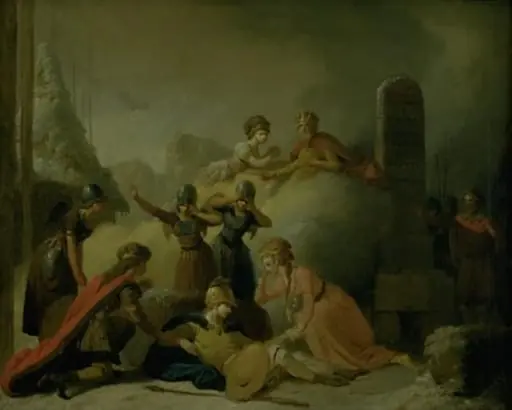
Slutningsscenen af Johannes Ewalds "Balders Død"
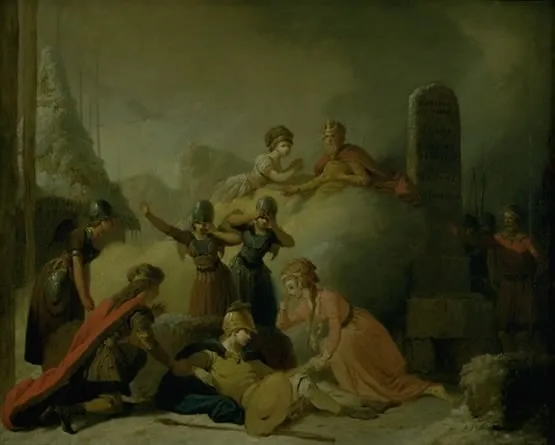
Slutningsscenen af Johannes Ewalds "Balders Død" is an oil painting by the Rococo painting artist Peter Cramer. It dates from 1761 and is held in the collection of the Statens Museum for Kunst.
About this work
Overview
The painting resides in the collection of Statens Museum for Kunst, reflecting its significance in Danish cultural heritage during the late 18th century.
Painted in 1761 by Danish artist Peter Cramer, this oil-on-canvas work illustrates the final scene of Johannes Ewald’s tragedy *Balders Død*. Cramer, primarily recognized for stage design and portraiture, applied his theatrical sensibility to this historical subject. The painting resides in the collection of Statens Museum for Kunst, reflecting its significance in Danish cultural heritage during the late 18th century.
Subject & Meaning
The scene captures the aftermath of Balder’s death, a pivotal moment in Norse mythology where the god of light is mourned by gods and heroes. Figures are arranged in gestures of grief—kneeling, reclining, and standing in silent anguish. The composition emphasizes collective sorrow rather than individual heroism, aligning with Ewald’s literary focus on loss and the fragility of divine order.
Technique & Style
Cramer employs a restrained palette of earth tones and muted grays, avoiding the ornamental brightness typical of Rococo. Figures are rendered with soft modeling and subtle contrasts, suggesting emotional weight over dramatic flair. The arrangement of bodies creates a shallow, stage-like space, reinforcing the painting’s theatrical origins while avoiding overt spectacle.
History & Provenance
Commissioned during a period of renewed interest in Nordic myth and national identity, the painting was completed shortly after Ewald’s play premiered. It entered the state collection in the 19th century, where it remains as part of Denmark’s effort to document its literary and visual culture. No significant alterations or reworkings are documented in its history.
Context
Created amid Enlightenment-era fascination with classical antiquity and northern legends, the work reflects Denmark’s cultural pivot toward its mythological past. While Rococo aesthetics influenced its composition, Cramer’s subdued tone distinguishes it from contemporaneous French or Italian works, aligning more closely with emerging Nordic sentimentalism.
Legacy
Though not widely reproduced, the painting is cited in studies of Danish Romantic precursors and the intersection of theater and painting. It exemplifies how literary themes were visualized in a national context, influencing later artists who sought to translate Nordic sagas into visual form without overt idealization.
Artist & collection
Artist
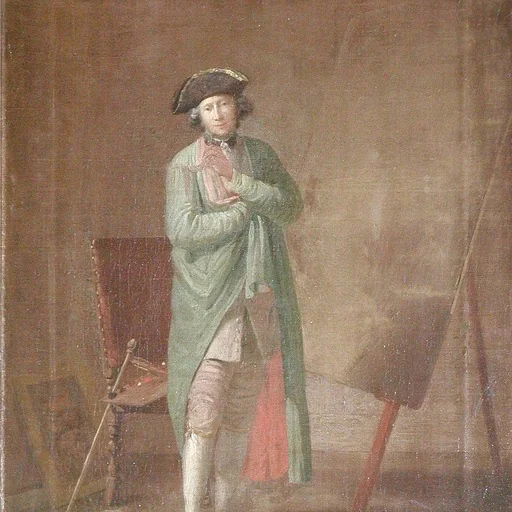
Peter Cramer (24 August 1726 in Copenhagen – 17 July 1782 in Copenhagen) was a Danish painter who specialized in theatrical scenery, decorative work and portraiture.

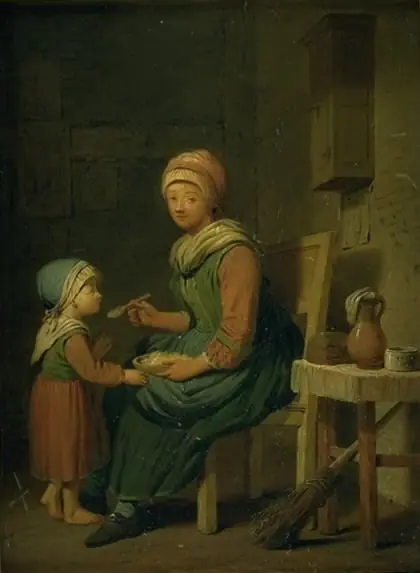
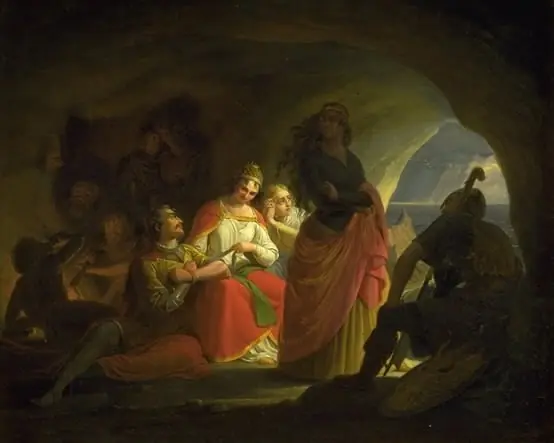 Prins Buris, Liden Kirsten, Skøn Hulfrid og Stolt Ingefrid fanget af Ulf Svartskæg
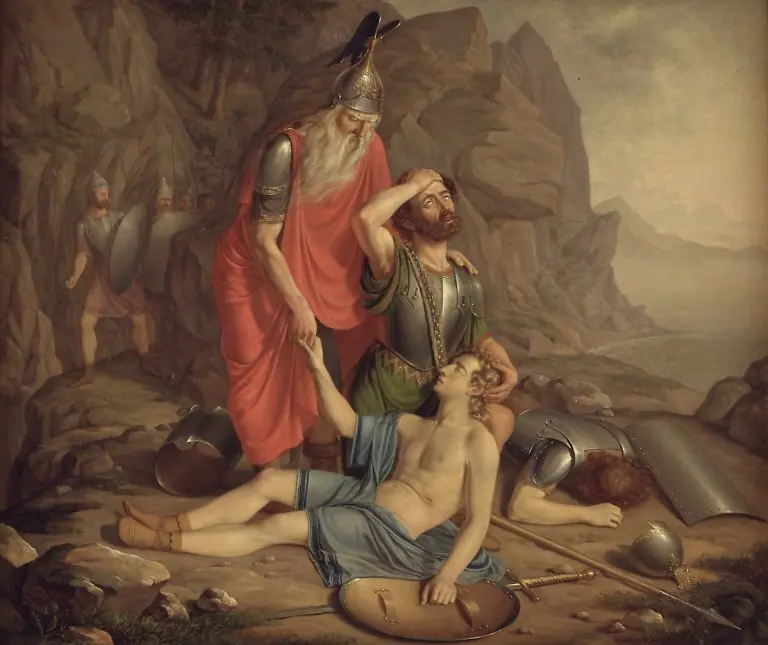 Oscars død
 Oscars død
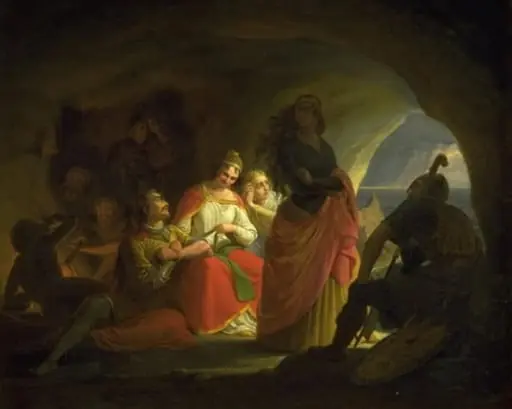 Prins Buris, Liden Kirsten, Skøn Hulfrid og Stolt Ingefrid fanget af Ulf Svartskæg
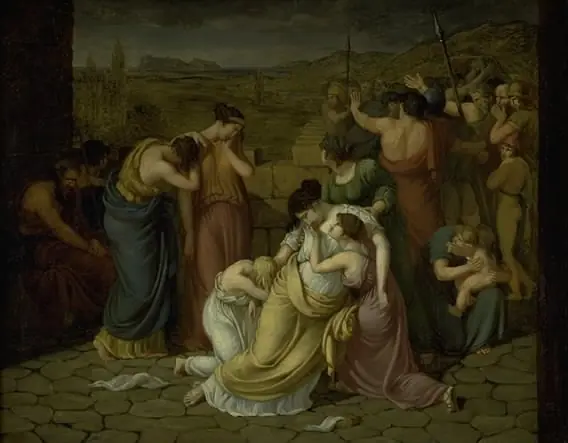 Andromache in Despair at the Sight of Hector's Body
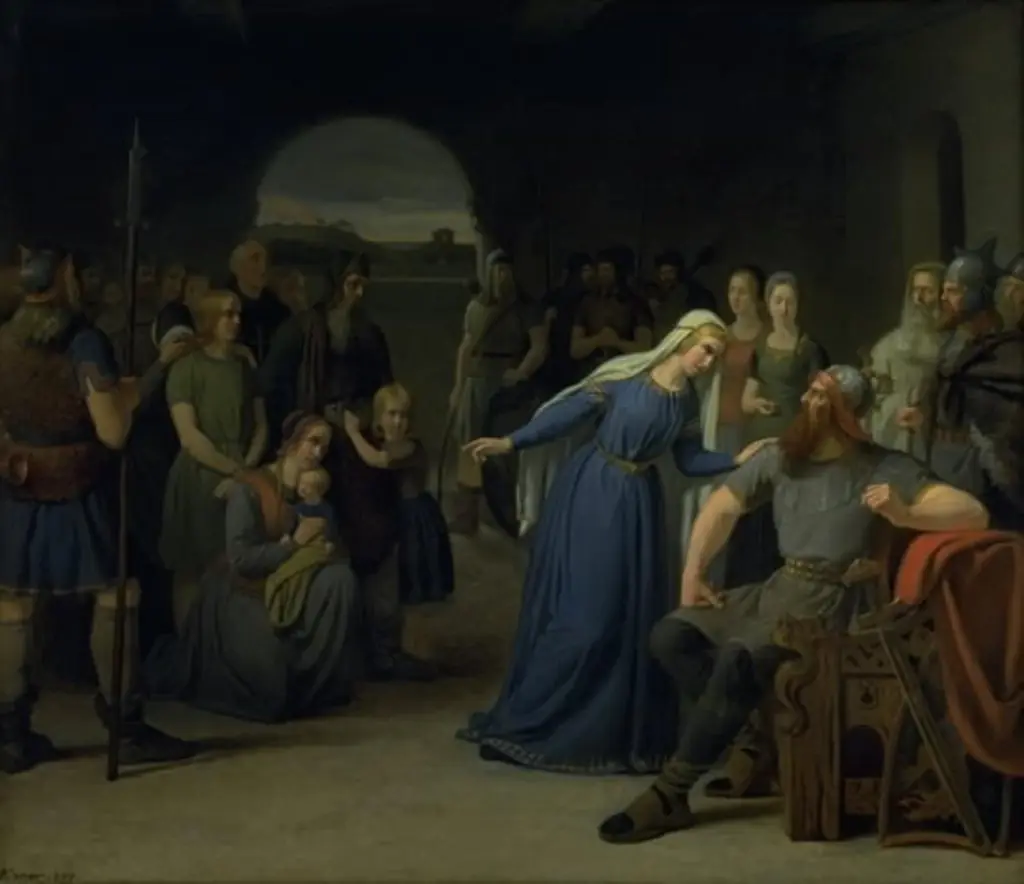 The Danish Queen Thyra Danebod Trying to Soften the Heart of her Husband, Gorm the Old, towards some Christian Captives
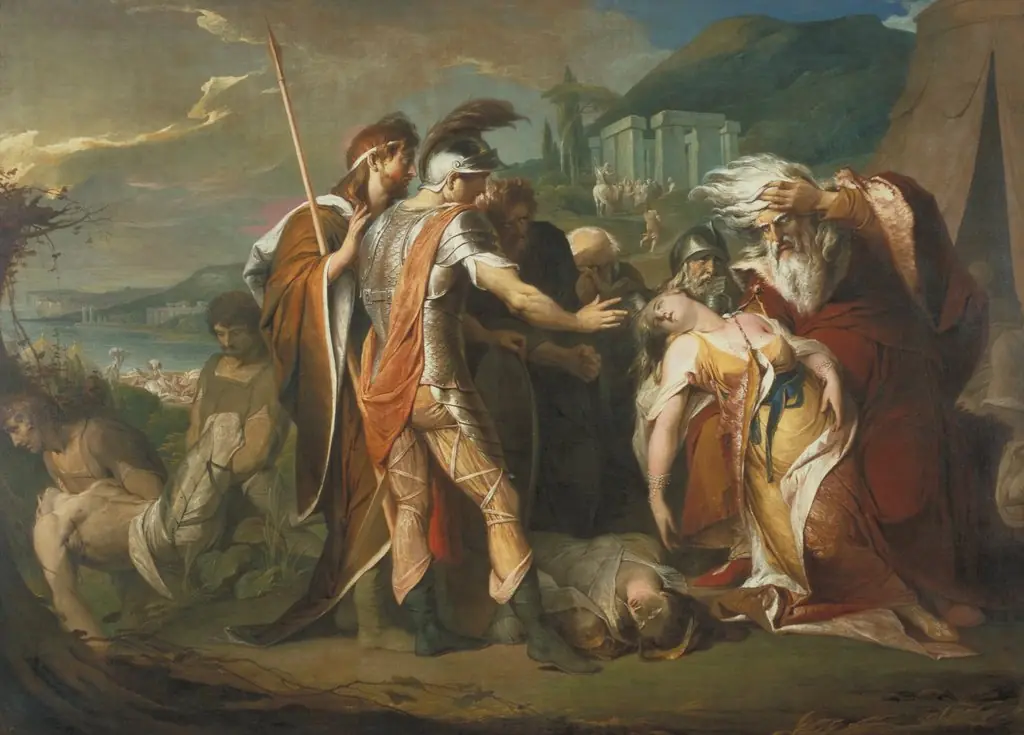 King Lear Weeping over the Dead Body of Cordelia
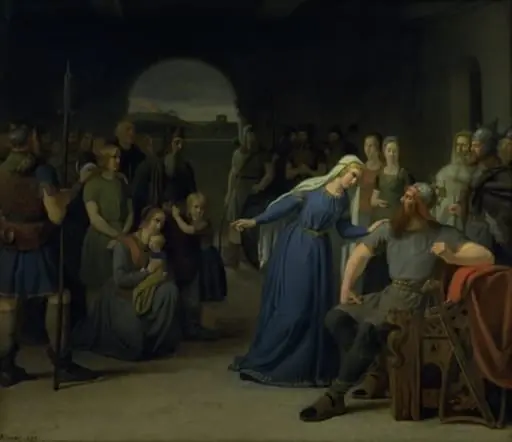 The Danish Queen Thyra Danebod Trying to Soften the Heart of her Husband, Gorm the Old, towards some Christian Captives
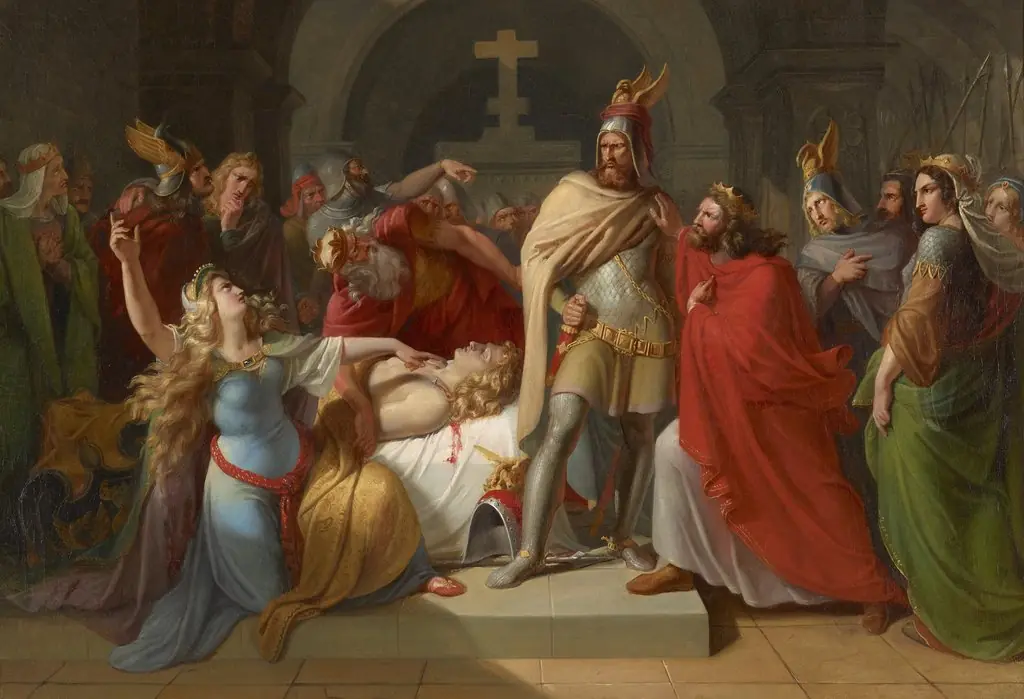 Kriemhild an der Leiche Siegfrieds erklärt Hagen als dessen Mörder und schwört Rache
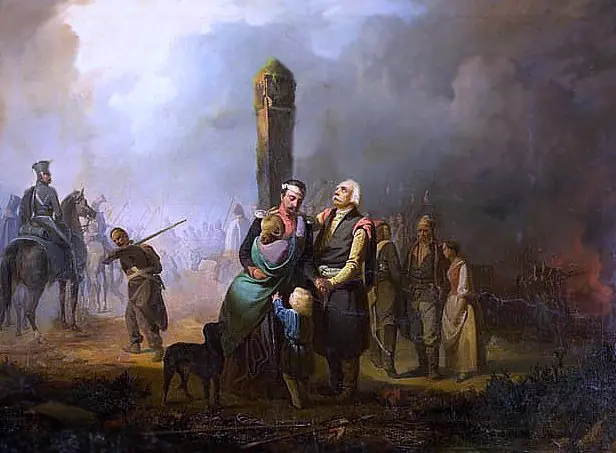 Poles crossing the Prussian frontier
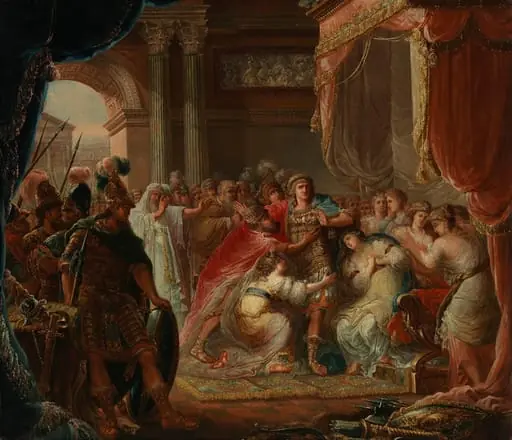 Prinssi Meleager kieltäytyy taistelemasta maan vihollisia vastaan, kopio Jonas Åkerströmin mukaan
 Slutningsscenen af Johannes Ewalds "Balders Død"