Artwork
Portrait of a woman
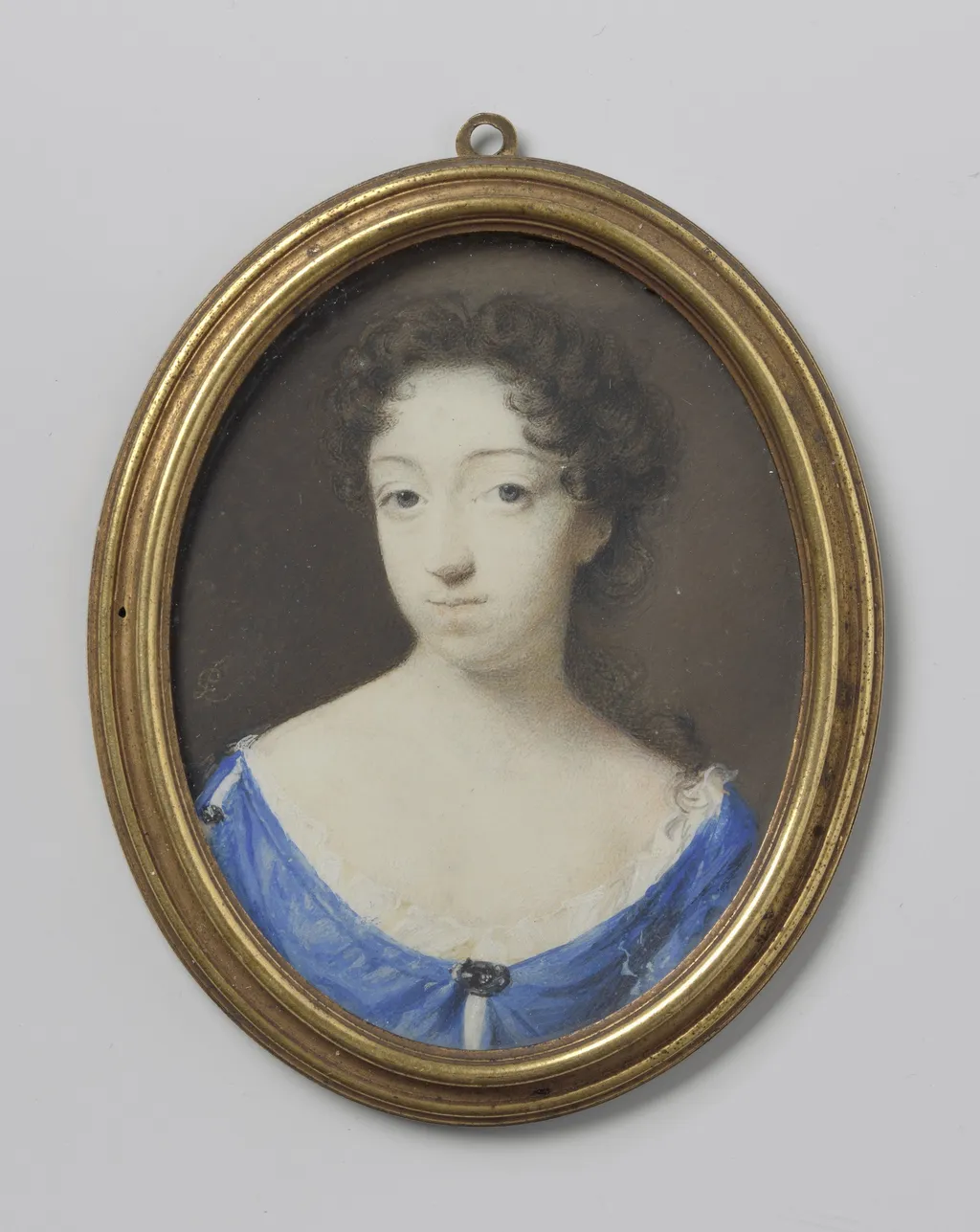
Portrait of a woman is a watercolor painting by Peter Cross. It dates from 1693 and is held in the collection of the Rijksmuseum. This watercolor portrait, dated 1693, portrays an unidentified woman with quiet composure.
About this work
Overview
This watercolor portrait, dated 1693, portrays an unidentified woman with quiet composure. Executed in translucent pigments on paper, it belongs to the collection of the Rijksmuseum in Amsterdam. The work reflects the refined portraiture practices of late 17th-century Europe, where watercolor was occasionally employed for intimate, personal likenesses rather than grand public commissions.
Subject & Meaning
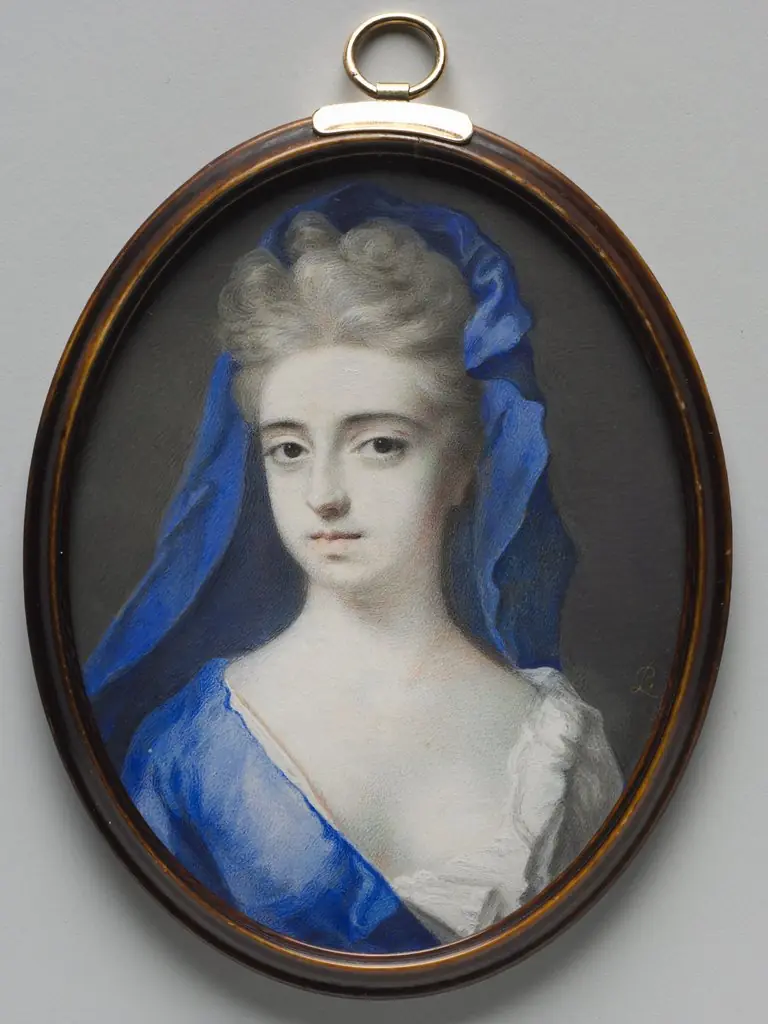
The sitter wears a blue dress edged with white lace and a small black brooch at the neck, indicating modest affluence and attention to detail in dress.
The sitter wears a blue dress edged with white lace and a small black brooch at the neck, indicating modest affluence and attention to detail in dress. Her dark, curled hair and direct gaze suggest self-possession and social awareness. The neutral expression avoids theatricality, favoring a restrained dignity common among portraits of women of means during this period, emphasizing presence over narrative.
Technique & Style
The artist employed watercolor with precision, layering thin washes to model the face and fabric with subtle gradations. Delicate linework defines the lace trim and hair, while the paper’s texture remains visible, enhancing the softness of the medium. The restrained palette and lack of background focus attention entirely on the figure, a hallmark of intimate portrait studies from the era.
History & Provenance
The portrait entered the Rijksmuseum’s collection in the 19th century, though its earlier ownership remains undocumented. It was long misattributed to Peter Cross, a 20th-century British illustrator, but current scholarship confirms it as an anonymous Dutch or English work from the 1690s. No records link it to a known artist, placing it among the many unattributed portraits preserved in institutional archives.
Context
In late 17th-century Northern Europe, watercolor portraits were often private commissions, used as keepsakes or gifts rather than public displays. This piece aligns with a tradition of small-scale, finely detailed likenesses produced for domestic settings. Unlike oil portraits of nobility, such works reveal the aesthetic preferences of the middling elite, valuing subtlety and personal expression over grandeur.
Legacy
Though unsigned and unattributed, the portrait endures as an example of skilled watercolor portraiture from a period when the medium was gaining recognition for its expressive potential. Its preservation in a major museum underscores its value as a cultural artifact, offering insight into the quiet dignity and visual language of non-royal women in early modern Europe.
Artist & collection
Artist
Peter Cross (born 1951 in Guildford) is a British illustrator. His style features lifelike drawings of British wildlife, in cartoon-like situations. Ostensibly produced for children, they include sufficient visual puns…

 Portrait of a Woman
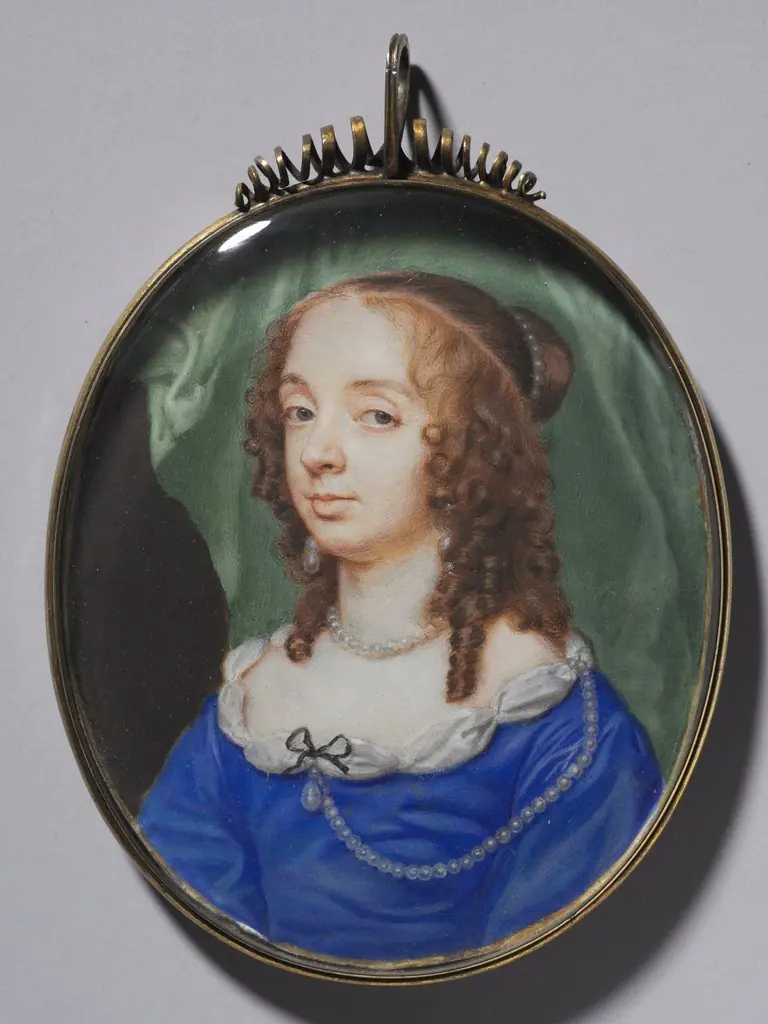 Portrait of a Woman
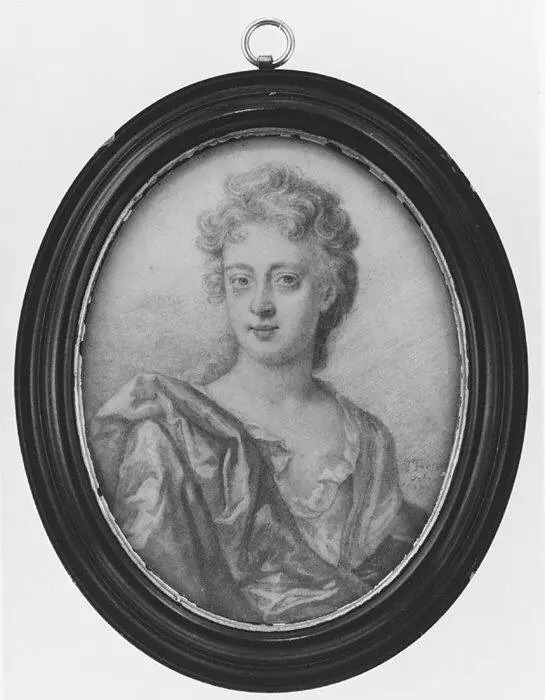 Portrait of a Woman
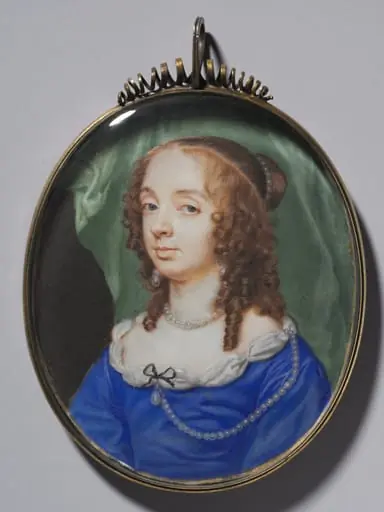 Portrait of a Woman
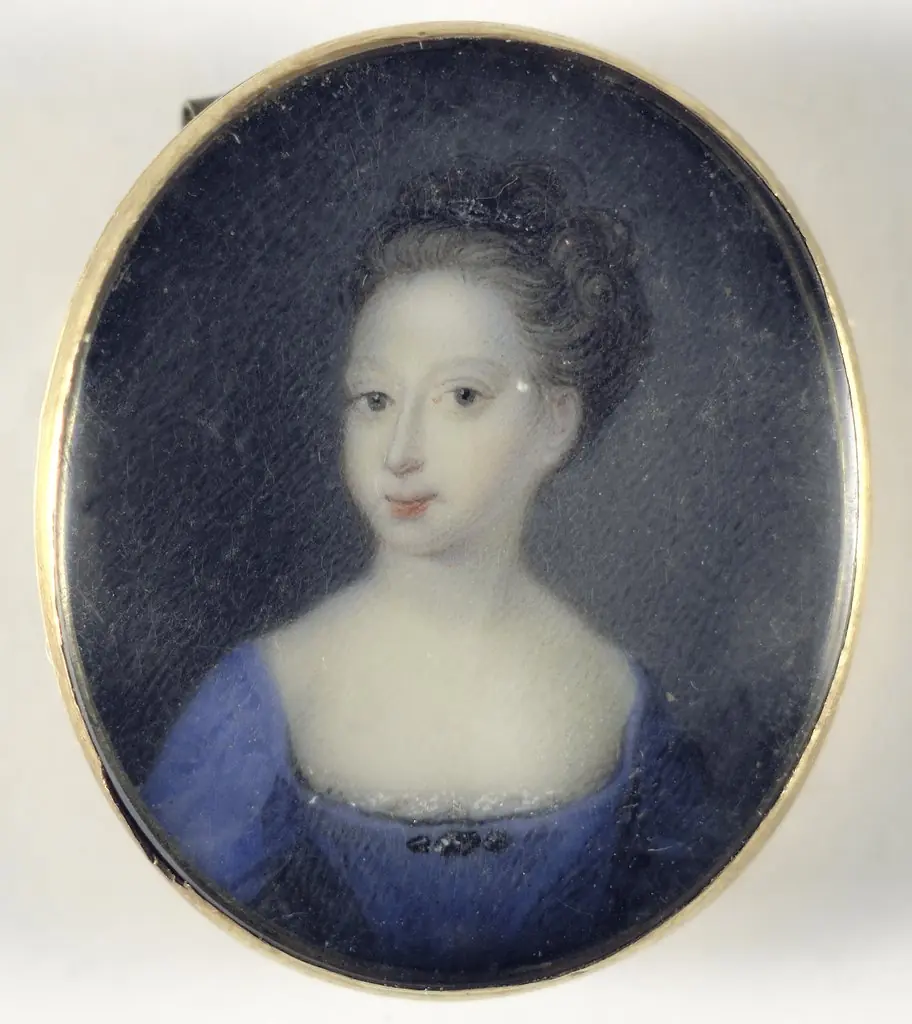 Portret van een meisje, vermoedelijk een dochter van George II, koning van Engeland
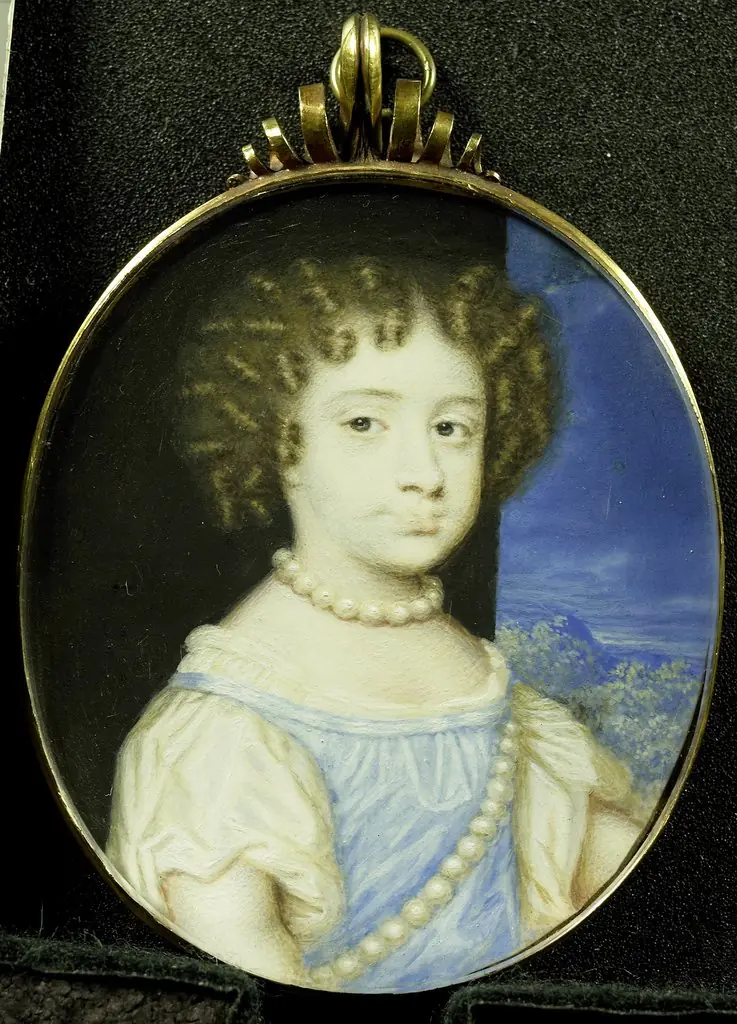 Portrait of Mary II Stuart (1662-1695)
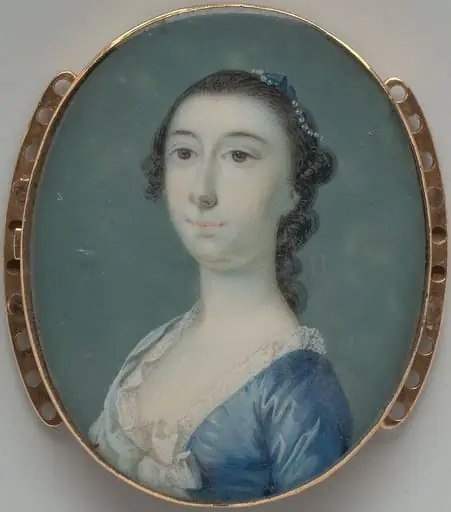 Mrs. Jacob Motte (Rebecca Brewton)
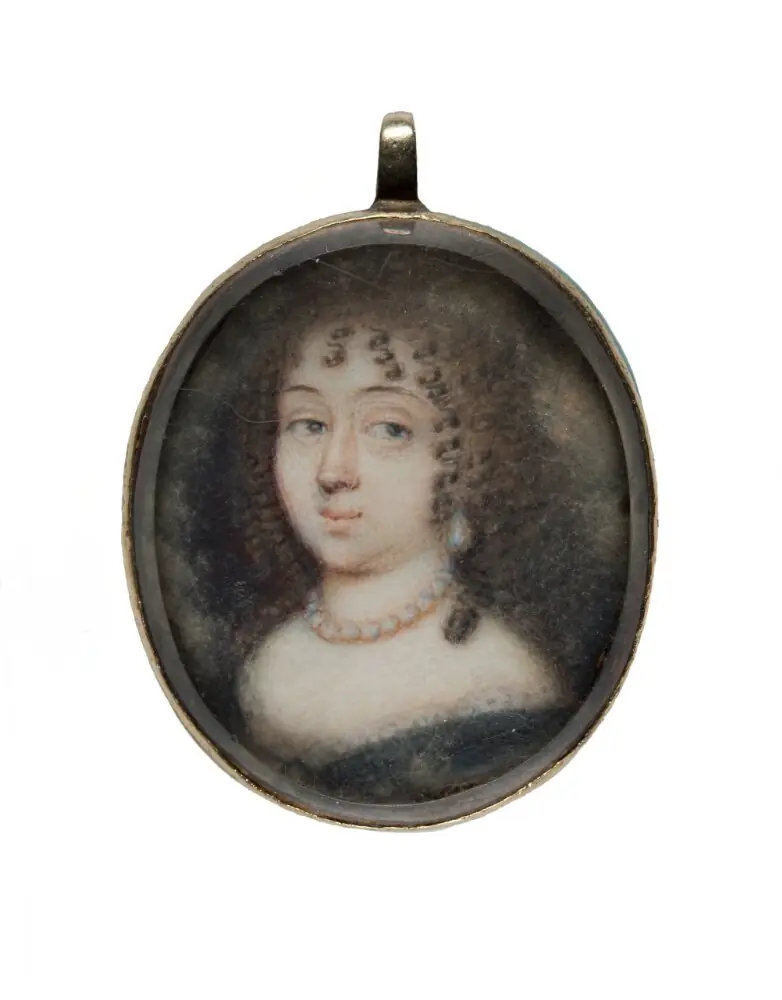 Unknown woman
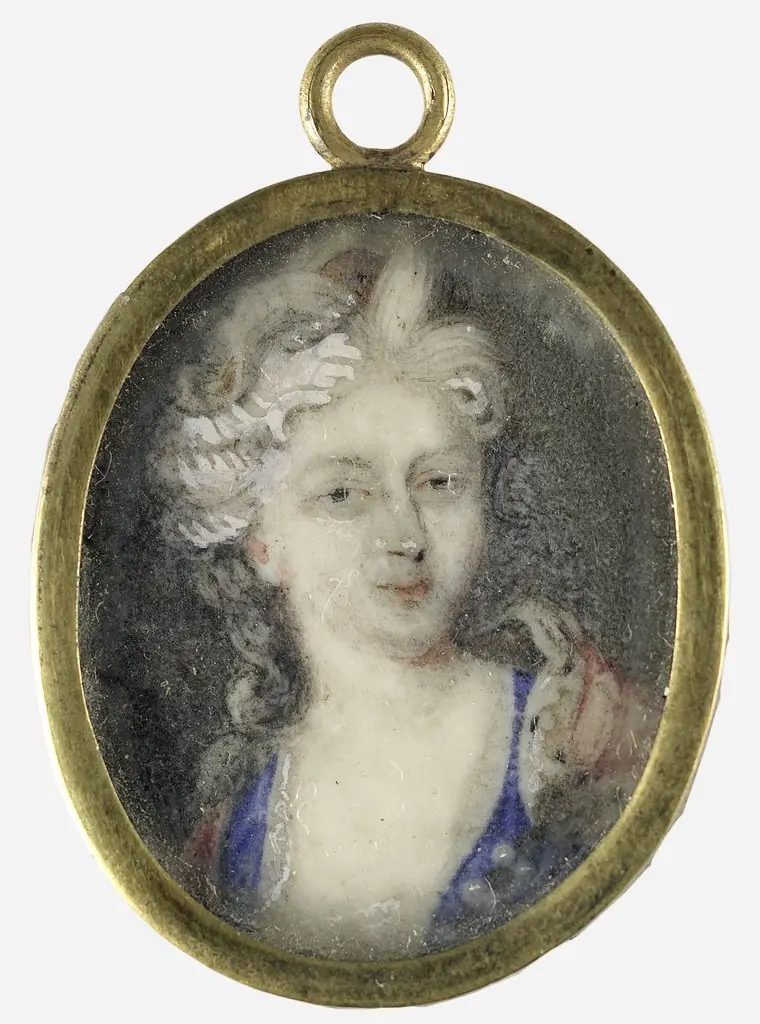 Portret van een vrouw, vermoedelijk Christiane Charlotte van Württemberg (1694-1729)
 Portret van een vrouw
 Portrait of a Woman in Blue
 Marie, markiezin van Sévigné (1626-96)