Artwork
Porträtt av man i allongeperuk med röd mantel
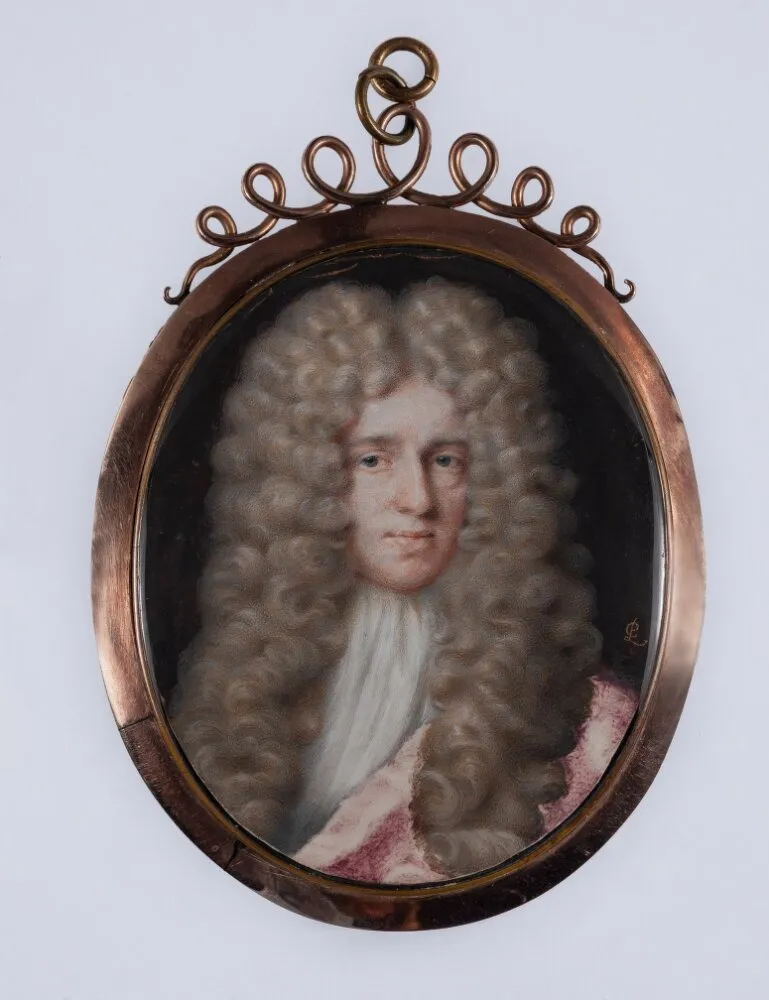
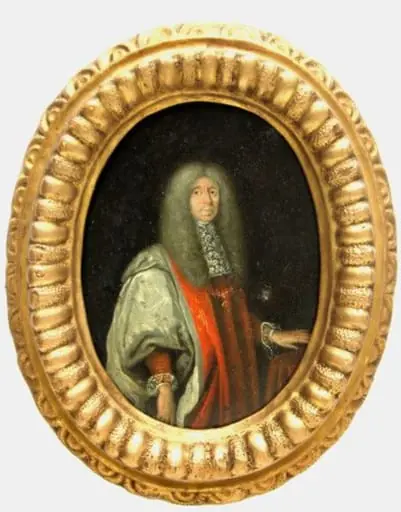
Porträtt av man i allongeperuk med röd mantel is an unspecified painting by the Rococo painting artist Peter Cross. It dates from 1700 and is held in the collection of the Nationalmuseum. This 18th-century portrait depicts a man in formal attire, characterized by a long, elaborately curled wig and a richly draped red cloak.
About this work
Overview
This 18th-century portrait depicts a man in formal attire, characterized by a long, elaborately curled wig and a richly draped red cloak. Painted around 1700, it reflects the aristocratic fashion of the period and is part of the Nationalmuseum’s collection in Sweden. The composition centers the figure against a dark, unobtrusive background, emphasizing texture and presence over narrative context.
Subject & Meaning
The sitter’s attire suggests high social standing, with the allonge wig and crimson cloak indicating wealth and status in early 1700s European elite circles. The portrait does not convey a specific identity or profession, focusing instead on the visual language of power and refinement. The absence of symbolic objects or settings underscores the emphasis on personal dignity and material display.
Technique & Style
The painting employs a restrained palette dominated by deep shadows and the vivid red of the cloak, enhancing the figure’s three-dimensionality. Brushwork is precise but not overly ornate, capturing the texture of lace, wool, and curled hair with quiet realism. The Rococo influence is subtle, seen in the elegance of form rather than in decorative excess.
History & Provenance
The work entered the Nationalmuseum’s holdings as part of its broader collection of Swedish and European portraiture. Its origins are undocumented prior to museum acquisition, and the sitter’s identity remains unknown. It has been consistently cataloged as an example of early 18th-century Scandinavian portraiture, likely executed by a local artist familiar with continental trends.
Context
In the decades before the full emergence of Rococo, European portraiture favored dignified, composed likenesses that signaled social rank through costume. This painting aligns with trends seen in France and the Netherlands, where wigs and rich fabrics were markers of status. Swedish patrons often commissioned such works to align with broader European courtly aesthetics.
Legacy
Though not attributed to a known master, the portrait serves as a representative example of provincial elite portraiture in early 18th-century Sweden. It contributes to scholarly understanding of how continental styles were adapted locally, without overt theatricality. Its preservation allows ongoing study of material culture and identity expression in non-royal circles.
Artist & collection
Artist
Peter Cross (born 1951 in Guildford) is a British illustrator. His style features lifelike drawings of British wildlife, in cartoon-like situations. Ostensibly produced for children, they include sufficient visual puns…

 Cavaler al ordinului "Lâna de aur", pandant: Împăratul Leopold I, Mare Maestru al ordinului "Lâna de aur"
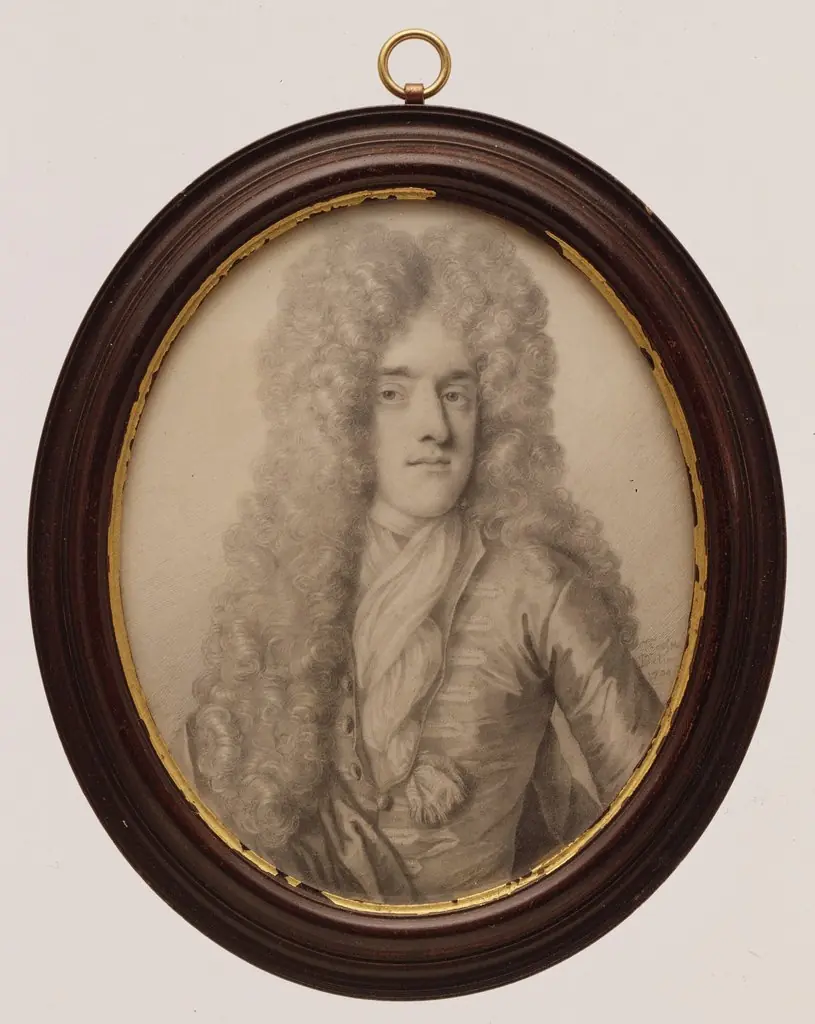 Portrait of a Man
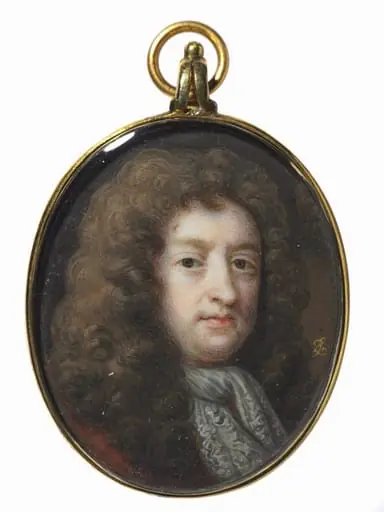 Portrait of Samuel Butler
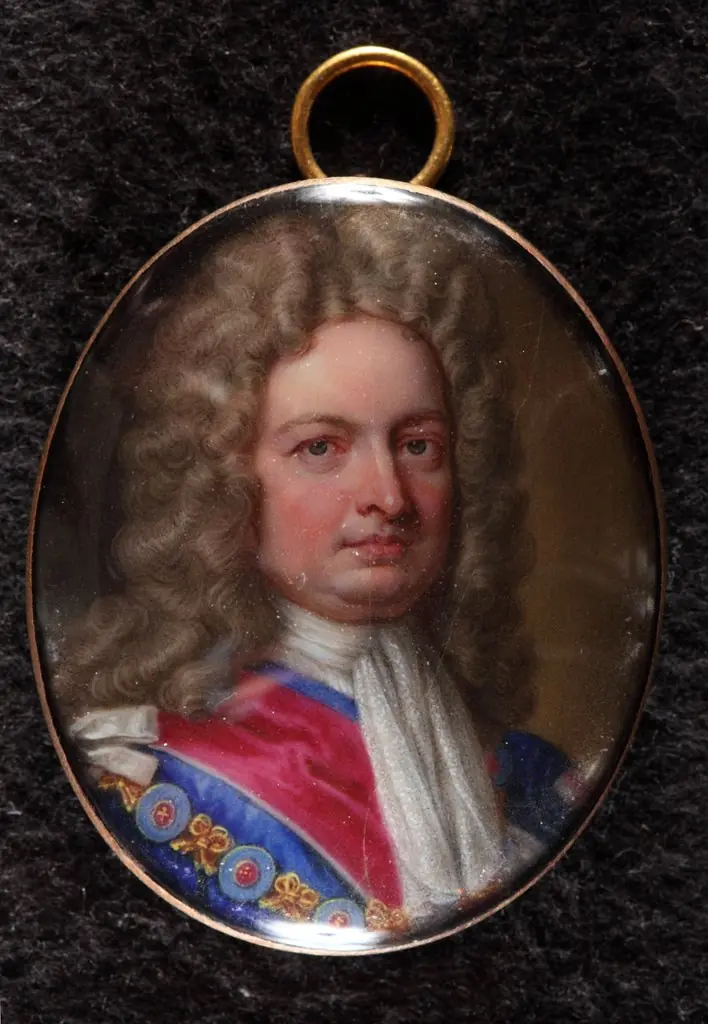 Robert Harley, Earl of Oxford
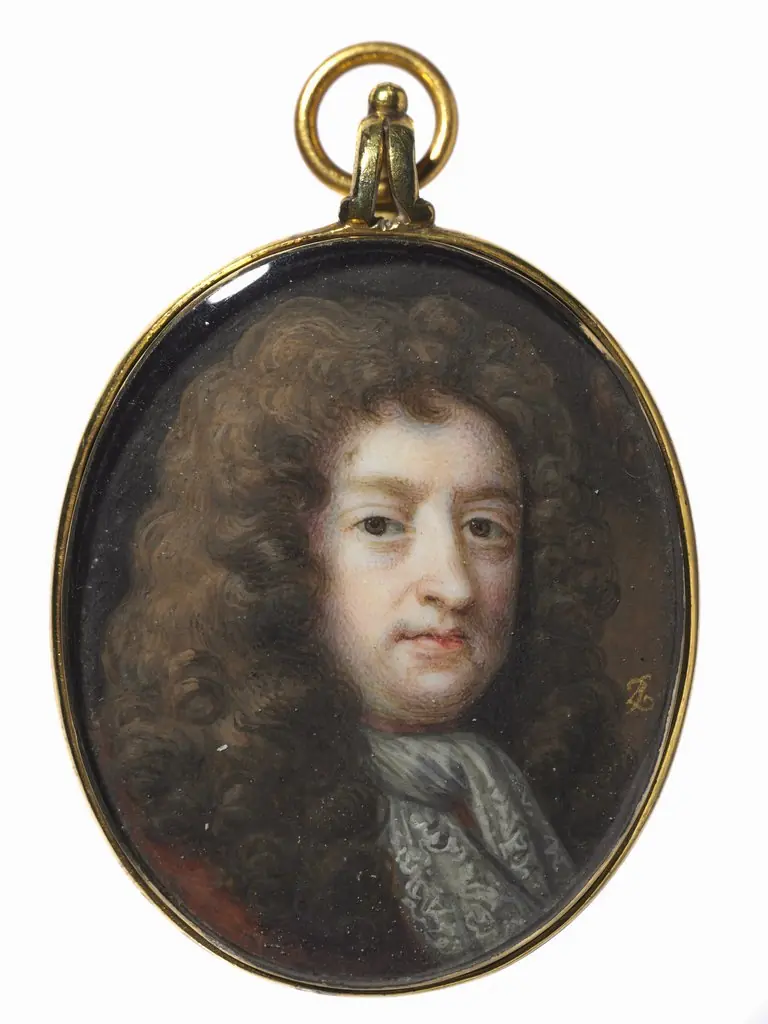 Portrait of Samuel Butler
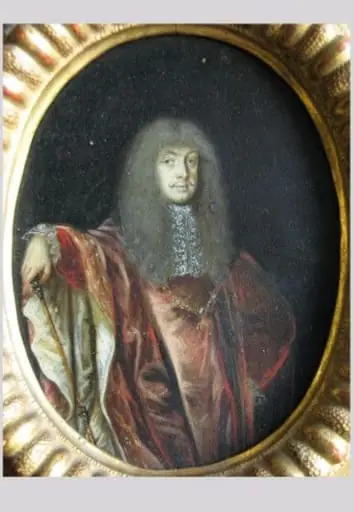 Împăratul Leopold I, Mare Maestru al ordinului "Lâna de aur"
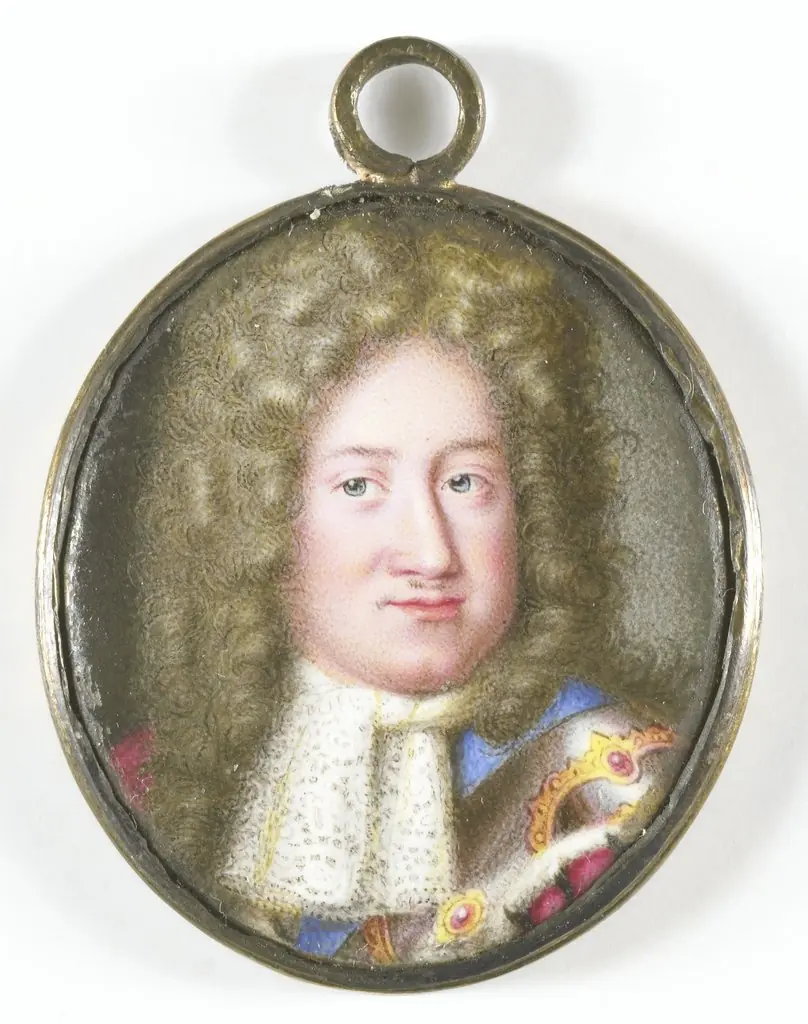 Portrait of Friedrich I van Pruisen (1657-1713)
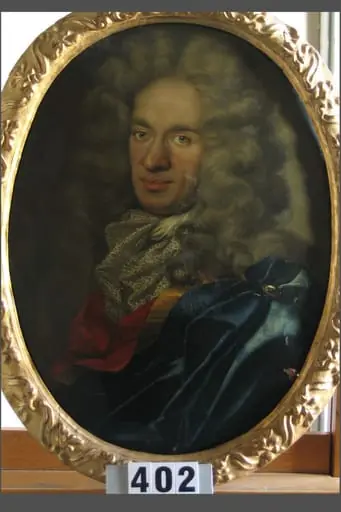 Bărbat cu mantie albastră. Pandant: Bărbat cu mantie roșie
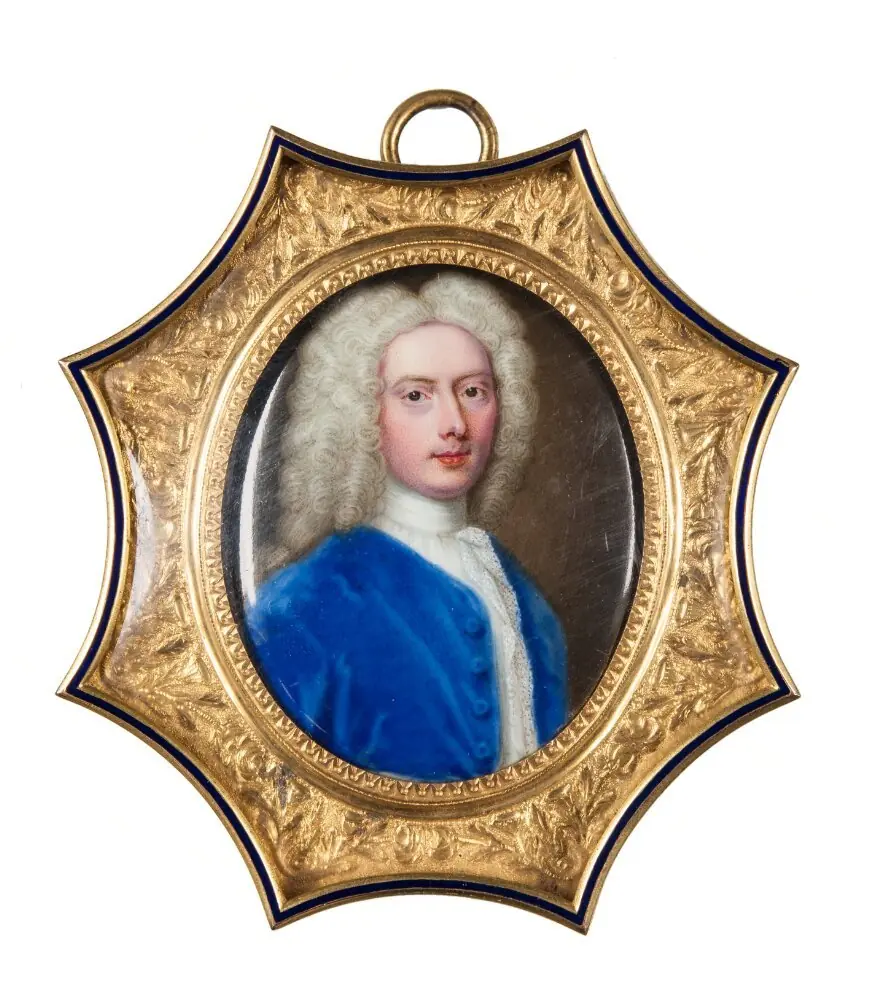 Unknown man, called Francis Dayrell, lord Ashley
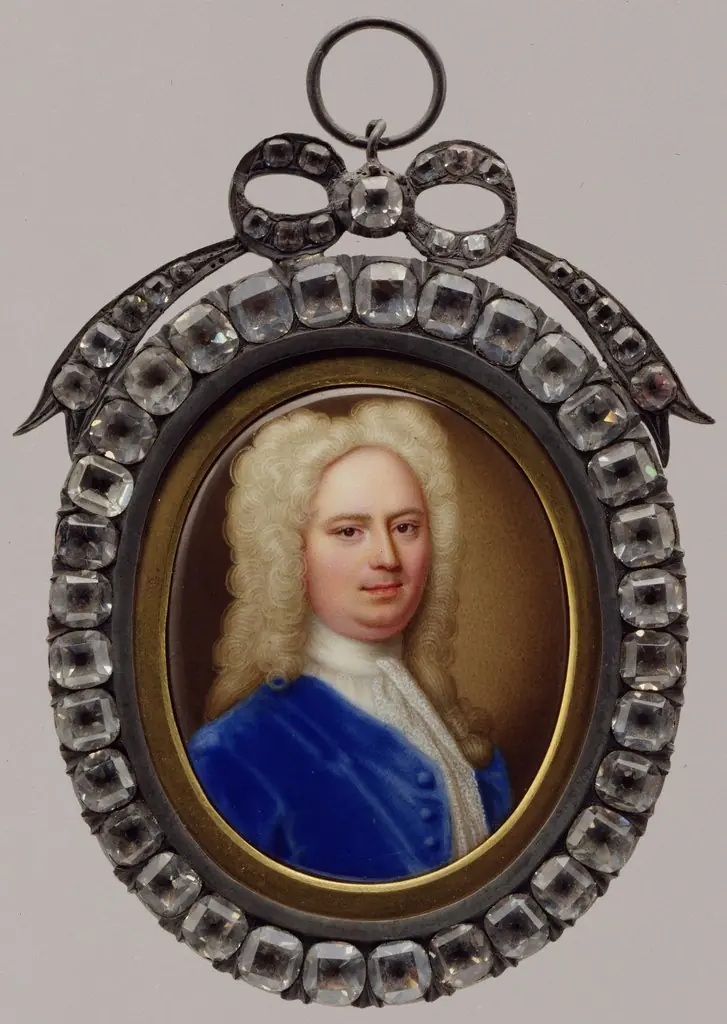 Richard Abell
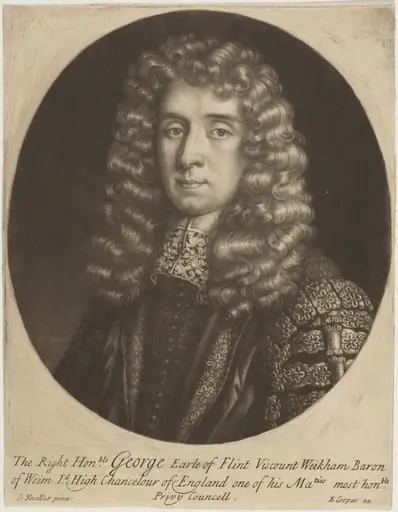 George Jeffreys, Earl of Flint, Viscount Weikham
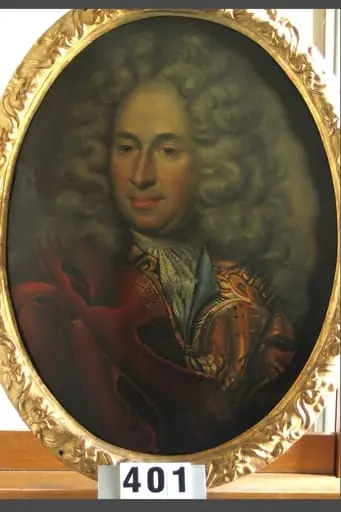 Bărbat cu manta roșie. Pandant: Bărbat cu mantie albastră