Artwork
Achilles discovered Among the Daughters of Lycomedes
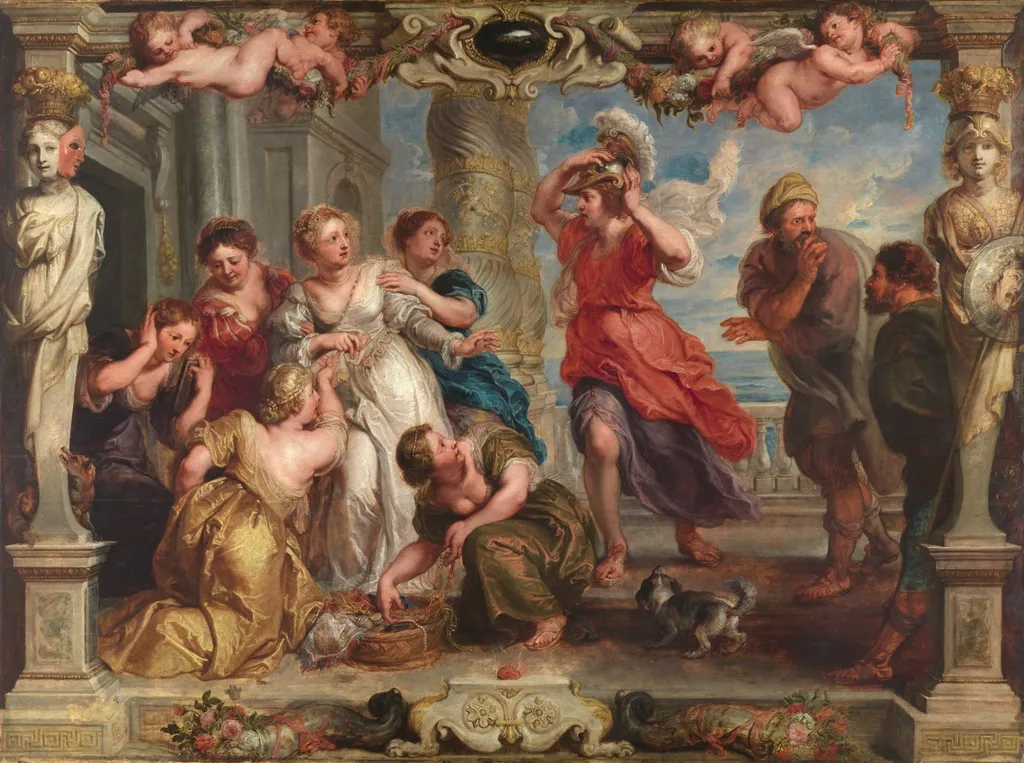
Achilles discovered Among the Daughters of Lycomedes is an unspecified painting by the Flemish Baroque painting artist Peter Paul Rubens. It dates from 1630 and is held in the collection of the Museo del Prado.
About this work
Overview
Peter Paul Rubens painted *Achilles Discovered Among the Daughters of Lycomedes* in 1630. Executed in the Flemish Baroque style, the work is now part of the Museo del Prado’s collection. It portrays a moment from Greek mythology in which the hero Achilles is identified among the women of King Lycomedes’ court.
Subject & Meaning
The composition captures the instant when Odysseus, holding a warrior’s helmet, exposes Achilles, who has been disguised as a woman to avoid the Trojan War. The revelation underscores themes of identity, destiny, and the tension between concealment and heroic duty.
Technique & Style
Rubens employs a dynamic arrangement of figures, rich coloration, and sensuous textures. The red robe of the central male figure and the gold‑trimmed garments of the surrounding women are rendered with meticulous attention to fabric, while cherubic figures hover above, adding a baroque sense of movement.
History & Provenance
Created during Rubens’s mature period, the painting reflects his interest in classical subjects. After remaining in private hands for centuries, it entered the Spanish national collection and is presently displayed at the Prado Museum in Madrid.
Context
Rubens often combined mythological narratives with his diplomatic career, using grand historical scenes to convey moral and political messages. This work aligns with his broader oeuvre that blends classical antiquity with the exuberant visual language of the Baroque.
Artist & collection
Artist
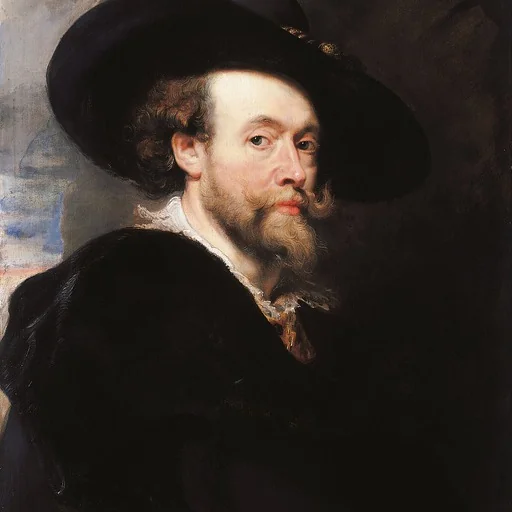
Sir Peter Paul Rubens ( ROO-bənz; Dutch: ; 28 June 1577 – 30 May 1640) was a Flemish artist and diplomat.