Artwork
Adoration of the Shepherds (Hermitage)
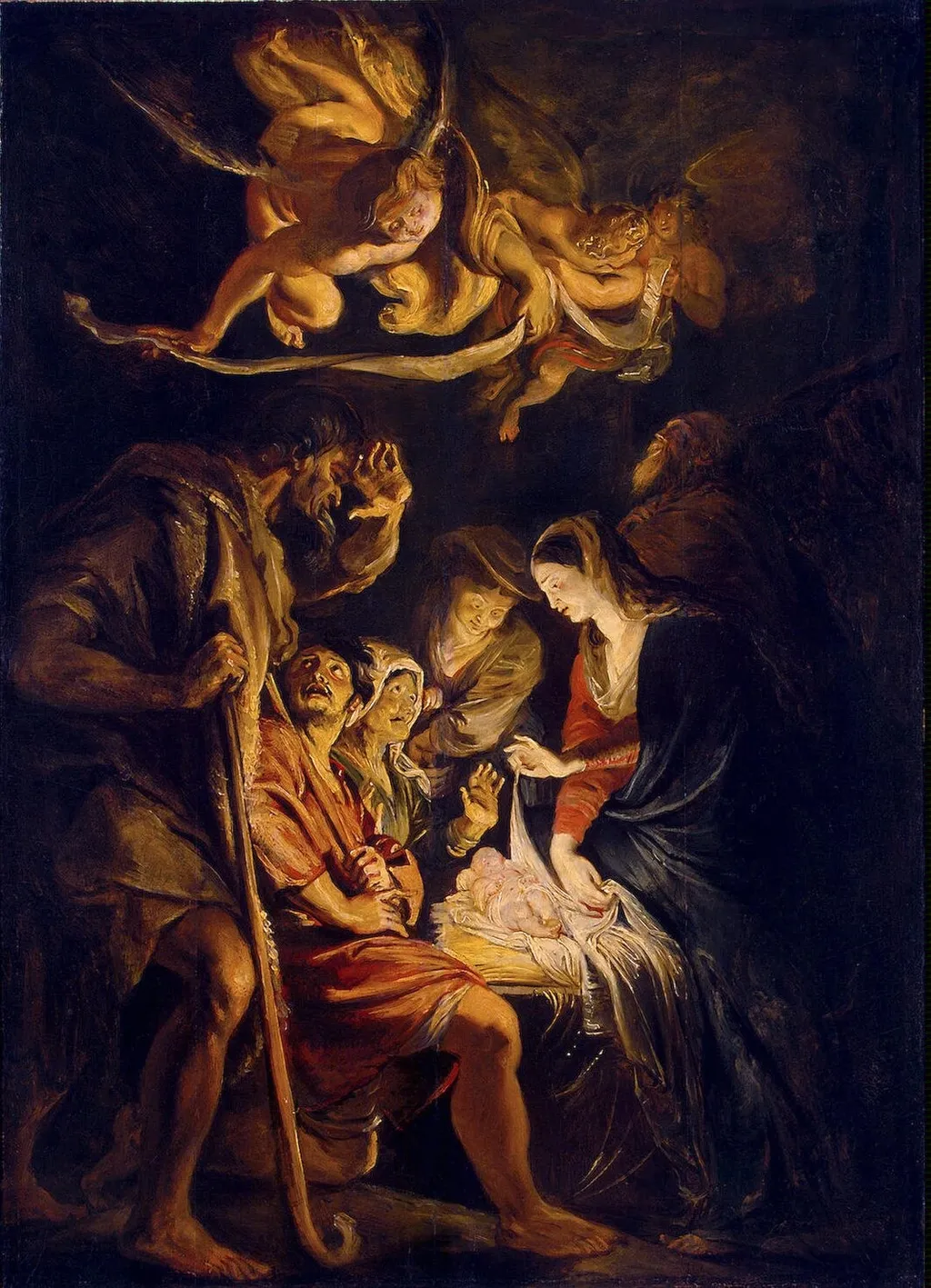
Adoration of the Shepherds (Hermitage) is an oil painting by the Flemish Baroque painting artist Peter Paul Rubens. It dates from 1608 and is held in the collection of the Hermitage Museum.
About this work
Overview
Created in 1608 by the Flemish painter Peter Paul Rubens, this oil on canvas portrays the biblical scene of the shepherds’ adoration of the infant Jesus. It belongs to Rubens’s early Baroque output and is now part of the collection of the State Hermitage Museum in Saint Petersburg.
Subject & Meaning
The composition centers on the newborn Christ, swaddled in white, attended by the Virgin Mary and a group of shepherds who have gathered in reverent awe. Above the group, three winged figures hover, traditionally identified as angels, underscoring the divine significance of the event.
Technique & Style
Rubens employs a dramatic chiaroscuro, contrasting deep, earthy shadows with illuminated highlights on the infant’s cloth and the red garment of a kneeling woman. The crowded arrangement and vigorous gestures reflect the dynamic, emotionally charged style characteristic of the Flemish Baroque.
History & Provenance
The work was produced during Rubens’s first major period after his return to Antwerp, when he was also active as a diplomat. It entered the Hermitage’s holdings in the 18th century, where it has remained in the museum’s permanent collection.
Context
The painting aligns with Counter‑Reformation objectives, using vivid drama and accessible religious imagery to inspire devotion. Rubens combined classical compositional principles with Christian iconography, a synthesis typical of his generation of Baroque artists.
Artist & collection
Artist
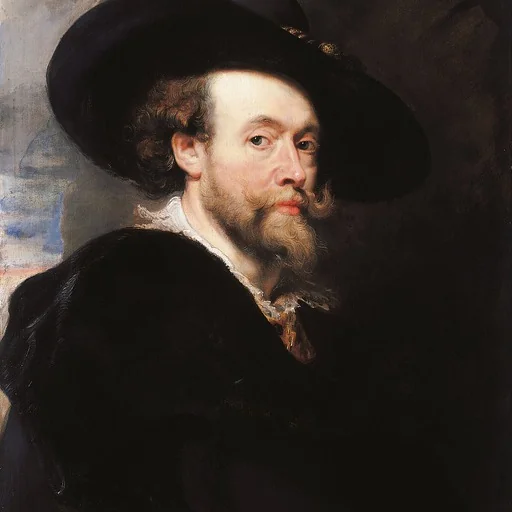
Sir Peter Paul Rubens ( ROO-bənz; Dutch: ; 28 June 1577 – 30 May 1640) was a Flemish artist and diplomat.