Artwork
Ansegisus and St. Bega
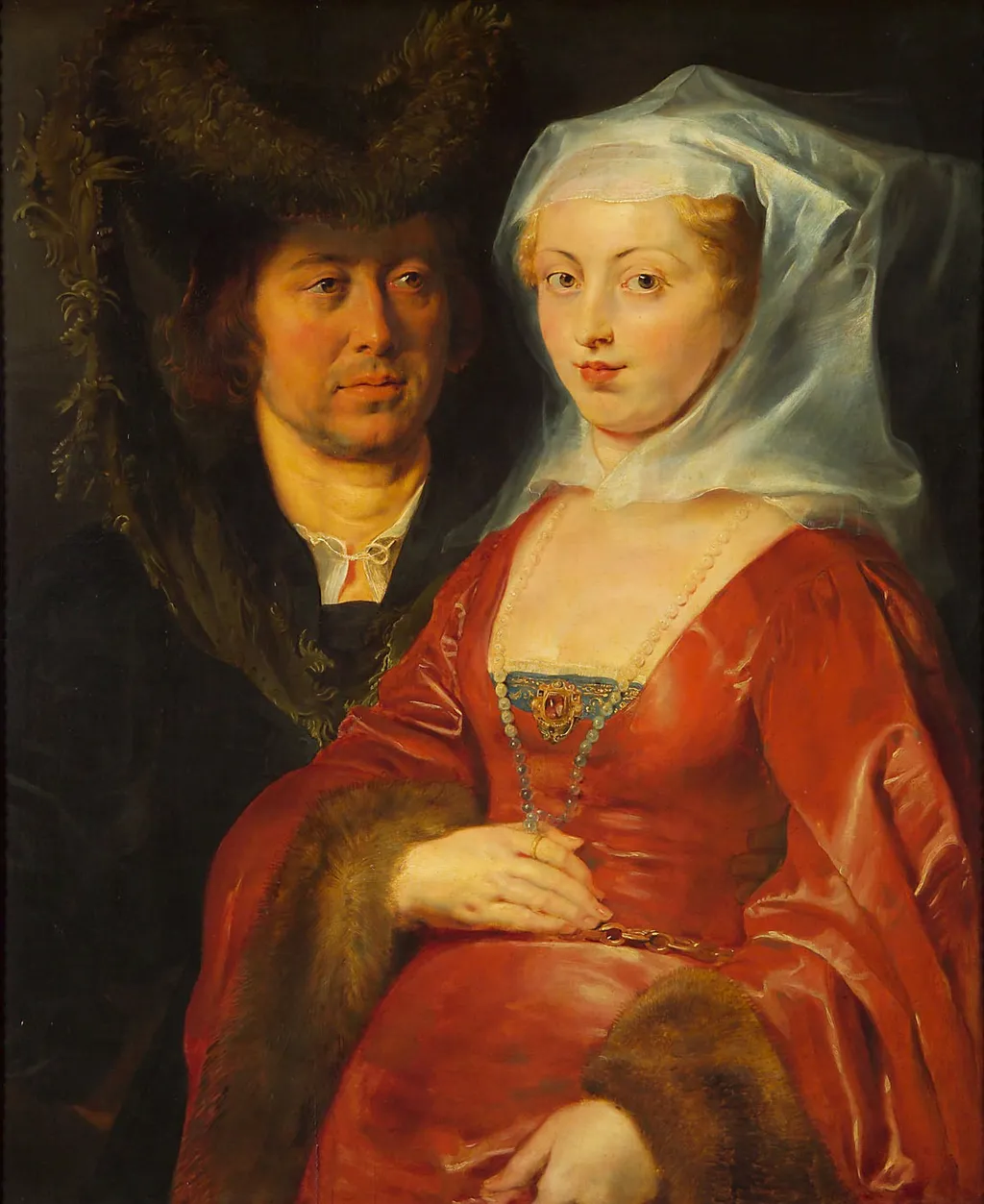
Ansegisus and St. Bega is an oil painting by the Flemish Baroque painting artist Peter Paul Rubens. It dates from 1612 and is held in the collection of the Kunsthistorisches Museum.
About this work
Overview
Created in 1612 by the Flemish painter Peter Paul Rubens, this oil on canvas presents a pair of historically revered figures rendered in the dramatic vigor typical of early 17th‑century Baroque art. The composition is anchored by a dark, unadorned backdrop that heightens the saturated hues of the subjects’ garments, drawing the viewer’s focus to their solemn presence.
Subject & Meaning
The work portrays Ansegisel, a 7th‑century Frankish noble, alongside his wife Begga, later venerated as a saint. Their dignified stance and restrained gestures convey a sense of piety and marital devotion, aligning with Counter‑Reformation ideals that emphasized the sanctity of holy lives as exemplars for the faithful.
Technique & Style
Rubens employs chiaroscuro to model the figures, allowing light to cascade over the rich fabrics while the surrounding darkness recedes, creating a three‑dimensional effect. The man's black coat with a white collar and ornate hat, and the woman's red dress, white veil, blue‑gold necklace, and fur shawl are rendered with vigorous brushwork and a palette of deep, saturated tones characteristic of Flemish Baroque.
History & Provenance
Since its completion, the painting has remained within institutional collections, ultimately entering the holdings of Vienna’s Kunsthistorisches Museum. Its presence in this major European museum reflects the work’s historical significance and the continued scholarly interest in Rubens’ early religious commissions.
Artist & collection
Artist
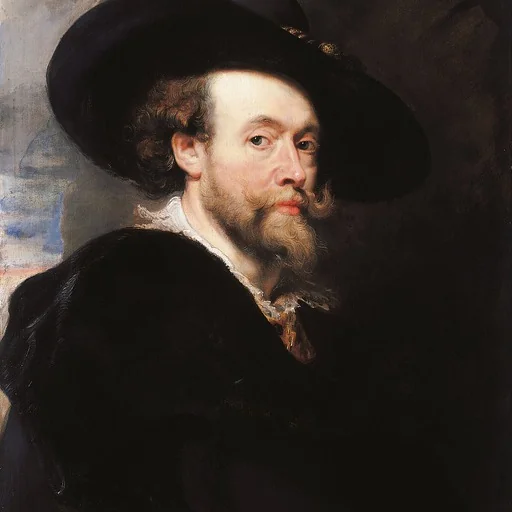
Sir Peter Paul Rubens ( ROO-bənz; Dutch: ; 28 June 1577 – 30 May 1640) was a Flemish artist and diplomat.

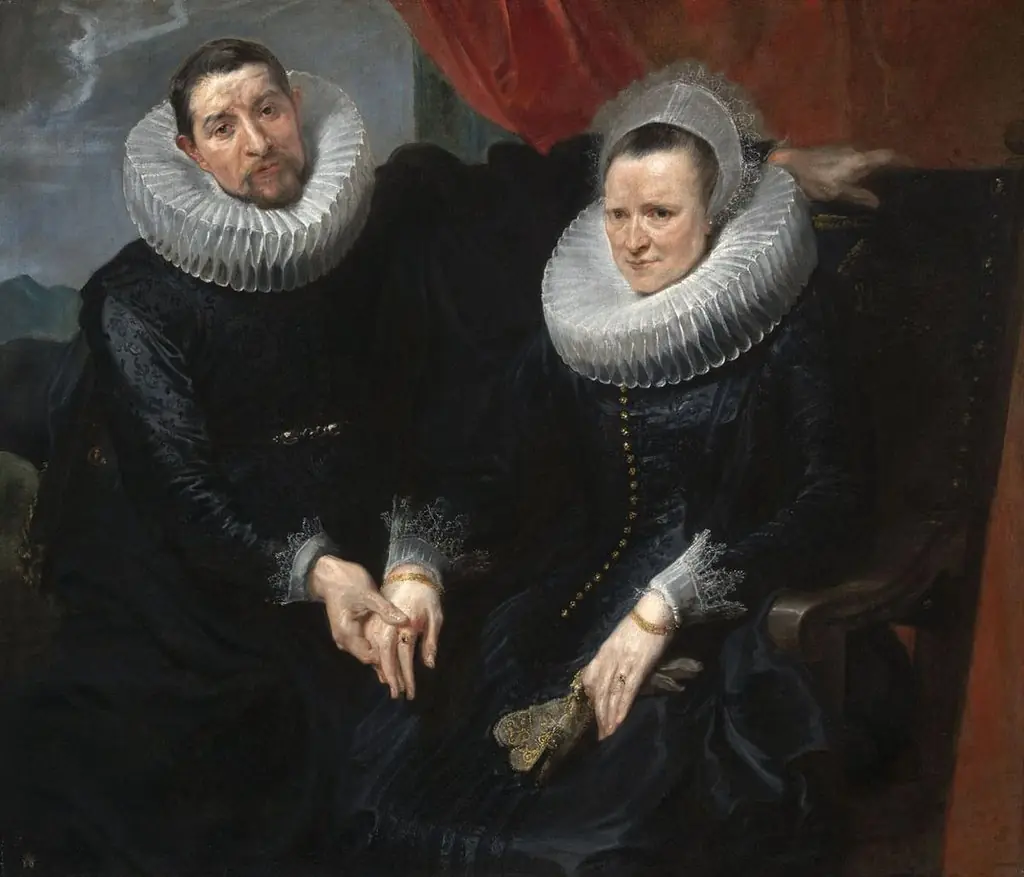 Portrait of a Married Couple
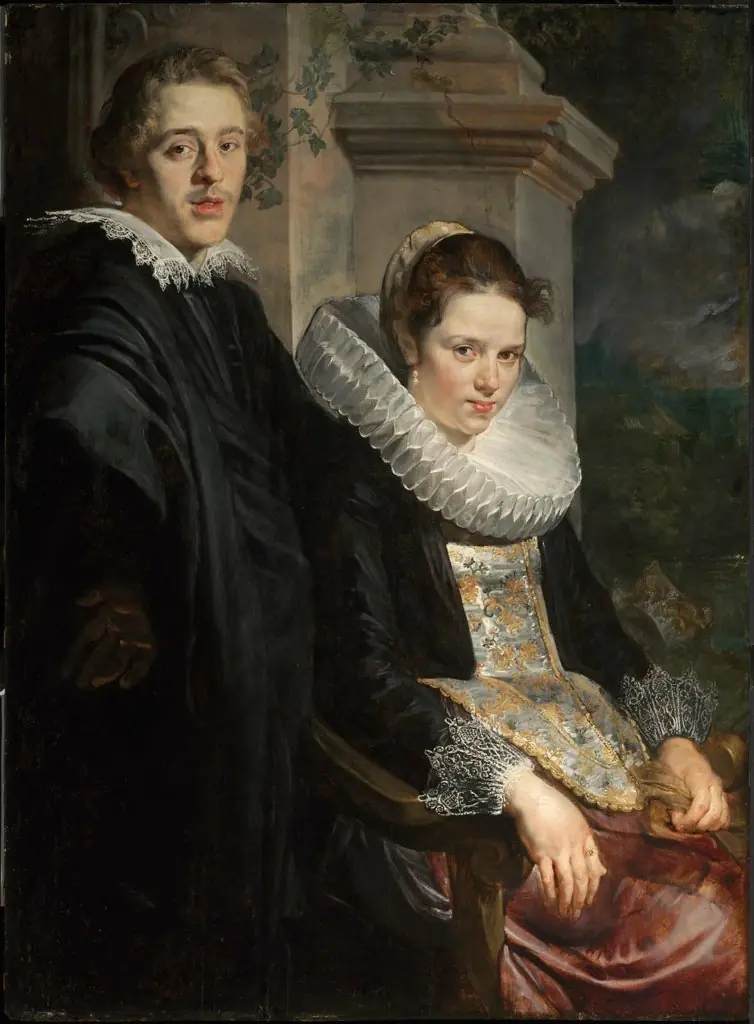 Portrait of a Young Married Couple
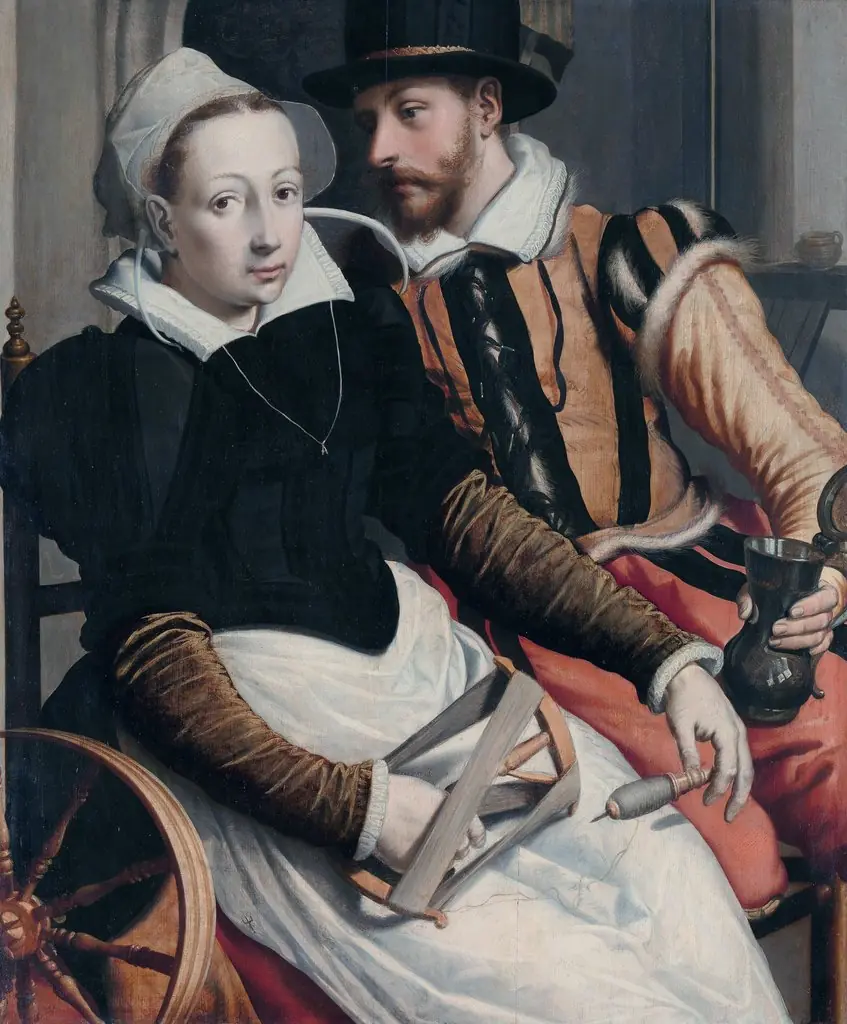 Man and Woman at a Spinning Wheel
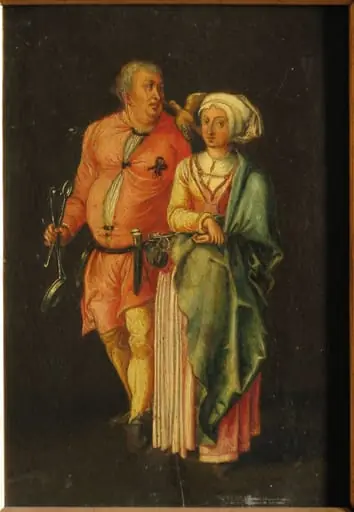 Bucătarul și soția sa
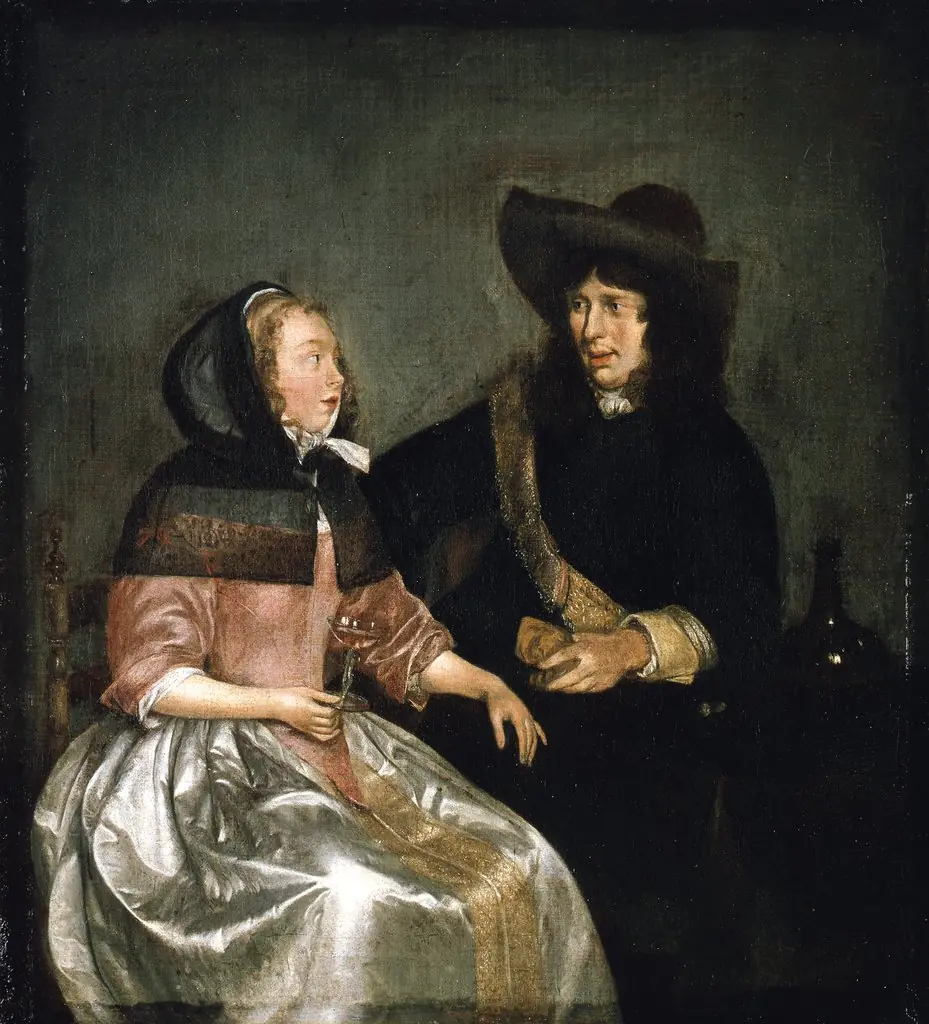 A Couple Drinking
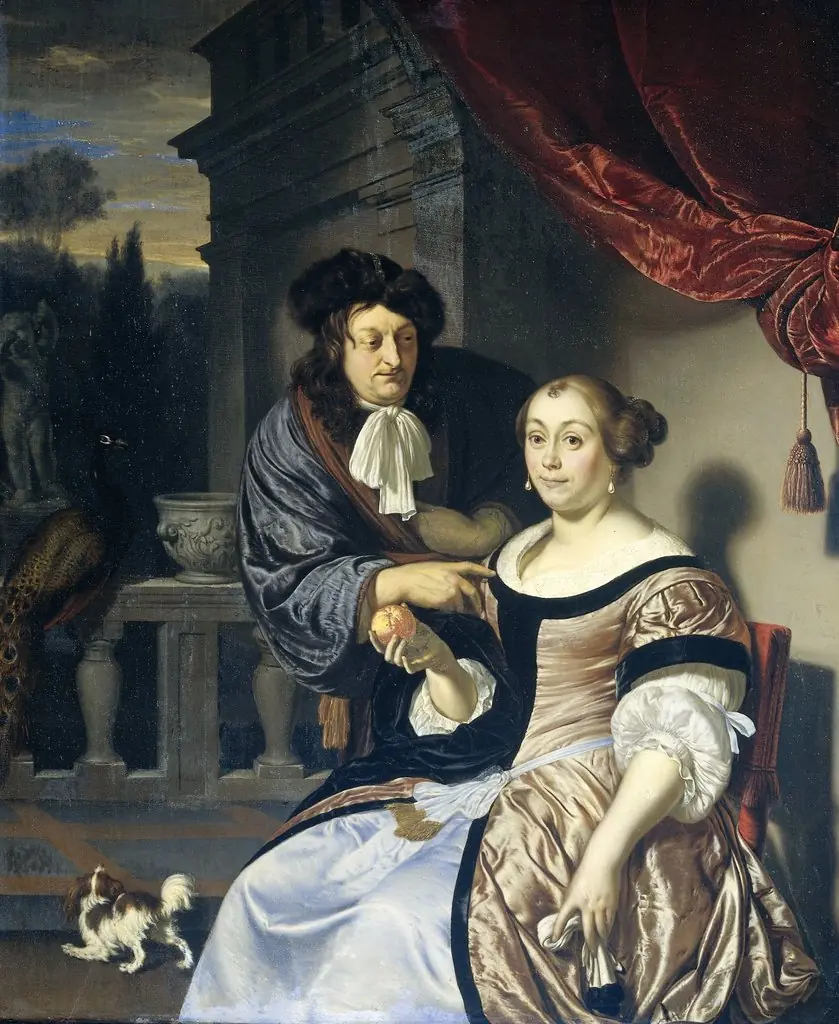 A gentleman and a lady
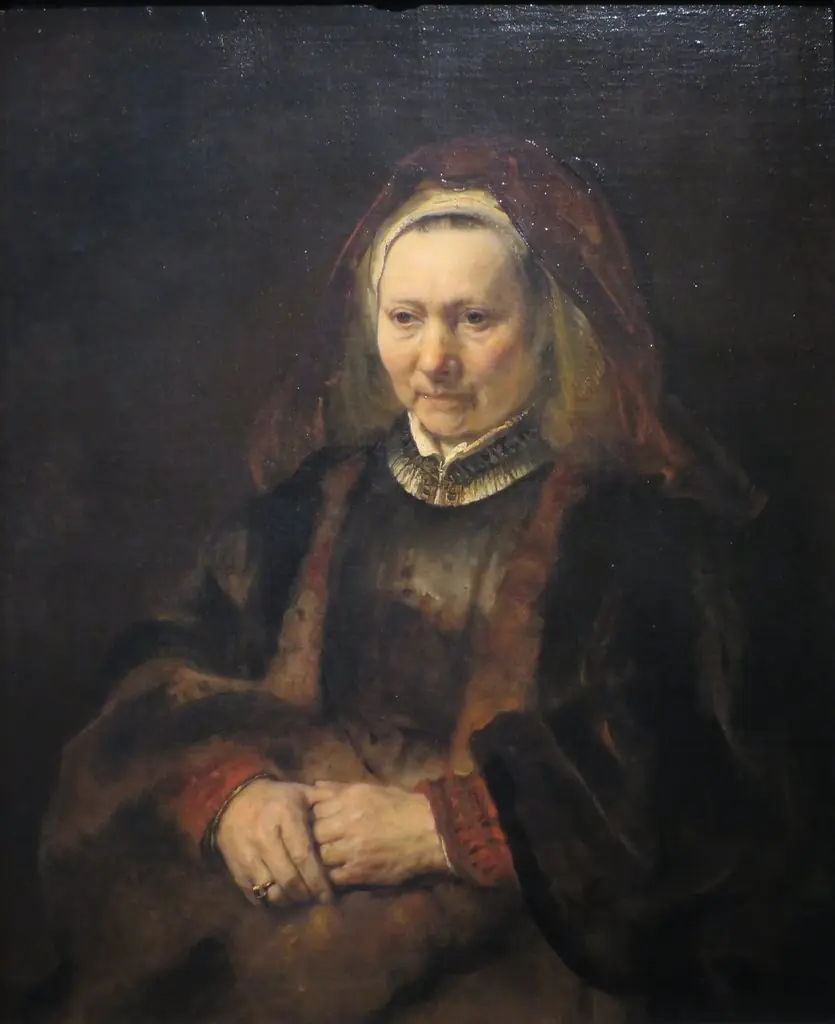 Portrait of an Old Woman in a Fur Robe
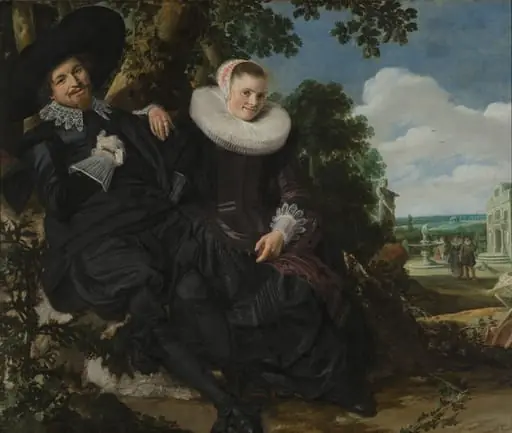 Portrait of a Couple, Probably Isaac Abrahamsz Massa and Beatrix van der Laen
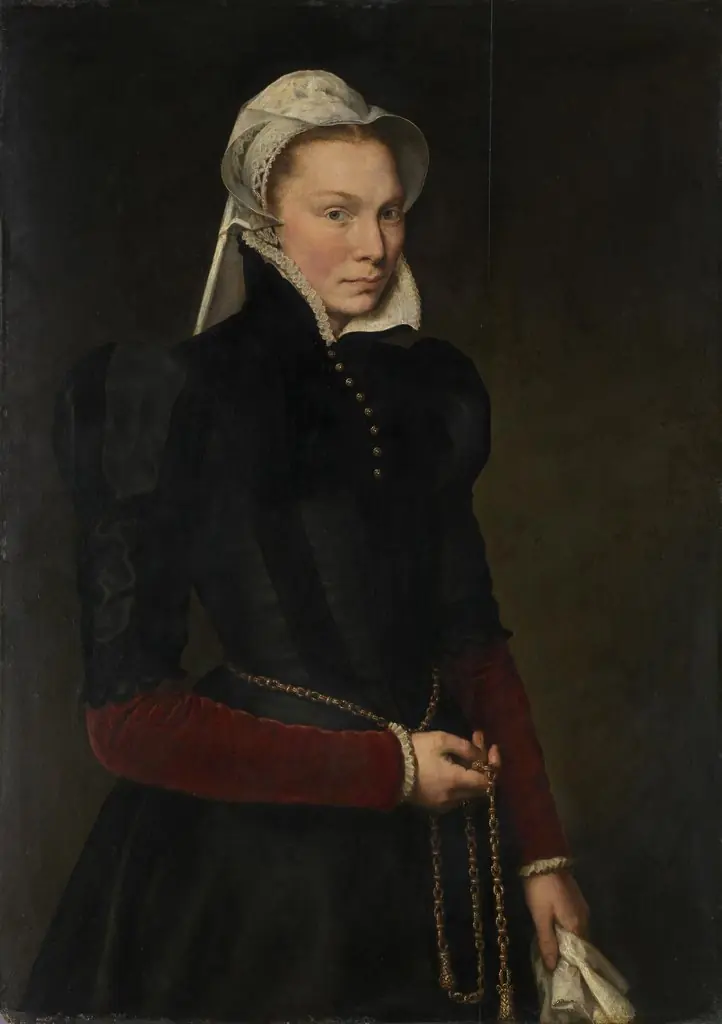 Portrait of a lady
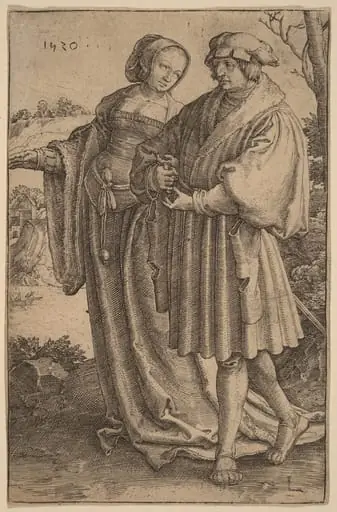 The Promenade
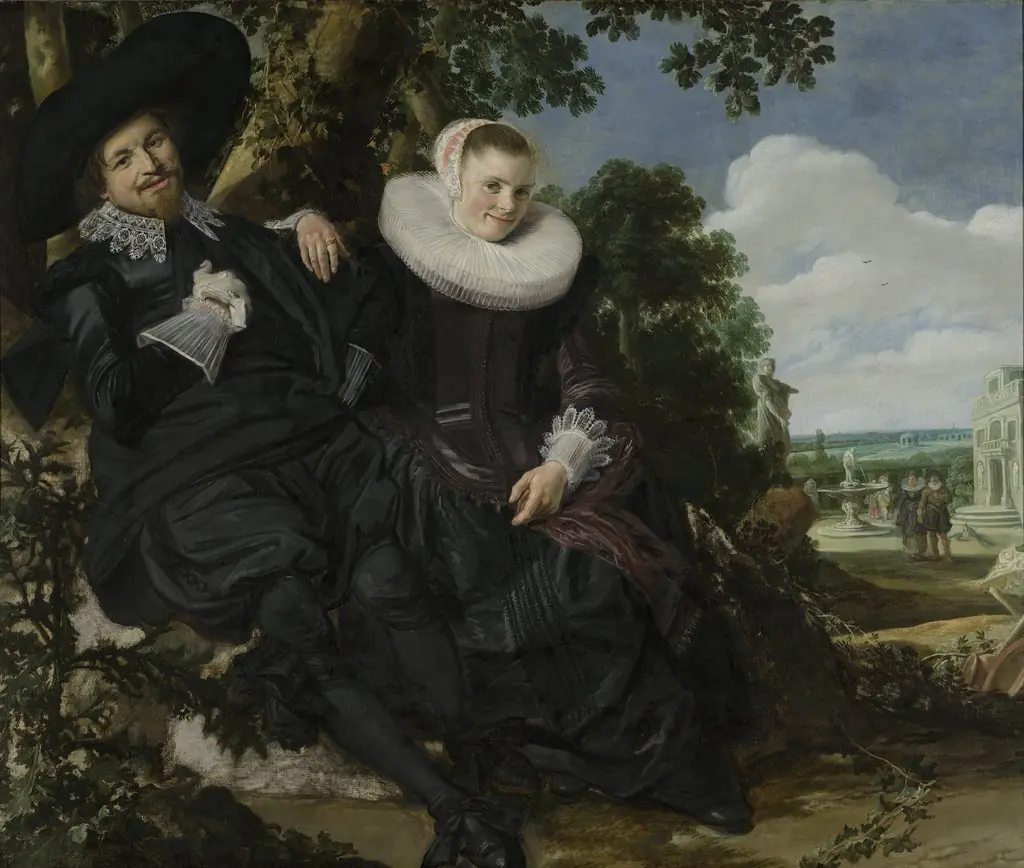 Portrait of a Couple probably Isaac Massa and Beatrix van der Laen
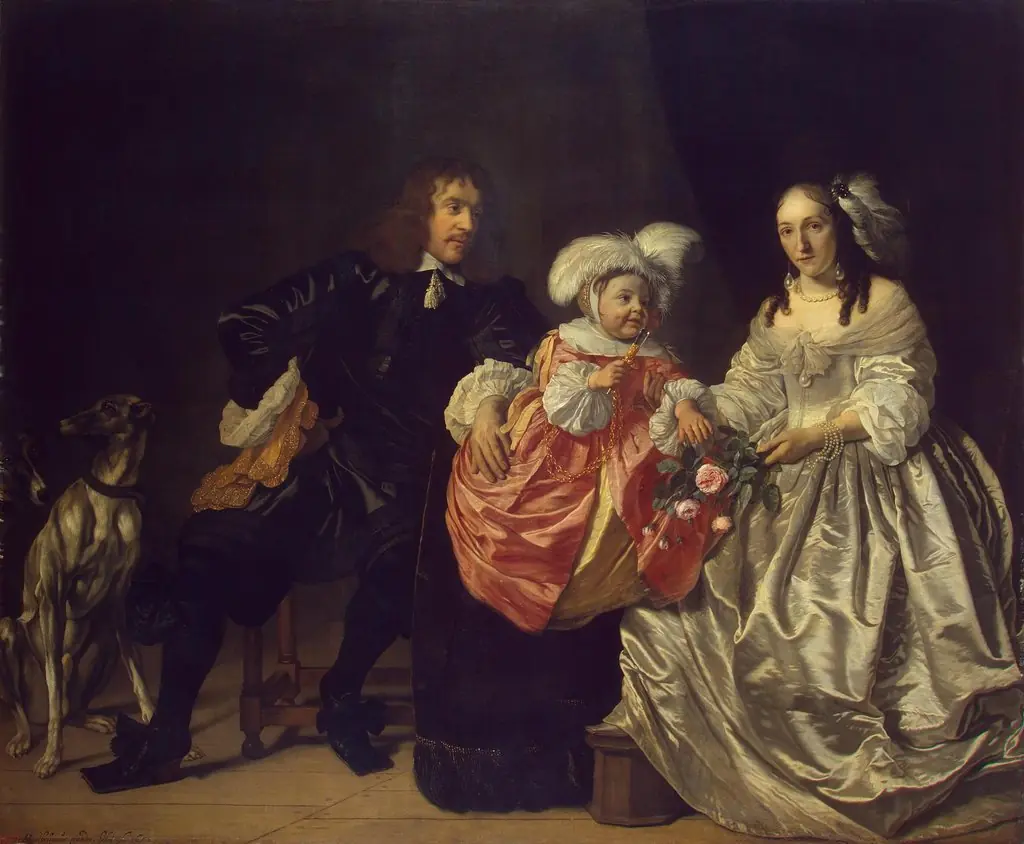 Family Portrait