Artwork
Portrait of a Couple, Probably Isaac Abrahamsz Massa and Beatrix van der Laen
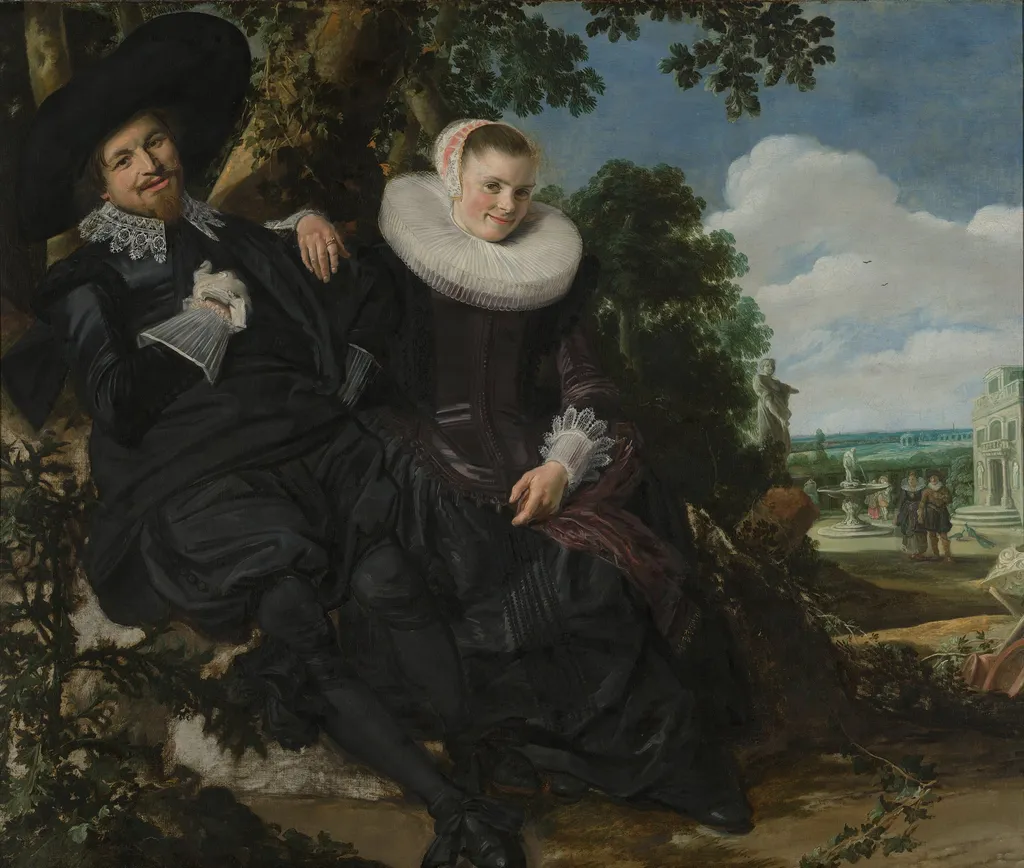
Portrait of a Couple, Probably Isaac Abrahamsz Massa and Beatrix van der Laen is an unspecified painting by the Baroque artist Unknown. It dates from 1622 and is held in the collection of the Rijksmuseum. This double portrait depicts Isaac Abrahamsz Massa and Beatrix van der Laen, likely painted to commemorate their 1622 marriage.
About this work
Overview
Unlike most formal portraits of the period, which treated individuals separately, the couple is shown seated intimately together, smiling and at ease.
This double portrait depicts Isaac Abrahamsz Massa and Beatrix van der Laen, likely painted to commemorate their 1622 marriage. Unlike most formal portraits of the period, which treated individuals separately, the couple is shown seated intimately together, smiling and at ease. Their physical closeness and shared gaze suggest a personal, affectionate relationship, making the composition rare for its time.
Subject & Meaning
The painting encodes themes of marital devotion through symbolic elements. To the right, a lush garden evokes an idealized space of love, while the eryngium thistle at left—known in Dutch as 'mannentrouw'—literally means 'male fidelity.' These details transform the portrait from a mere likeness into a private declaration of loyalty and partnership, tailored to the couple’s union and their connection to the artist.
Technique & Style
The artist employs subtle chiaroscuro to model the figures with soft, naturalistic light, enhancing their three-dimensionality without dramatic contrast. Textures of fabric, skin, and foliage are rendered with quiet precision, avoiding theatricality. The composition balances intimacy with restraint, using spatial depth and delicate tonal transitions to ground the subjects in a believable, serene environment.
History & Provenance
Commissioned shortly after the couple’s April 1622 wedding, the painting reflects their personal ties to the artist, possibly Frans Hals or a close associate. It remained within family circles for generations before entering public collections. Its survival as a private commemoration rather than a public statement offers rare insight into early 17th-century Dutch domestic values and portraiture beyond aristocratic norms.
Context
In early 17th-century Dutch society, marital portraits typically featured spouses separately or in rigid, hierarchical poses. This work diverges by presenting the couple as equals, engaged and affectionate. Its symbolism aligns with emerging bourgeois ideals of companionate marriage, where emotional connection and mutual fidelity gained cultural weight alongside economic partnership.
Legacy
The portrait stands as an early example of domestic intimacy in Dutch art, influencing later depictions of married life. Its blend of personal symbolism and naturalistic rendering helped shift portraiture from formal representation toward psychological and emotional authenticity. It remains a key reference for understanding how private relationships were visually affirmed in the Dutch Golden Age.
Artist & collection

 Domestic Scene
 Giacomo and Cardinal Marco, investing Andrea, Abbot of San Zeno, with his Benefice
 The Nymph of Fontainebleau
 Portrait of a Woman
 Madonna and Child with Saints in the Enclosed Garden
 Venus and Minerva
 Family Group of Four on Sofa
 Wall painting from Room H of the Villa of P. Fannius Synistor at Boscoreale
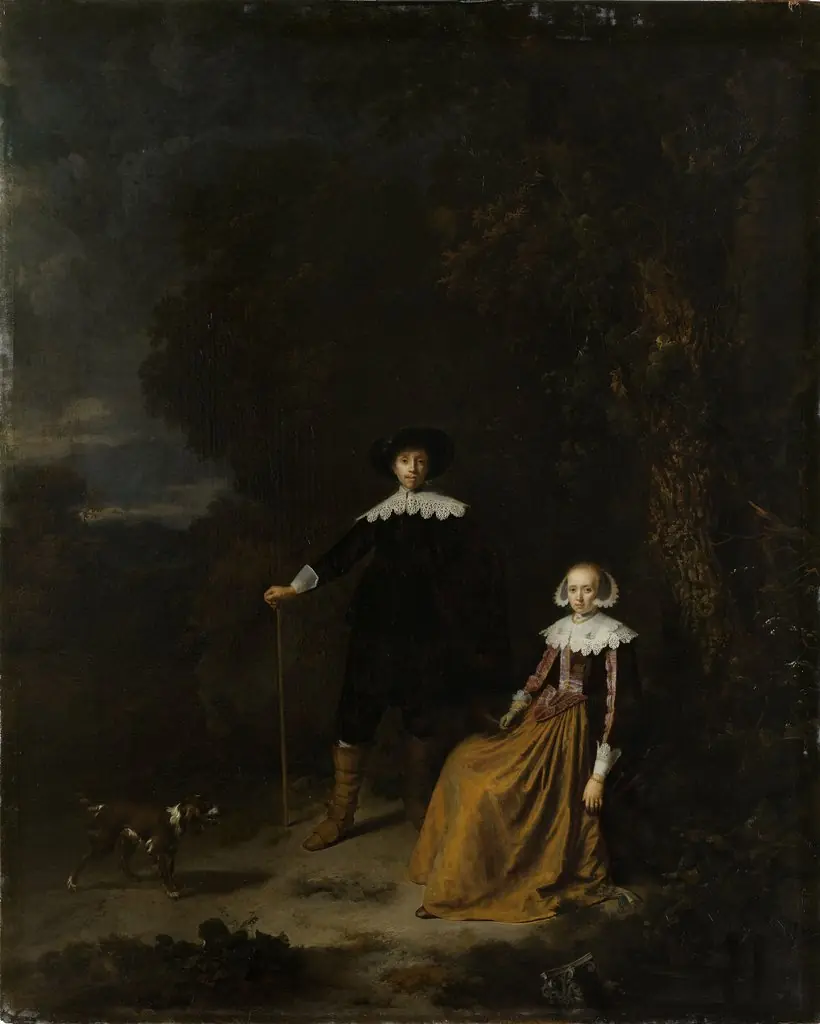 Portrait of a Couple in a Landscape
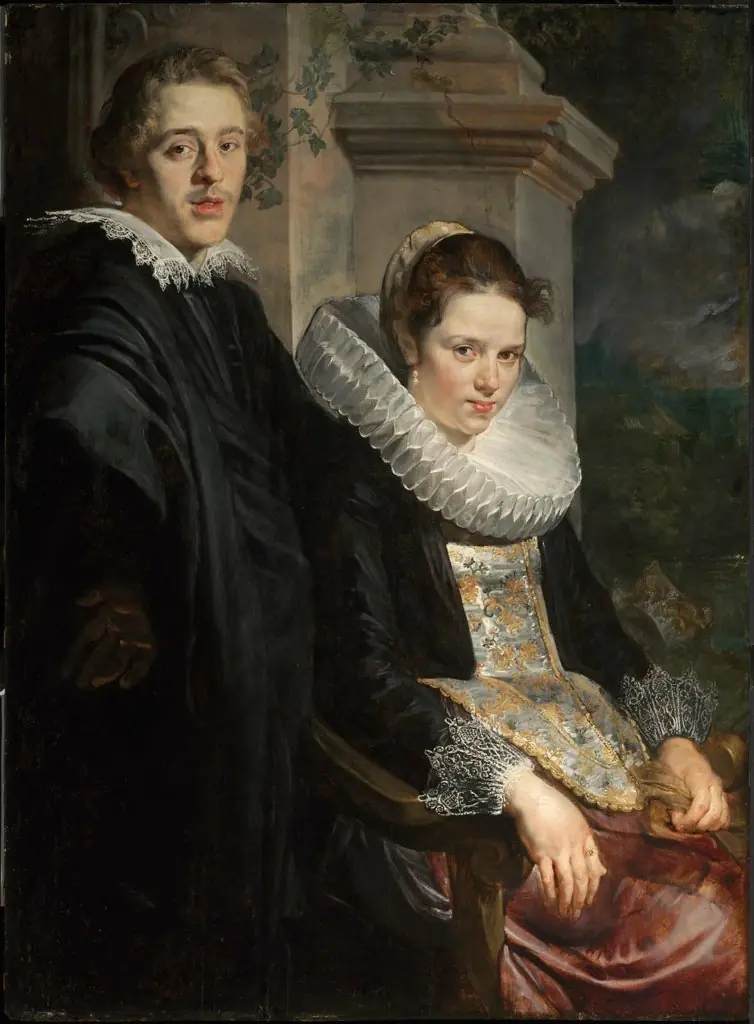 Portrait of a Young Married Couple
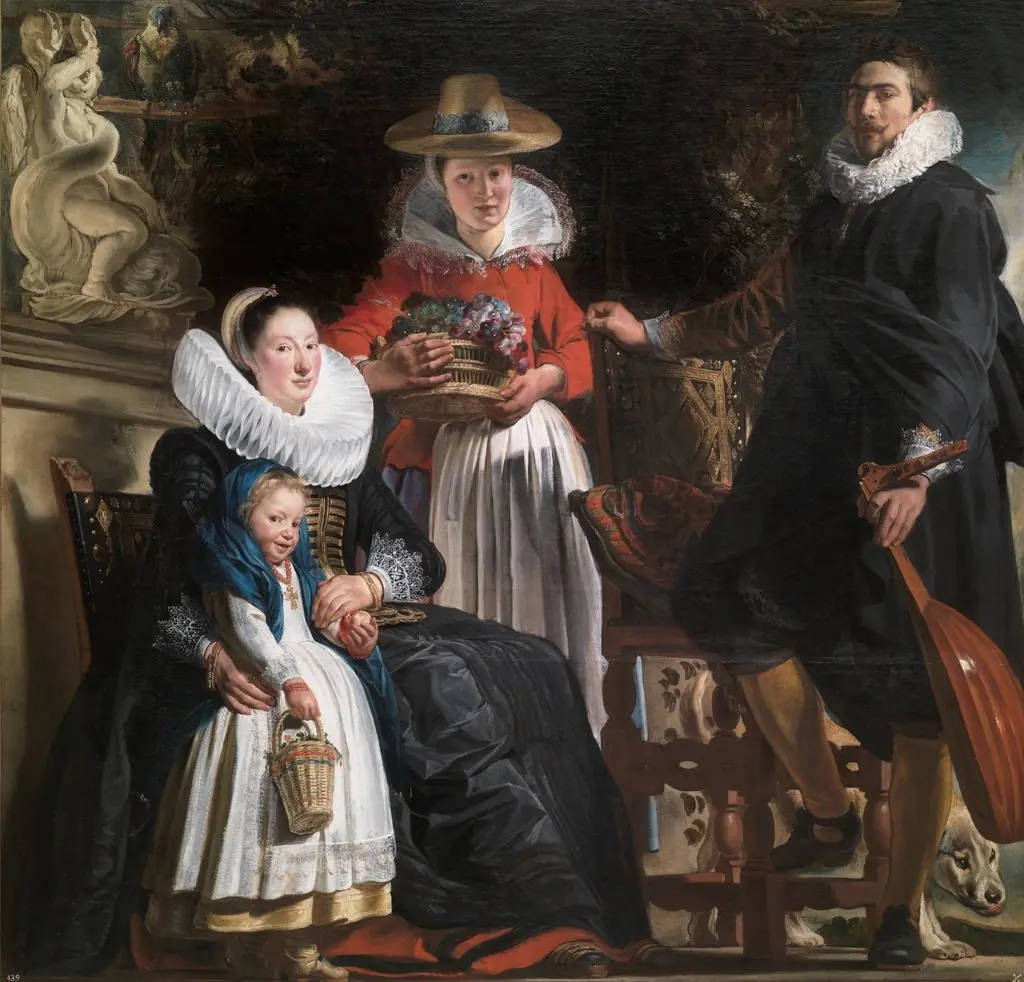 Portrait of the artist with his family
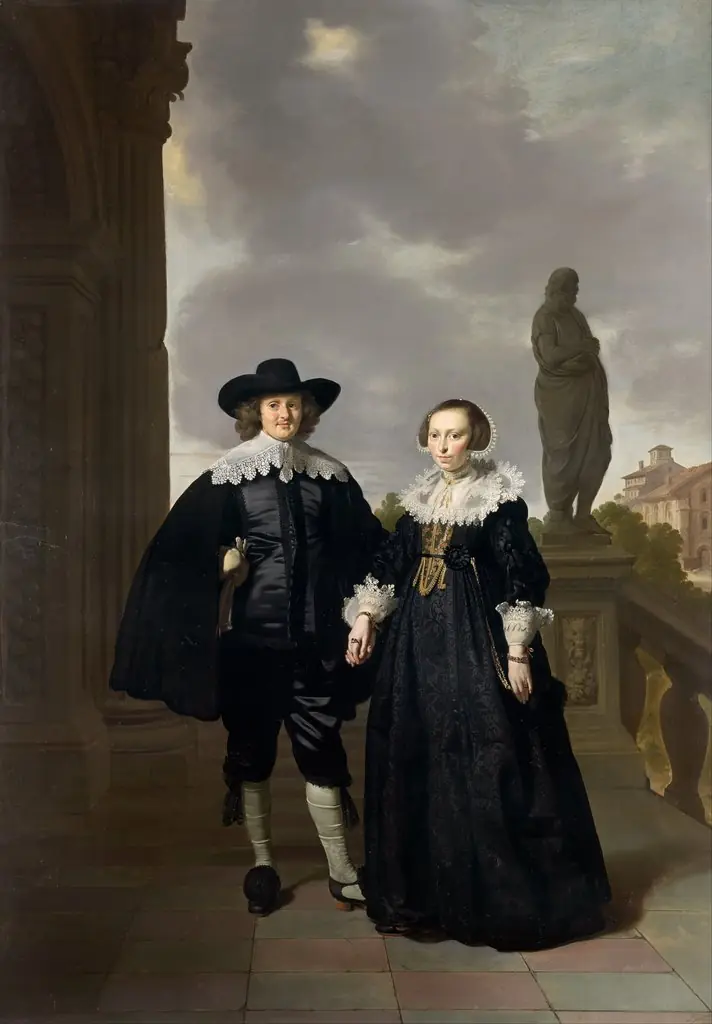 Frederick van Velthuysen and his wife, Josina
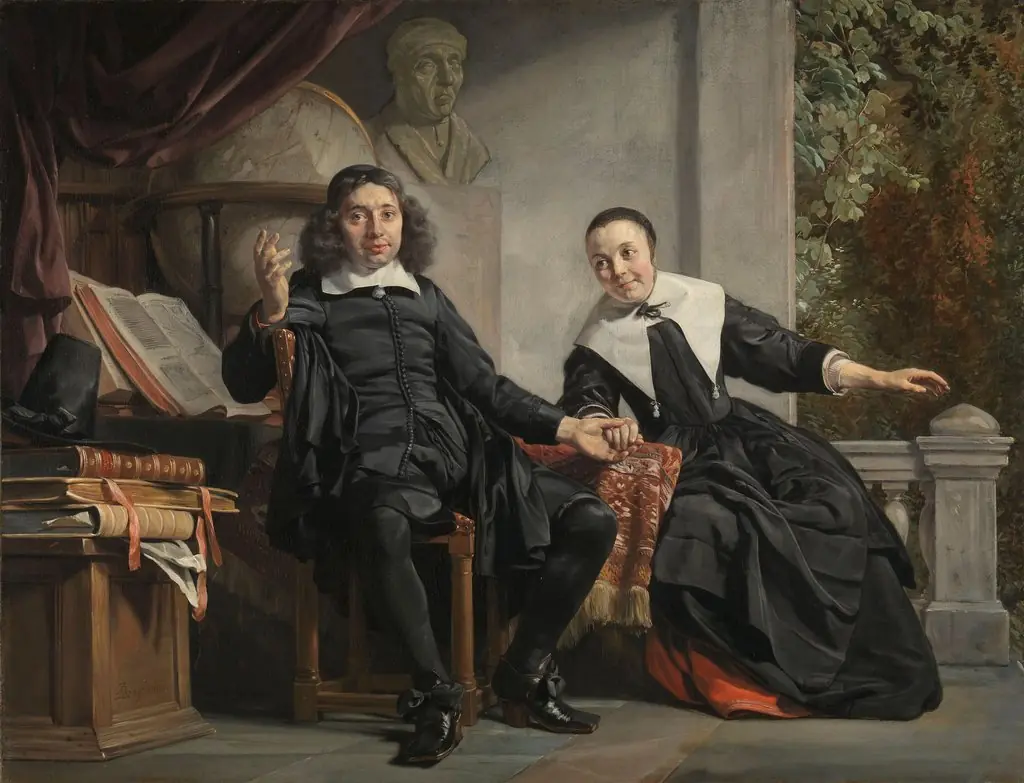 Abraham Casteleyn and his Wife, Margarieta van Bancken
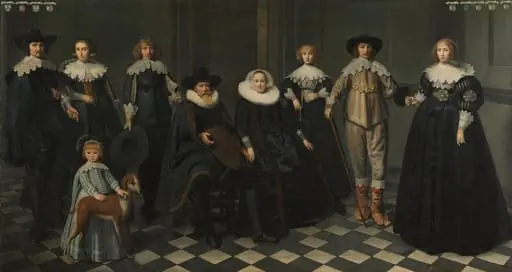 Portrait of the Family of Dirck Jacobsz Bas (1569-1637), Burgomaster of Amsterdam, and Margriet Snoeck (1588-1645)
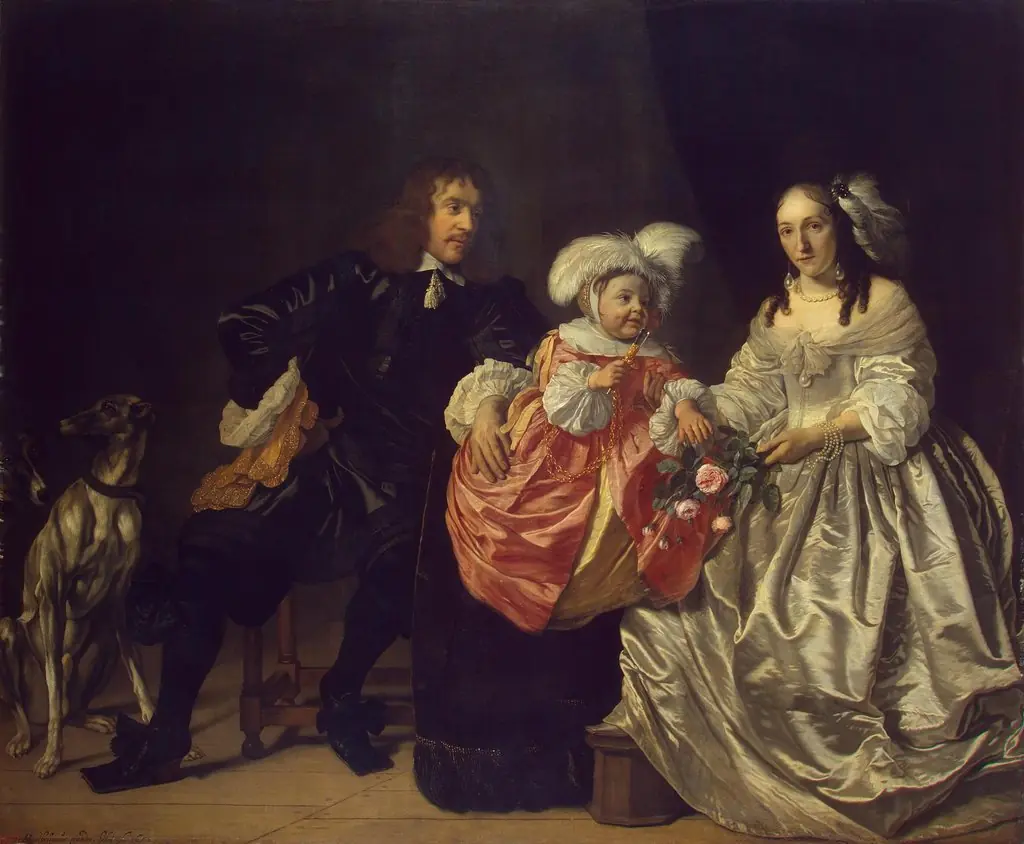 Family Portrait
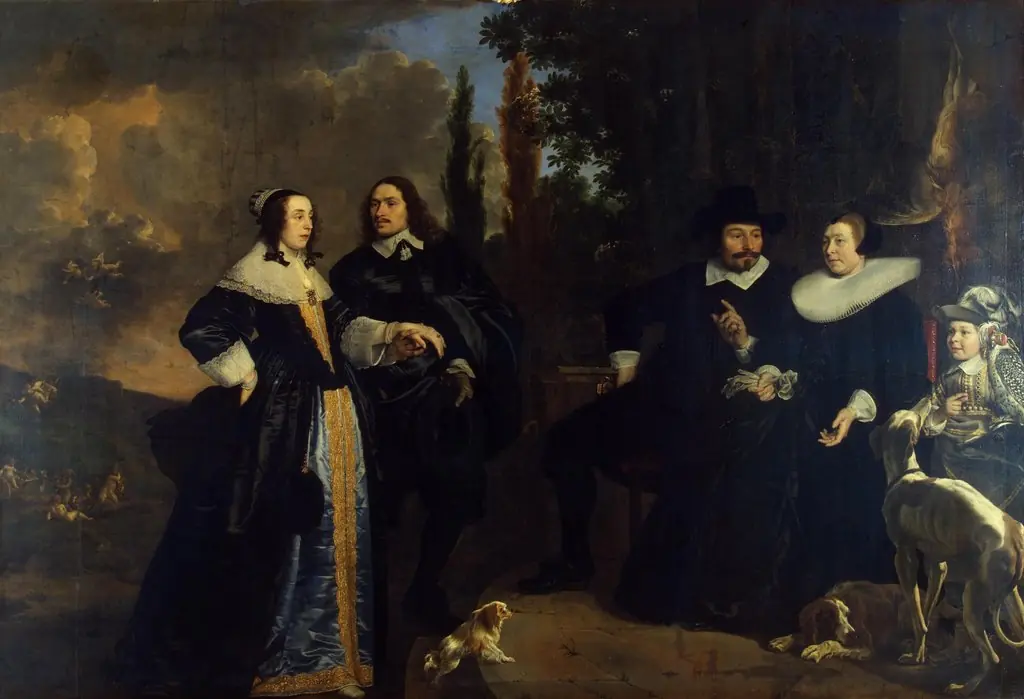 Family Portrait
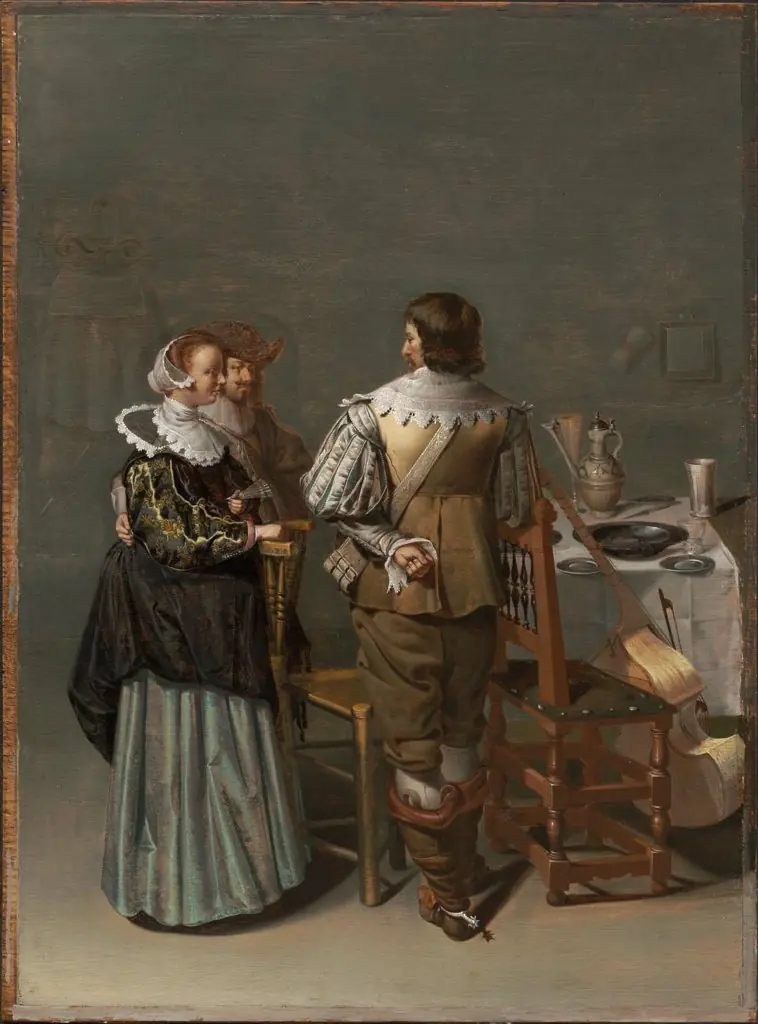 A Merry Company
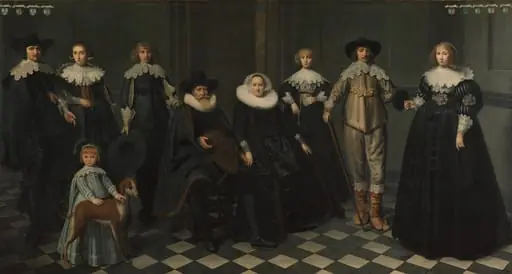 Portrait of the Family of Dirck Bas Jacobsz, Burgomaster of Amsterdam
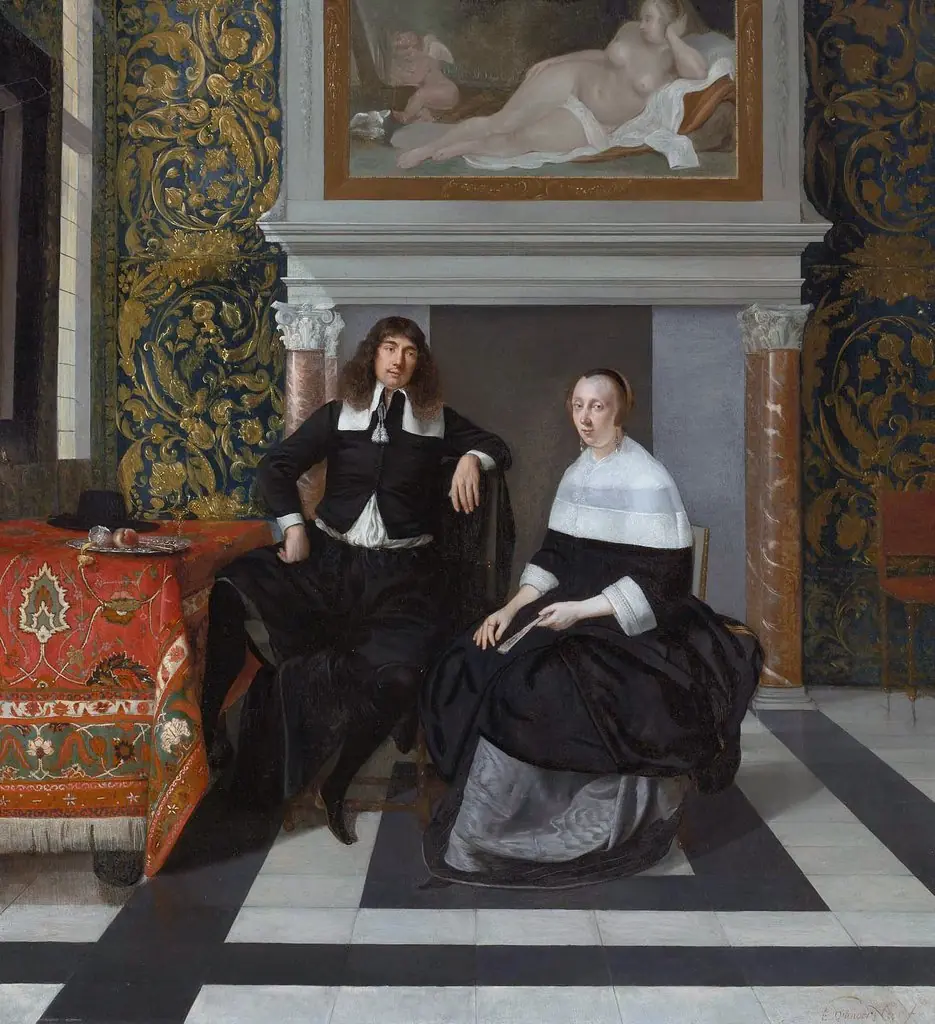 Portrait of a Man and Woman in an Interior
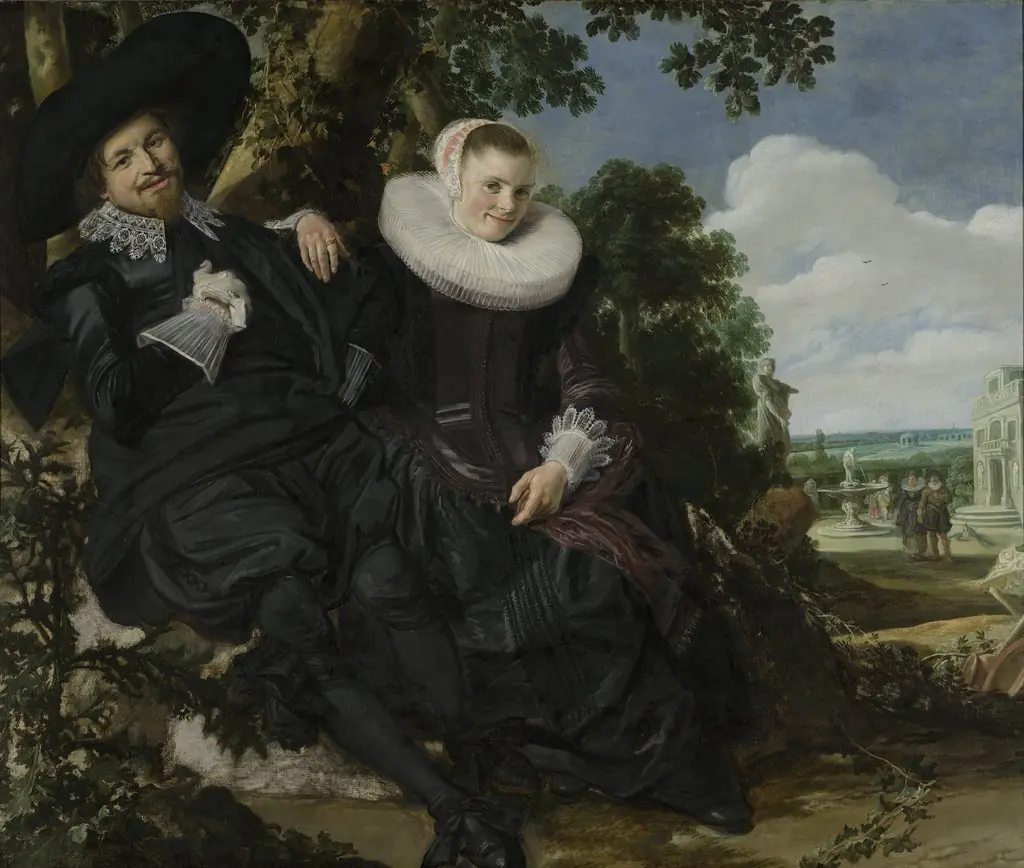 Portrait of a Couple probably Isaac Massa and Beatrix van der Laen