Artwork
Martyrdom of St. Ursula
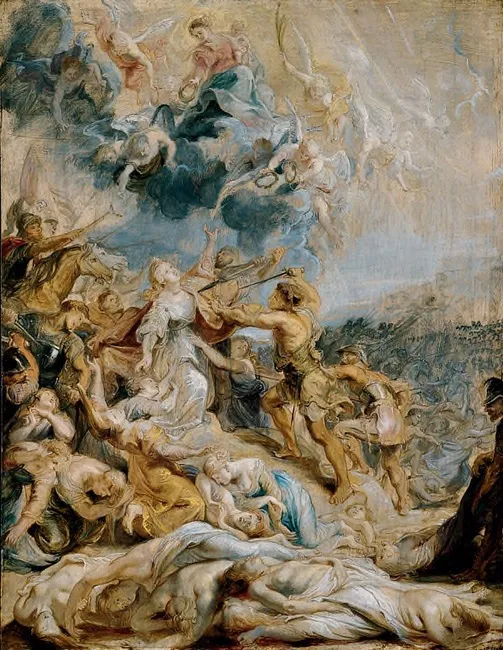
Martyrdom of St. Ursula is an oil painting by the Flemish Baroque painting artist Peter Paul Rubens. It dates from 1620 and is held in the collection of the Kimbell Art Museum.
About this work
Overview
Painted in 1620 by Peter Paul Rubens, this oil-on-canvas work portrays the martyrdom of Saint Ursula, a figure from early Christian legend.
Painted in 1620 by Peter Paul Rubens, this oil-on-canvas work portrays the martyrdom of Saint Ursula, a figure from early Christian legend. Created during Rubens’s mature period, it reflects his engagement with religious narratives and the dynamic energy of Flemish Baroque art. The painting is now part of the Kimbell Art Museum’s permanent collection, where it remains a key example of his narrative style.
Subject & Meaning
The scene illustrates the moment Saint Ursula and her companions are slain by Huns after refusing to marry their leader. Rubens captures the violent climax of their pilgrimage, emphasizing collective sacrifice and steadfast faith. The figures—men, women, and children—react with varied expressions of terror, resignation, and anguish, transforming the event into a moral tableau of martyrdom and divine endurance.
Technique & Style
Rubens employs a restrained palette of browns, grays, and muted blues to heighten the somber tone. Figures are arranged in a dense, swirling composition that conveys chaos without losing structural clarity. Subtle chiaroscuro defines forms and directs attention to the central figure in white, while the hazy, indistinct background suggests a distant urban setting, reinforcing the isolation of the sacred moment.
History & Provenance
Commissioned during Rubens’s time in Antwerp, the painting was likely intended for a private or ecclesiastical patron. It entered the Kimbell Art Museum’s collection in the 20th century after passing through several European private holdings. Its documented history reflects the broader circulation of Baroque religious works among collectors and institutions across the continent.
Context
Created in the wake of the Council of Trent, the painting aligns with Catholic efforts to reinforce devotional imagery through emotionally charged scenes. Rubens, influenced by Italian Renaissance masters and Counter-Reformation ideals, fused theatricality with spiritual gravity. The work responds to a demand for art that inspired piety through visceral storytelling and human drama.
Legacy
Though less frequently exhibited than Rubens’s larger altarpieces, this painting exemplifies his skill in rendering intimate tragedy within grand narratives. It influenced later generations of Northern European painters in their treatment of martyrdom and collective suffering. Its restrained color and emotional restraint mark a nuanced departure from his more flamboyant works, revealing his range as a narrative artist.
Artist & collection
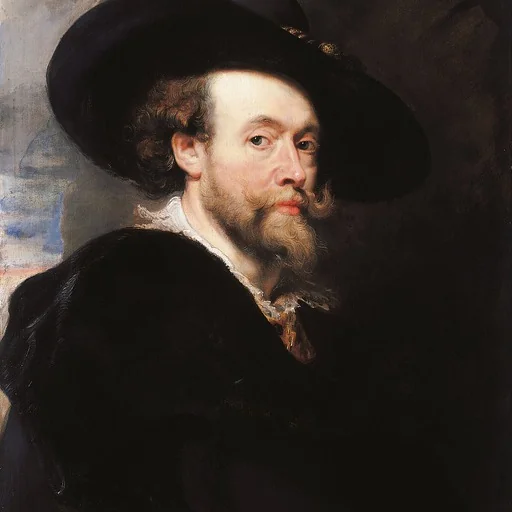
Artist
Sir Peter Paul Rubens ( ROO-bənz; Dutch: ; 28 June 1577 – 30 May 1640) was a Flemish artist and diplomat.

 The Conversion of St Paul
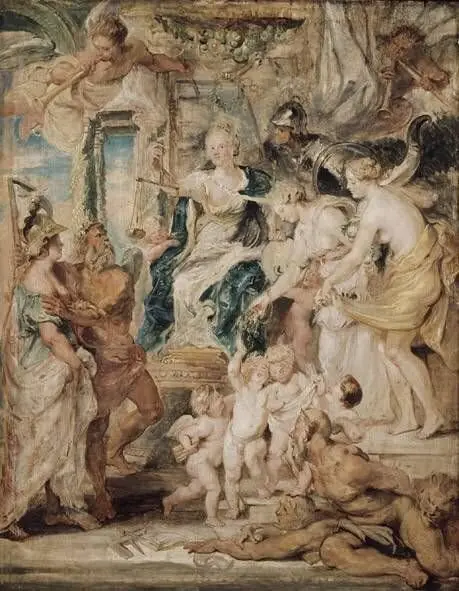 The Felicity of the Regency
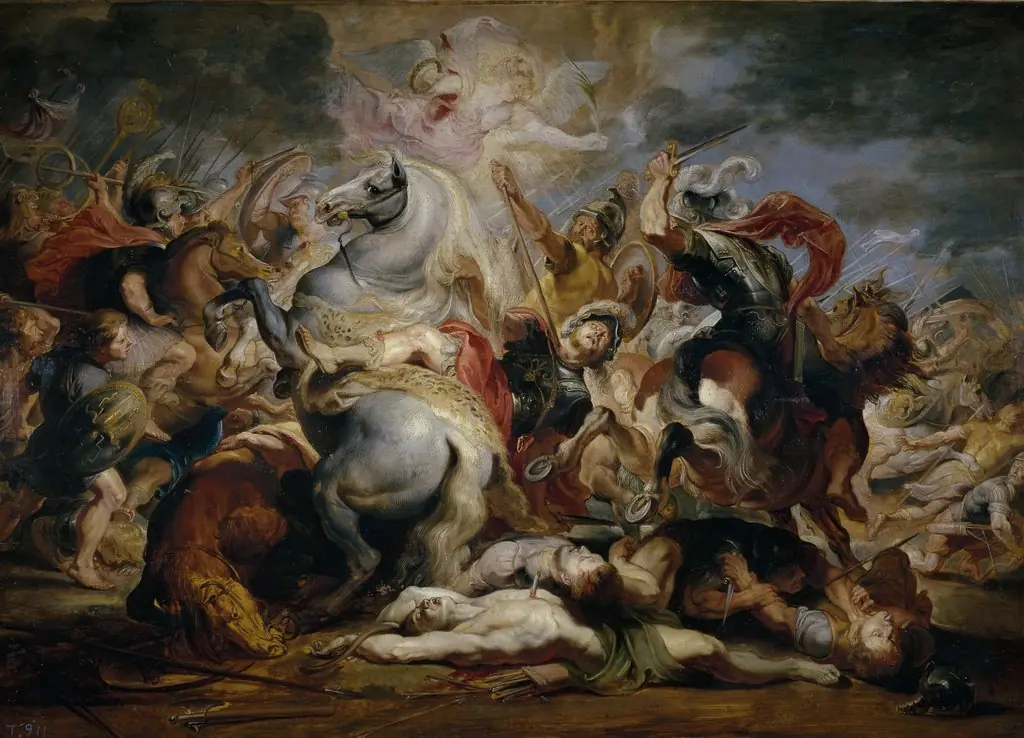 The Death of the Consul Decius
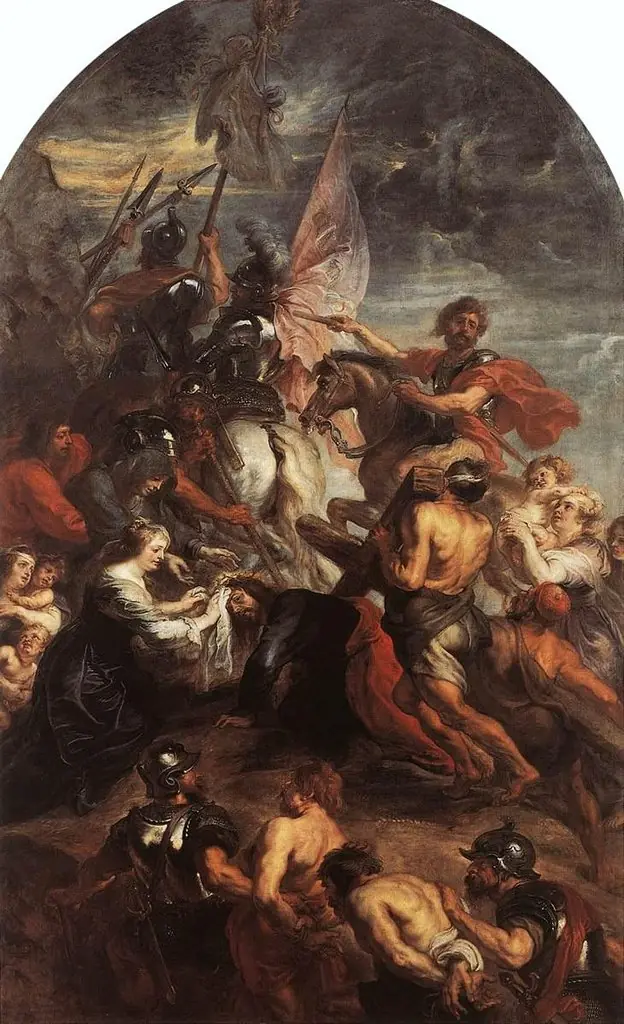 The Road to Calvary
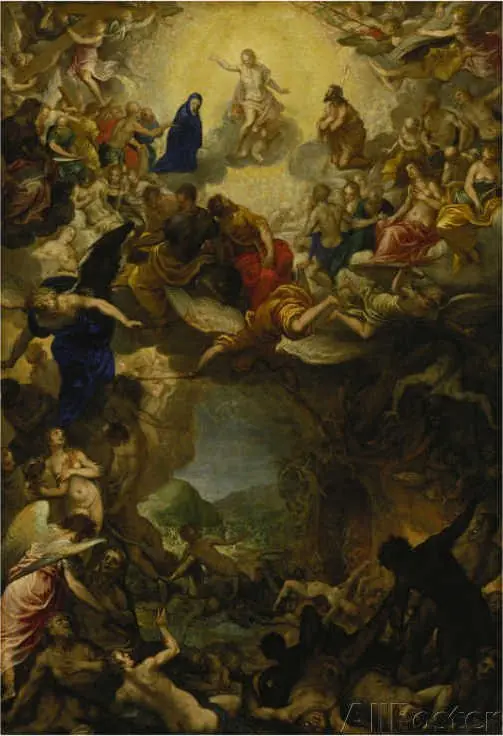 The Last Judgement
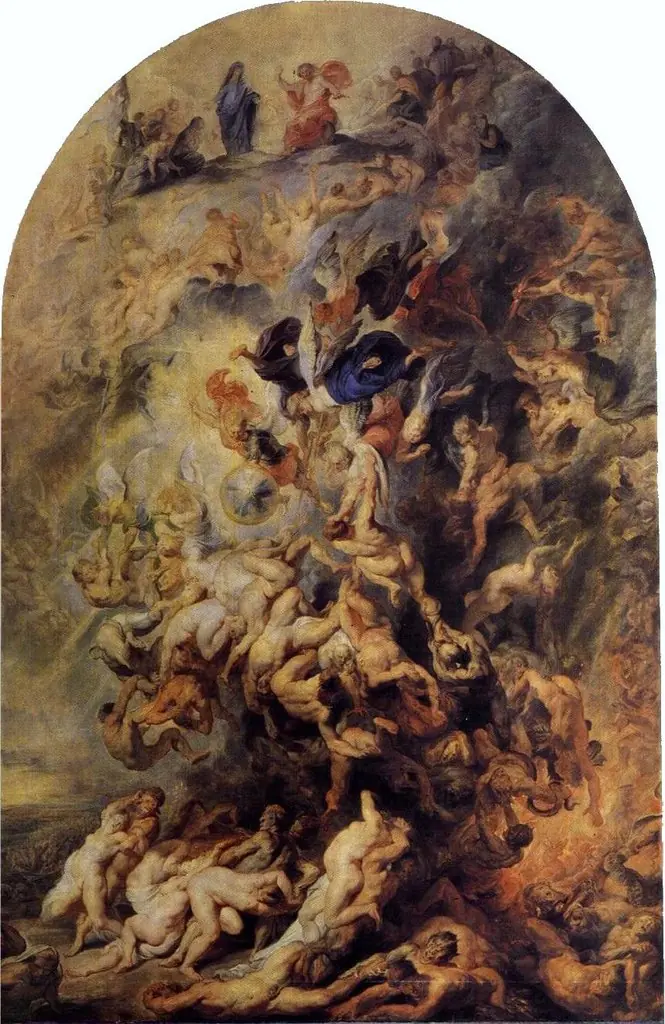 The Small Last Judgement
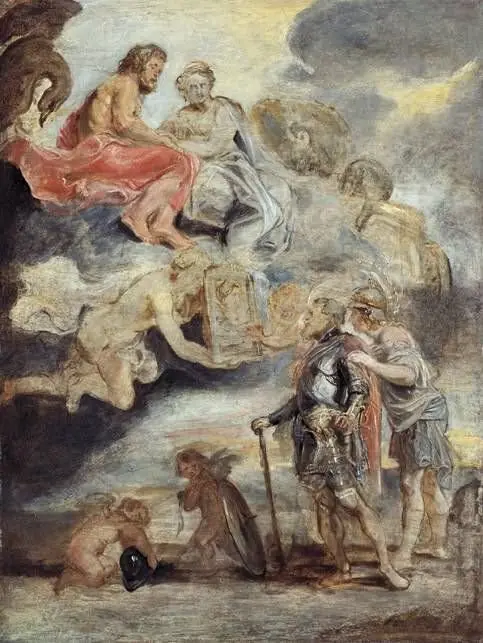 Minerva presents the portrait of Maria de' Medici to King Henry IV of France (sketch)
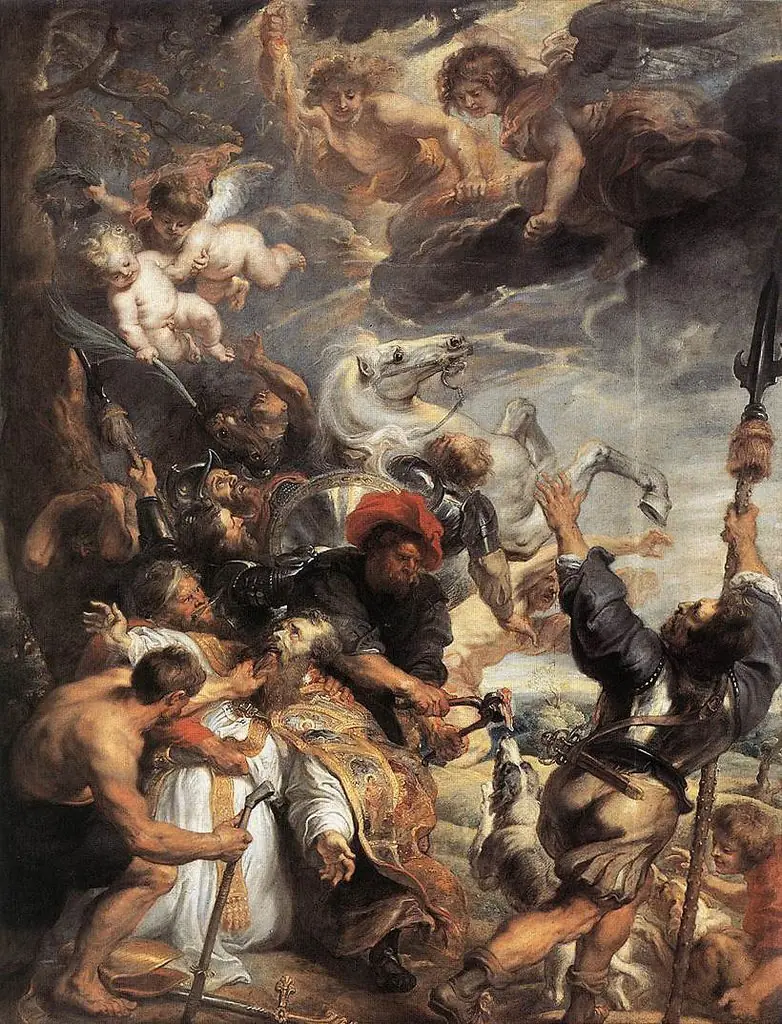 The Martyrdom of St Livinus
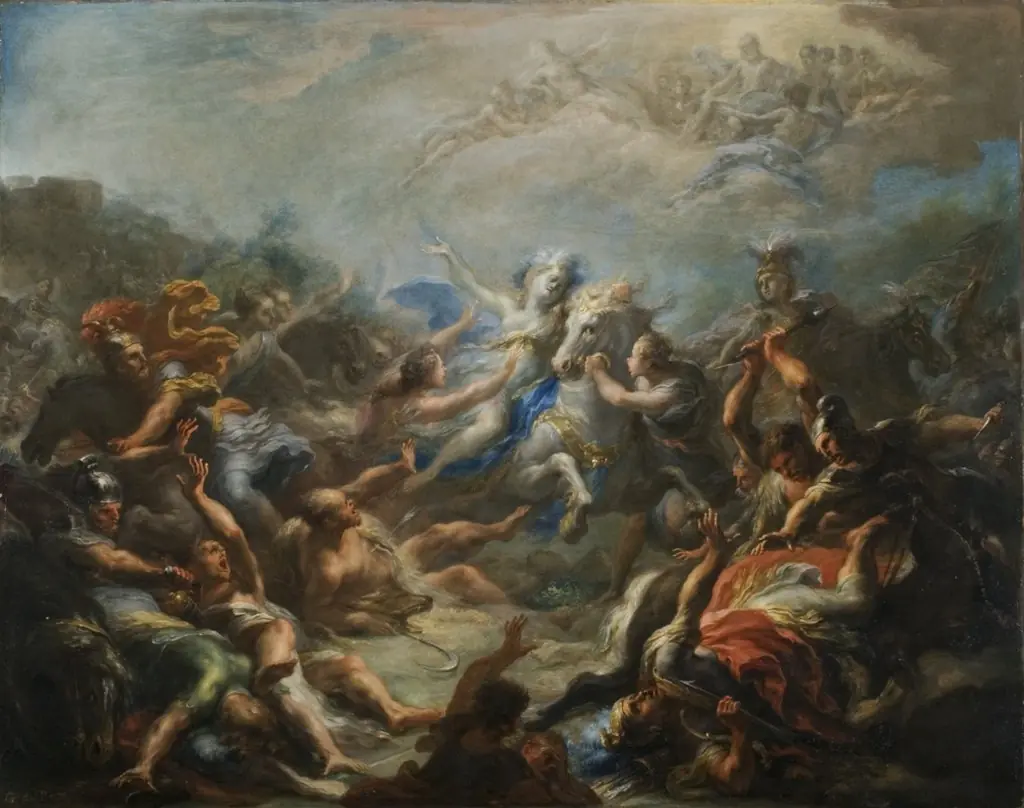 Camillia at War from Virgil's Aeneid
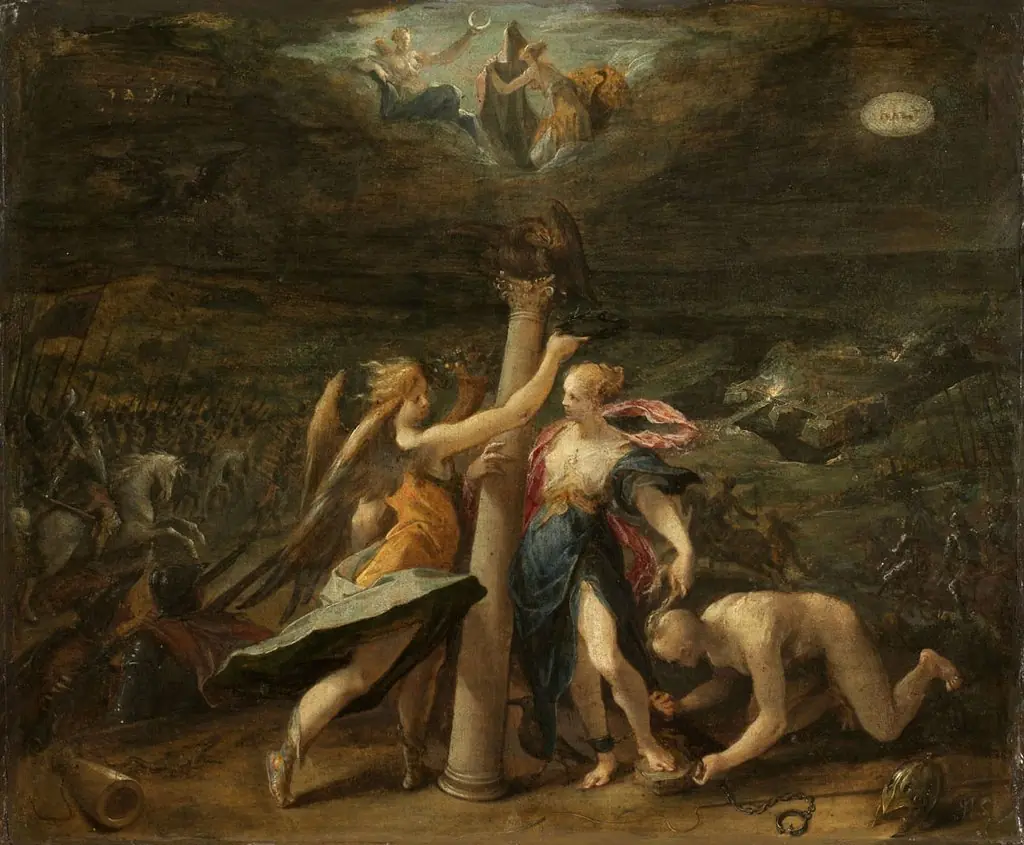 Allegory of the Reconquest of Győr