Artwork
The Death of the Consul Decius
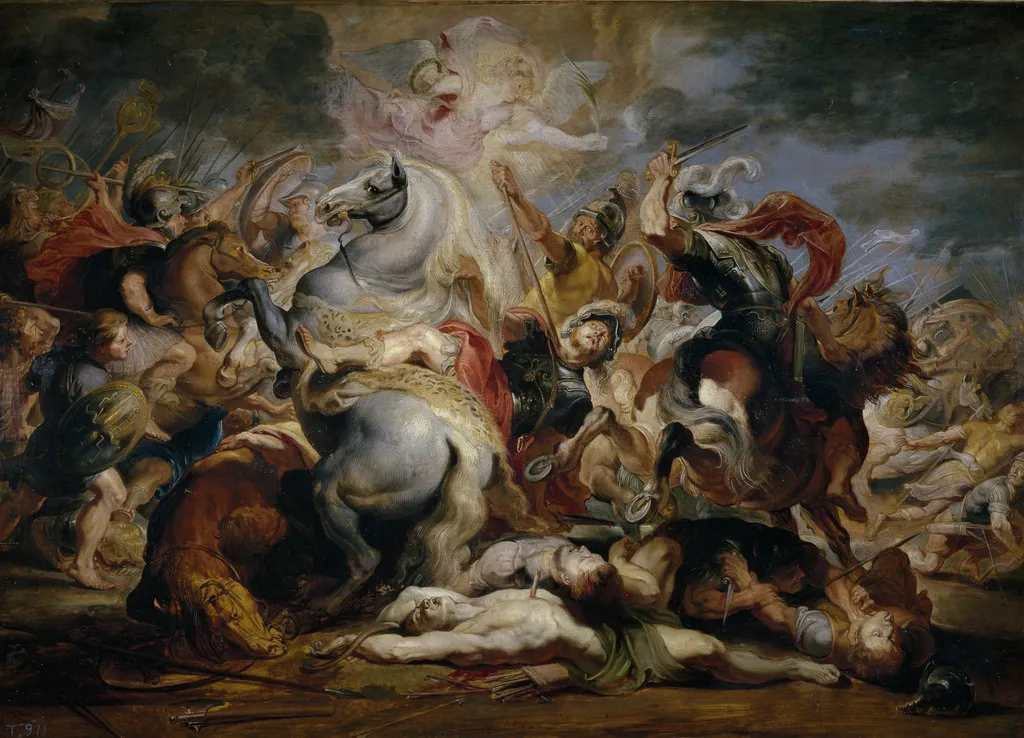
The Death of the Consul Decius is an oil painting by the Flemish Baroque painting artist Peter Paul Rubens. It dates from 1616 and is held in the collection of the Museo del Prado.
About this work
Overview
The composition centers on a mounted figure amid a tumultuous battlefield, rendered with a palette of deep shadows punctuated by striking reds and golds.
Created in 1616 by the Flemish painter and diplomat Peter Paul Rubens, this oil on canvas presents a dramatic historical episode rendered in the vigorous language of the Baroque. The composition centers on a mounted figure amid a tumultuous battlefield, rendered with a palette of deep shadows punctuated by striking reds and golds. The work belongs to the collection of the Museo del Prado in Madrid.
Subject & Meaning
The central character is identified as the Roman consul Publius Decius Mus, shown in full armor astride a white horse while clutching a natural trumpet, a symbol of martial proclamation. The surrounding chaos of combatants—some poised with weapons, others fallen—evokes the consul’s legendary self‑sacrifice in defense of the Republic, underscoring themes of duty and heroic resolve.
Technique & Style
Rubens employs a thick impasto that gives the figures a palpable solidity, especially evident in the sculptural rendering of muscles and gleaming armor. Light emanates from the focal point around the horse, accentuating the three‑dimensional effect. The vigorous brushwork, dynamic composition, and vivid coloration are hallmarks of the Flemish Baroque, emphasizing movement and emotional intensity.
History & Provenance
The painting was executed during Rubens’s mature period, when he was producing large‑scale history paintings alongside altarpieces, portraits, and landscapes. After its creation, the canvas entered various private collections before being acquired by the Museo del Prado, where it remains on public display as part of the museum’s Flemish Baroque holdings.
Context
Rubens’s choice of a Roman consul as subject reflects the early 17th‑century fascination with classical antiquity and its moral exempla. By portraying Decius Mus in the heat of battle, Rubens aligns the ancient narrative with contemporary notions of heroic leadership, a theme resonant in the political and diplomatic circles in which he moved.
Own this work as a print
Artist & collection
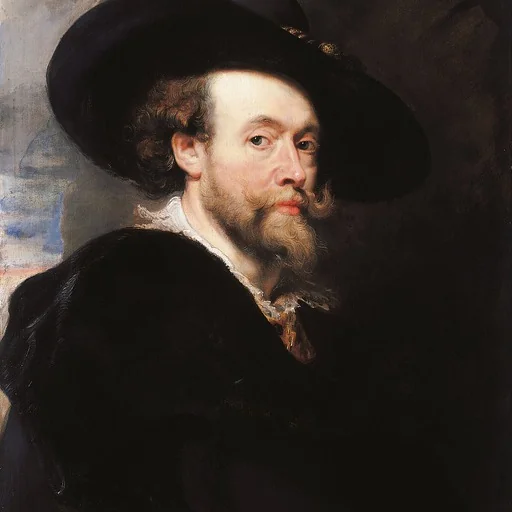
Artist
Sir Peter Paul Rubens ( ROO-bənz; Dutch: ; 28 June 1577 – 30 May 1640) was a Flemish artist and diplomat.