Artwork
Meleager and Atalante
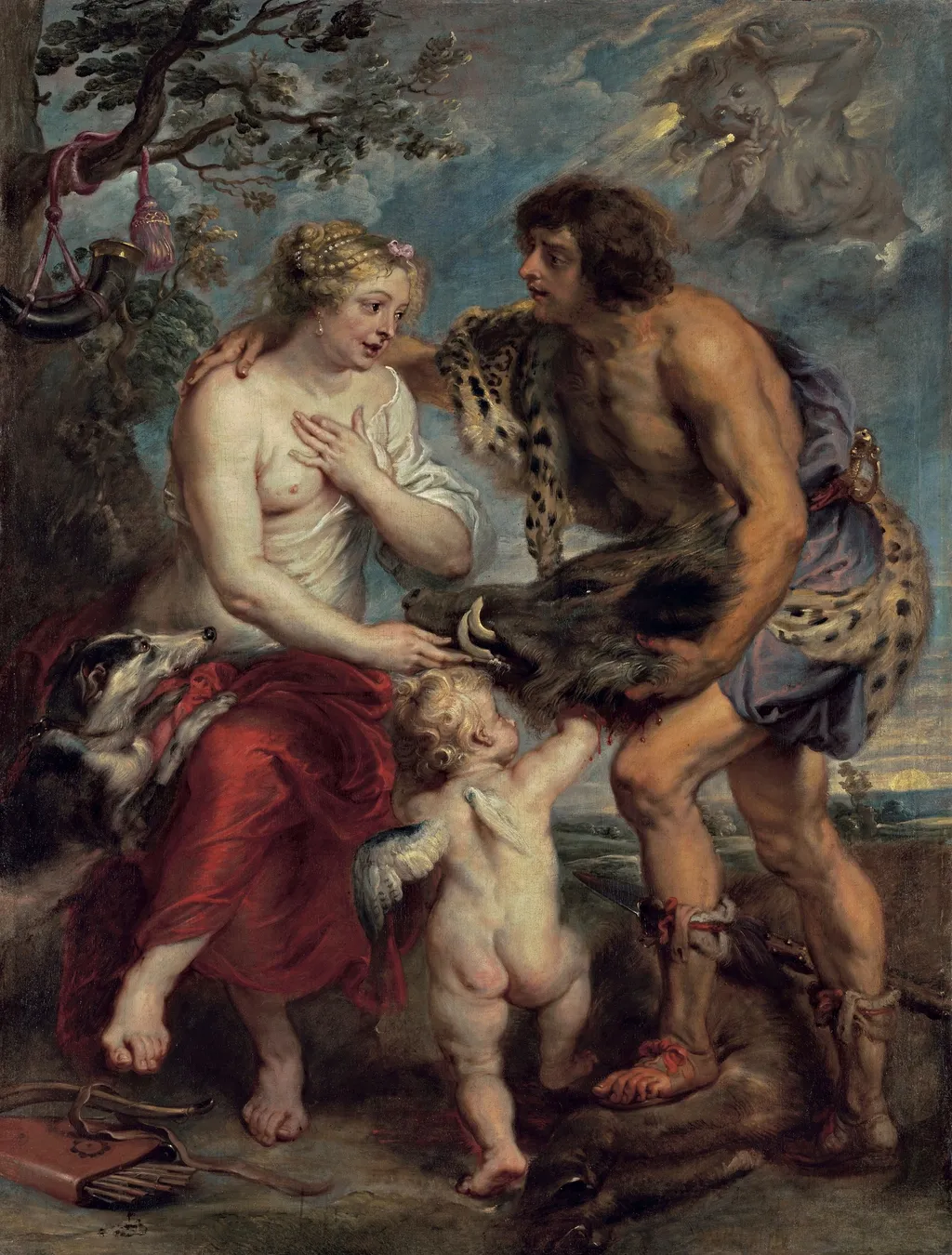
Meleager and Atalante is an oil painting by the Flemish Baroque painting artist Peter Paul Rubens. It dates from 1635 and is held in the collection of the Alte Pinakothek.
About this work
Overview
Sparse tools such as a saw and hammer appear in the background, adding a narrative hint to the otherwise pastoral scene.
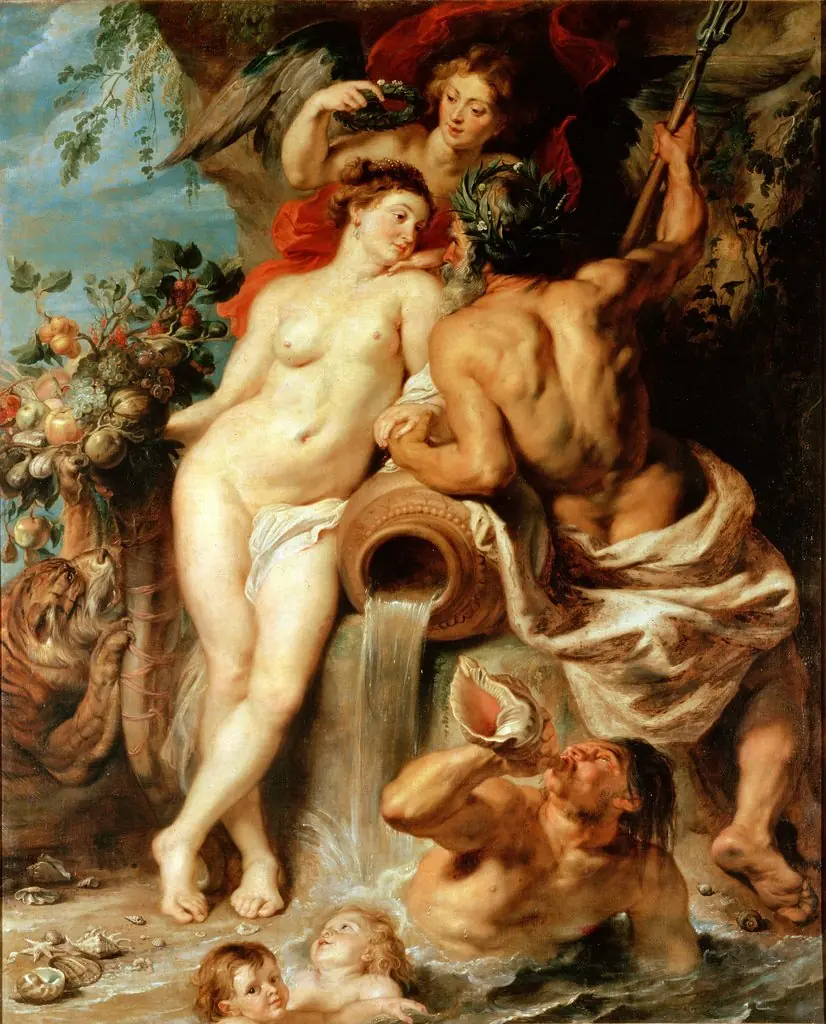
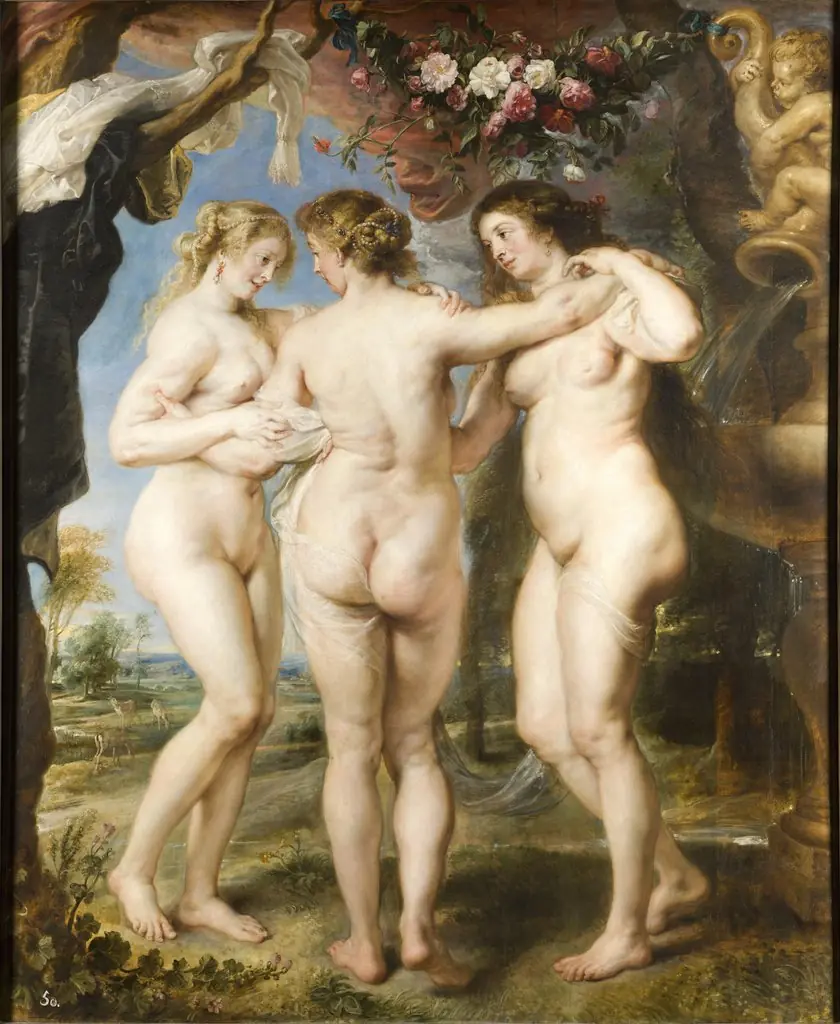
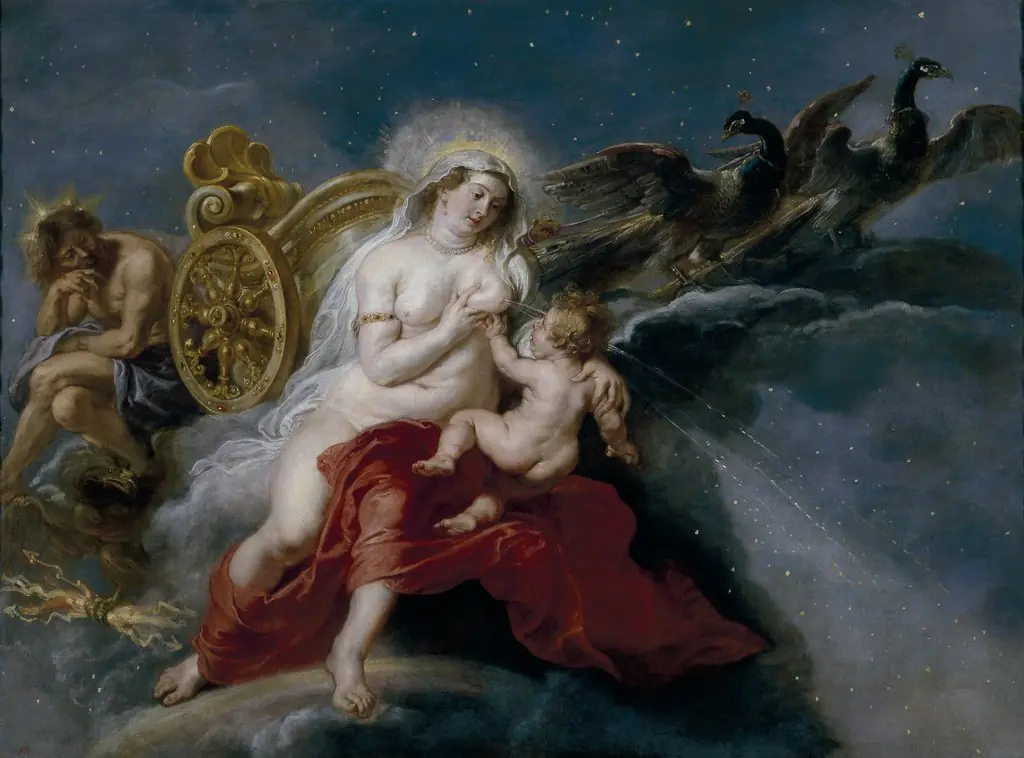
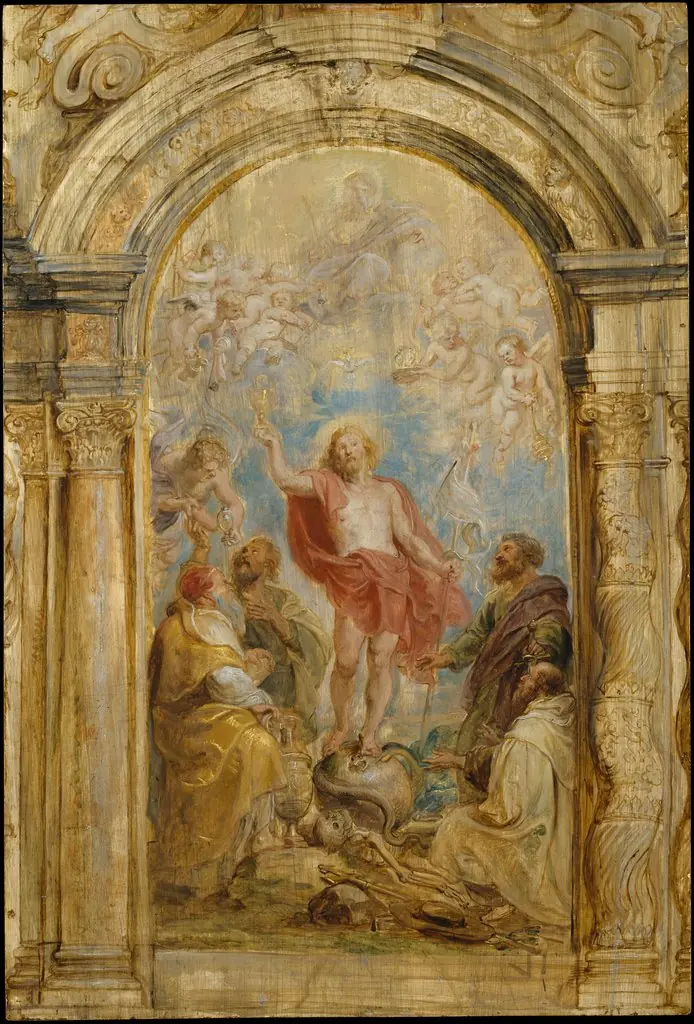
Peter Paul Rubens painted *Meleager and Atalante* in 1635, employing oil on canvas to render a mythological tableau. The composition centers on three figures within a wooded setting, juxtaposing a red‑cloaked woman cradling a winged infant with a muscular male figure draped in a leopard pelt. Sparse tools such as a saw and hammer appear in the background, adding a narrative hint to the otherwise pastoral scene.
Subject & Meaning
The work references the Greek legend of Meleager and Atalanta, though Rubens introduces a winged child that may symbolize the infant Calydonian boar’s offspring or a divine messenger. The calm expression of the woman and the protective gesture of the man suggest themes of nurture, heroism, and the tension between civilization and the wild, embodied by the forest and animal skins.
Technique & Style
Executed in the exuberant Flemish Baroque idiom, the painting showcases Rubens’s hallmark vigor: swirling drapery, muscular anatomy, and a palette of saturated reds, deep greens, and luminous flesh tones. The chiaroscuro model creates a three‑dimensional presence, while the fluid brushwork conveys movement in the foliage and the tactile quality of the leopard pelt.
History & Provenance
Rubens, a diplomat as well as an artist, produced the canvas for a private collector in the mid‑1630s, a period when his workshop was prolific in mythological commissions. The painting entered several European collections over the centuries, eventually becoming part of a museum’s holdings where it is displayed as an example of Rubens’s synthesis of classical narrative and Baroque dynamism.
Context
Created during the later phase of Rubens’s career, the piece reflects the broader 17th‑century fascination with antiquity and the moralizing potential of myth. The inclusion of everyday objects, such as the saw and hammer, aligns with contemporary efforts to ground heroic stories in recognizable, domestic details, a practice common among Flemish masters of the era.
Own this work as a print
Artist & collection
Artist
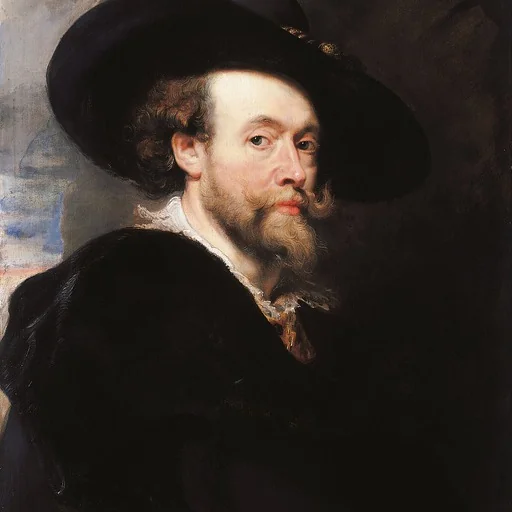
Sir Peter Paul Rubens ( ROO-bənz; Dutch: ; 28 June 1577 – 30 May 1640) was a Flemish artist and diplomat.