Art Museum
Alte Pinakothek

Image: Wikimedia Commons.
Alte Pinakothek is an art museum in Munich, Germany. 32 works from its collection are in this catalog, including Pieter Brueghel the Elder and Raphael.
About Alte Pinakothek
Overview & Identity
The Alte Pinakothek, meaning 'Old Picture Gallery' in German, is a premier art museum located in the Kunstareal district of Munich, Germany. It serves as a central institution within the Bavarian State Painting Collections (Bayerische Staatsgemäldesammlungen). The museum is dedicated to Old Master paintings created between the 14th and 18th centuries, housing one of the oldest and most significant public painting collections in Europe. Its name distinguishes it from the Neue Pinakothek, which focuses on 19th-century art, and the modern Pinakothek der Moderne.
History & Founding
The collection's origins trace back to the 16th century with the private art holdings of the Wittelsbach family, the ruling dynasty of Bavaria. However, the museum as a public institution was founded by King Ludwig I of Bavaria, an avid art collector and patron. He commissioned the building to house the royal collection and opened the Alte Pinakothek to the public in 1836. The museum quickly became a model for art galleries across Europe, setting new standards for the public display of art. Following its closure in 1939 due to World War II, the building suffered severe damage, and the collection was dispersed for safekeeping. It reopened after extensive restoration in 1957.
Building & Architecture
Designed by Leo von Klenze, the building is a freestanding structure measuring 150 meters in length, 50 meters in width, and 25 meters in height. The architecture features a central block flanked by broader wings to the east and west, constructed with one-meter-thick masonry faced with yellow polished bricks. Although the south façade was designed as the main entrance, the actual entrance is located on the east side. The building has undergone continuous modifications since its construction, particularly to improve indoor climate control for conservation purposes. It was severely damaged by bombing in 1943 and 1944, with the roof and upper halls destroyed, before being reconstructed.
Collection Highlights & Notable Holdings
The museum houses over 700 exhibited paintings, featuring masterpieces from Dutch, Flemish, German, Italian, French, and Spanish schools. Key works include Albrecht Dürer's 'Self-Portrait in Furred Coat' (1500), Raphael's 'Madonna of the Carnation' (c. 1475), and Peter Paul Rubens' 'Rubens and Isabella Brant in the Honeysuckle Bower' (c. 1609/10). The collection also boasts significant pieces by Diego Velázquez, including 'Young Spanish Nobleman' (c. 1631), and Albrecht Altdorfer's 'The Battle of Alexander at Issus' (1529). Other notable works include Pieter Bruegel the Elder's 'The Land of Cockaigne' (1567) and Rembrandt's 'The Lamentation of Christ' (c. 1628).
Significance & Legacy
The Alte Pinakothek is historically significant as one of the first museums in the world designed specifically to house a public art collection, influencing museum architecture and curation globally. Its comprehensive holdings trace the evolution of European painting from the Middle Ages through the 18th century, offering a unique insight into the artistic development of the continent. The museum's collection, largely derived from the Wittelsbach family's personal galleries and dissolved monasteries, remains a cornerstone of Bavarian cultural heritage. Despite the destruction of the building during World War II, the successful reconstruction and the preservation of its collection underscore its enduring importance in the art world.
What to see at Alte Pinakothek
Start with The Adoration of the Magi by Bernard Van Orley.
Works from Alte Pinakothek
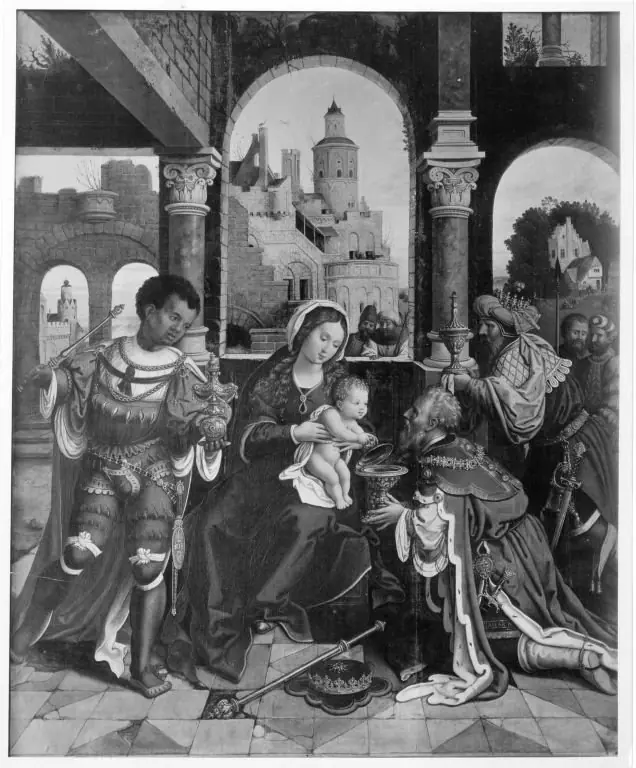 The Adoration of the Magi
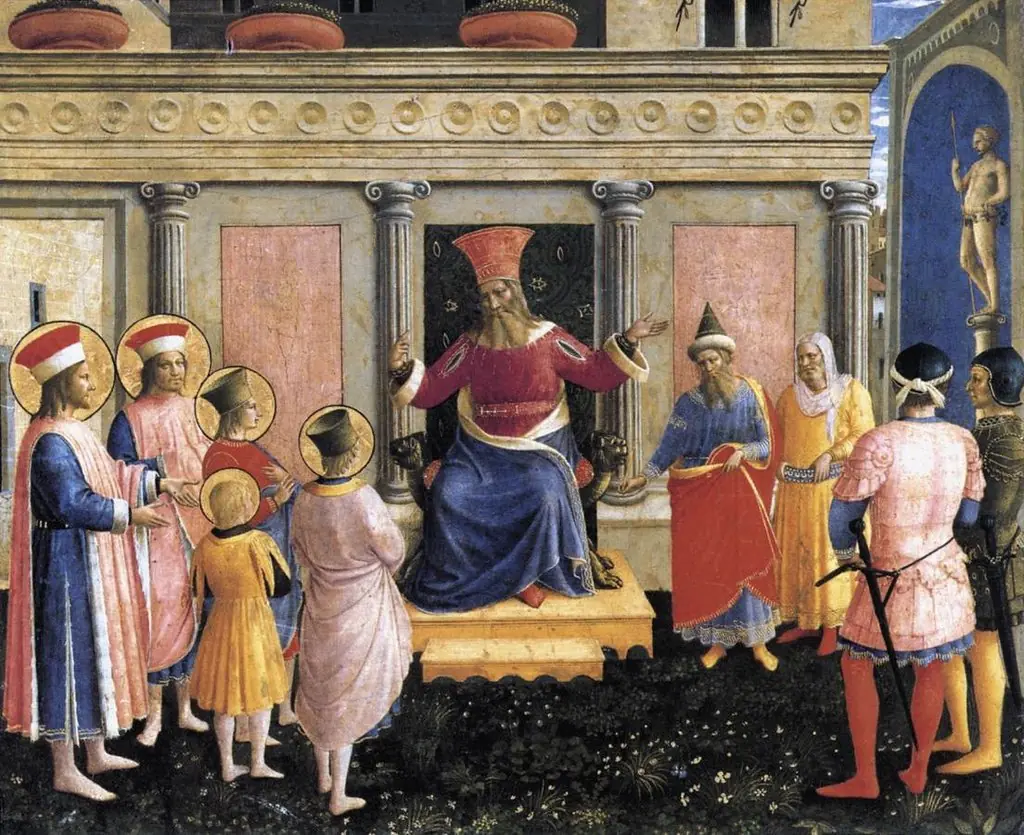 The Saints Cosmas and Damian with their Brothers before the Proconsul Lysias
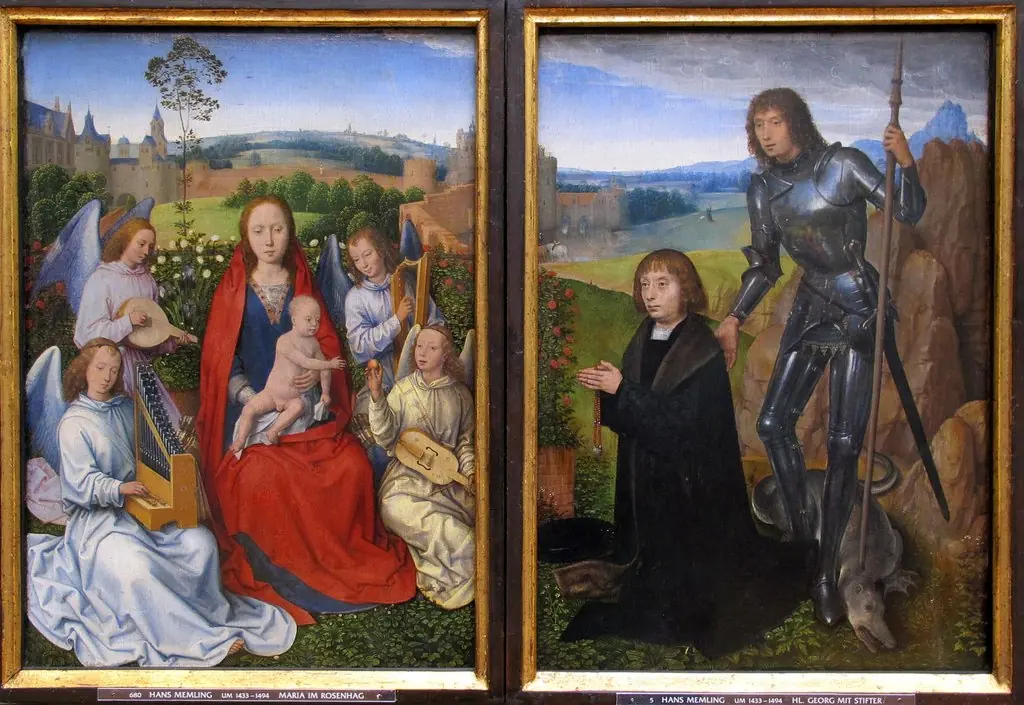 Diptych of Munich
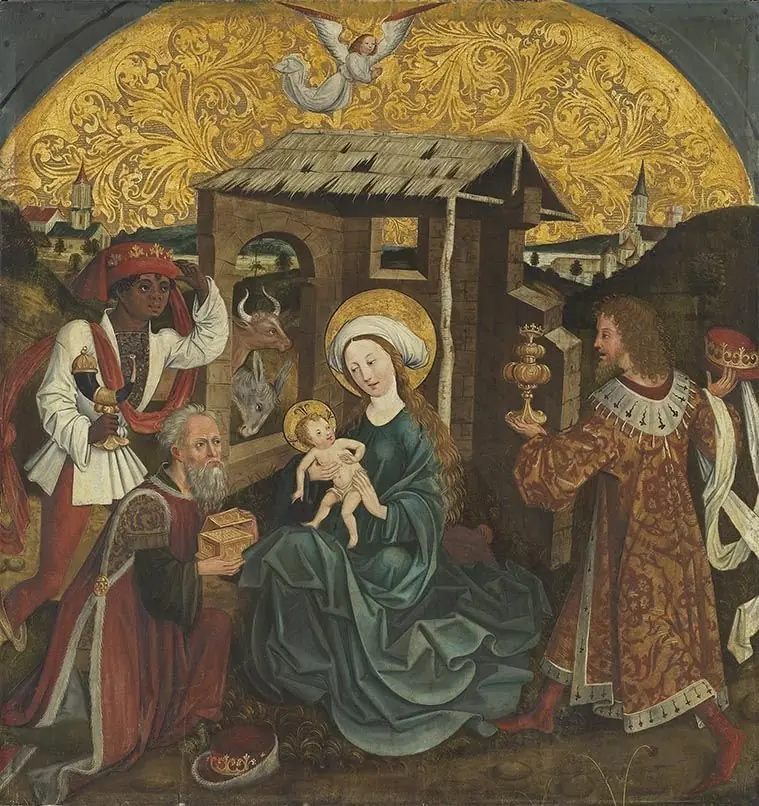 Adoration of the Kings
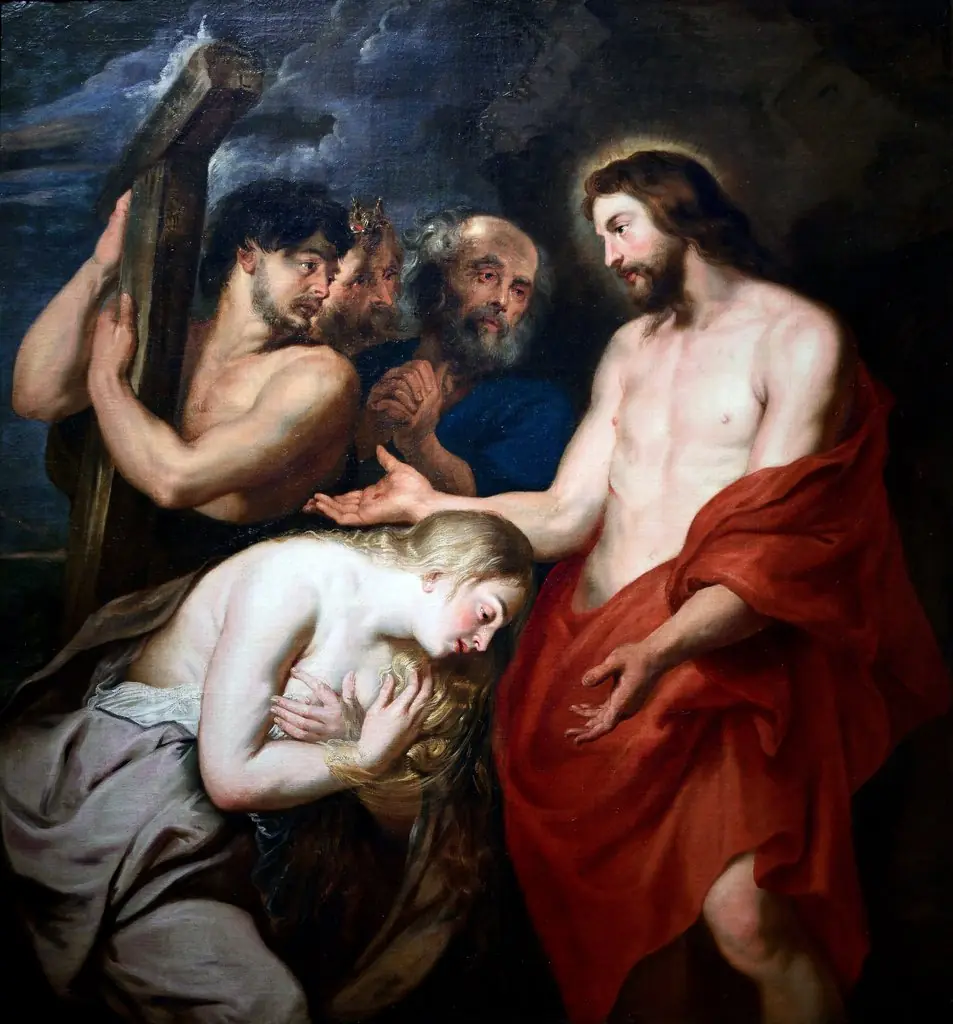 Christ and the Penitent Sinners
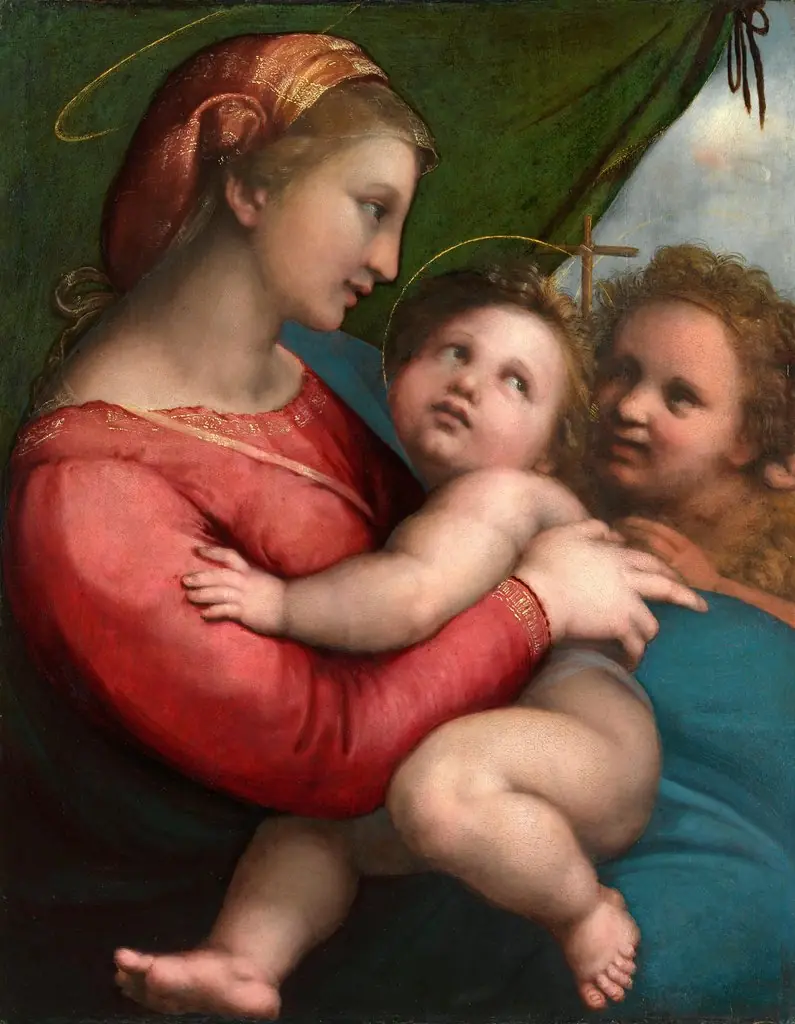 Madonna della tenda
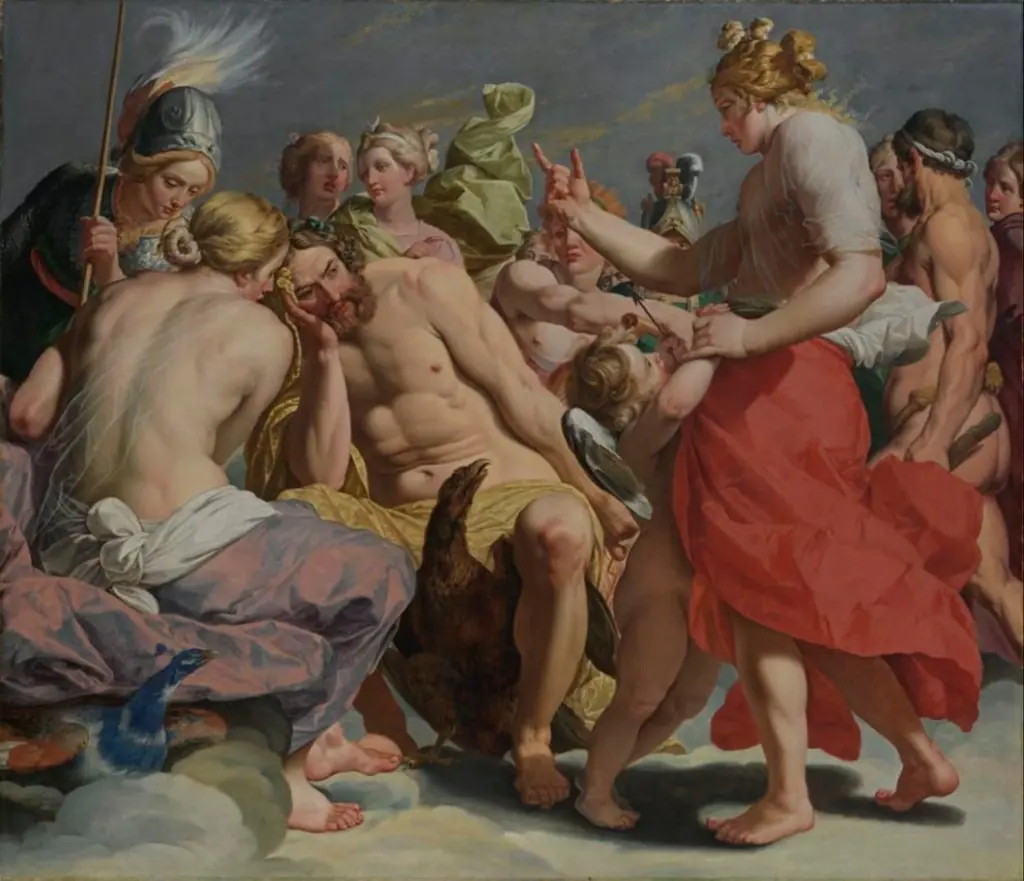 Mount Olympus
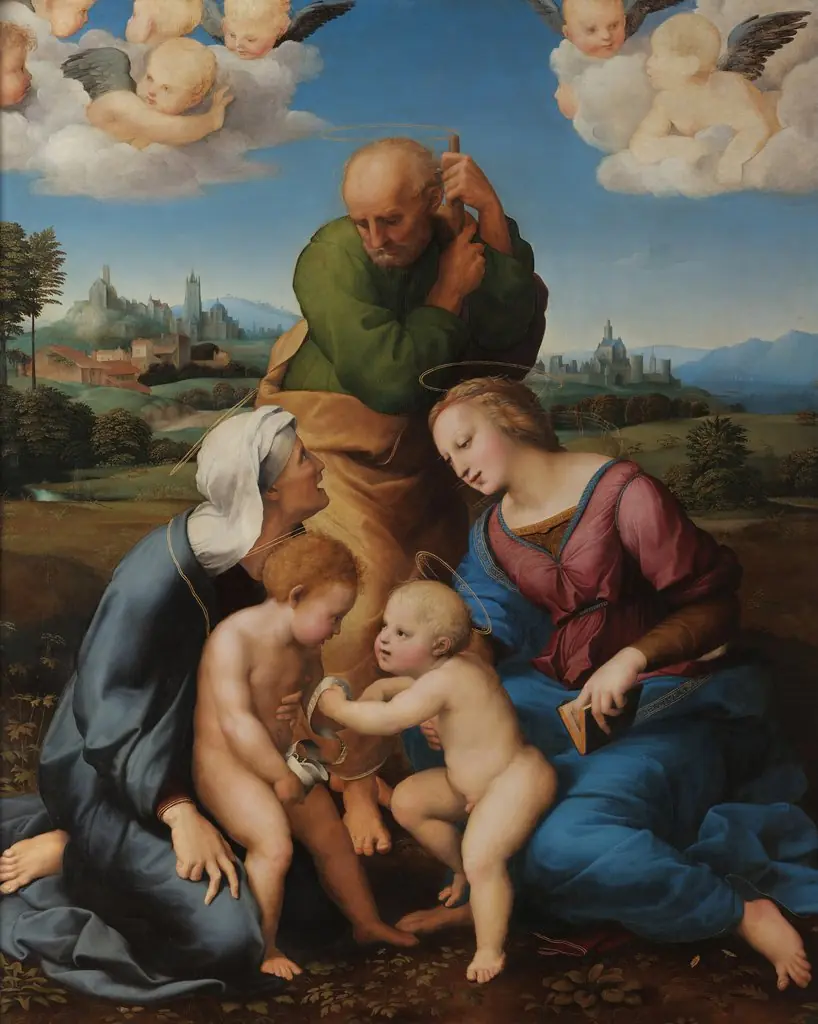 Canigiani Holy Family
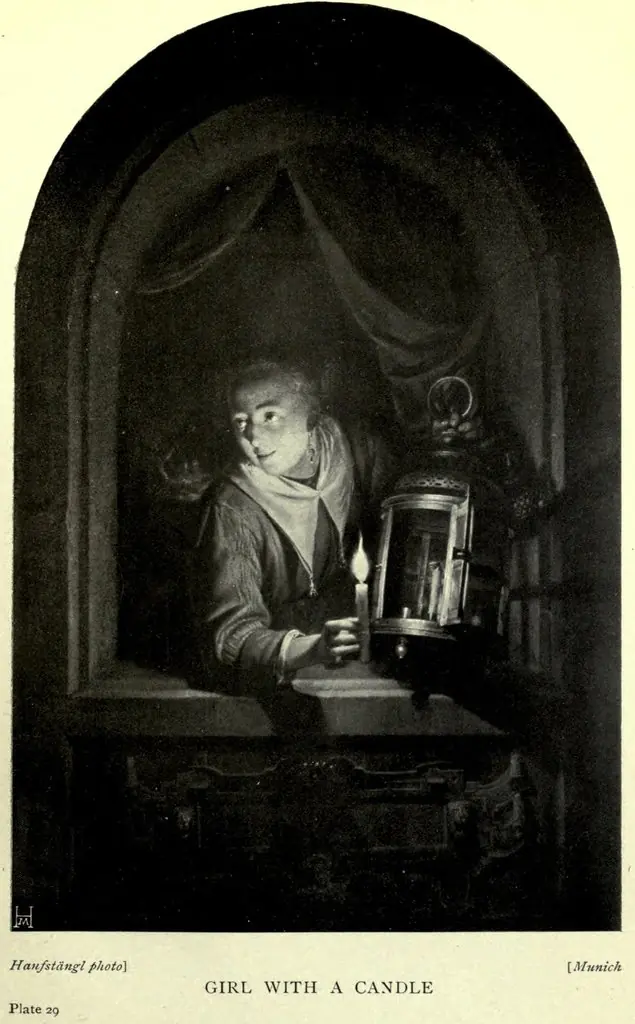 Young Woman with a Candle
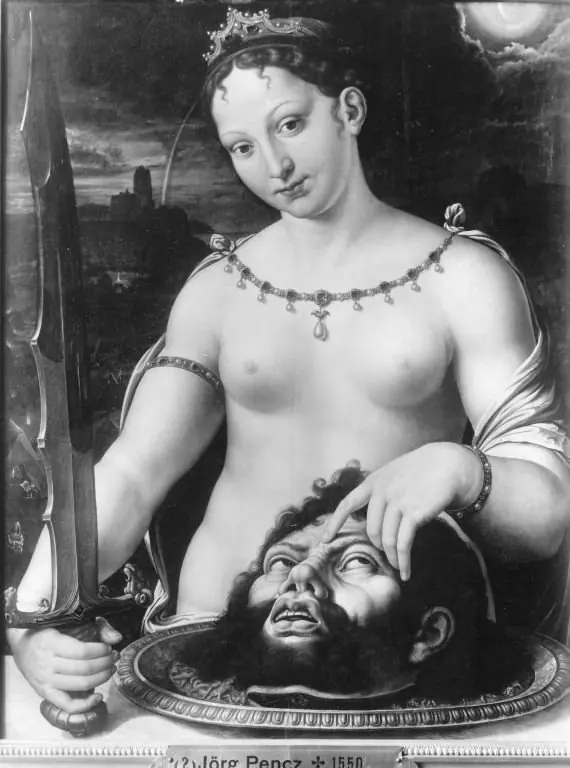 Judith with the Head of Holophernes
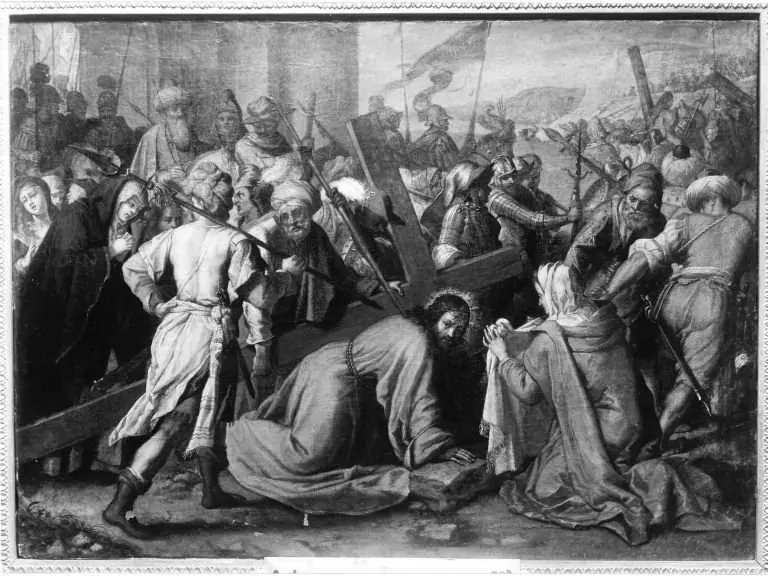 Christ, carrying the Cross, meets Veronica
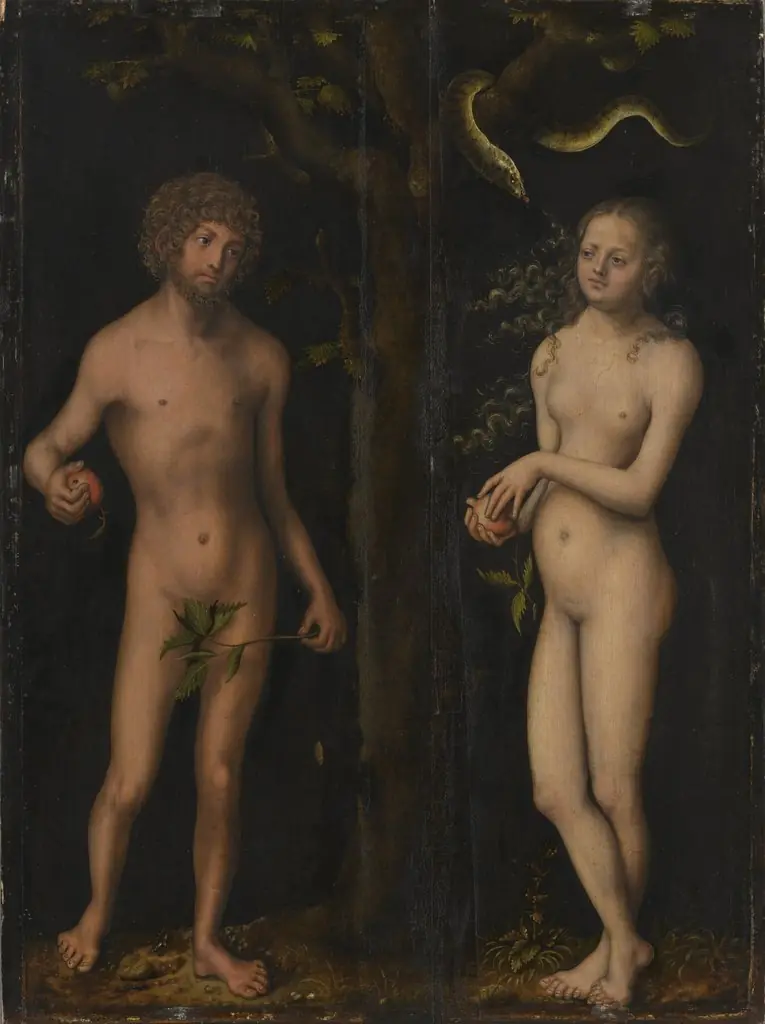 Adam and Eve
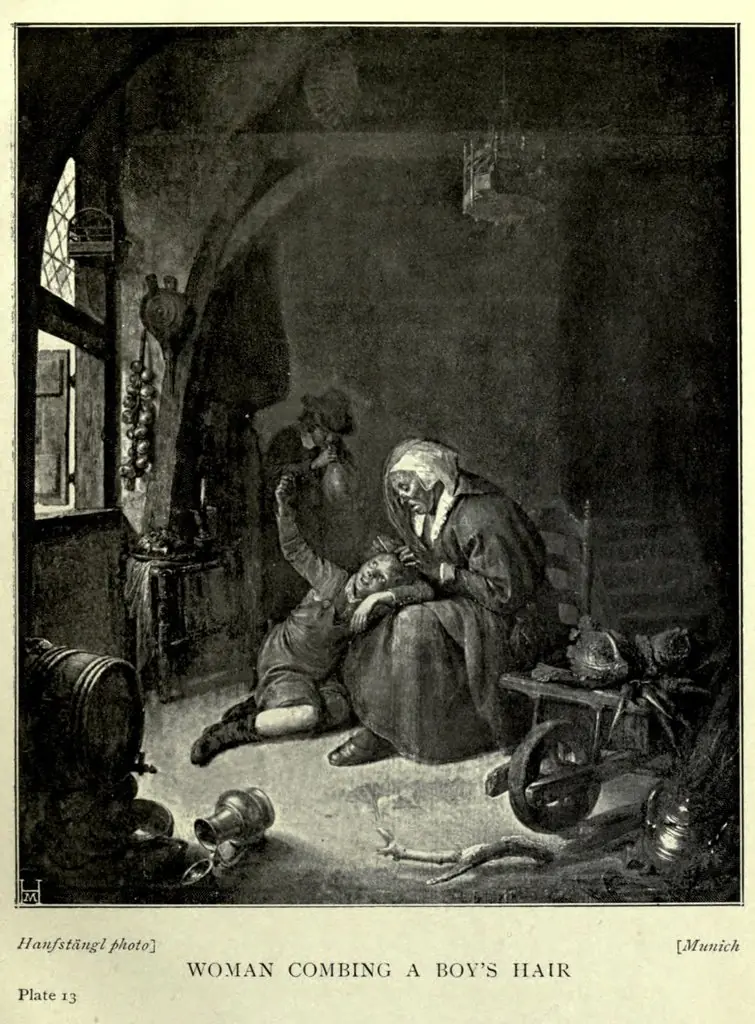 A Woman combing a Boy's Hair
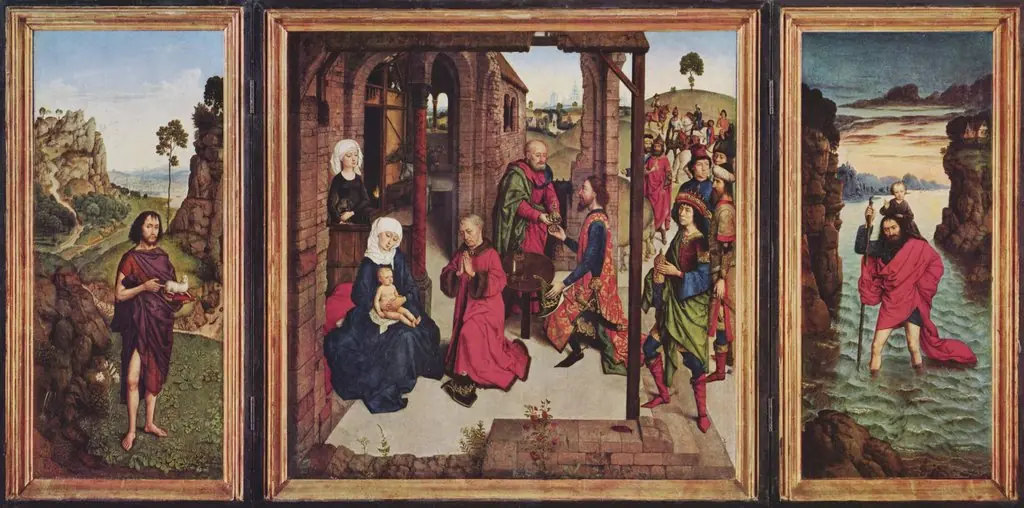 The Pearl of Brabant
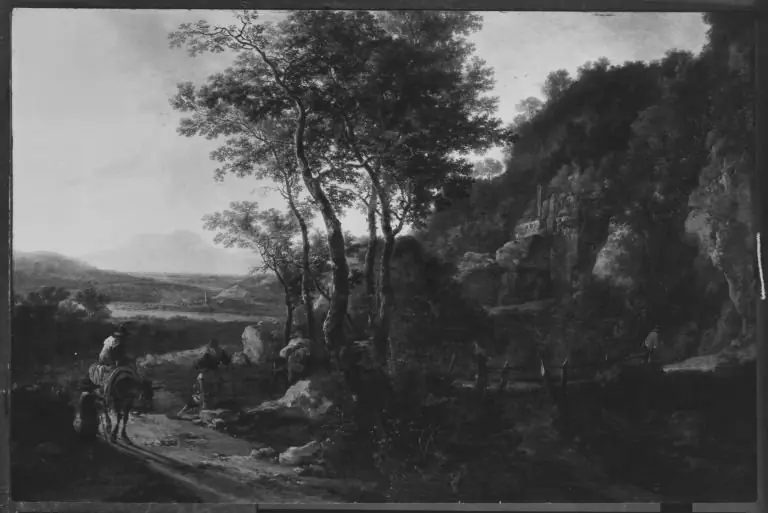 Italianate Landscape with Wooden Bridge
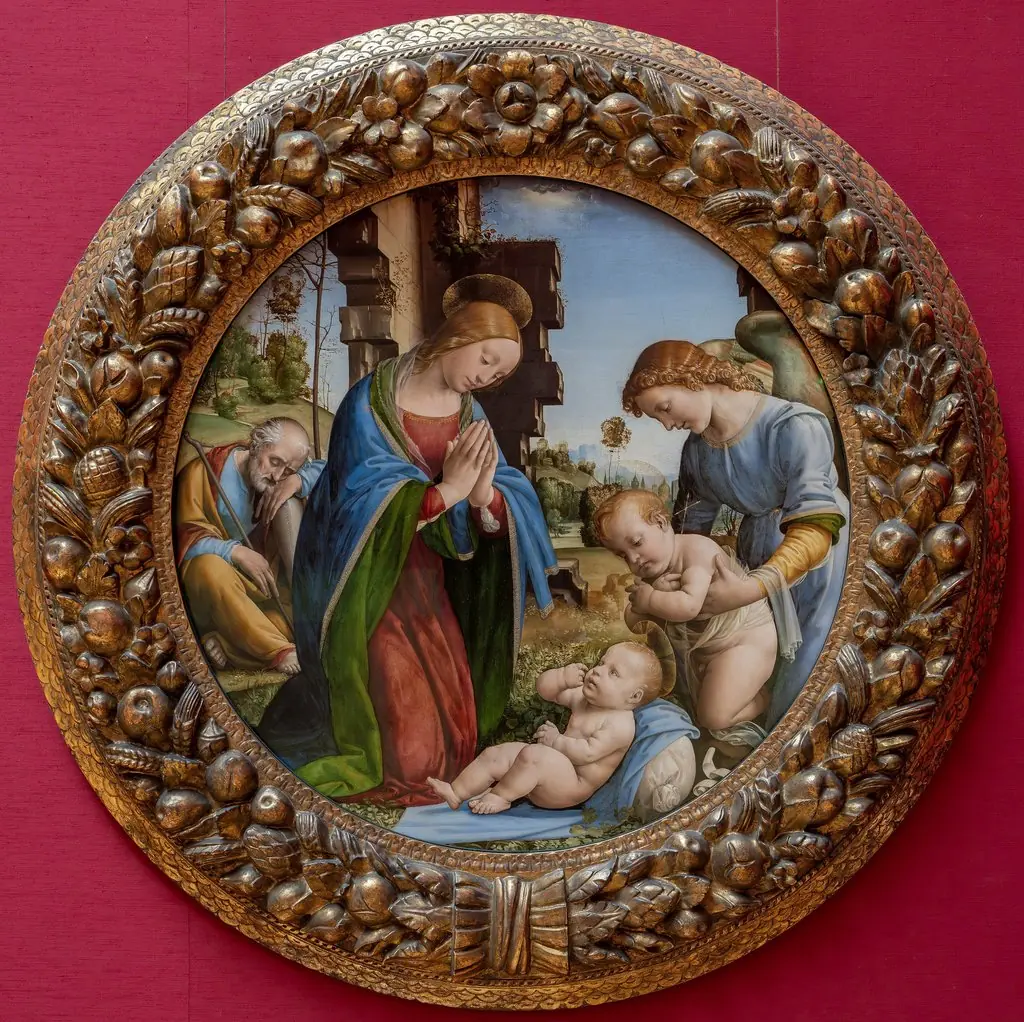 Adoration of the Child - Holy Family with child St. John
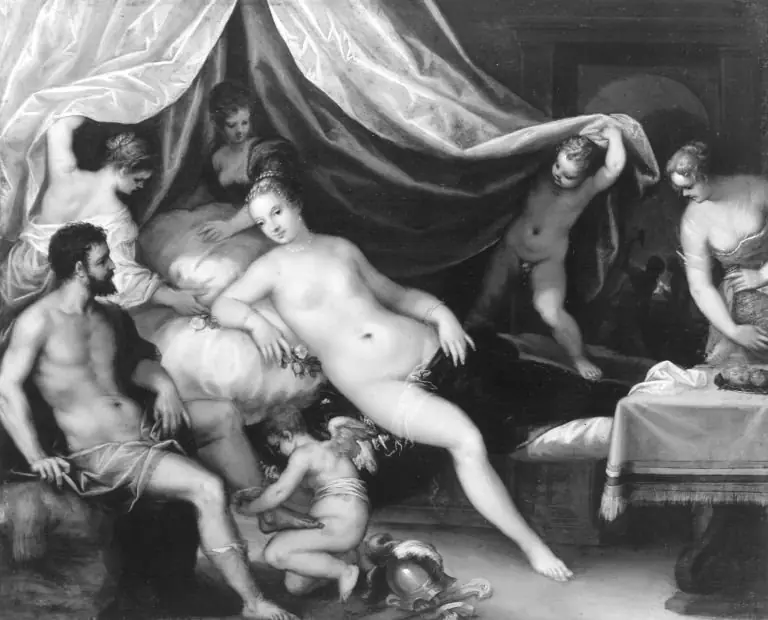 Venus, Mars und Vulkan
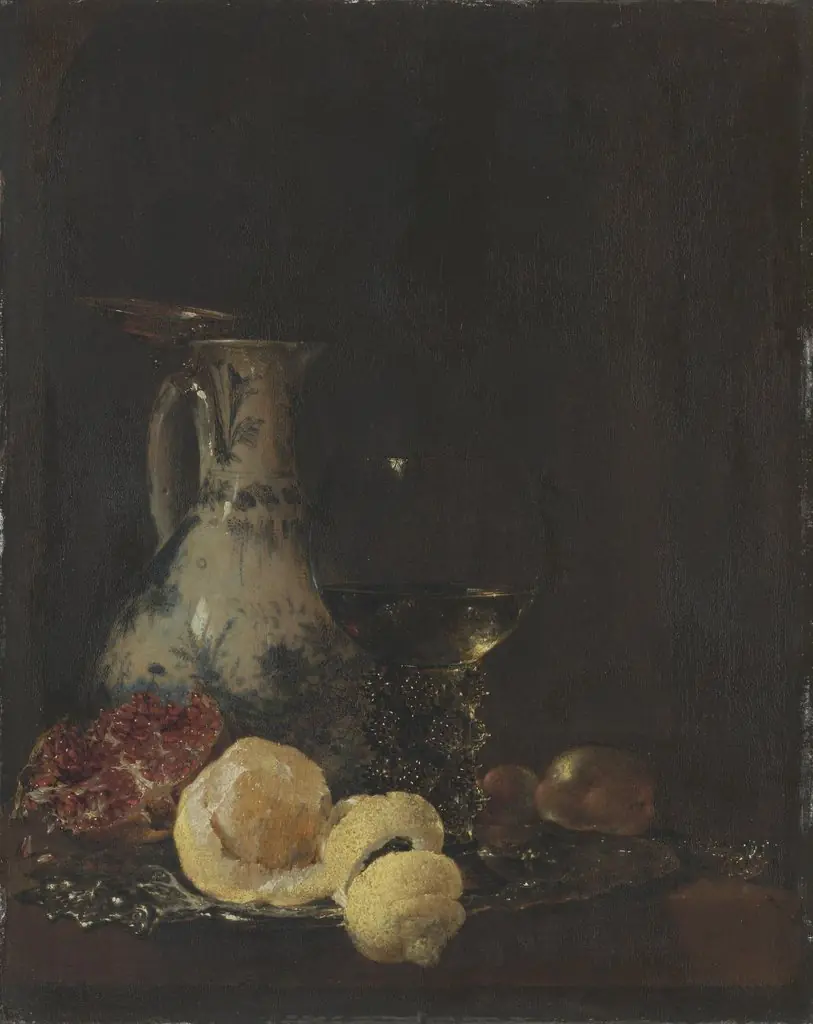 Still Life with a Ming Jug
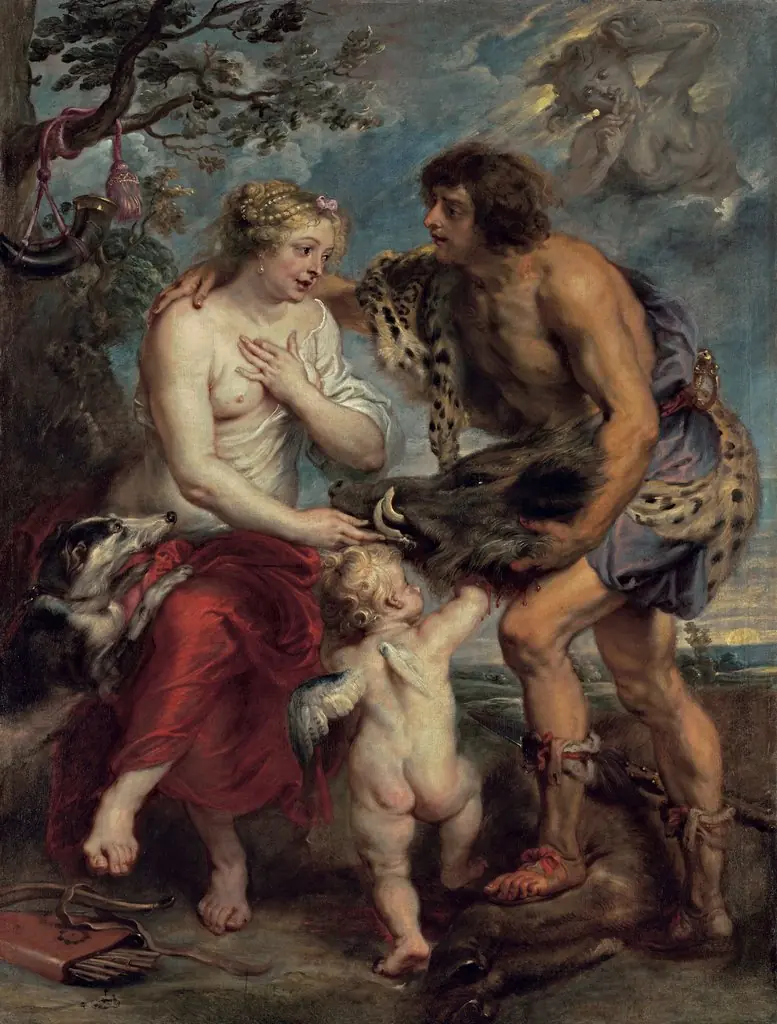 Meleager and Atalante
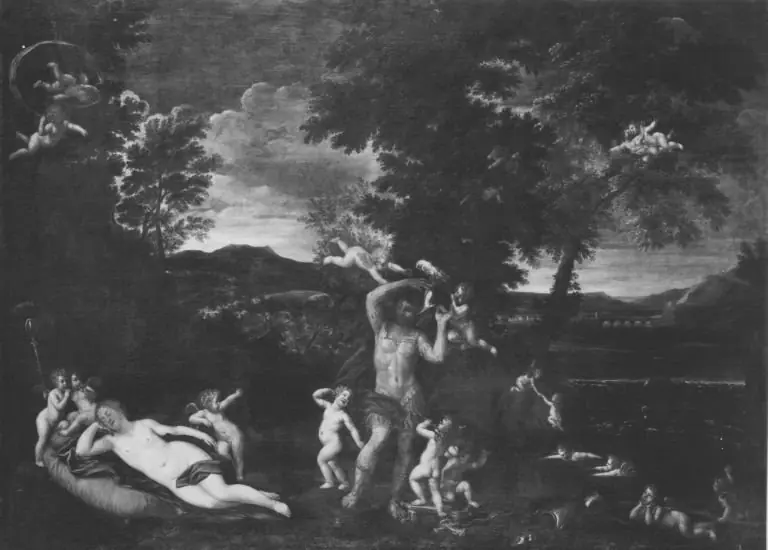 Venus, von Mars belauscht
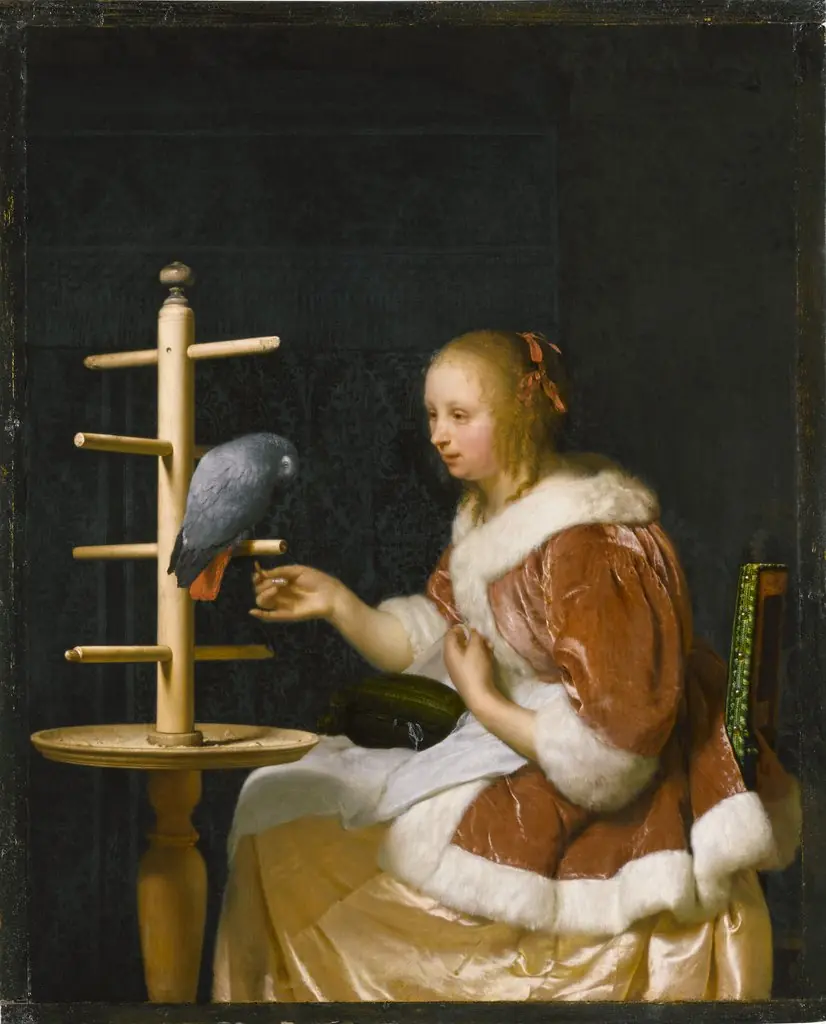 Woman feeding a Parrot
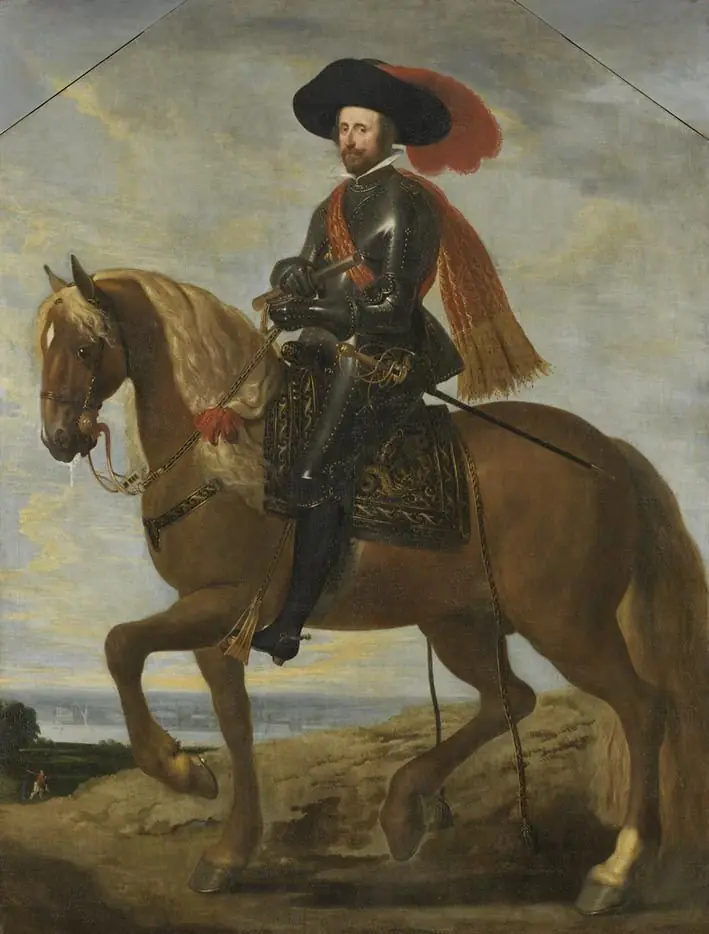 Equestrian portrait of Wolfgang Wilhelm von Pfalz-Neuburg
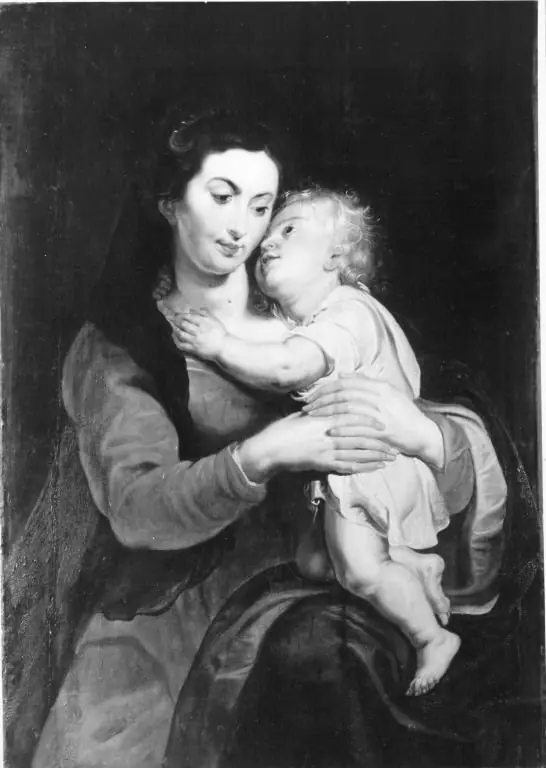 Maria mit Kind
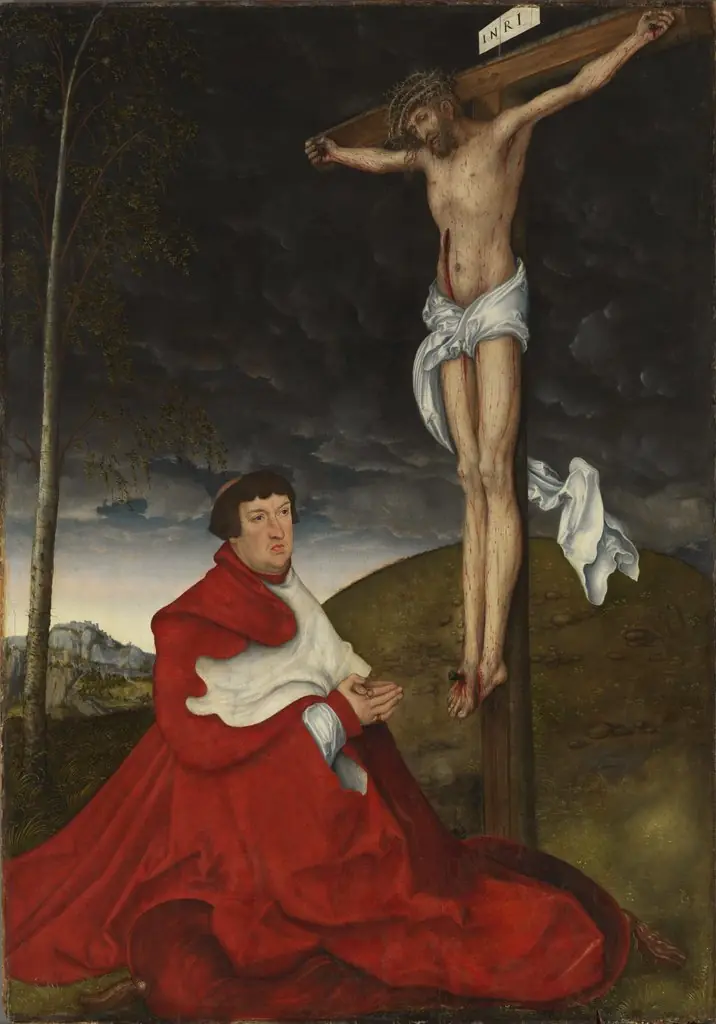 Cardinal Albrecht of Brandenburg in front of the Crucified Christ
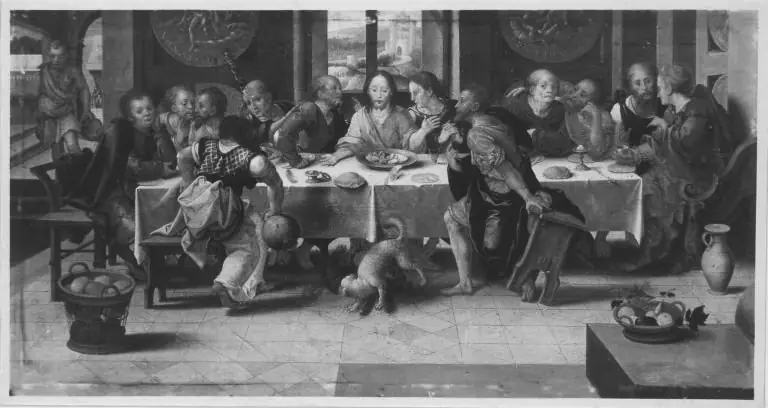 Last Supper
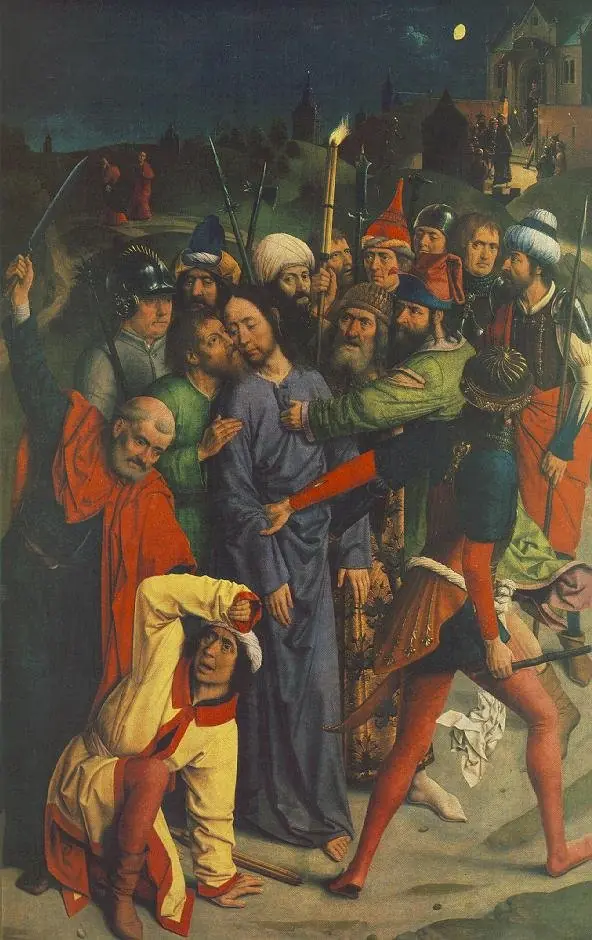 The Arrest of Christ with kiss of Judas and ear of Malchus
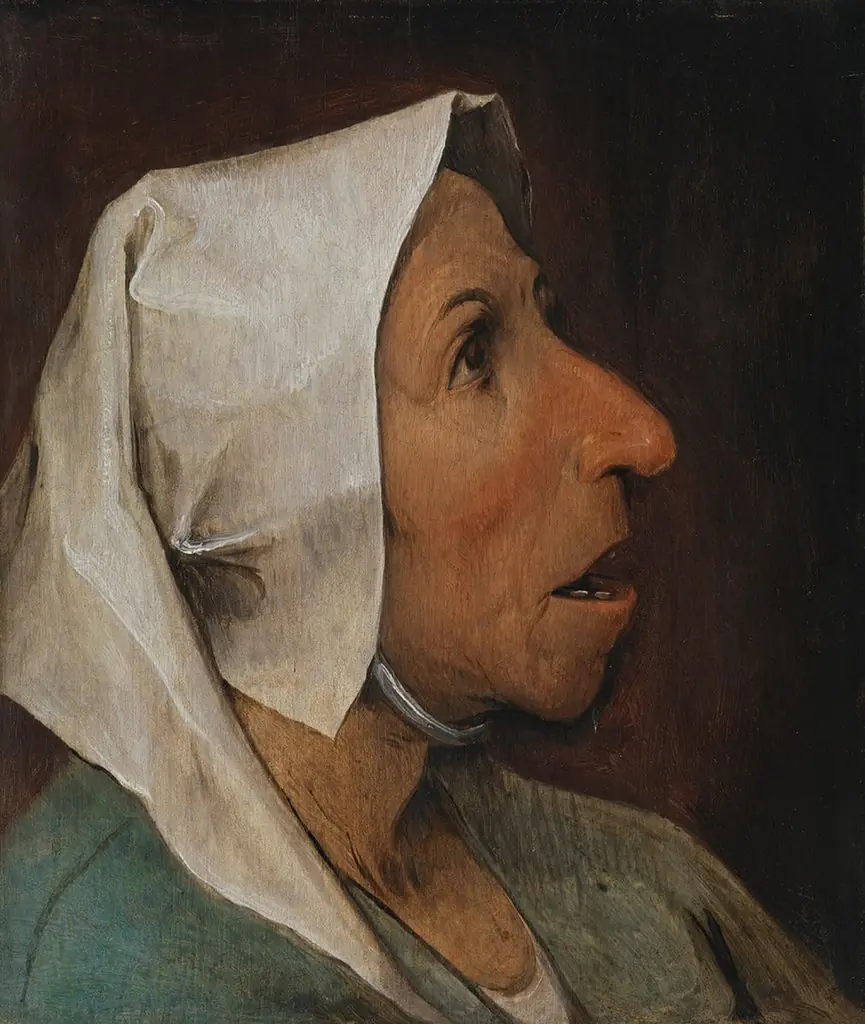 Head of Peasant
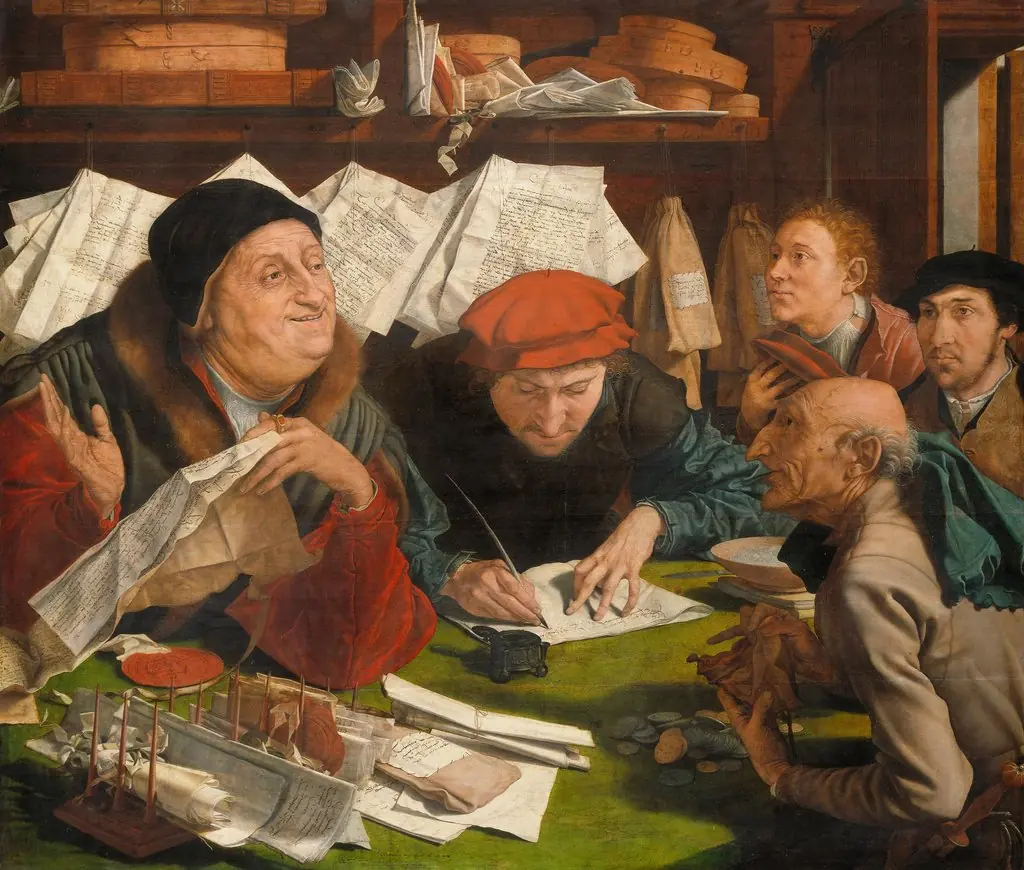 A Lawyer
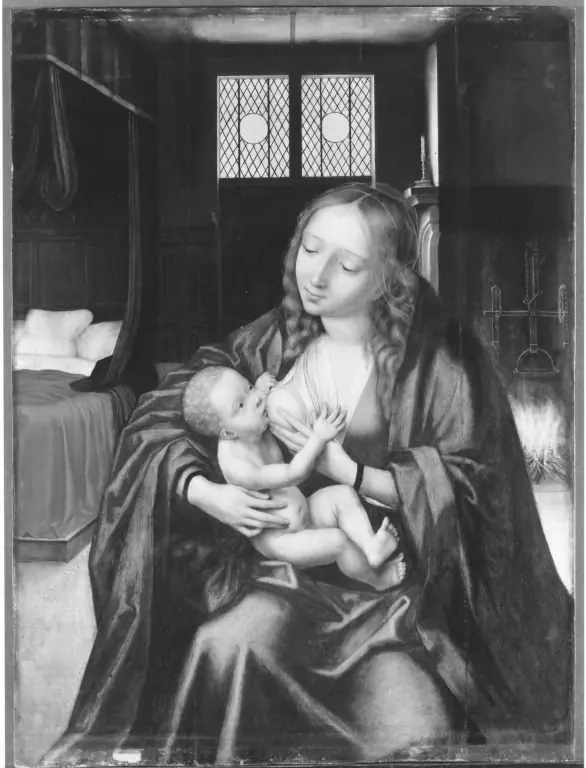 Maria mit Kind (Kopie nach einem verlorenen Original) (Kopie nach)
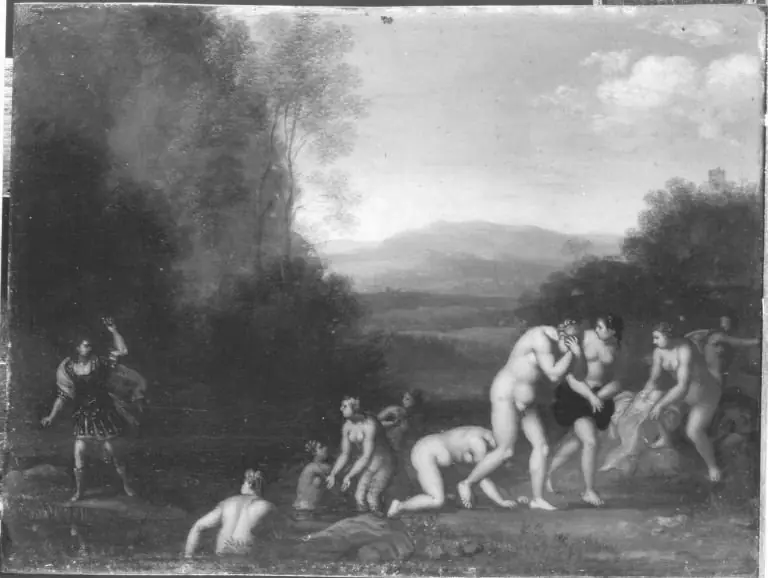 Diana im Bade und Aktäon (Schule)
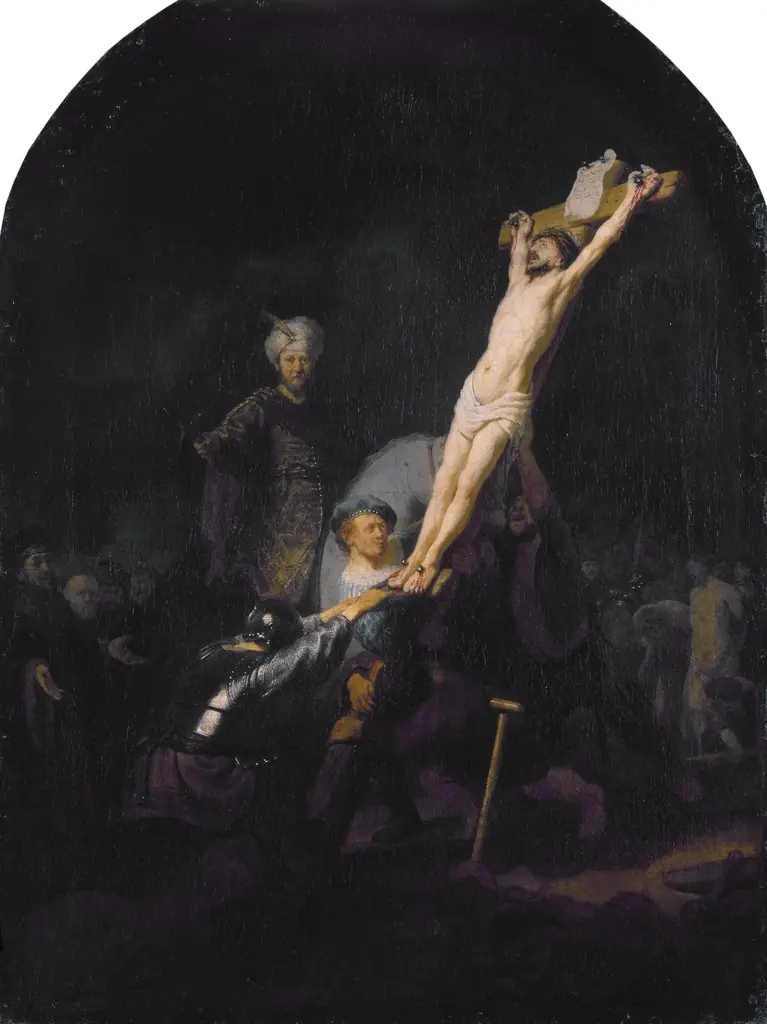 Raising of the Cross
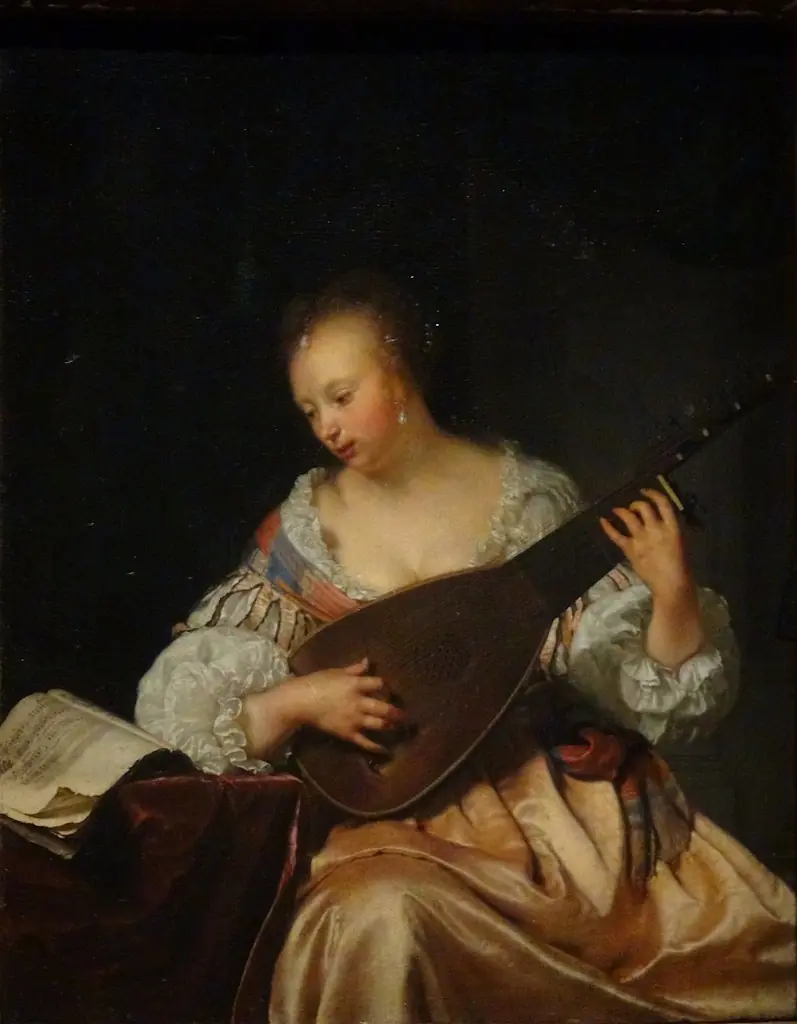 A Woman Playing a Lute
Plan your visit
Alte Pinakothek
- Website
- www.pinakothek.de