Artwork
Portrait of Isabella Clara Eugenia
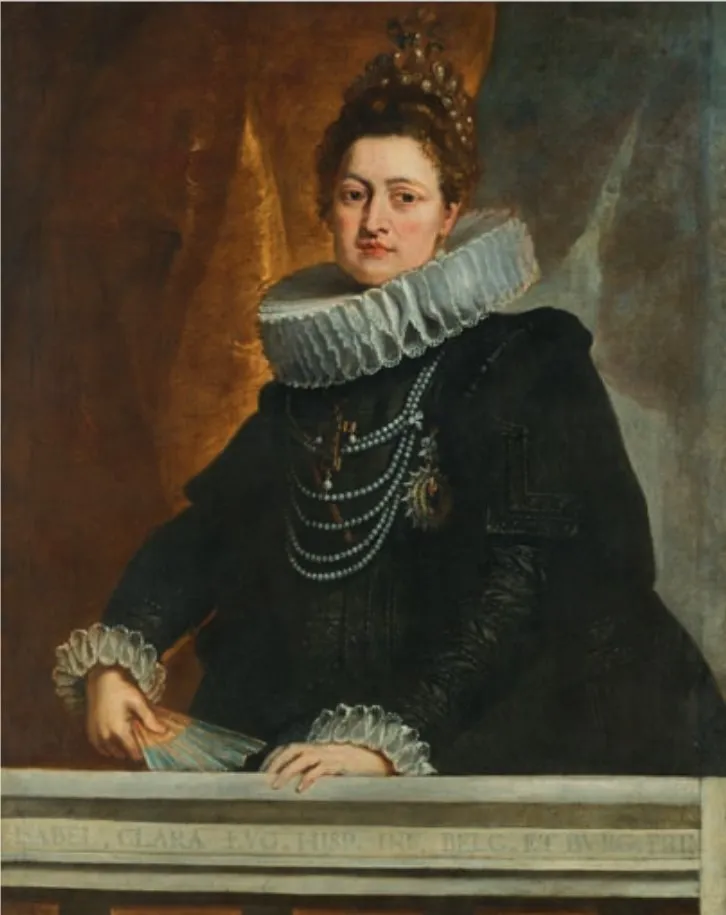
Portrait of Isabella Clara Eugenia is an oil painting by the Flemish Baroque painting artist Peter Paul Rubens. It dates from 1635 and is held in the collection of the Royal Museums of Fine Arts of Belgium.
About this work
Overview
Painted in 1635 by Peter Paul Rubens, this oil portrait captures Isabella Clara Eugenia, Archduchess of Austria and former Governor of the Spanish Netherlands.
Painted in 1635 by Peter Paul Rubens, this oil portrait captures Isabella Clara Eugenia, Archduchess of Austria and former Governor of the Spanish Netherlands. Executed during the height of the Baroque era, the work exemplifies Rubens’s ability to merge ceremonial grandeur with psychological presence. It resides today in the Royal Museums of Fine Arts of Belgium, among a broader collection of his portraits and historical compositions.
Subject & Meaning
Isabella Clara Eugenia, daughter of Philip II of Spain, is portrayed not merely as royalty but as a figure of political authority. Her attire and regalia—crown, fan, and pearl-embellished lace—signal her status and inherited power. The restrained palette and composed posture reflect her role as a stabilizing force in the Habsburg territories, emphasizing dignity over flamboyance despite the opulence of her adornments.
Technique & Style
Rubens employs richly layered oil paint to render textures with precision: the sheen of pearls, the crispness of lace, and the weight of velvet. The background, a subtle blend of gold and gray, avoids distraction while enhancing the subject’s presence. Brushwork balances fluidity with control, characteristic of Baroque portraiture that prioritizes lifelike presence over idealized form.
History & Provenance
Commissioned near the end of Isabella’s life, the portrait likely served to affirm her legacy within the Habsburg court. It remained in royal collections after her death in 1633, eventually entering the Belgian state’s holdings. Its continuous preservation within institutional collections underscores its significance as a document of dynastic identity in the early 17th century.
Context
Rubens, active as both artist and diplomat, often depicted members of the Habsburg family during his service to the Spanish court. This portrait aligns with a broader tradition of political imagery in the Southern Netherlands, where art functioned as both personal commemoration and public assertion of authority amid religious and territorial tensions.
Legacy
The portrait stands as a testament to Rubens’s skill in translating political stature into visual language. It influenced later court portraiture in Europe through its synthesis of realism and ceremonial symbolism. While not widely reproduced, it remains a key reference in studies of Habsburg representation and Baroque portraiture.
Artist & collection
Artist
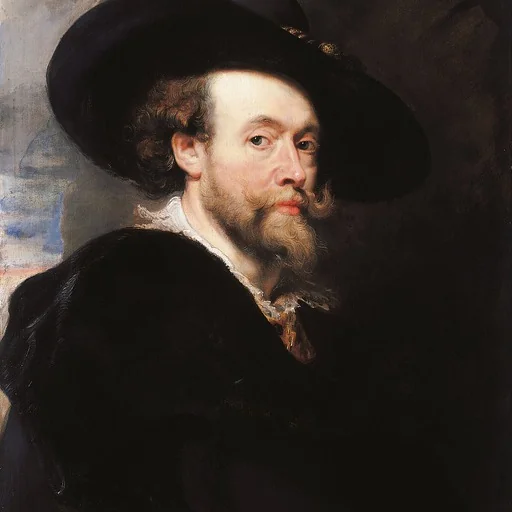
Sir Peter Paul Rubens ( ROO-bənz; Dutch: ; 28 June 1577 – 30 May 1640) was a Flemish artist and diplomat.

Museum
Royal Museums of Fine Arts of Belgium
Continue through works from the same source collection.
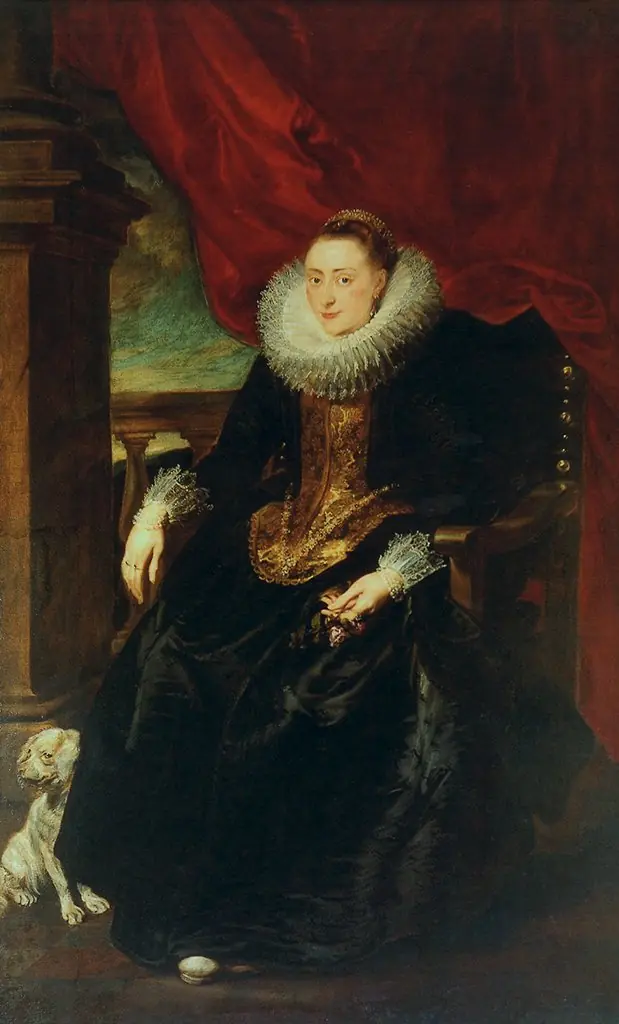 Portrait of a woman of the Vinck/Vincque family
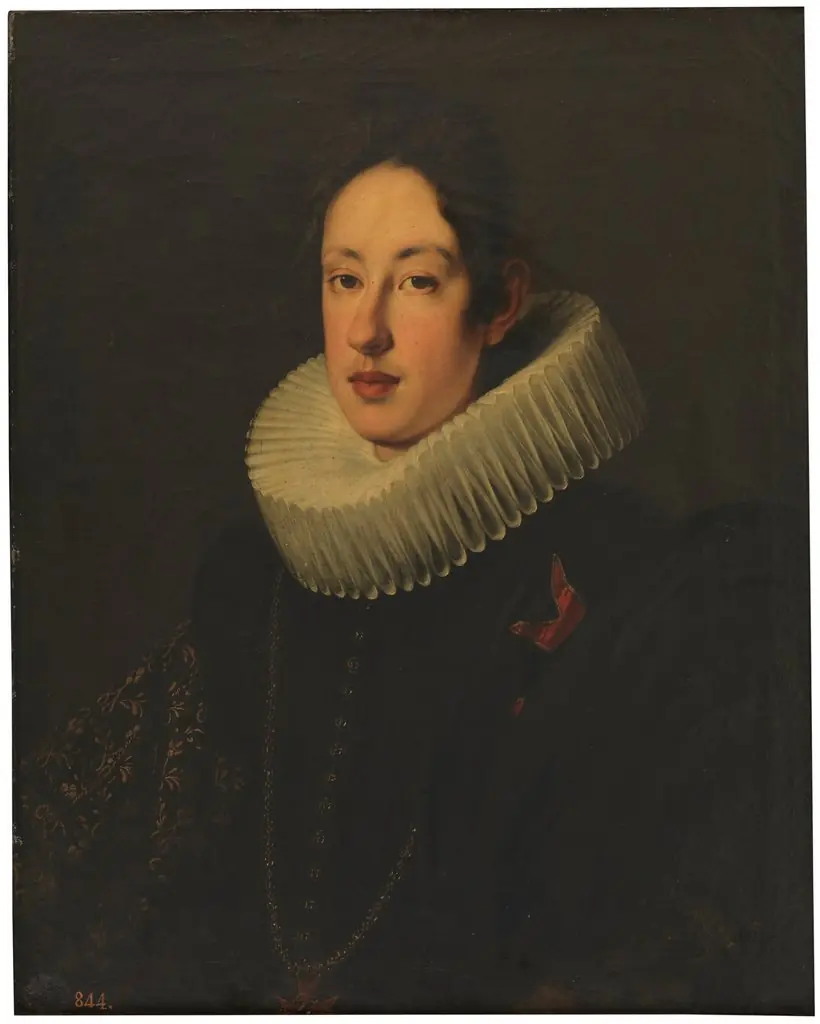 Portrait of Ferdinand II of Tuscany
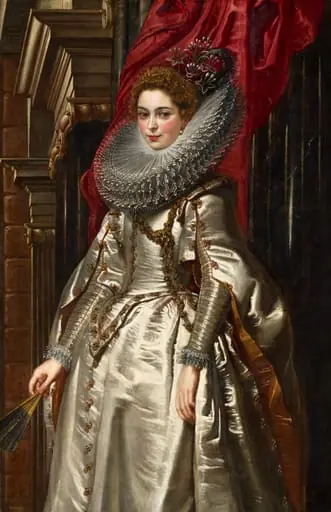 Marchesa Brigida Spinola Doria
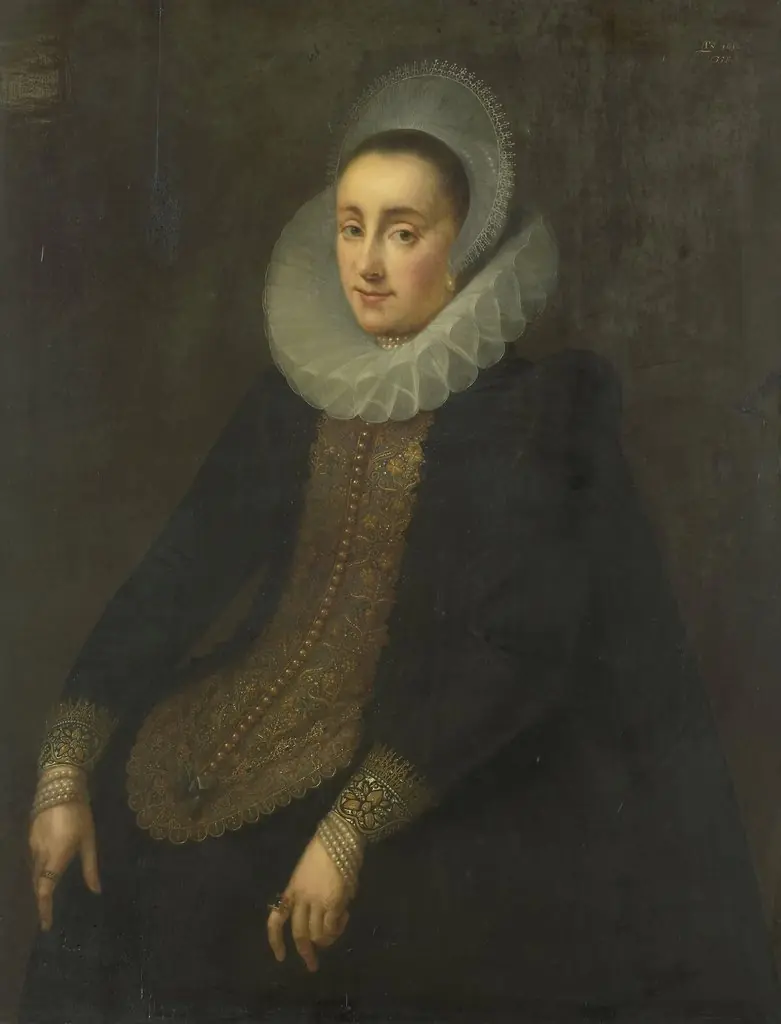 Portrait of Lucretia del Prado, Wife of Jeremias Boudinois
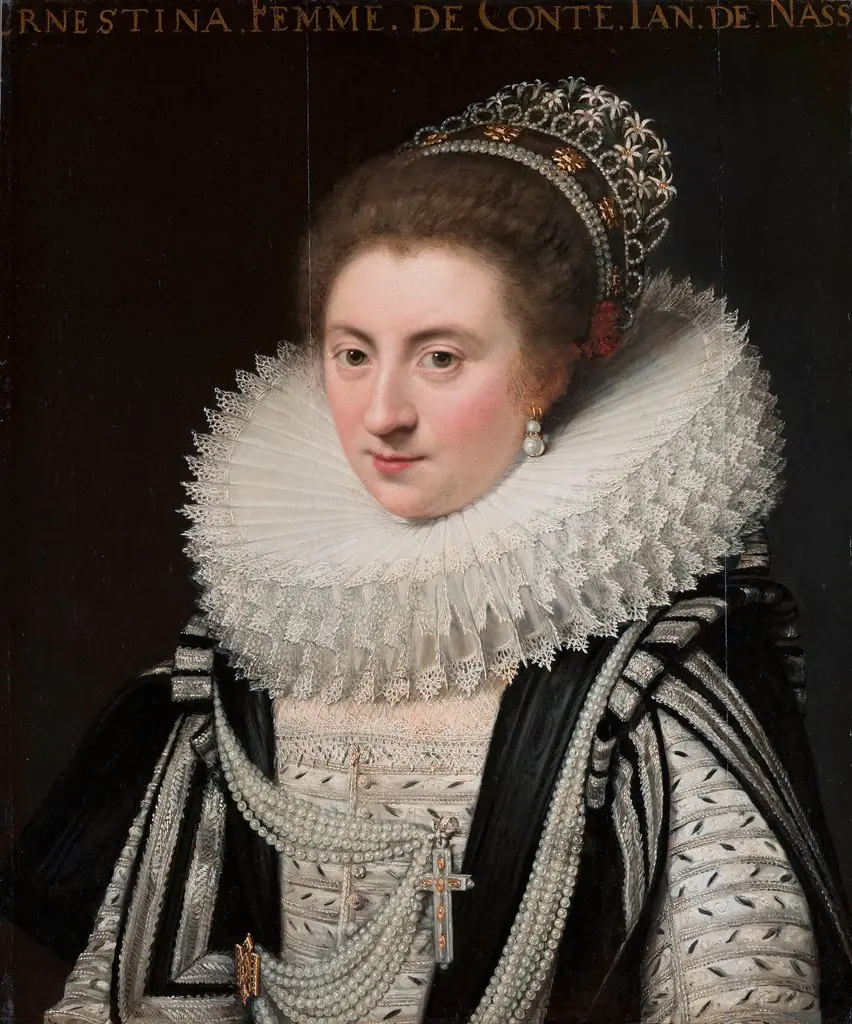 Portrait of Ernestine Yolande (1594-1663), Princess of Ligne
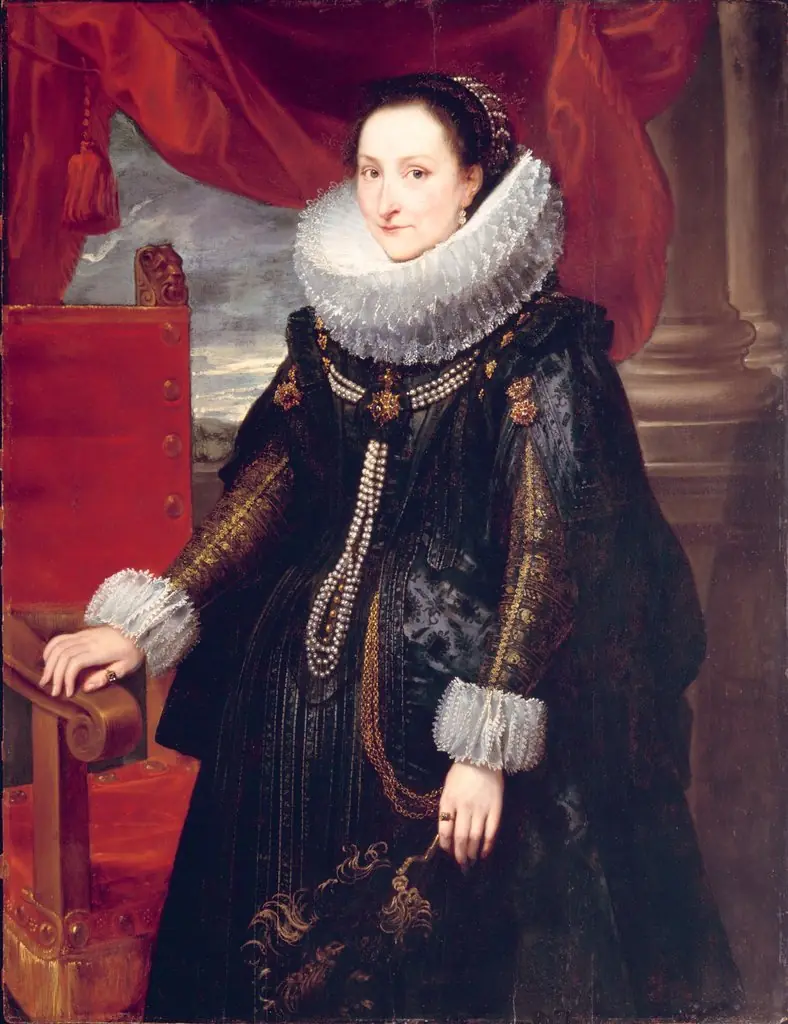 Portrait of a Woman
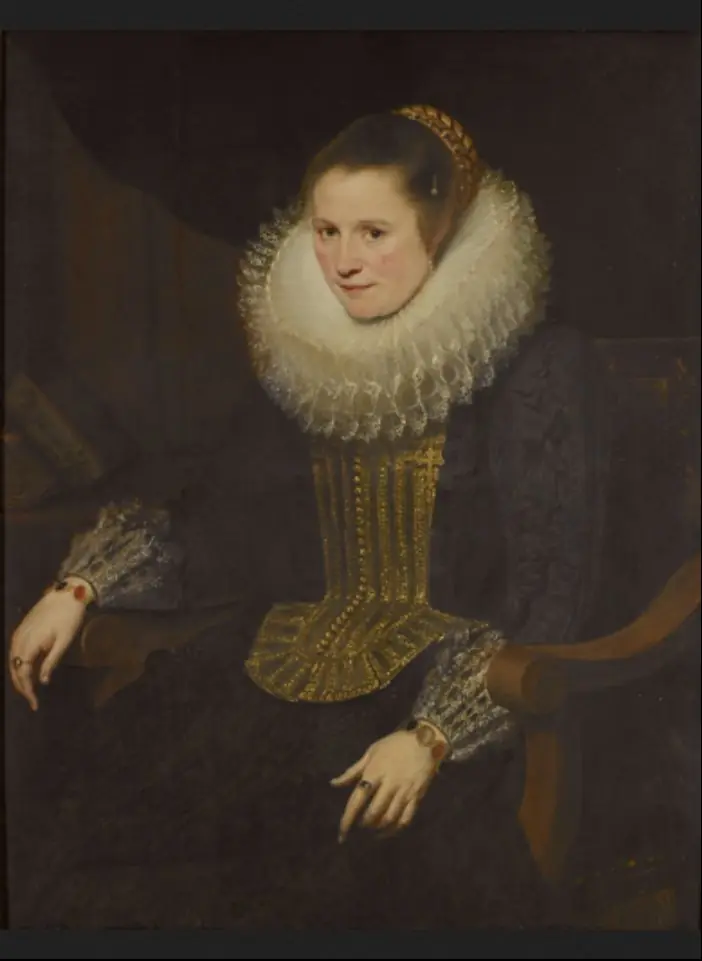 Portrait of Anna Fredericx, wife of Jan Roose
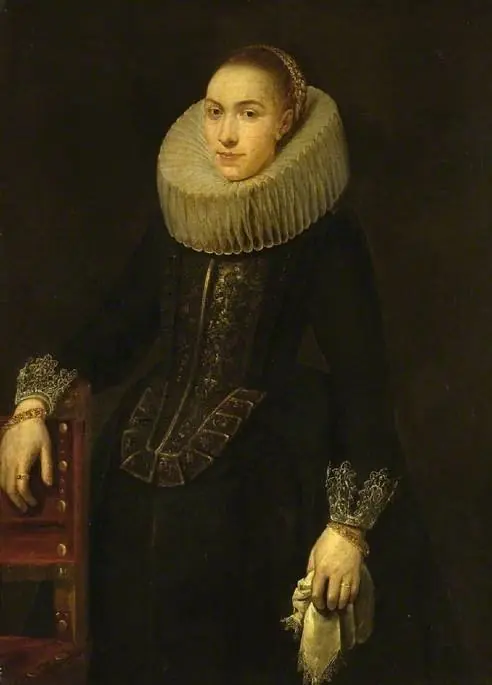 Portrait of a woman
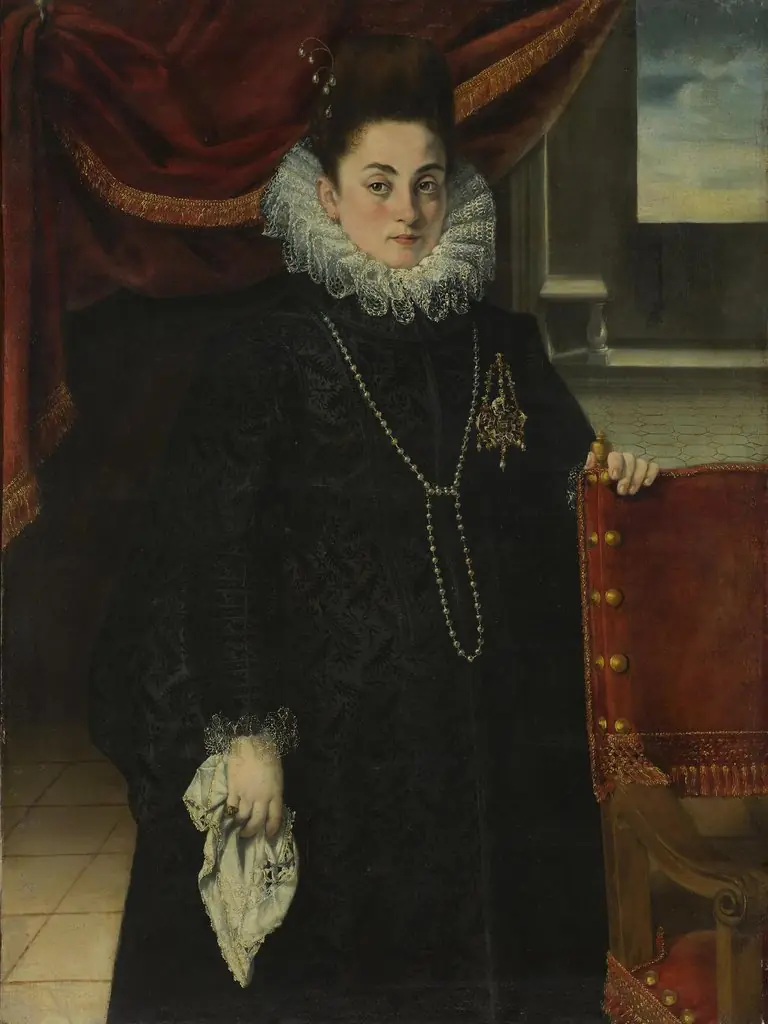 Female Portrait