Artwork
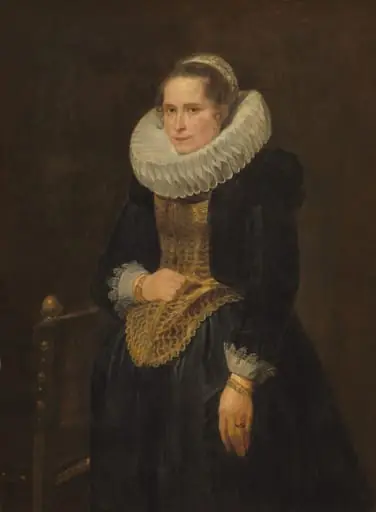
Portrait of a woman of the Vinck/Vincque family
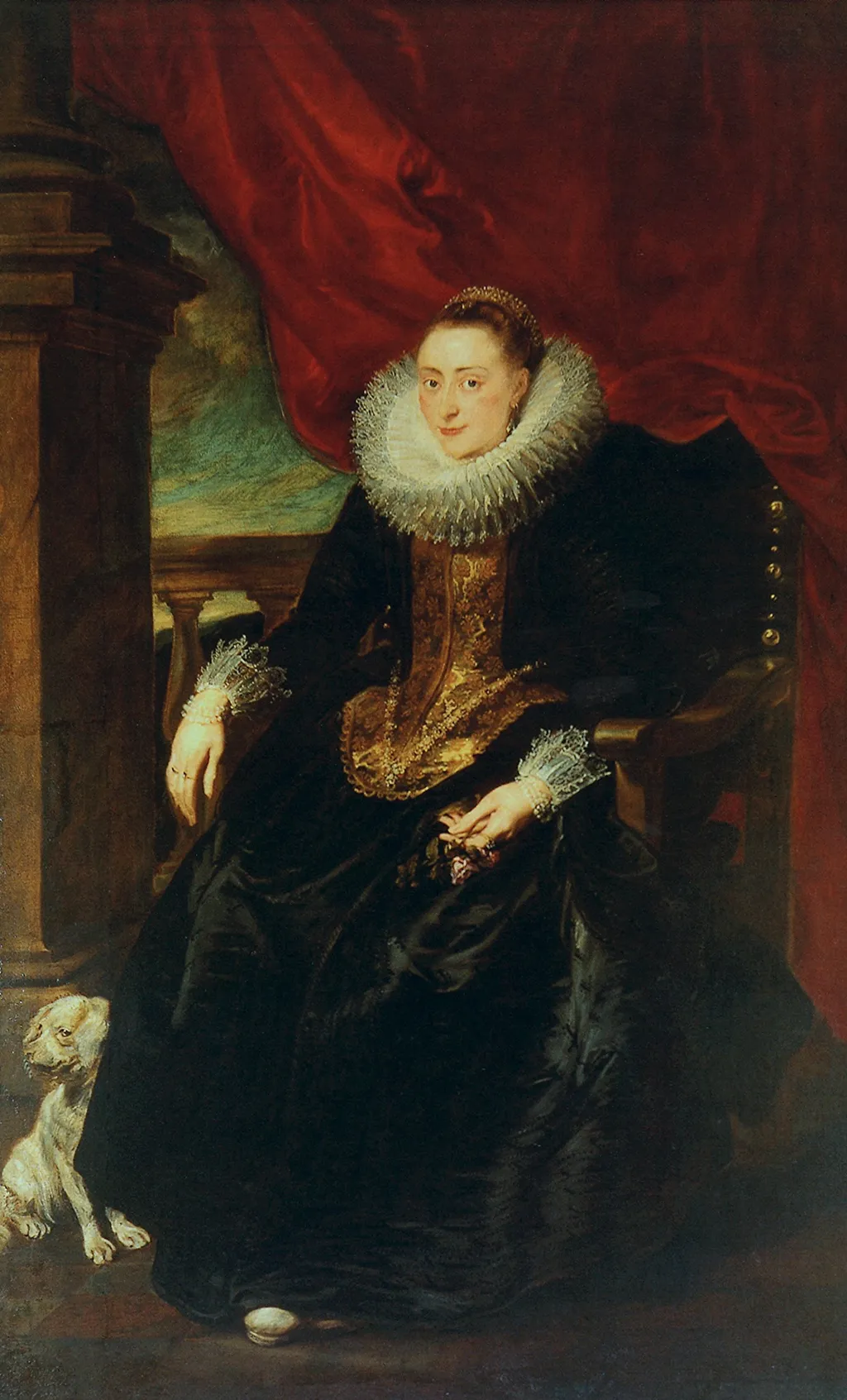
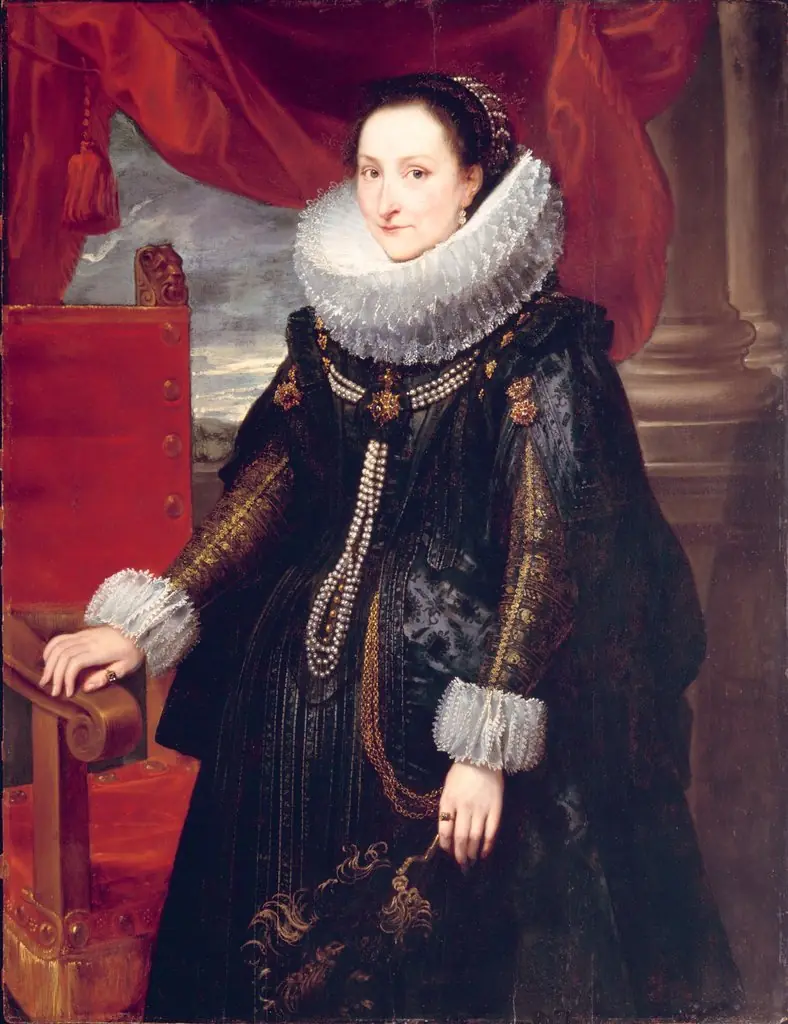
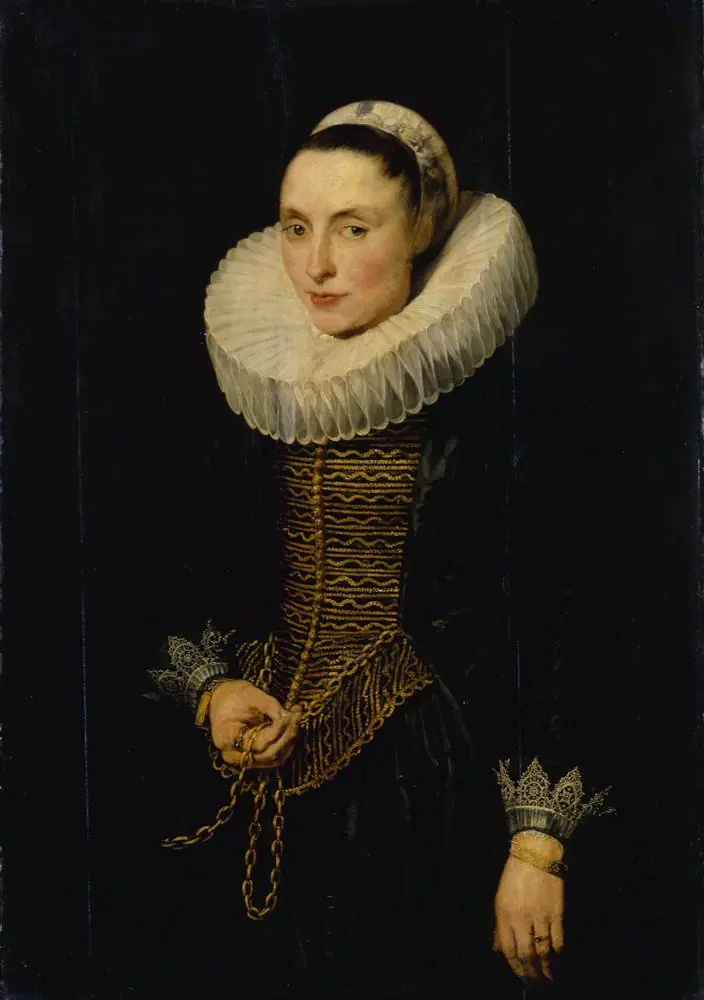
Portrait of a woman of the Vinck/Vincque family is an oil painting by the Flemish Baroque painting artist Anthony van Dyck. It dates from 1619 and is held in the collection of the Ashmolean Museum.
About this work
Overview
Anthony van Dyck’s 1619 oil portrait presents a seated woman of the Vinck (also recorded as Vincque) family. She is positioned beside a modest chair, a draped red curtain, and a small white dog at her feet. The composition emphasizes her individual presence, aligning with early‑17th‑century portrait conventions that highlighted personal identity and social standing.
Subject & Meaning
The sitter is dressed in dark attire accented by a crisp white collar and elaborately embroidered gold sleeves, holding a delicate fan in one hand. The inclusion of the dog, a common symbol of fidelity, and the luxurious fabrics suggest wealth and refinement, while the restrained pose conveys a measured dignity typical of the period’s genteel portraiture.
Technique & Style
Van Dyck employs a subtle chiaroscuro, allowing light to model the woman’s face and garments with a three‑dimensional quality. Careful rendering of shadows and highlights captures the texture of silk and fur, while the background’s muted stone and curtain provide a calm contrast that focuses attention on the figure’s expression and posture.
History & Provenance
Born in Antwerp in 1599, van Dyck entered the Guild of Saint Luke as a master by 1617 after an apprenticeship with Peter Paul Rubens. This work dates from his early independent period, shortly before his appointment as court painter in England. The portrait has remained in private collections linked to the Vinck family, with documented ownership passing through several European heirs.
Context
The painting belongs to the Flemish Baroque tradition, characterized by rich detail, dynamic composition, and a keen interest in portraying individual status. Van Dyck’s early works reflect Rubens’s influence yet already display his emerging skill in capturing psychological nuance, a quality that would later define his portraiture across European courts.
Own this work as a print
Artist & collection
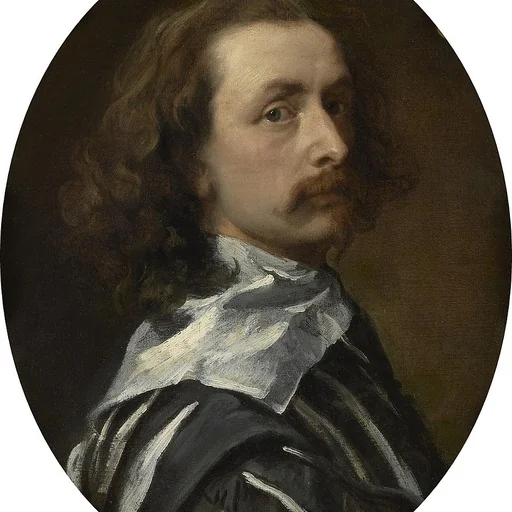
Artist
Sir Anthony van Dyck (; Dutch: Antoon van Dijck ; 22 March 1599 – 9 December 1641) was a Flemish Baroque artist, who became the leading court painter in England after success in the Spanish Netherlands and Italy.

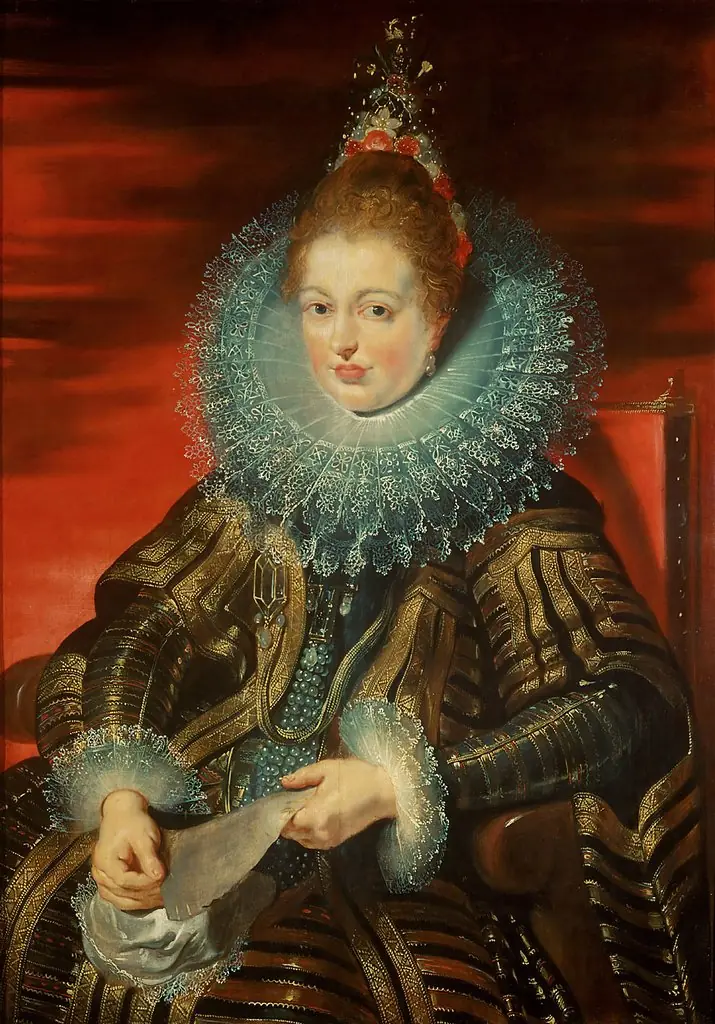 Isabella Clara Eugenia, wife of Albrecht VII
 Portrait of a Woman
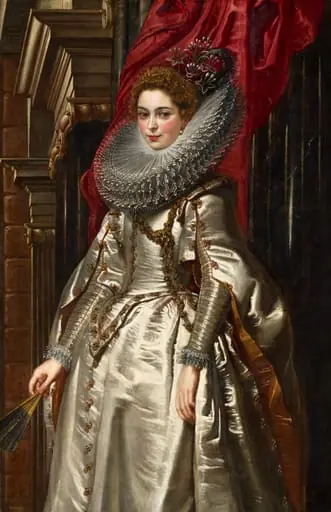 Marchesa Brigida Spinola Doria
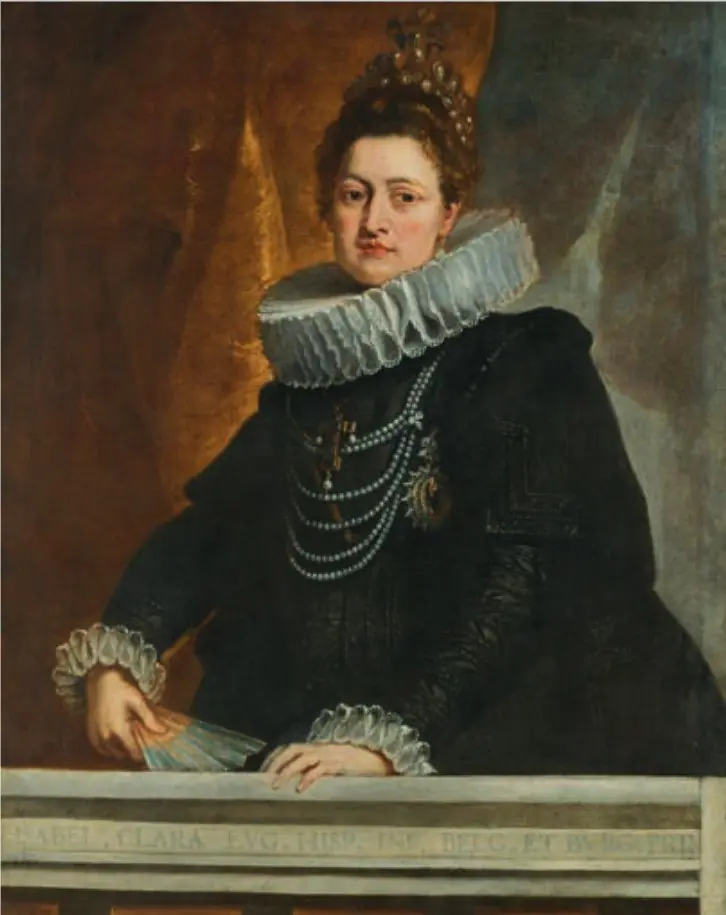 Portrait of Isabella Clara Eugenia
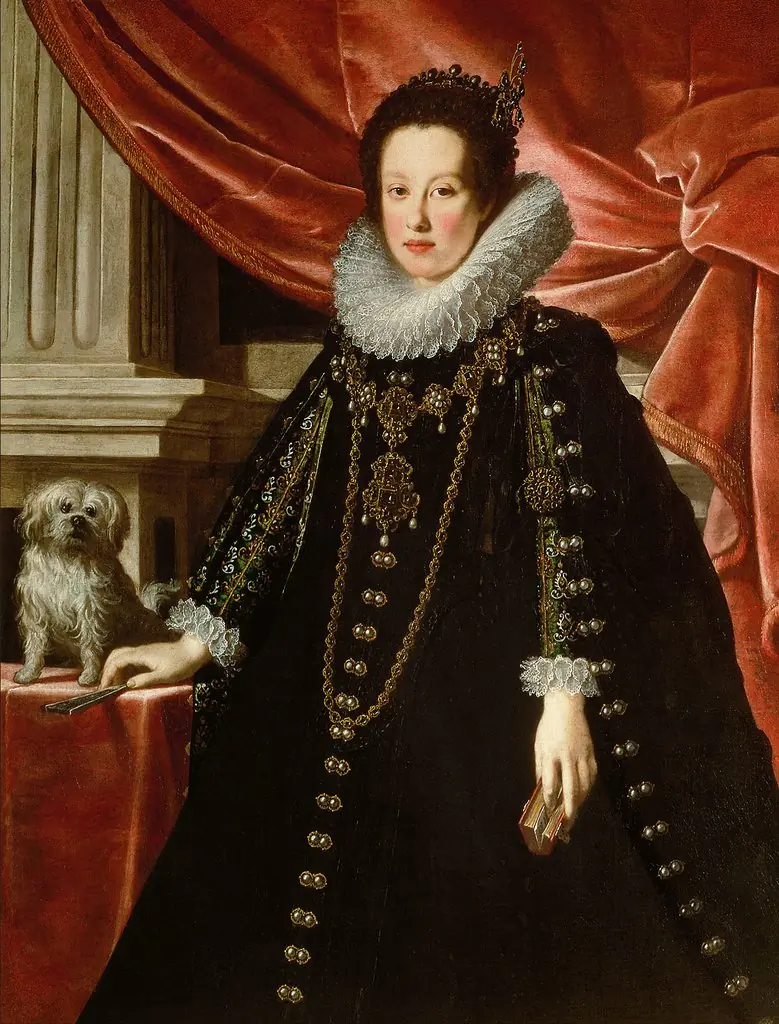 Portrait of Anna de' Medici (1616-1676), Archduchess with her Lapdog
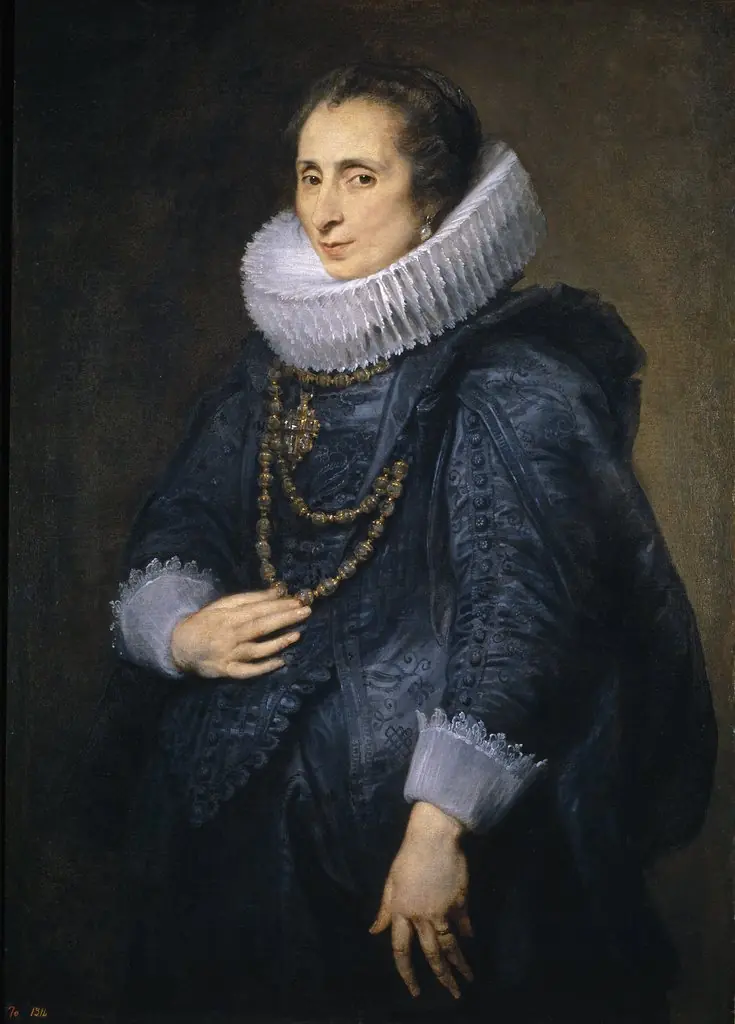 Unknown Lady
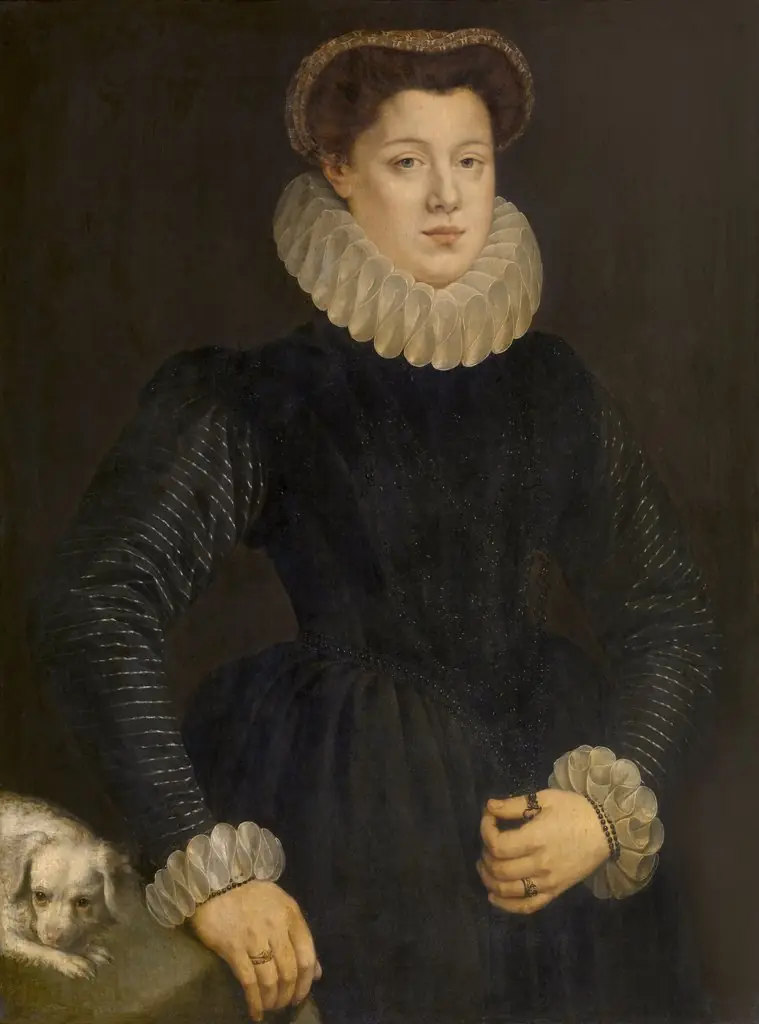 Portrait of a Lady
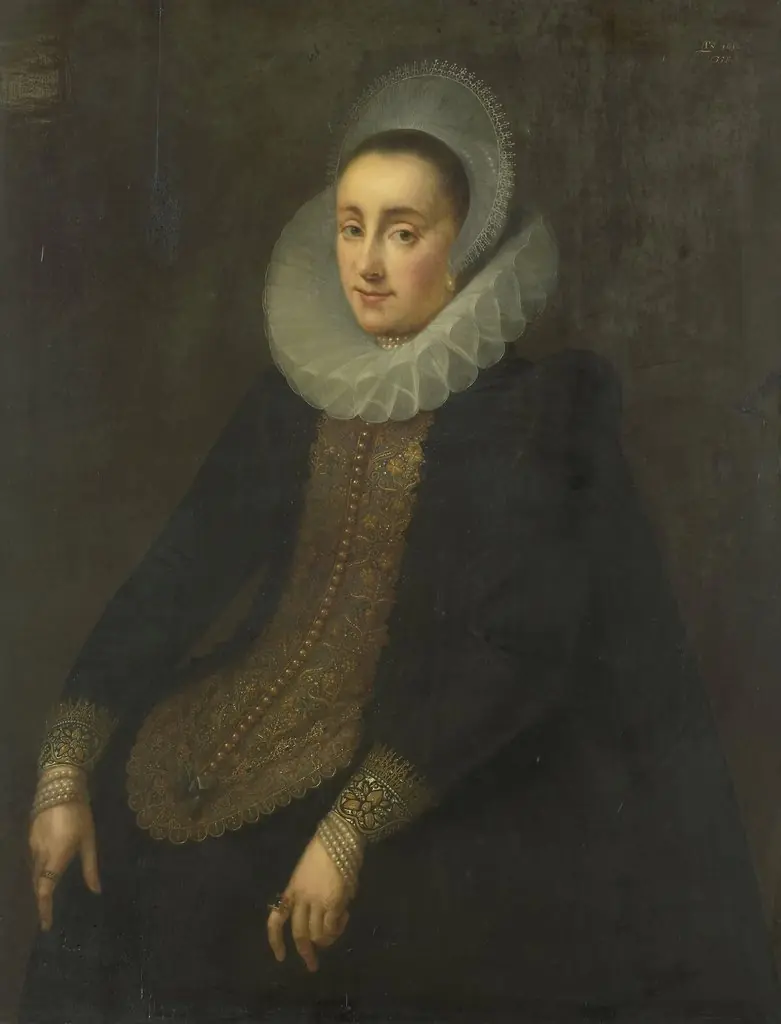 Portrait of Lucretia del Prado, Wife of Jeremias Boudinois
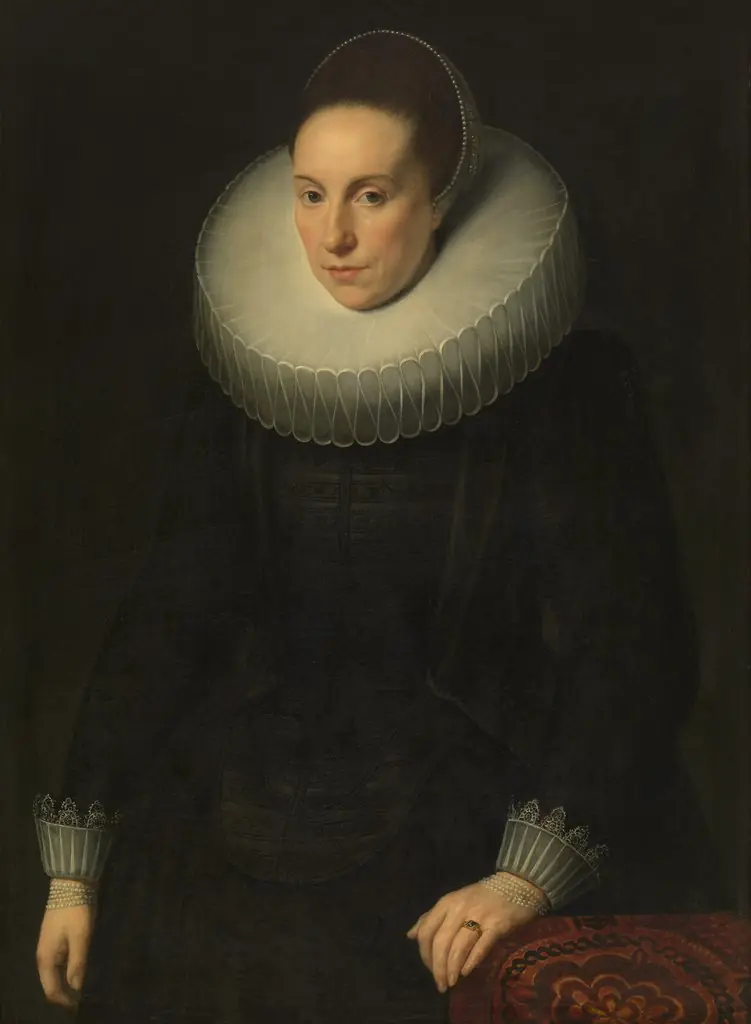 Portret van een vrouw
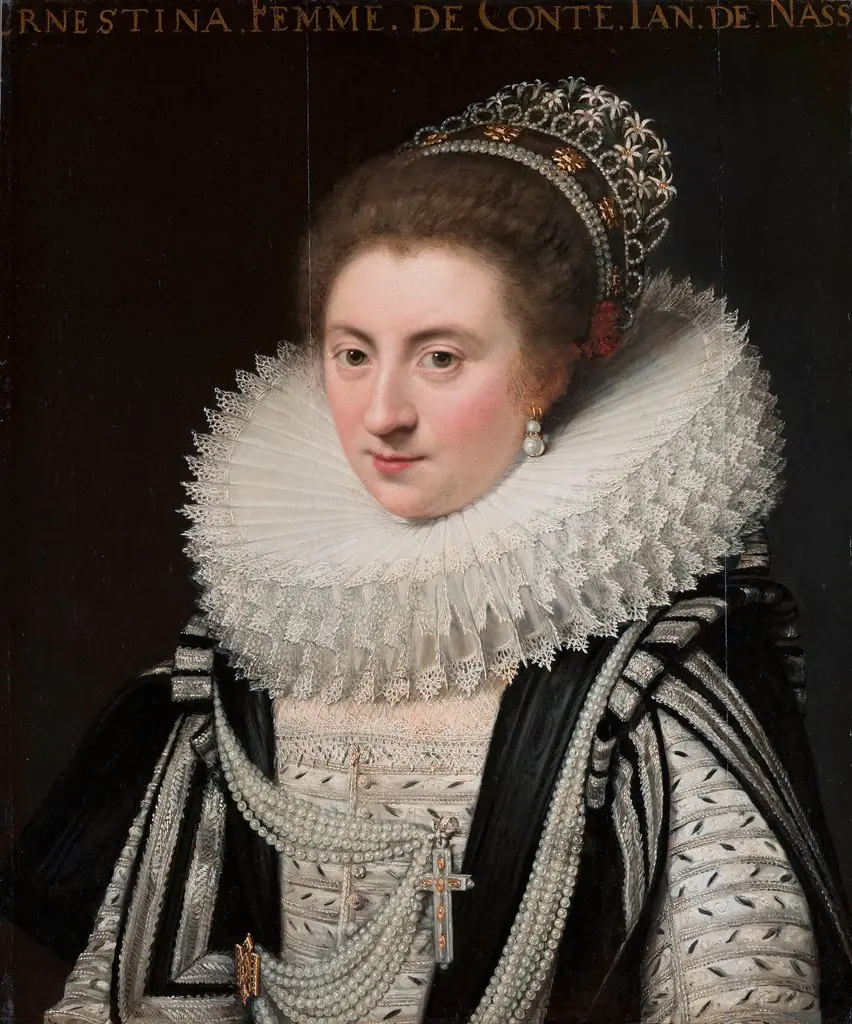 Portrait of Ernestine Yolande (1594-1663), Princess of Ligne
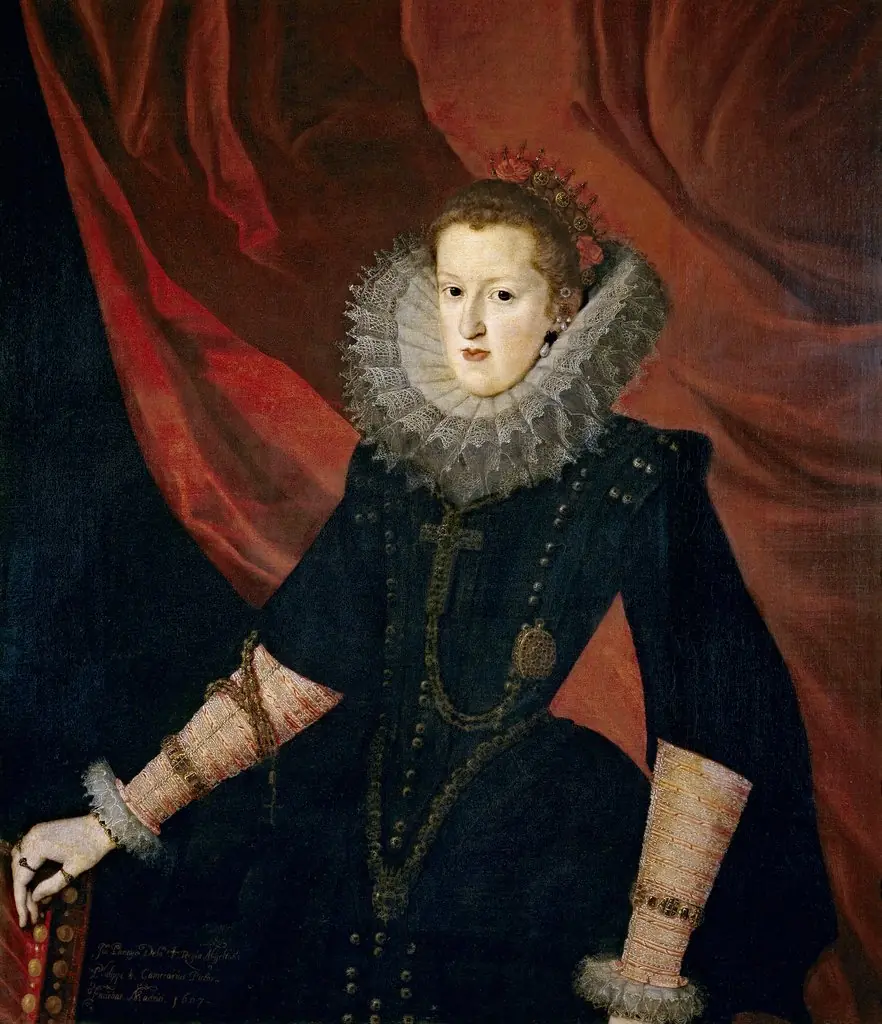 Margaret of Austria
 Portrait of a Lady