Artwork
Saint Bartholomew
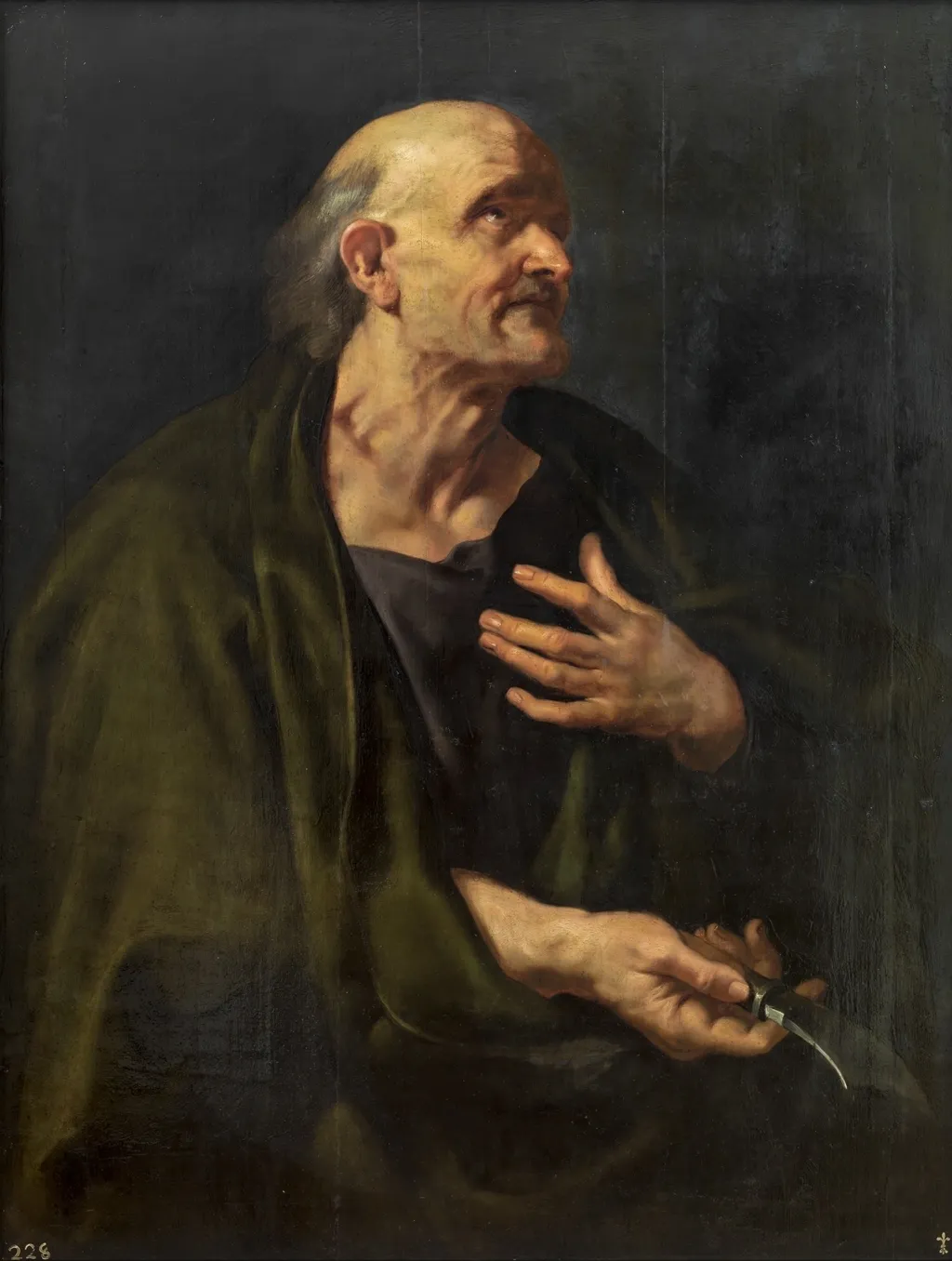
Saint Bartholomew is an oil painting by the Flemish Baroque painting artist Peter Paul Rubens. It dates from 1610 and is held in the collection of the Museo del Prado.
About this work
Overview
Created in 1610 by the Flemish painter and diplomat Peter Paul Rubens, this oil on canvas portrays Saint Bartholomew. Executed in the dramatic idiom of the Flemish Baroque, the composition centers on a solitary, aged figure whose solemn expression and muted palette draw the viewer’s focus. The work now belongs to the Museo del Prado’s collection.
Subject & Meaning
The apostle is identified by the knife he holds, an emblem linked to his traditional martyrdom narrative. Rubens presents Bartholomew as an elderly, weary man with greying hair, his right hand gripping the blade while the left rests upon his chest, suggesting a moment of contemplation or resignation before his foretold fate.
Technique & Style
Rubens employs a stark chiaroscuro, allowing light to model the saint’s face and hands with a three‑dimensional quality against a deep, unadorned background. The dark robe and subdued tones enhance the dramatic contrast, while the cloth‑wrapped knife adds a tactile detail that emphasizes the painting’s tactile realism within the Baroque visual language.
History & Provenance
After its completion, the painting entered various private collections before being acquired by the Museo del Prado, where it remains on display. Its attribution to Rubens has been consistently affirmed by stylistic analysis and documentary evidence, confirming its place among the artist’s early 17th‑century religious works.
Own this work as a print
Artist & collection
Artist
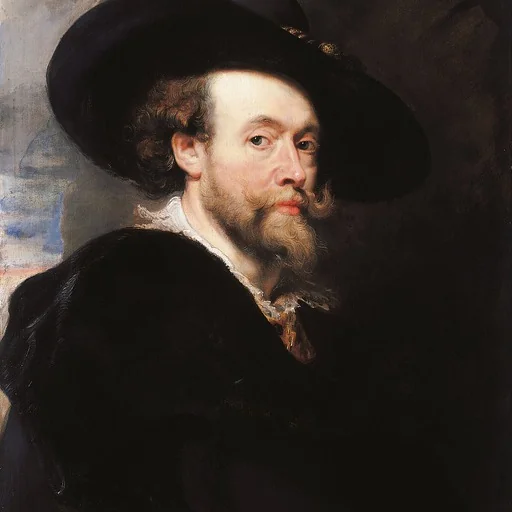
Sir Peter Paul Rubens ( ROO-bənz; Dutch: ; 28 June 1577 – 30 May 1640) was a Flemish artist and diplomat.